
Black ink built for clear coding on lighter surfaces
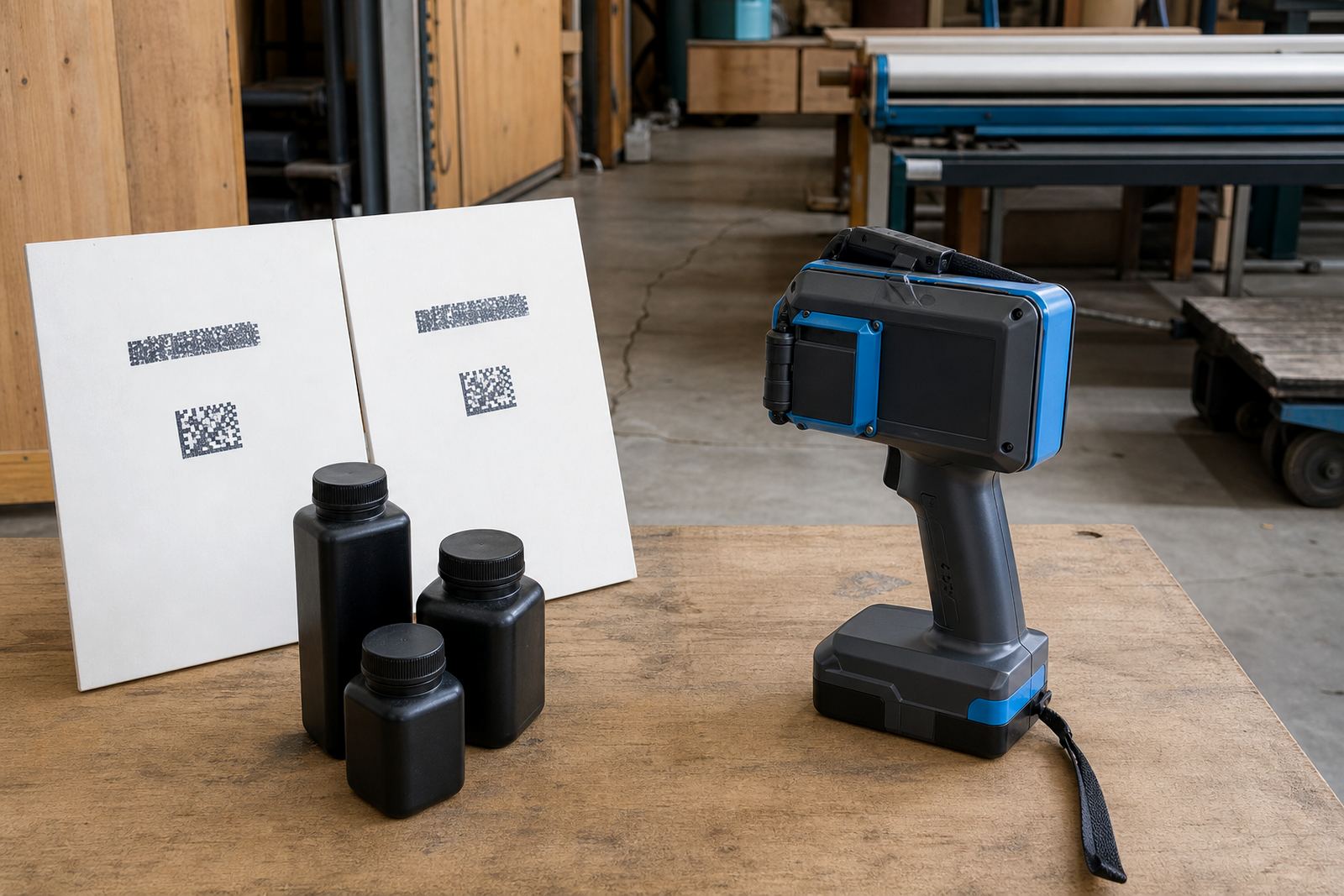
This supply is used in handheld inkjet printers for date codes, batch numbers, barcodes and short logos. The main job is contrast. On pale cartons, untreated timber, some plastics and coated packs, a well matched black ink gives a darker mark that is easier to read at the packing bench and on site. It is commonly used where operators need a neat mark across moving stock, palletised goods or items that are handled in humid coastal conditions.
Black ink for handheld coding is not one universal liquid. Some formulas are solvent based for faster drying and better grip on non-porous surfaces, while others are water based for selected cartons and absorbent materials. Quick-dry options are also used when the pack is moving quickly through a line or when stacking starts soon after printing. The right match depends on the surface, the print height and the way the item moves through your process.
For hire work, we keep the conversation practical. If the code must sit cleanly on a white carton, a printed sack or a coated label, the ink choice matters more than the wording on the mark. A good test print shows whether the black stays bold, whether edges spread, and whether the surface takes the mark without smudging.
Sizes and options available with the supply
Black ink is supplied in formats that suit handheld printers used for short runs and regular marking work. The usual options are smaller cartridges or refill bottles for specific handheld models, plus consumable packs for operators who need regular stock on hand. The right size depends on print volume, the kind of surface, and whether the printer is used at a single depot or moved between sites.
- Cartridge based supply for neat, controlled loading
- Refill bottles for higher use and repeated marking
- Solvent based black ink for harder surfaces and faster drying needs
- Water based black ink for absorbent cartons and timber surfaces
- Quick-dry black ink where handling starts soon after printing
- Options matched to common handheld print heights such as 12.7 mm, 25.4 mm and wider multi-line coding where the printer allows it
On larger hire jobs, the supply is often planned with the printer, the message and the surface together. That helps avoid a mismatch where the code looks right on paper but breaks up on timber grain or beads on coated packaging. In Pinetown, Durban and other coastal areas, storage conditions can matter too, because temperature and humidity affect how neatly a mark cures on some materials.
Where black ink suits the job
Black ink is the first choice when the mark must be readable from a short distance and the background is pale, dusty or uneven. It is commonly used on cartons, corrugated boxes, timber battens, pipes, bags, sleeves and some steel components that take ink cleanly. For logistics and production teams, the main value is legibility. A clear mark helps with stock control, dispatch, production dating and traceability.
It also suits jobs where the operator is working with mixed batches. A carton line may need one code for a morning run and another for a shift handover. A timber yard may need short marks that stay visible through handling. In those settings the black ink needs to hold its shape, not flood the surface and not turn grey against dusty stock.
When the same printer moves between a smooth pipe and a rougher pack surface, the ink choice and print setting should both be checked. The surface texture changes the way the droplets land. That is why black ink is usually selected after the substrate has been confirmed, not before.
Fitting, setup and operator handling
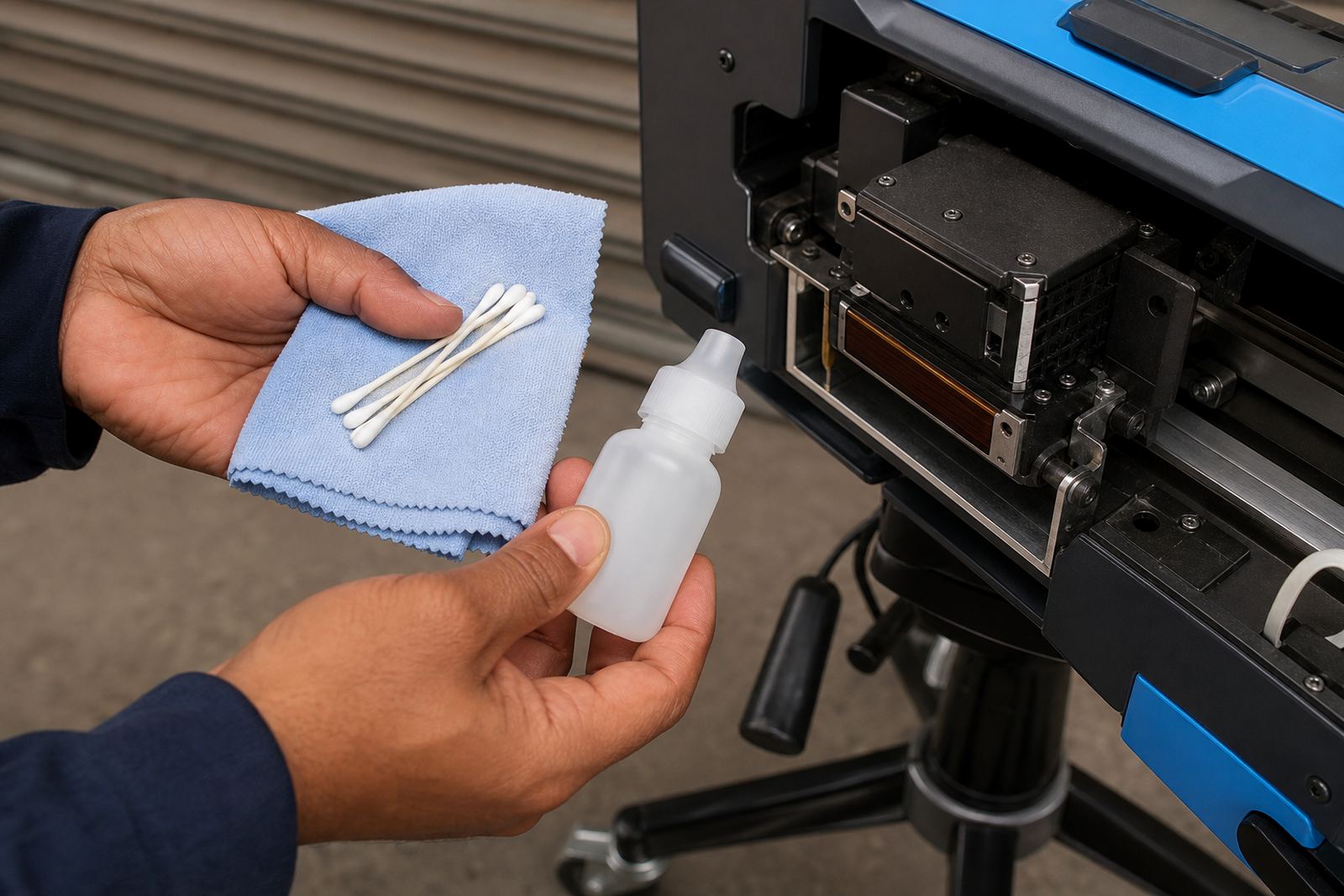
Most black ink supply used with handheld printers is loaded into the printer by the operator or technician, depending on the model and the job setup. The fitting process must be clean. The cartridge or refill system has to seat properly, the print head needs to be free of dried residue, and the device should be tested before production starts. A misloaded supply can create streaks, patchy marks or overspray around the code.
For rental work, setup help is often paired with message loading, barcode setup and test printing. That matters when the black ink is being used for a short batch, a weekly dispatch run or a monthly production schedule. If the printer is linked to a specific message file, the operator should confirm the font size, barcode height and print direction before the job begins.
- Load the ink in a clean area away from dust and loose fibres
- Check the nozzle condition before a long run starts
- Run a sample on the actual surface, not only on plain paper
- Set the print height to suit the code size and pack size
- Keep the cap and seal closed when the unit is not in use
Where on-site setup is needed, the printer, ink and sample material should be kept together. That gives a better result than fitting the supply in isolation and hoping the mark behaves the same way on the line. It also saves time when the surface is tricky, such as rough timber or lightly textured sacks.
Care, storage and mark quality over the hire term
Black ink stays in better condition when it is stored upright, sealed properly and kept away from direct heat and sunlight. In humid Durban and Richards Bay conditions, care matters because moisture and temperature shifts can change how the liquid behaves in the cartridge or bottle. On site, a cap left open too long can thicken the ink around the nozzle and affect the next print.
Operators should wipe the print head area with the correct cleaning method for the device, not with random solvents. A clean head gives a more even line and a sharper barcode. If the code starts to feather, fade or shift position, the surface, the print height and the ink flow should all be checked together. The problem is not always the message, sometimes it is the substrate or a dirty nozzle.
For weekly and monthly hire terms, consumables are often scheduled with the expected production load. That helps avoid short stock during a busy dispatch run in Johannesburg, Cape Town or Pietermaritzburg. It also supports cleaner maintenance, because the operator is not stretching one cartridge past the point where the print quality starts dropping off.
Details to confirm before black ink is supplied
To supply the right black ink, the material and the print target need to be confirmed first. A carton takes a different formula to a coated pipe or a timber surface. The more detail you can give about the job, the better the match between the printer, the ink and the finish on the pack.
- Surface type, such as carton, bag, timber, pipe or steel
- Print height needed for the code, barcode or logo
- Whether the mark must dry fast or can sit longer before handling
- Expected print volume across the hire period
- Location of use, such as Pinetown, Durban, Johannesburg or Cape Town
- Whether the job needs black ink only or a broader consumables supply
Where the surface is unusual, a test print is useful before the full run starts. A quick sample shows how the black sits on the material and whether the mark needs a different setting or another ink type. That is especially helpful for mixed stock, where one run includes both smooth and rough surfaces.
Key facts
| Ink type | General-use black ink for handheld inkjet coders |
|---|---|
| Finish | High-contrast black mark on lighter surfaces |
| Compatible surfaces | Cartons, bags, pipes, timber and selected steel surfaces |
| Common formulas | Solvent based, water based and quick-dry options |
| Typical print heights | 12.7 mm, 25.4 mm and selected wider multi-line settings |
| Supply formats | Cartridges and refill bottles, depending on printer model |