

Picking the right coder for the marking job
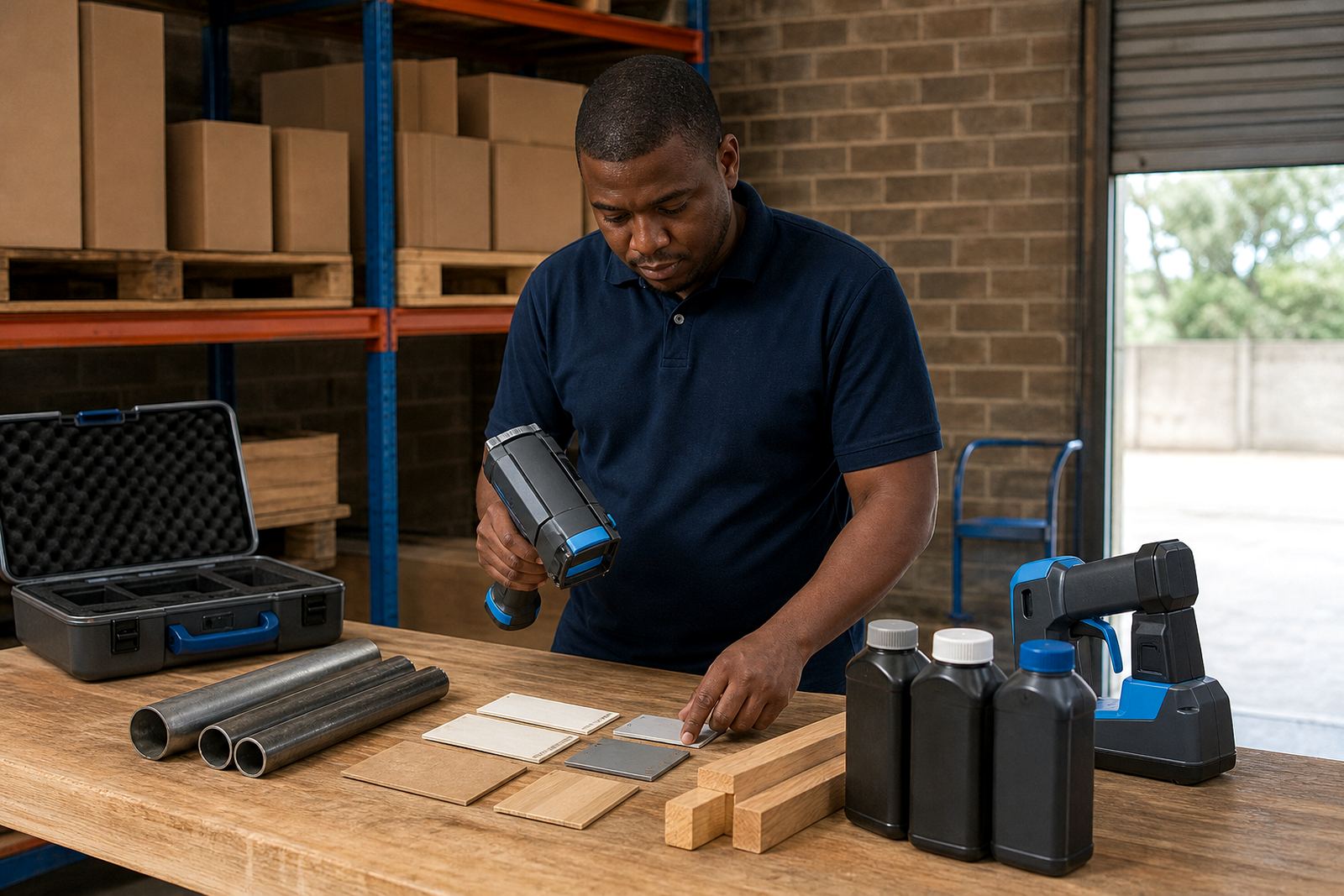
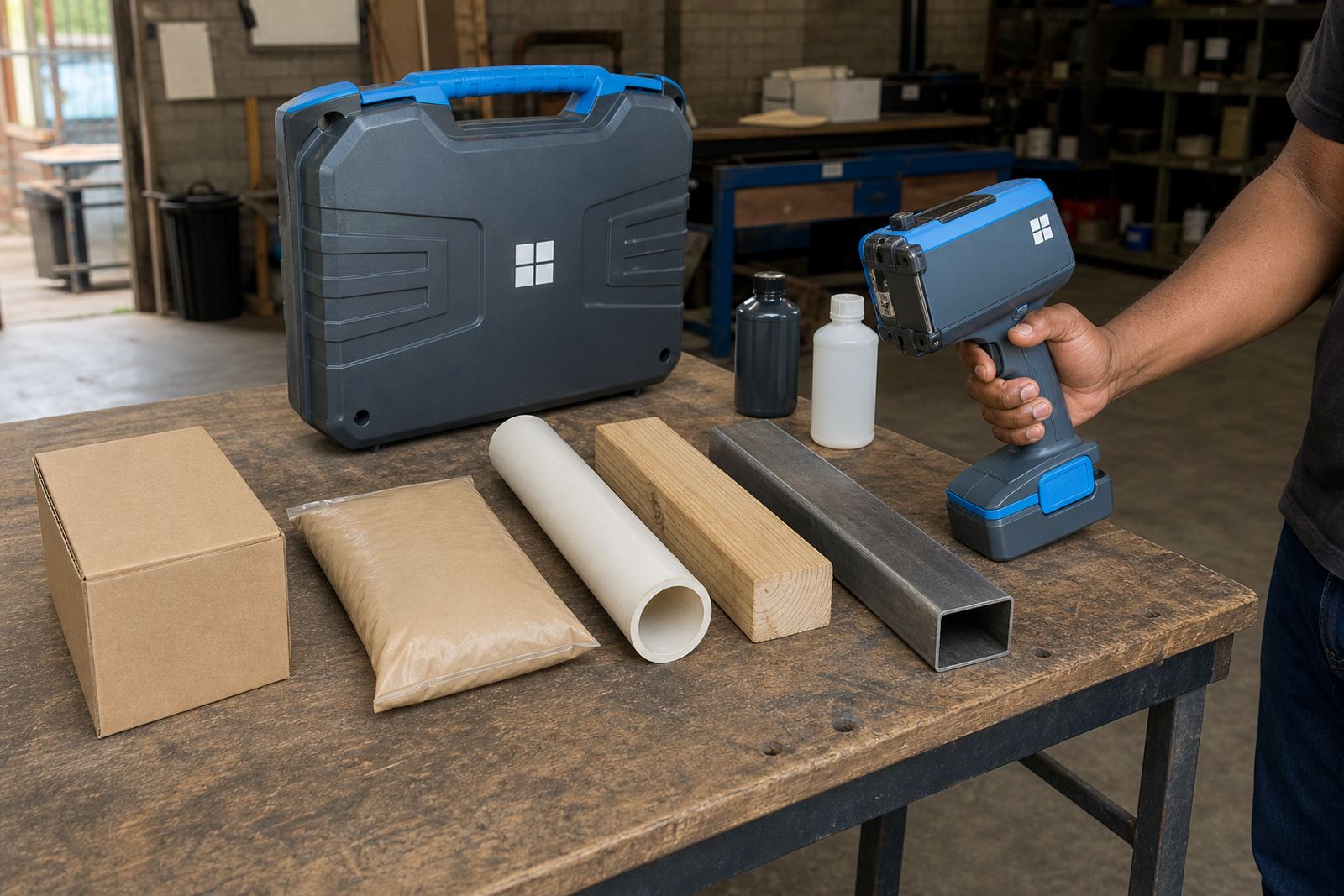
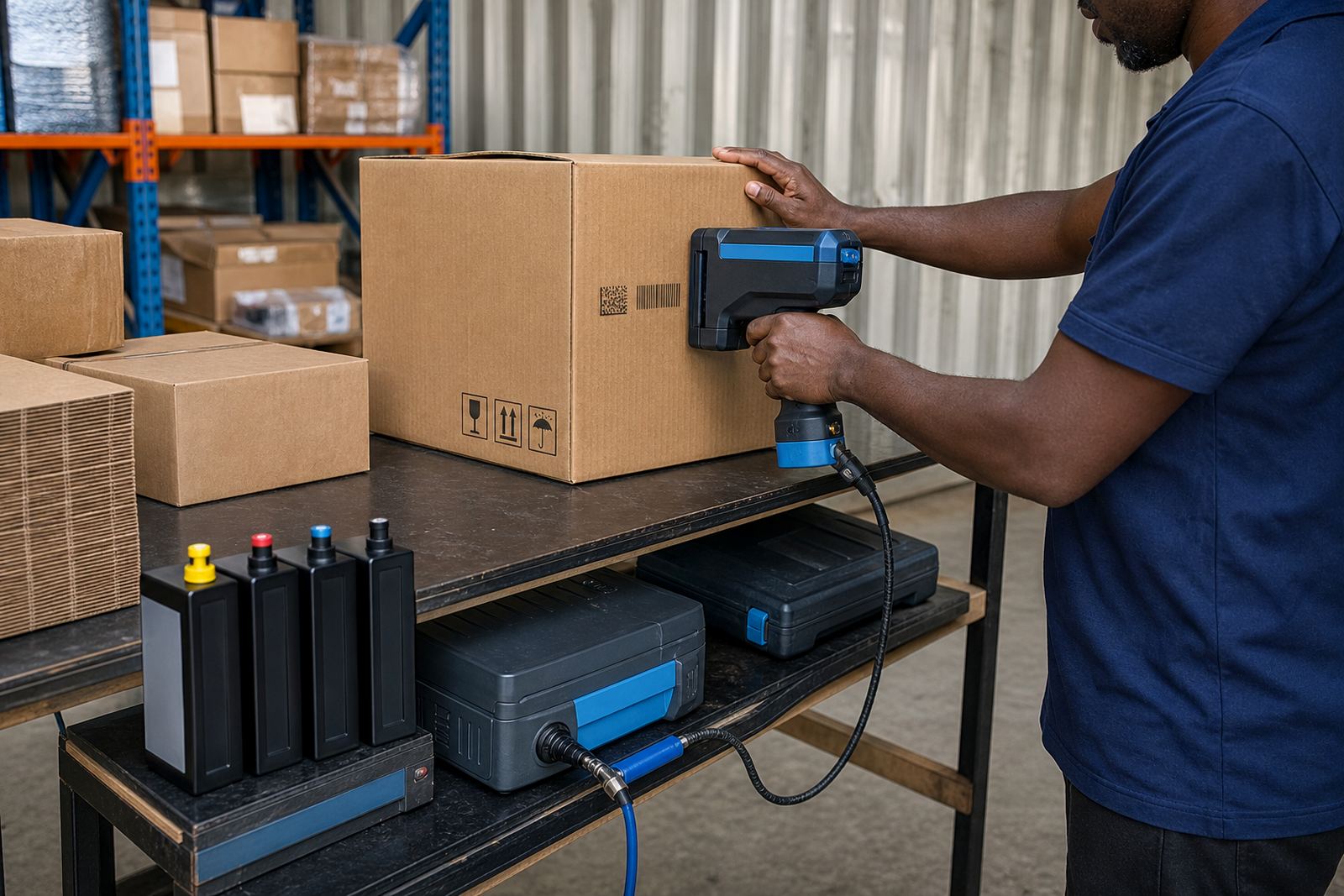
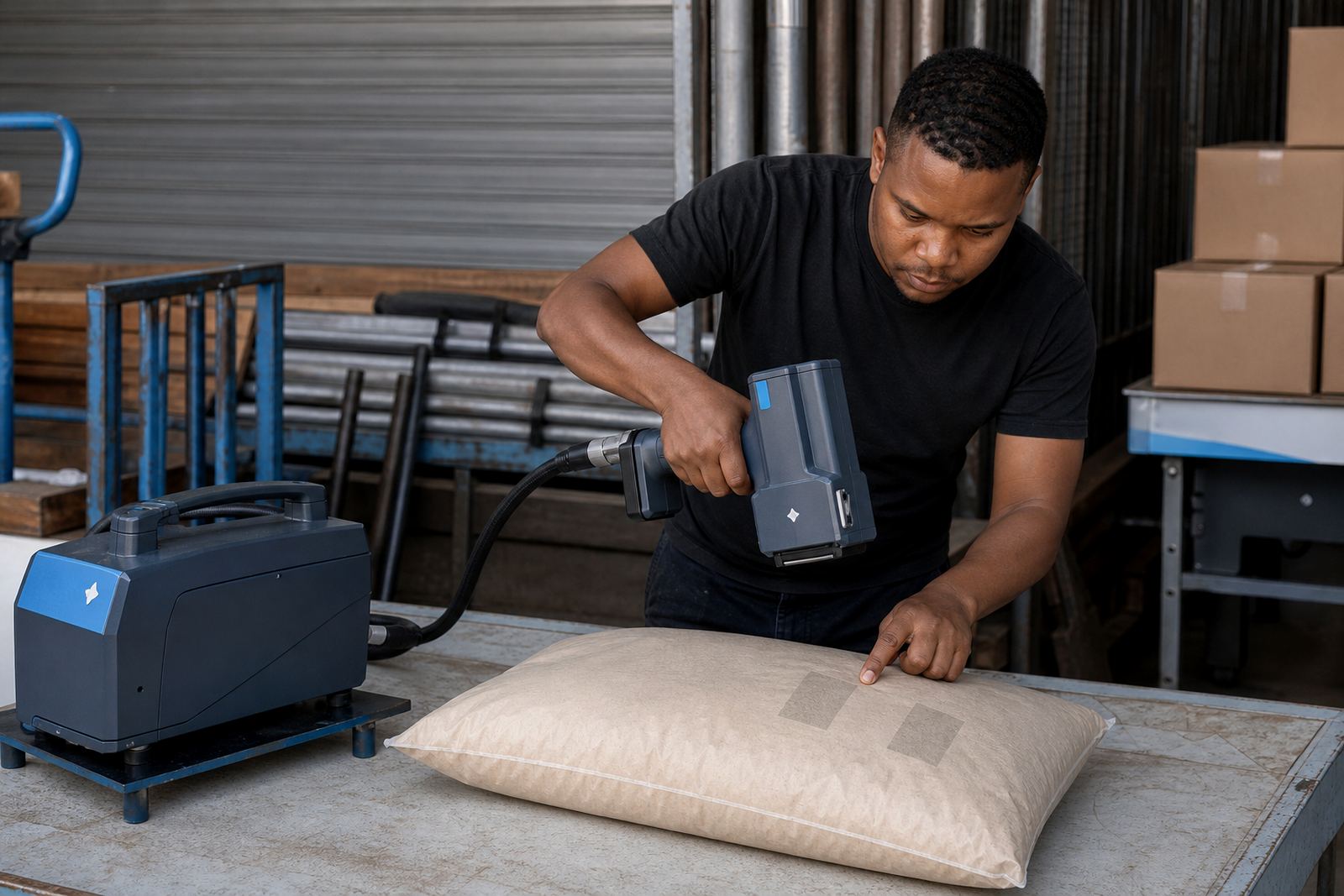
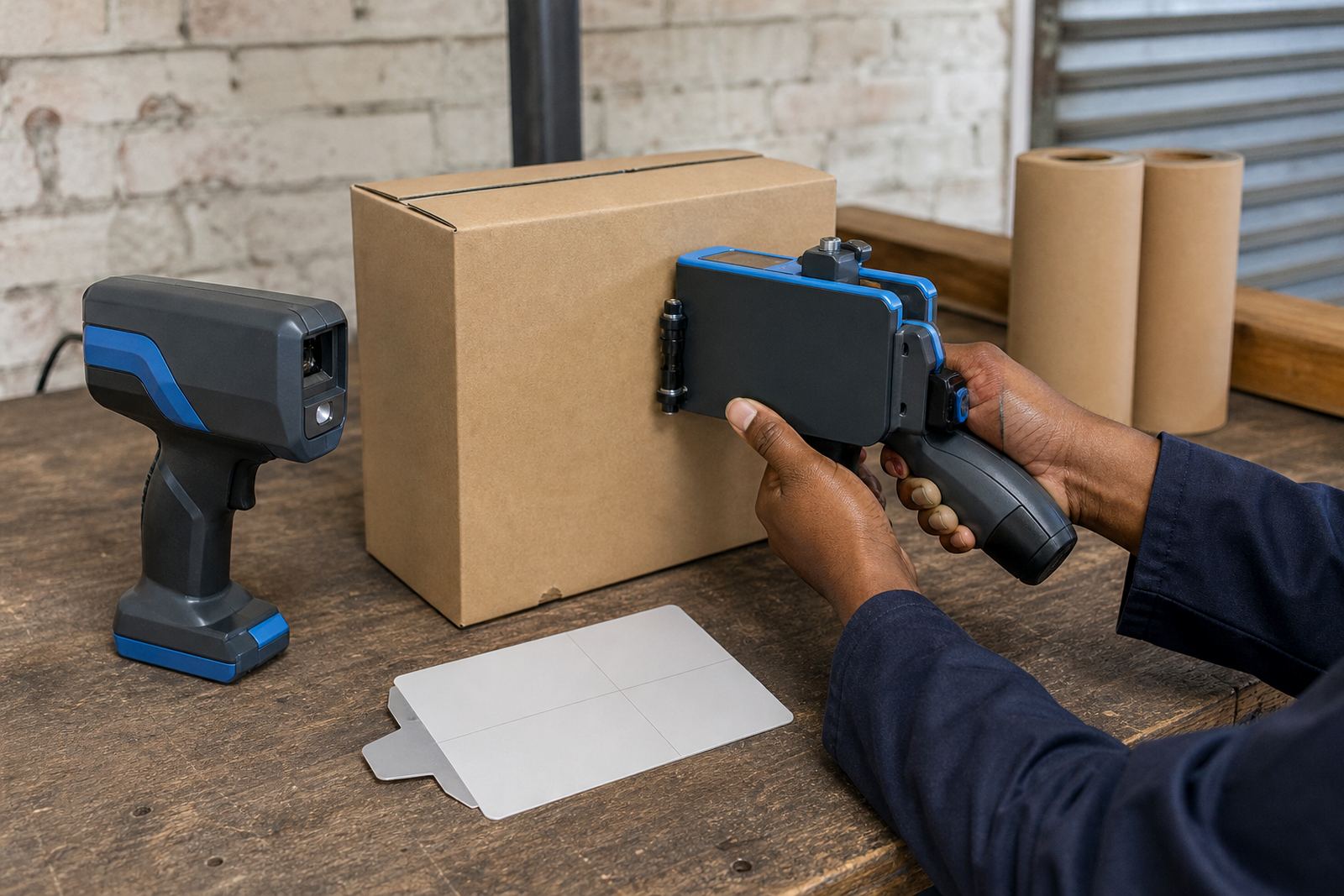
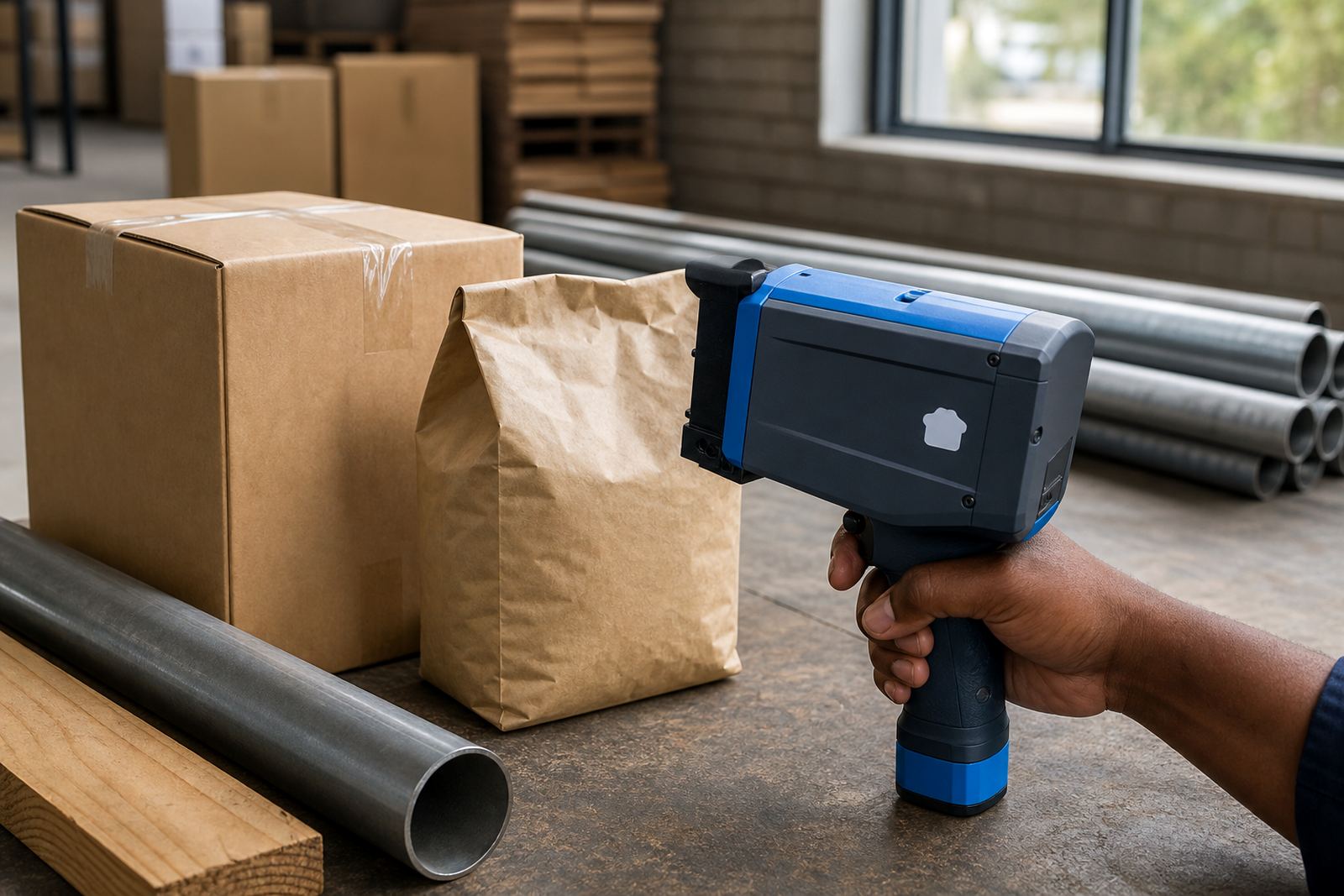
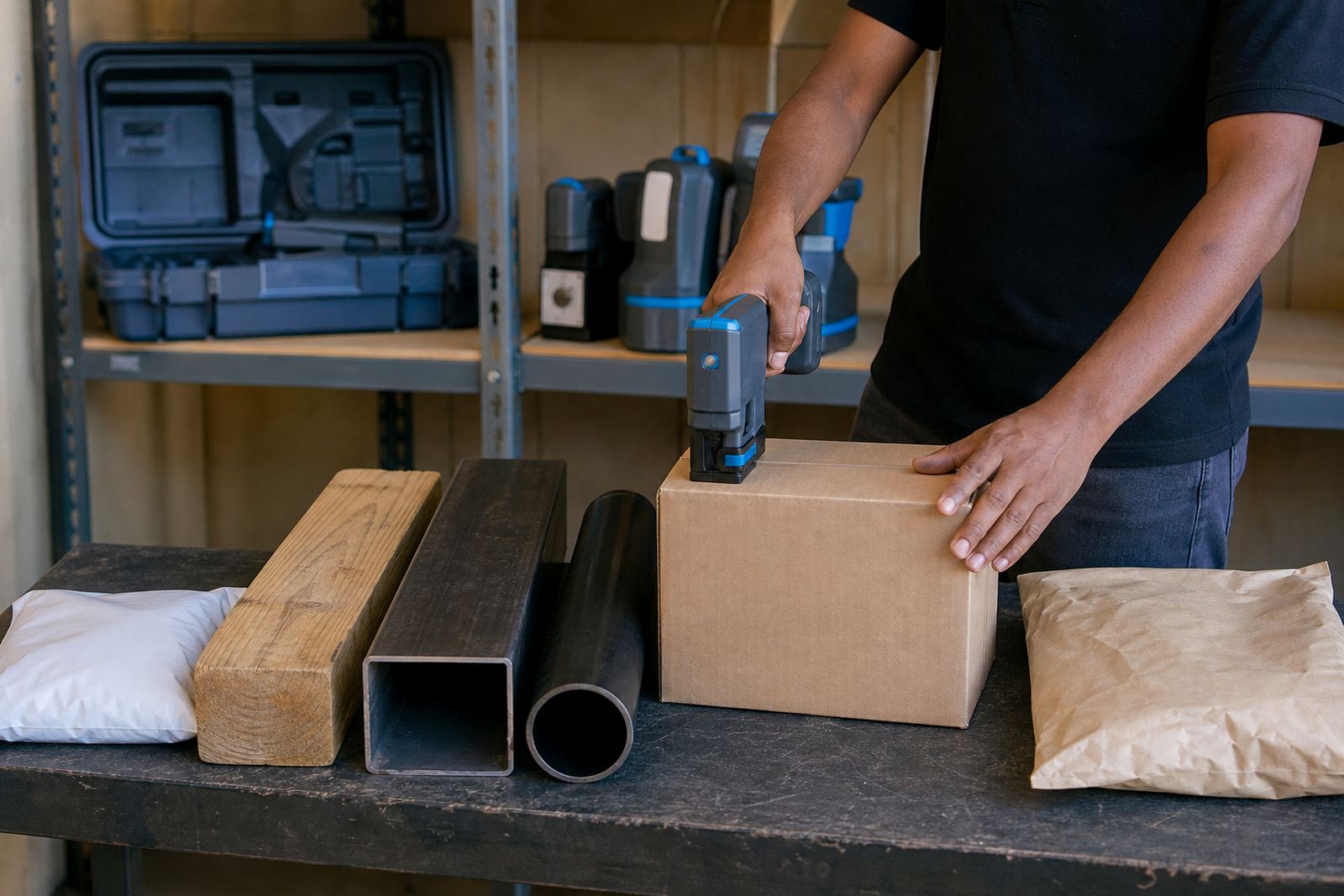
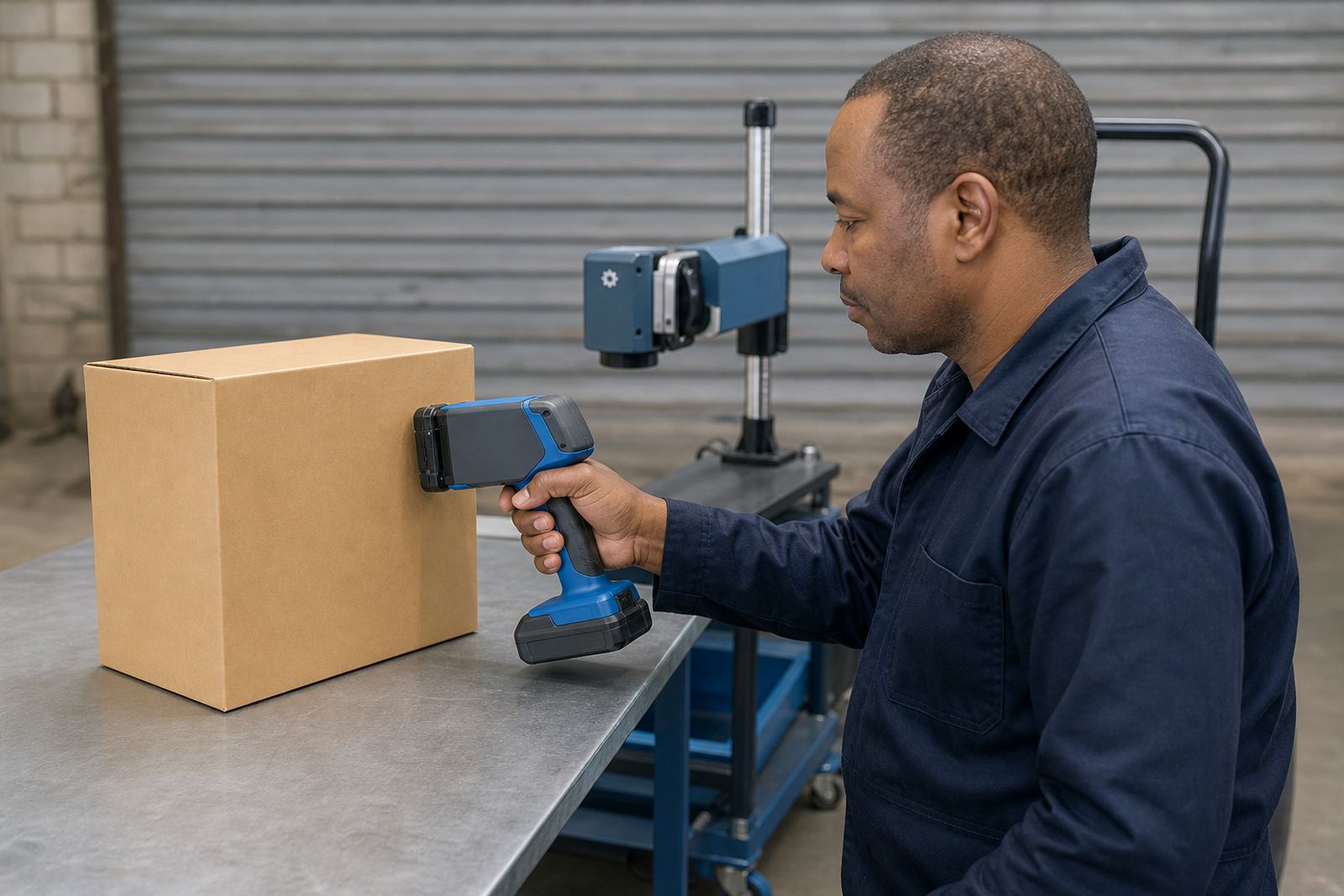
Handheld inkjet printers are useful when the marking point moves around the site or the packing table. They work well on cartons, bags, timber, pipes and steel, with print sizes set to suit the message length and the space on the surface. A short date code needs less character width than a logo or barcode, so the message should fit the product before the hire starts.
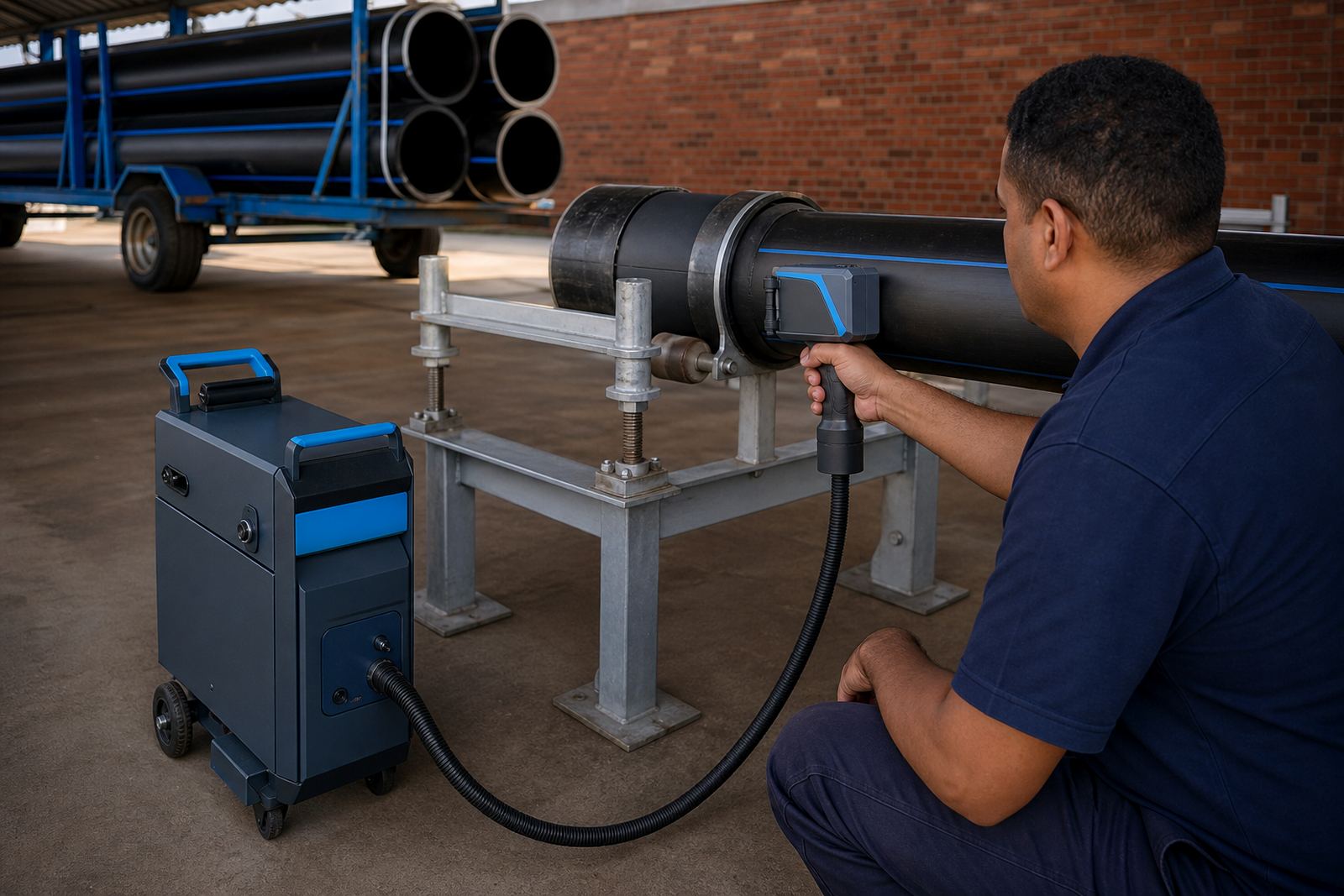
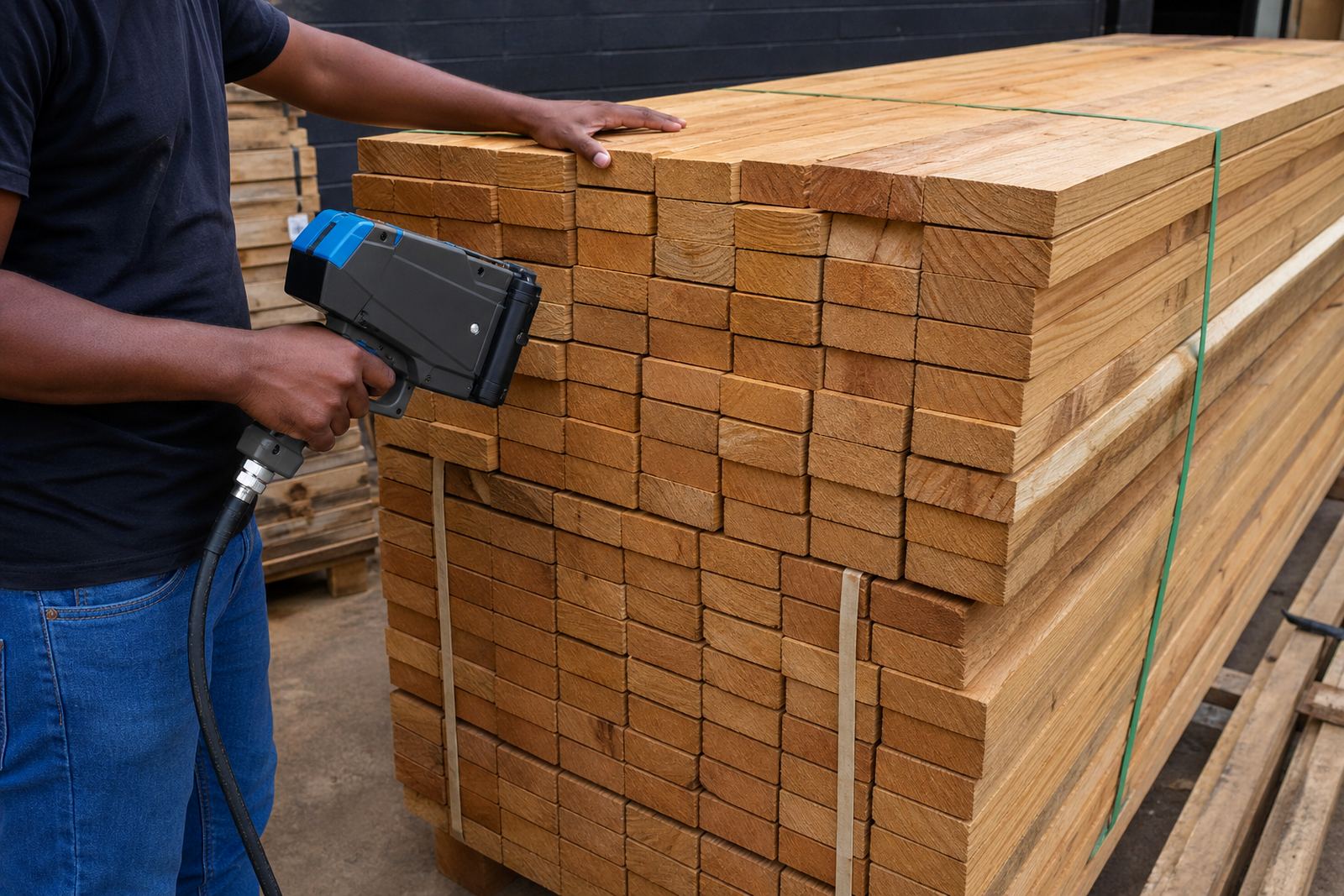
When you are comparing hire options, look at the material, the finish and the way the item moves through production. Smooth cartons take a different approach from rough timber and curved pipe sections need steadier hand control. That is where the right print head setting and ink type matter.
Print height, message length and line spacing
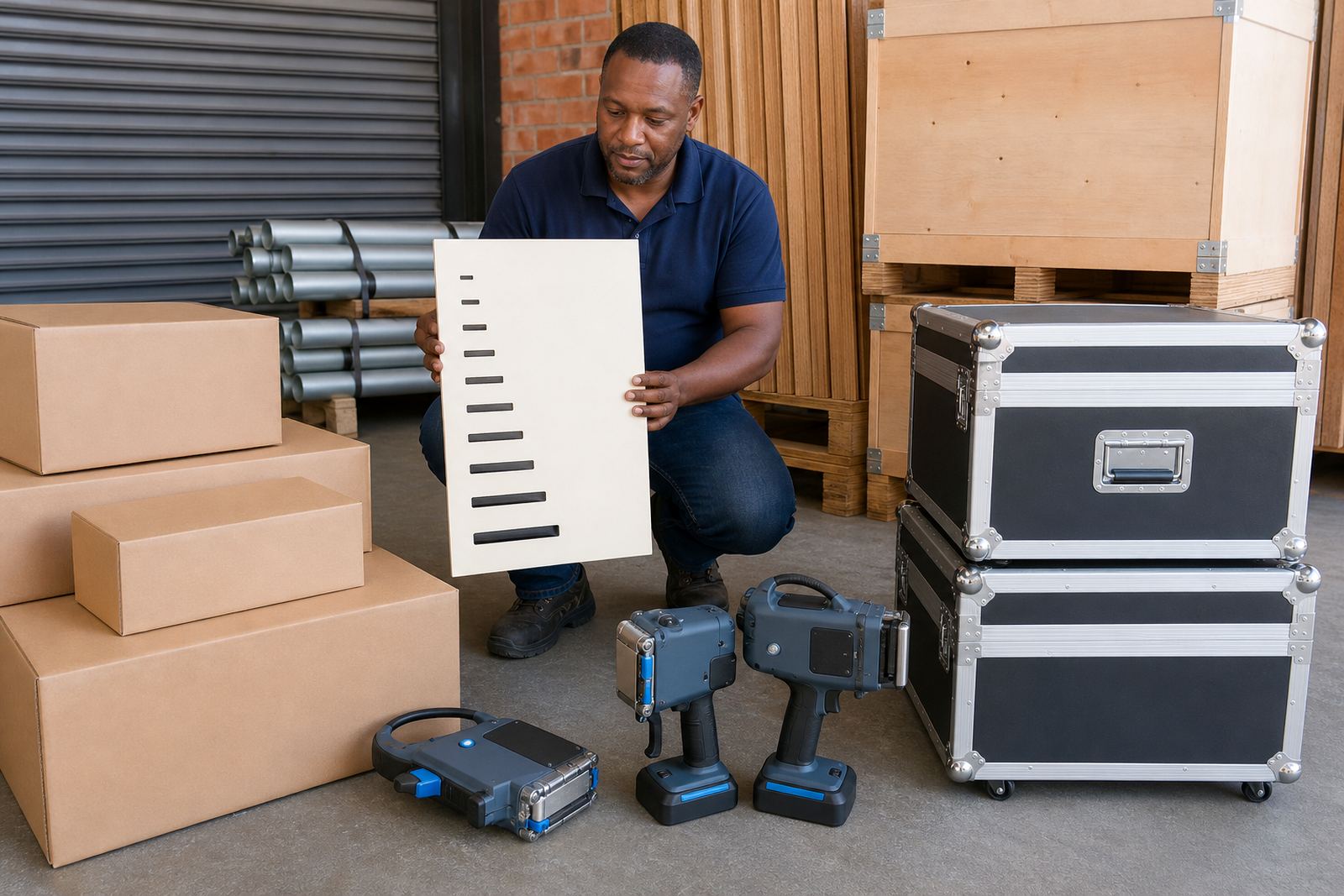
Most handheld units used for hire can print from small text through to larger coding heights, depending on the model and the message layout. Short batch numbers, use-by dates and small production codes usually need compact print settings. Larger logos and bold identification marks need more space and a cleaner pass across the surface.
- Keep the message clear before loading the unit.
- Match character height to the visible area on the pack or pipe.
- Leave enough gap between lines so the code stays readable.
- Test the spacing on a sample item before full production starts.
A barcode needs careful sizing as well, because narrow bars can blur if the hand movement is uneven. On shiny steel or coated board, the print should be checked under the same light used on site.
Ink choice for cartons, steel and timber
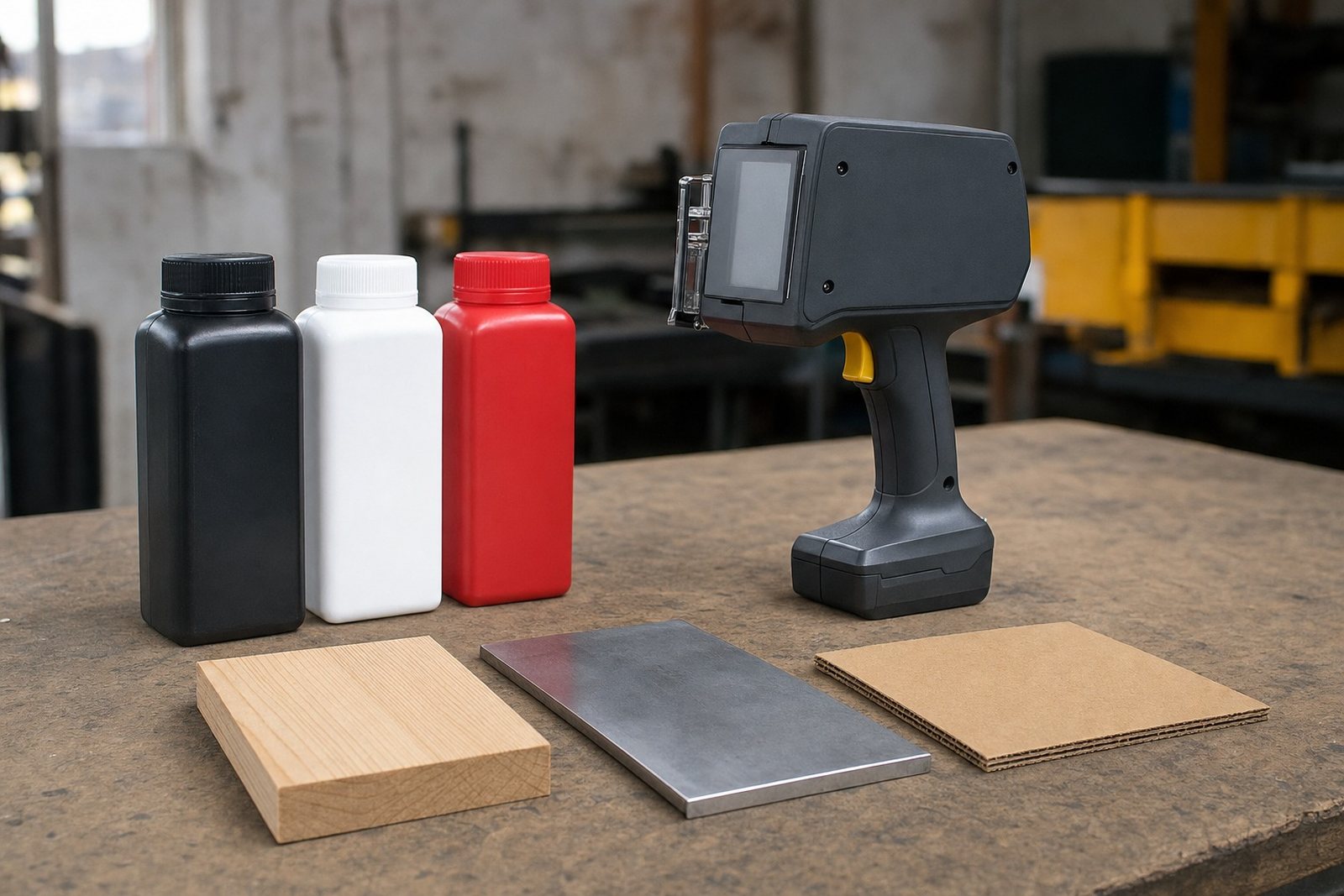
Ink selection affects dry time, adhesion and how the mark holds up in handling. Quick-dry ink is often used on fast-moving packing lines or on surfaces that are touched soon after marking. Water-based ink can suit porous material where the surface takes the ink in more readily. Solvent ink is often chosen where the surface is less absorbent or where better hold is needed on mixed materials.
Coastal humidity around Durban and Richards Bay can slow drying on some surfaces, so the ink and surface need to be matched properly. Timber with an open grain behaves differently from coated cartons, and steel needs a cleaner, more controlled application.
- Porous surfaces usually accept ink differently from coated ones.
- Shiny or dense surfaces may need a solvent based option.
- Drying time should be checked before stacking or packing.
- Barcode clarity depends on ink spread and steady movement.
Hire terms that suit short runs and ongoing work
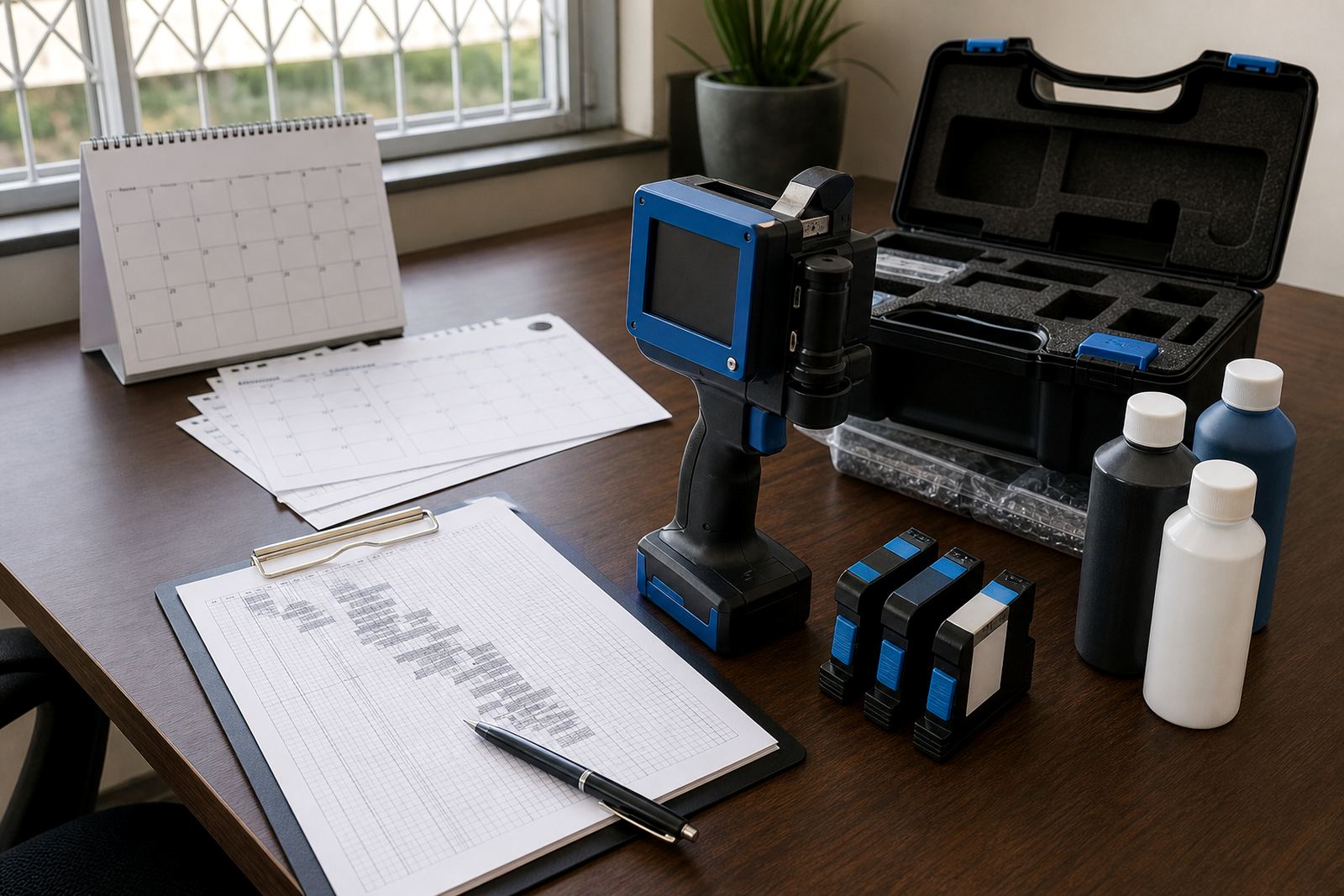
Week-to-week or monthly terms suit different types of marking work. A short run can call for a weekly arrangement when the job is tied to a single batch, a trial order or a seasonal packing period. Longer production work often benefits from a monthly hire so the unit stays on site for repeated coding, relabelling and shift handovers.
Delivery and collection can be arranged for sites in Pinetown, Durban, Pietermaritzburg, Johannesburg, Cape Town and Richards Bay. The unit can also be set up on site, with message loading, test printing and operator training included where needed.
Setup checks that save rework
Most printing issues start with small setup errors rather than the machine itself. A code placed too close to a seam, a logo loaded at the wrong size or an ink choice that does not suit the surface can all affect the result. Remote setup help can support the first stage, while on-site setup is useful when the team needs hands-on guidance at the packing line.
- Confirm the mark position on a sample carton, pipe or timber length.
- Check the surface for dust, oil or loose fibres.
- Load the text, batch number or logo at the right size.
- Run a test print and inspect edge clarity.
- Keep spare consumables ready for repeat runs.
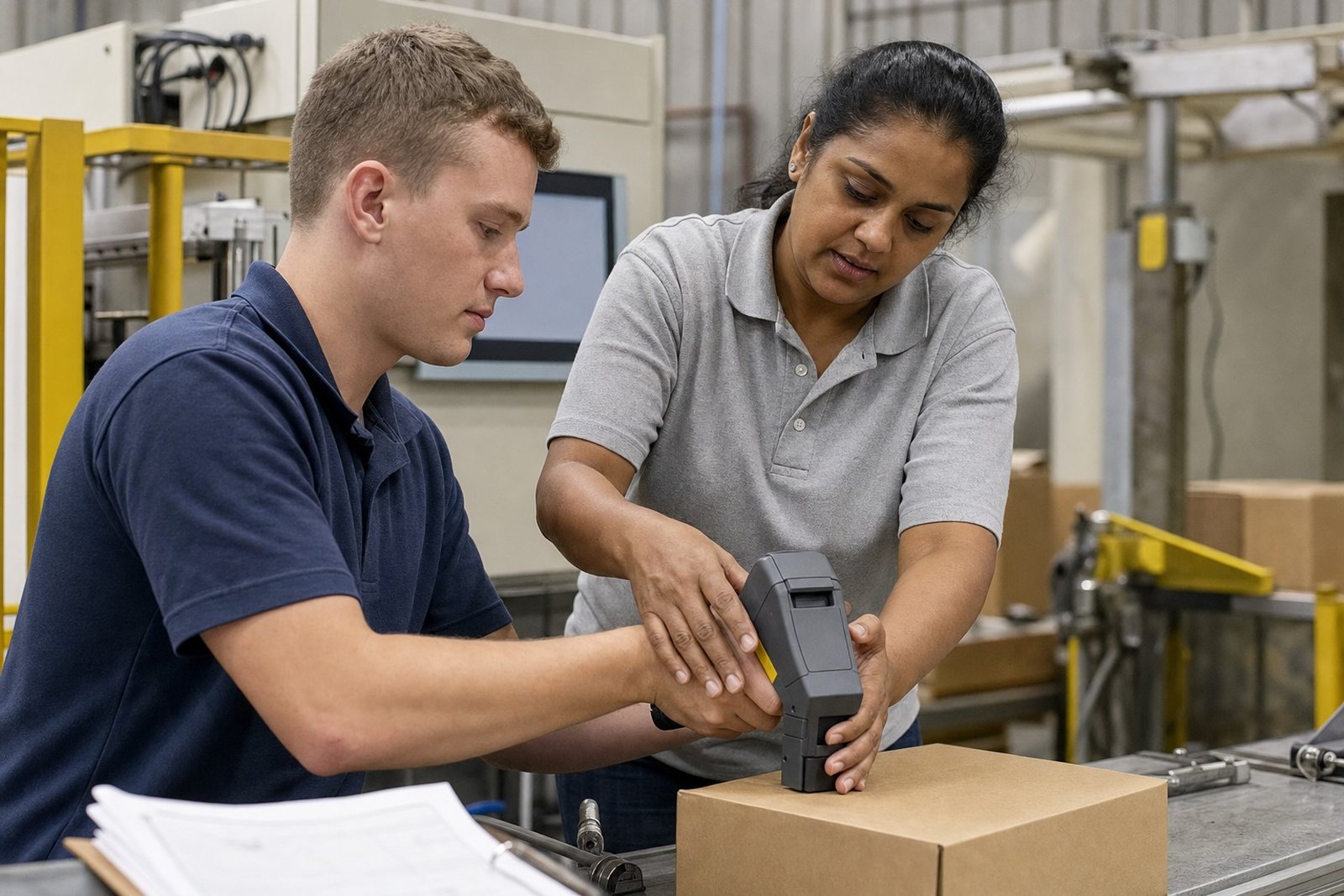
Training technicians can show operators how to move the unit at a steady pace and how to keep the print aligned across each item.
Materials, barcodes, inks and test prints
Handheld inkjet coders behave differently on each material. Barcode clarity depends on bar width, contrast and surface, and some inks simply hold better on certain finishes. Message loading, test prints and a steady consumables supply matter just as much day to day.
Narrow the hire choice before a job starts, whether the work is date coding on cartons in Pinetown or logo marking on timber for a site in Cape Town.