


Ink choice for the surface in front of you
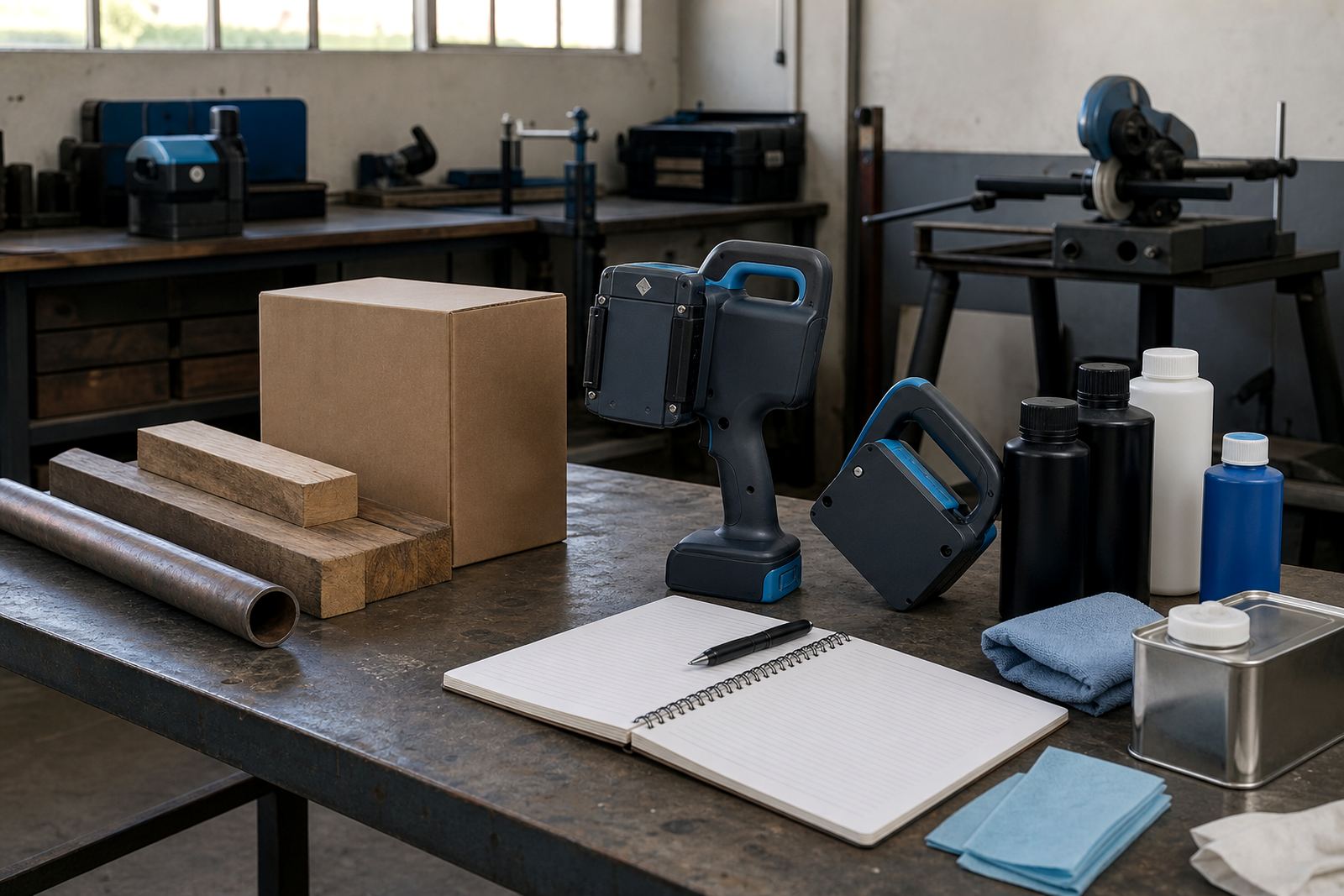
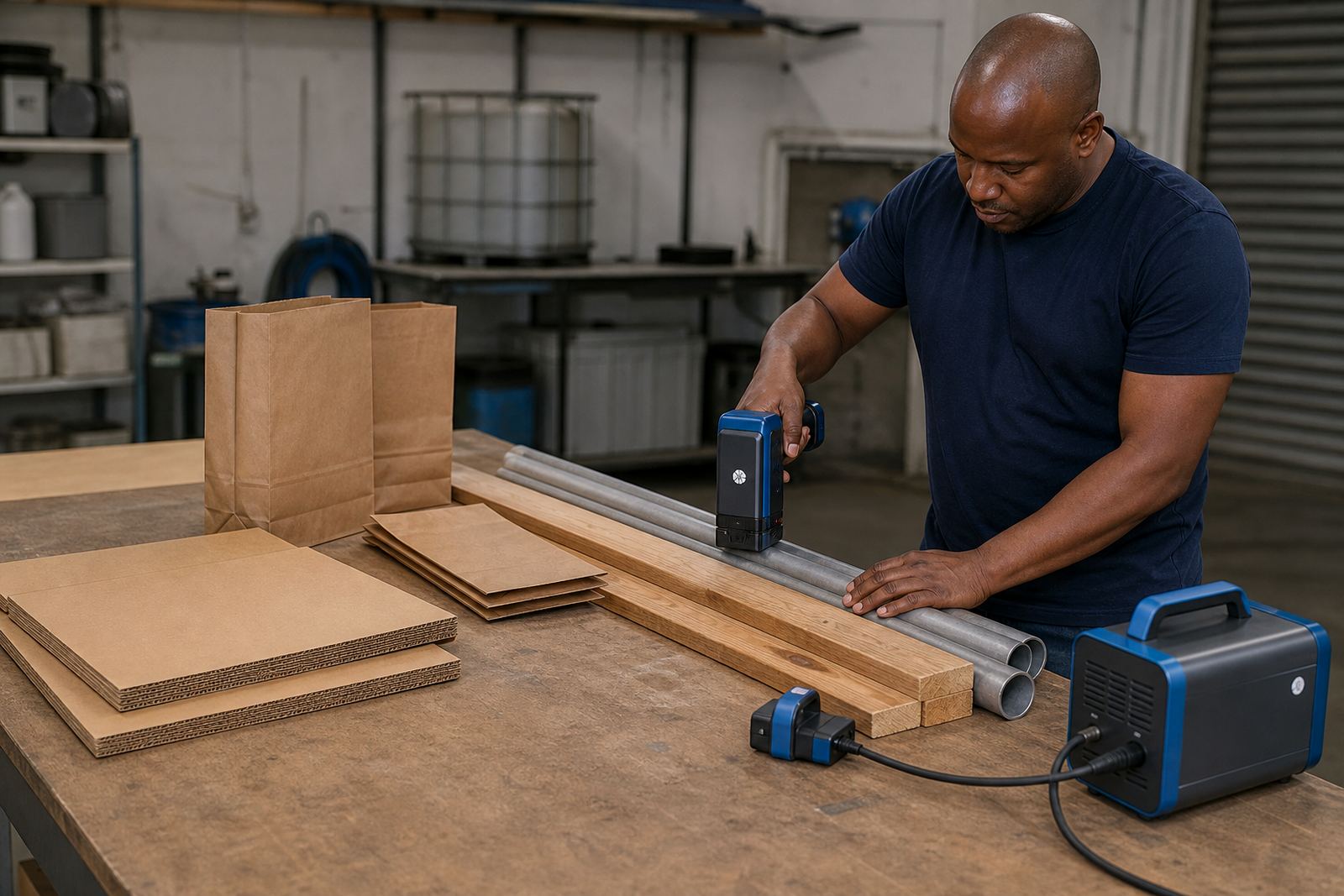
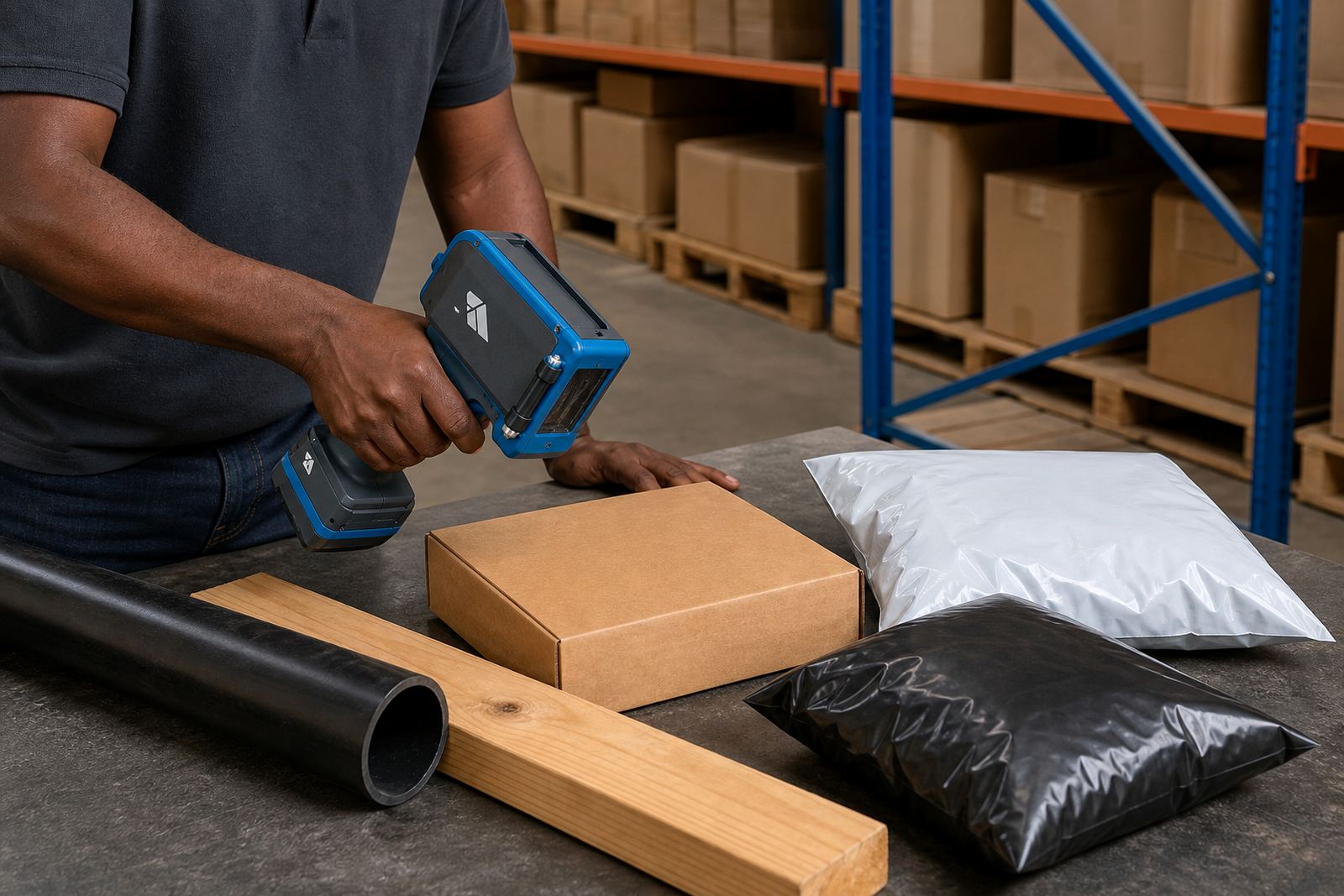
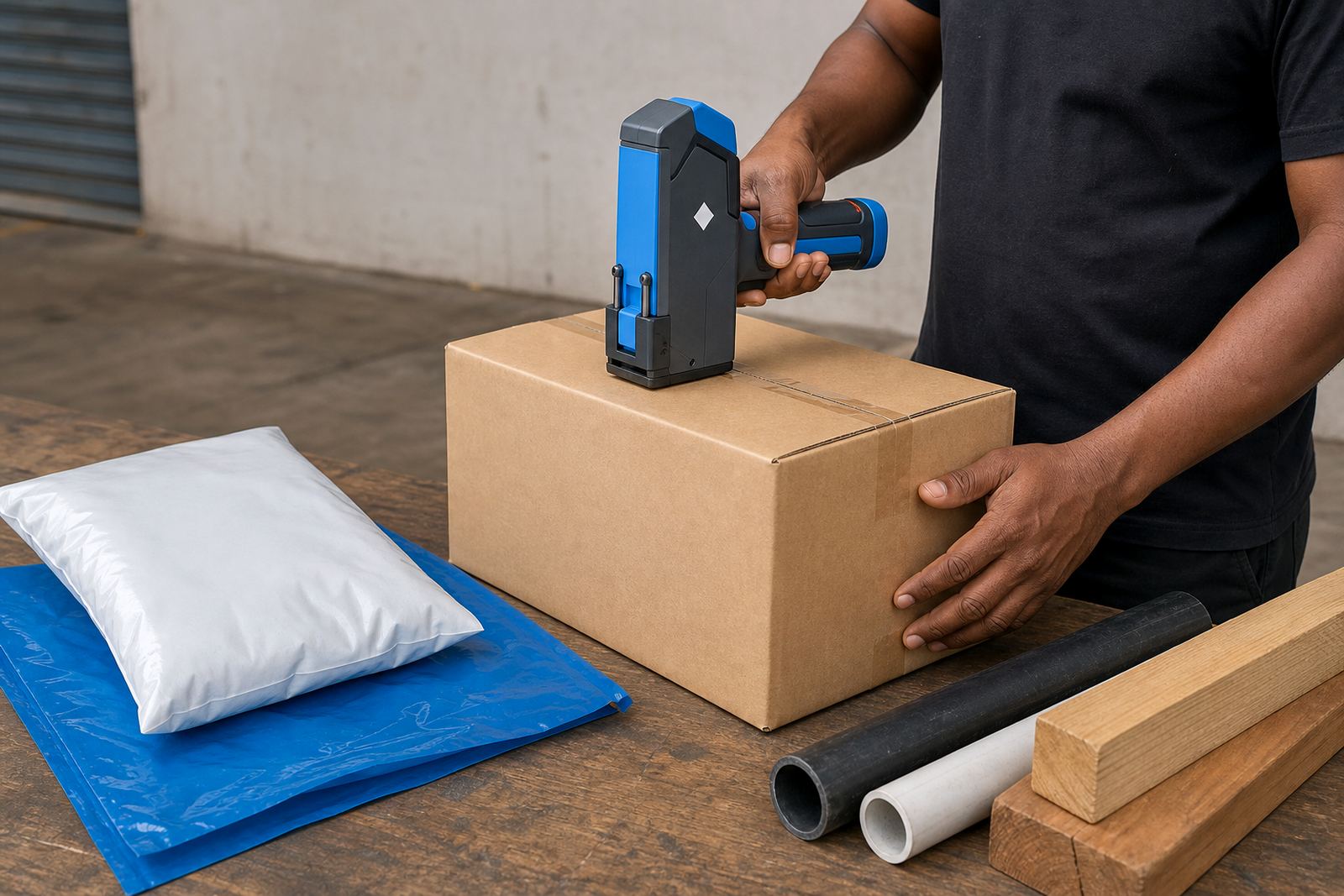
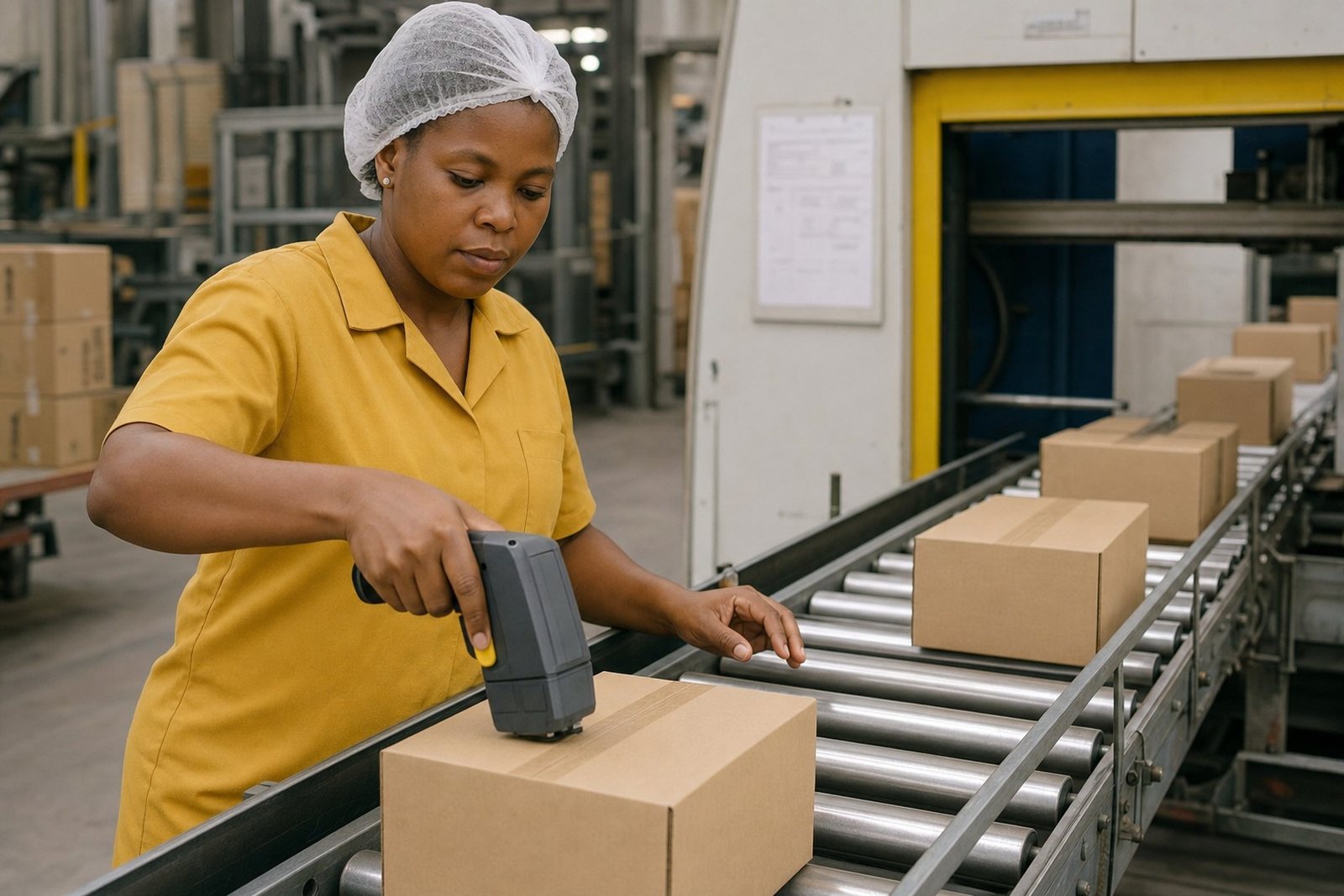
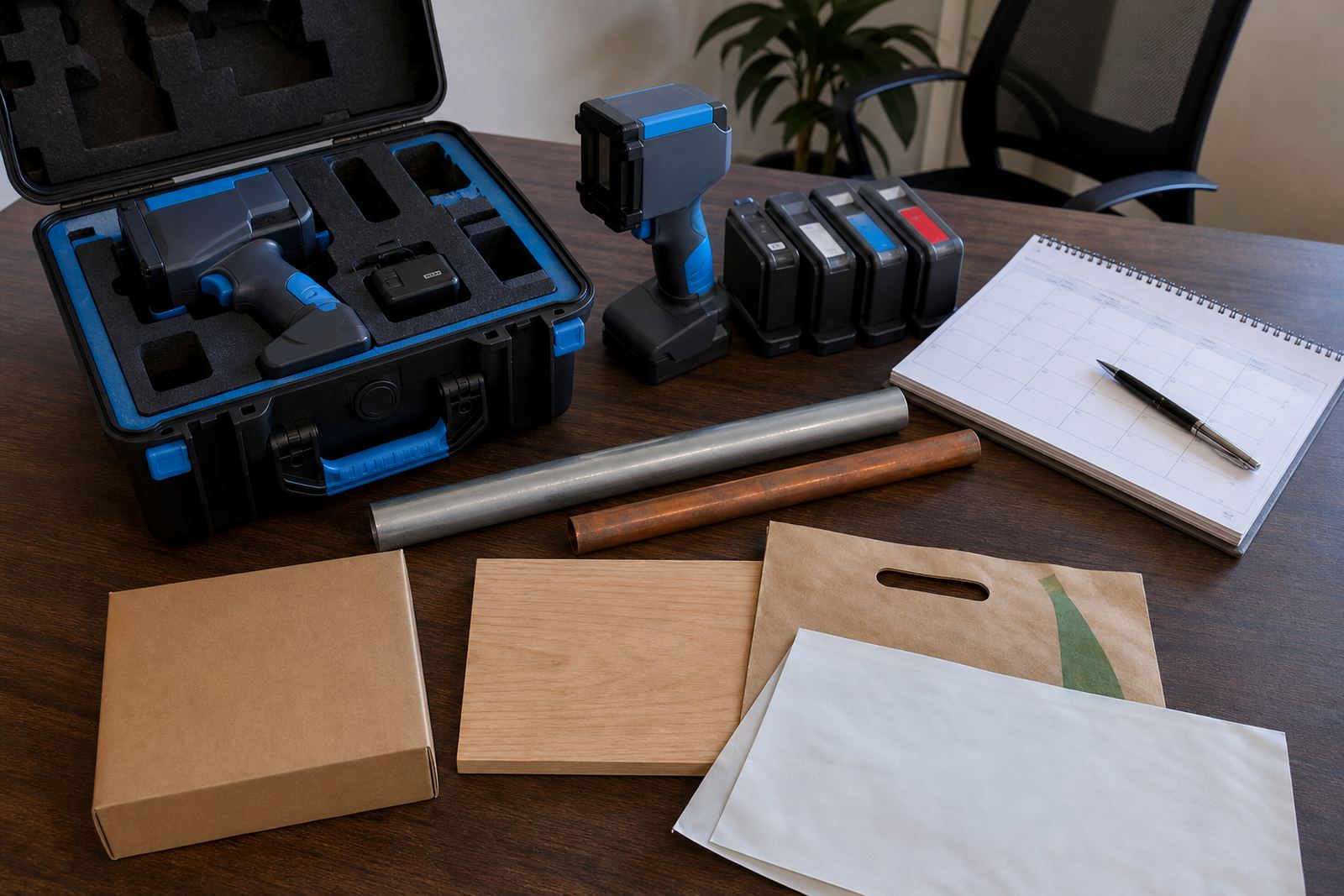
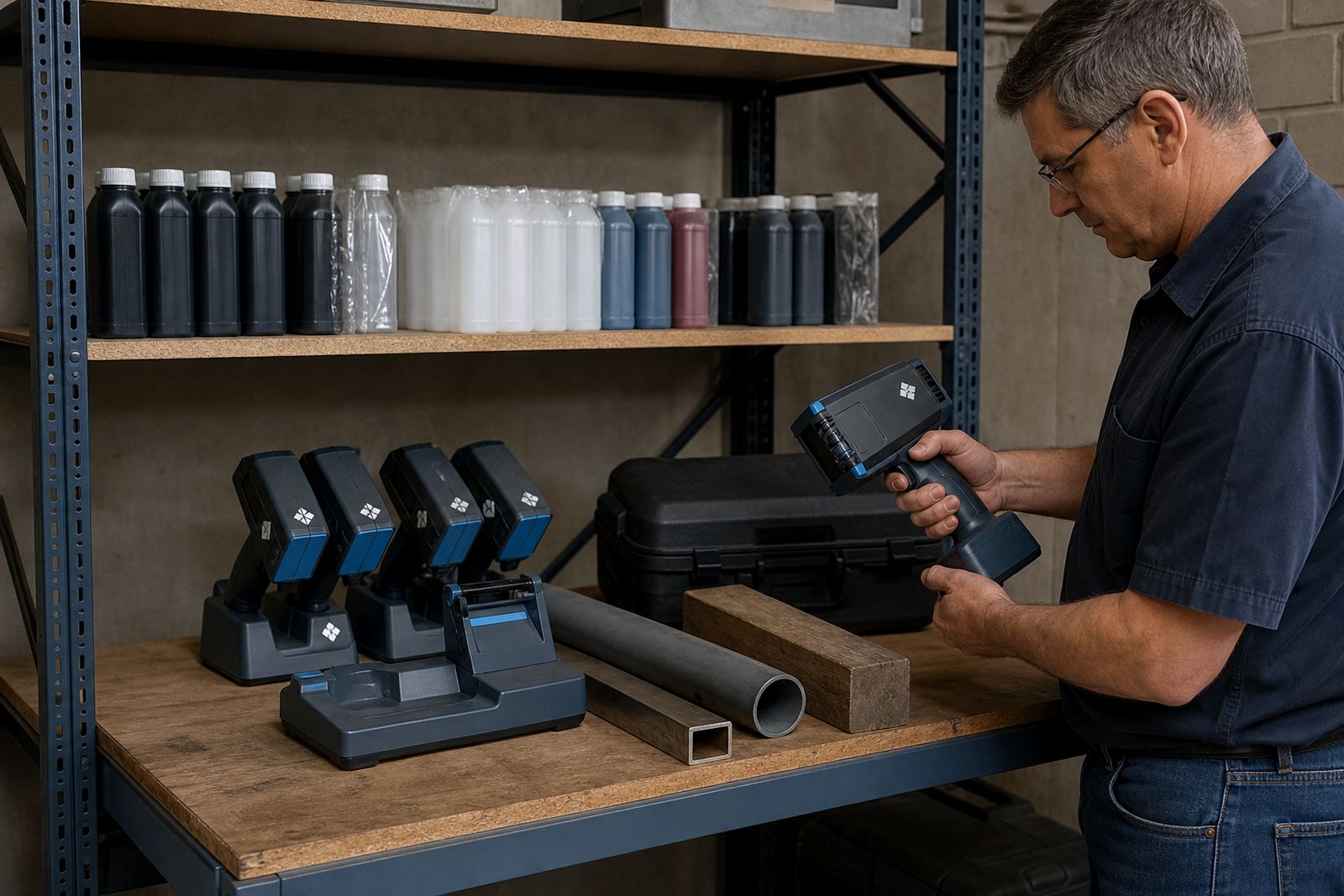
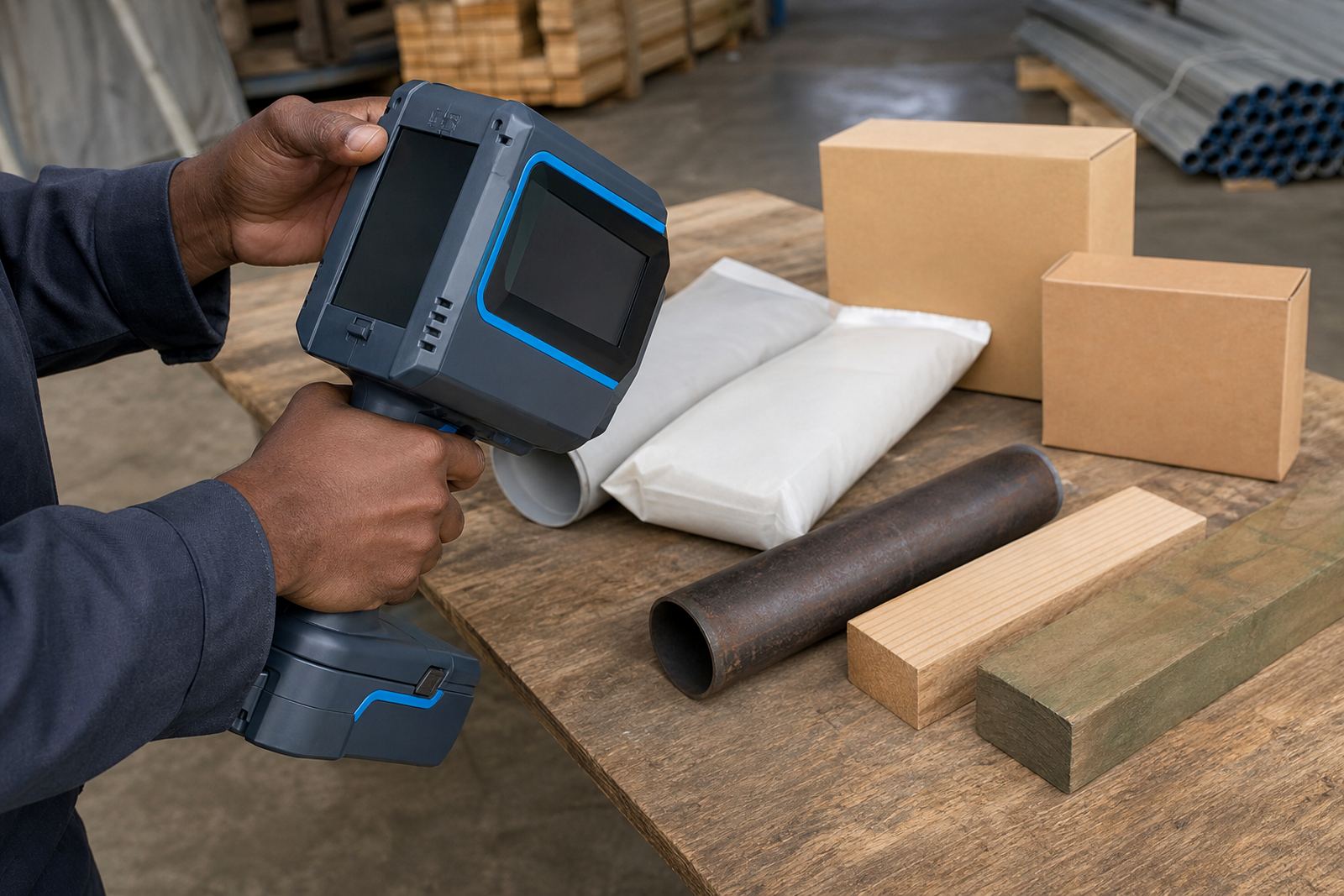
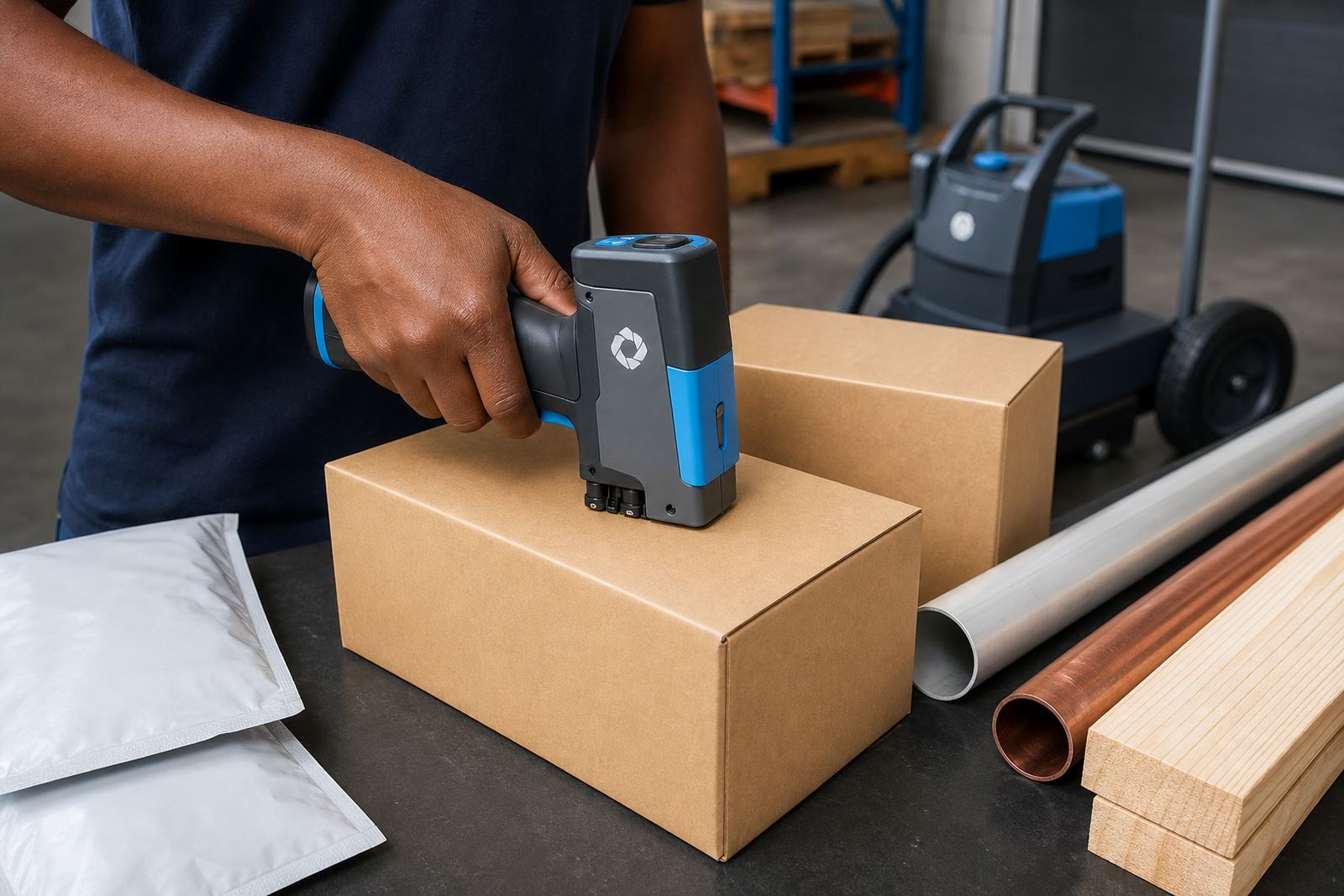
Ink selection starts with the material and the conditions around it. Cartons, timber, steel, pipes and woven bags do not all hold ink the same way, so the right match matters for drying time, smudge resistance and how clean the code looks after handling.
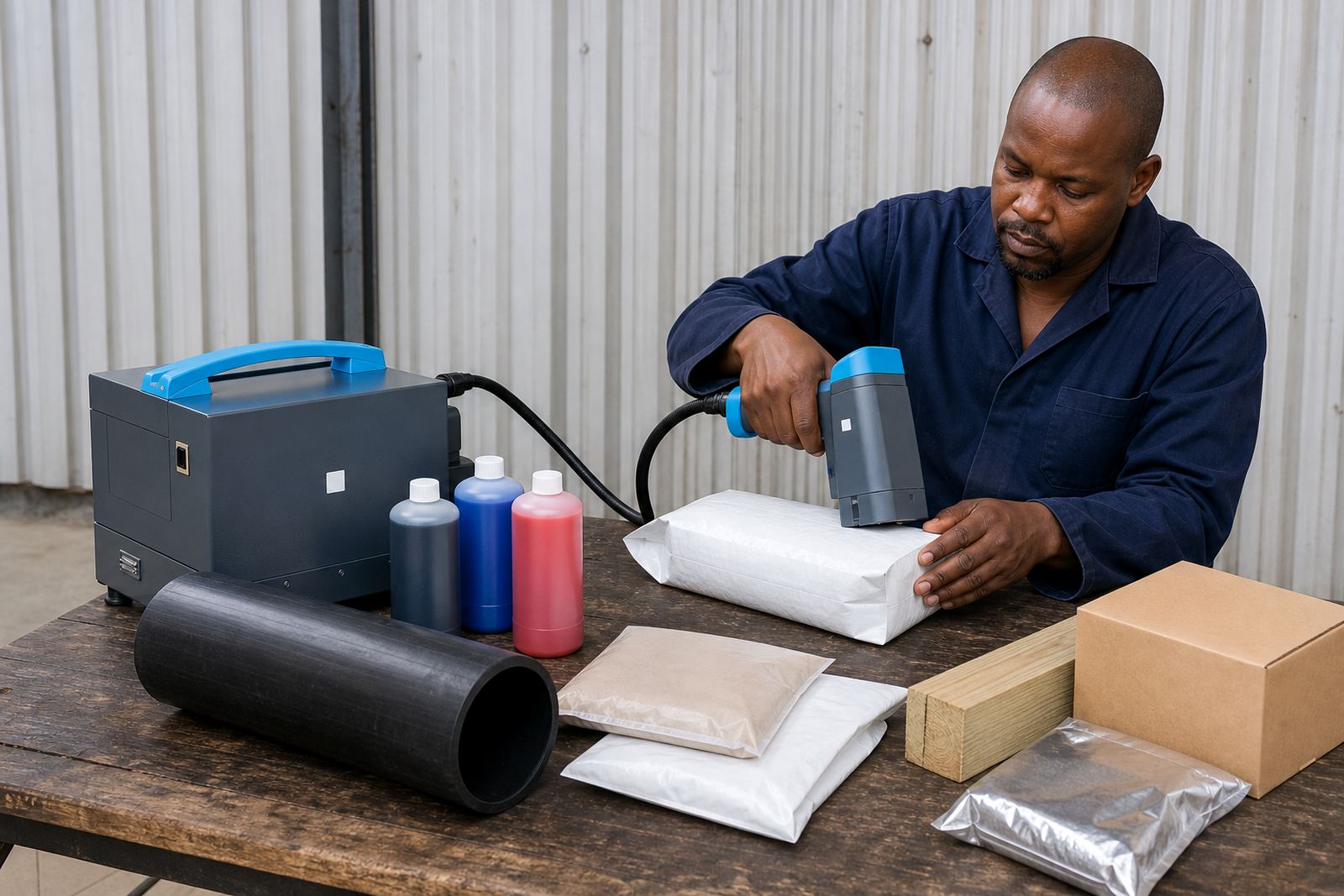
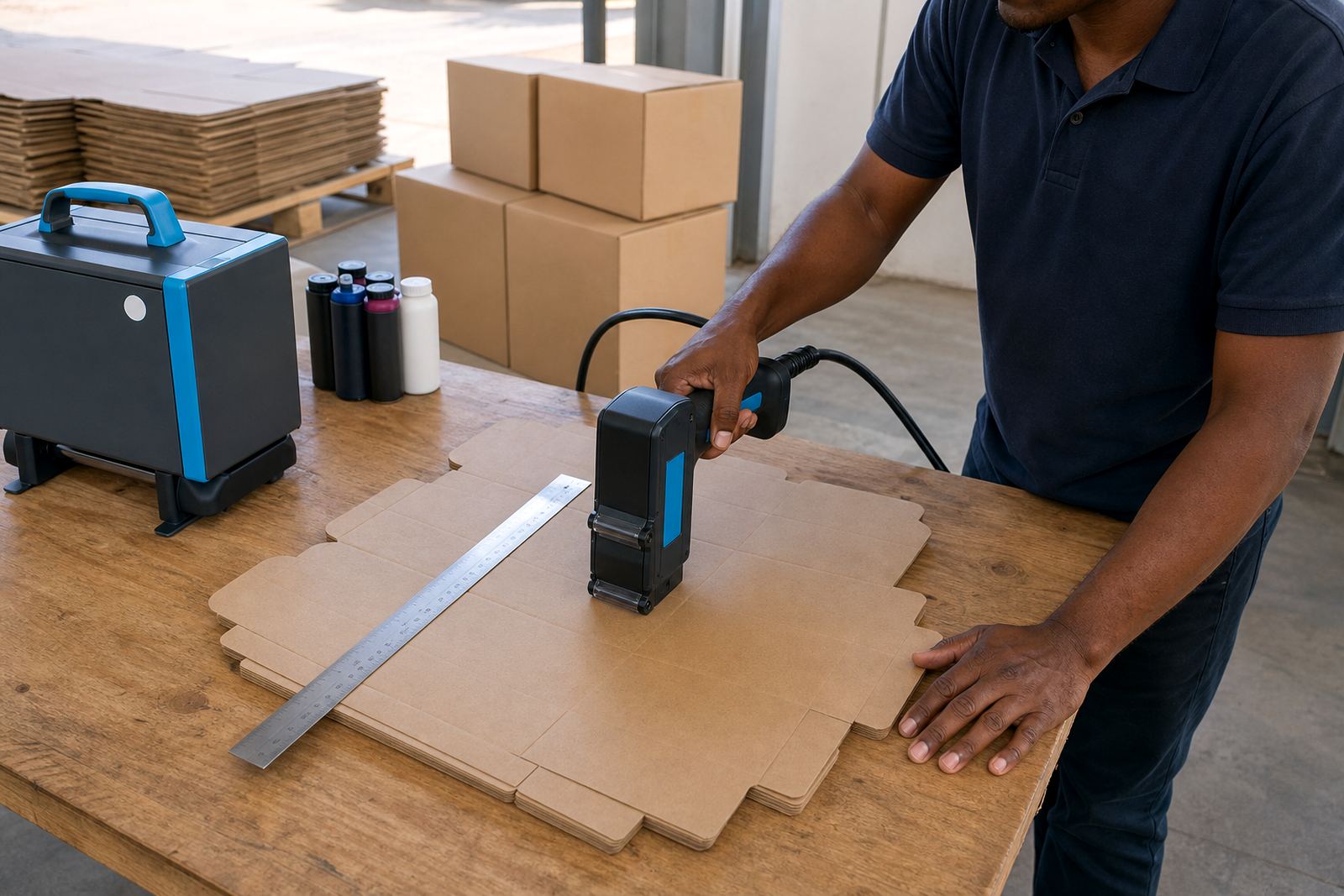
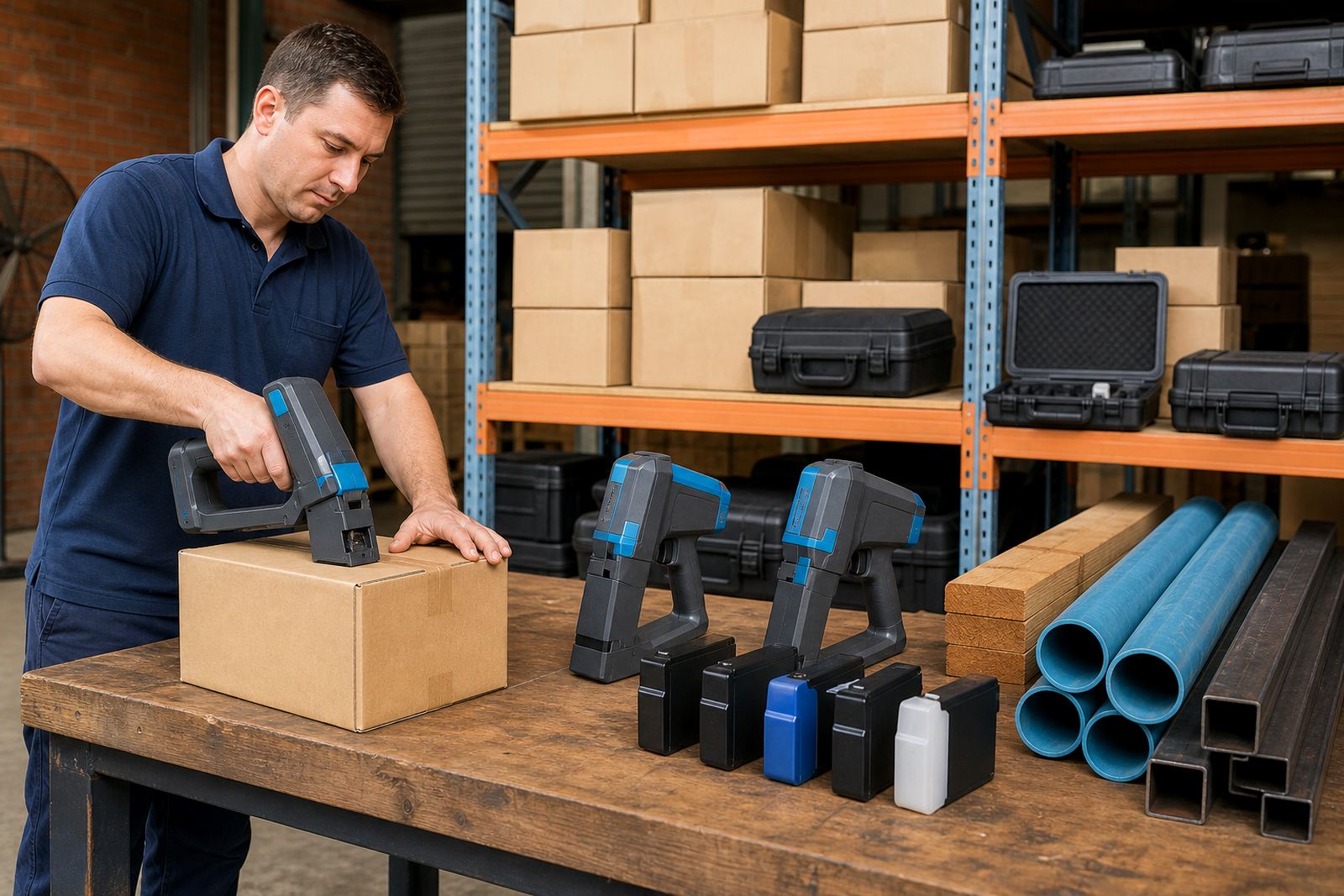
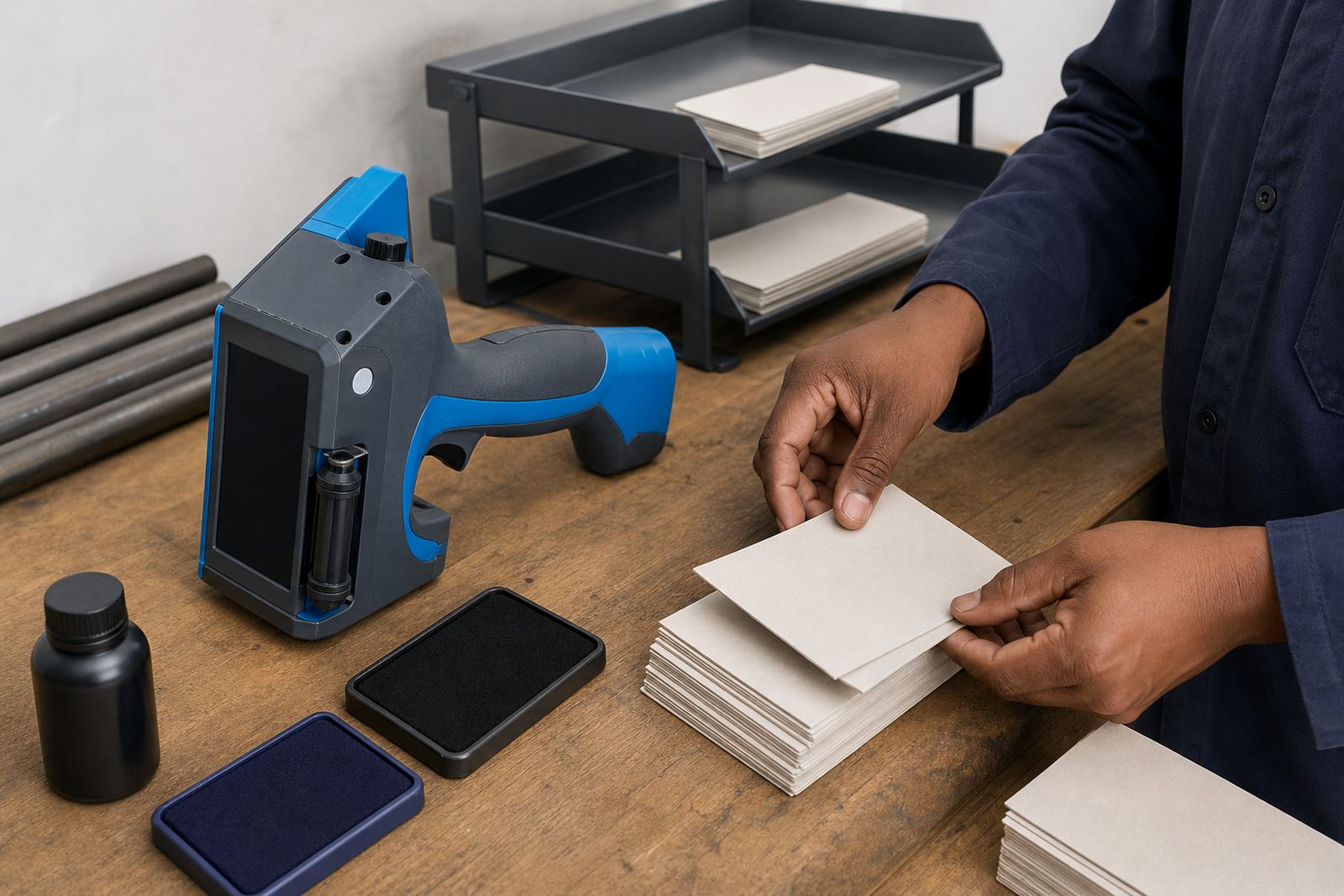
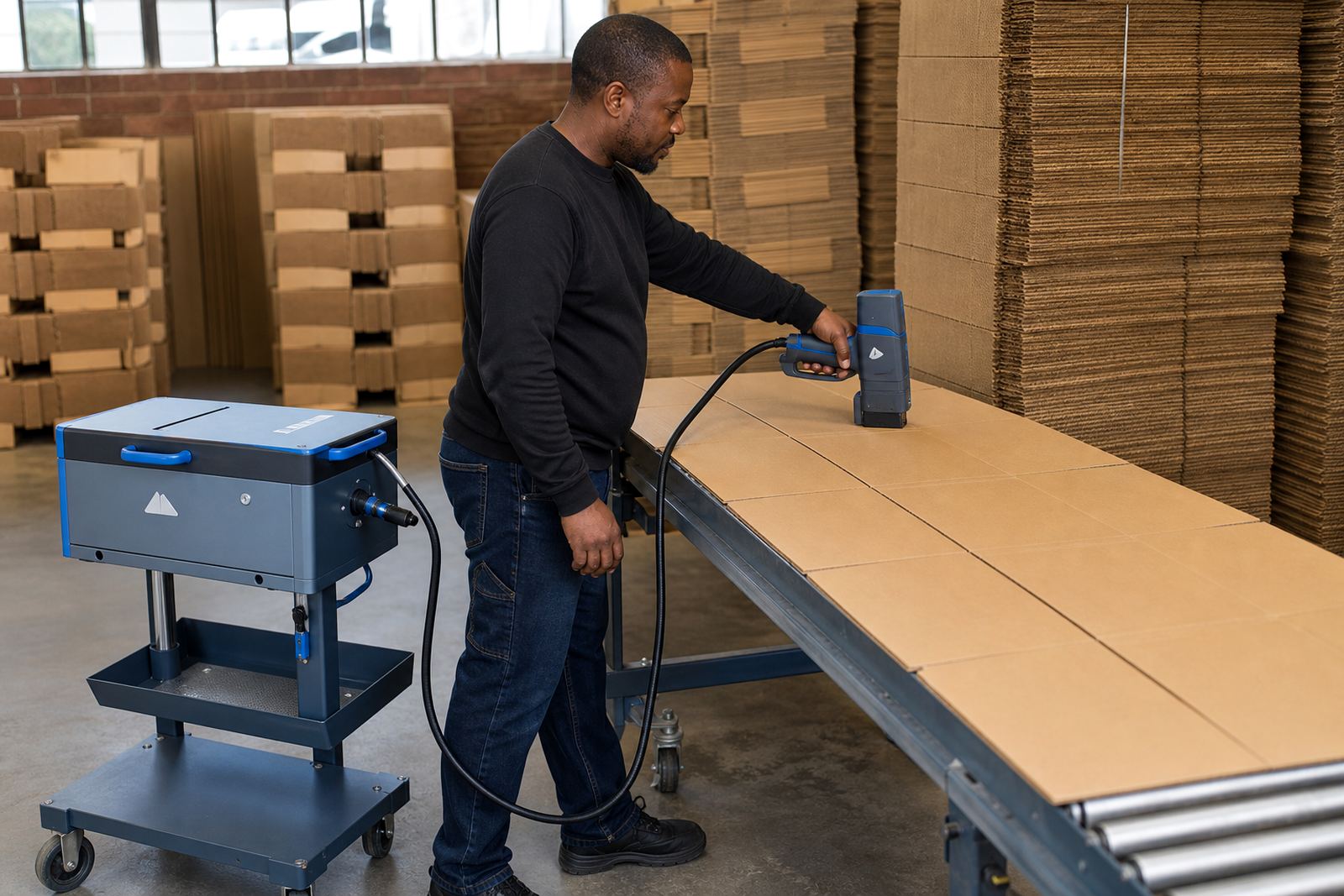
Solvent inks are often used where the surface is less absorbent or where quicker drying helps. Water-based inks can suit more porous materials, while quick-dry options are useful when cartons are moving down a line or being stacked soon after printing. Coastal humidity around Durban and Richards Bay can also affect the feel of a fresh code, so the surface and the drying window both matter.
Print height, message size and readable marks
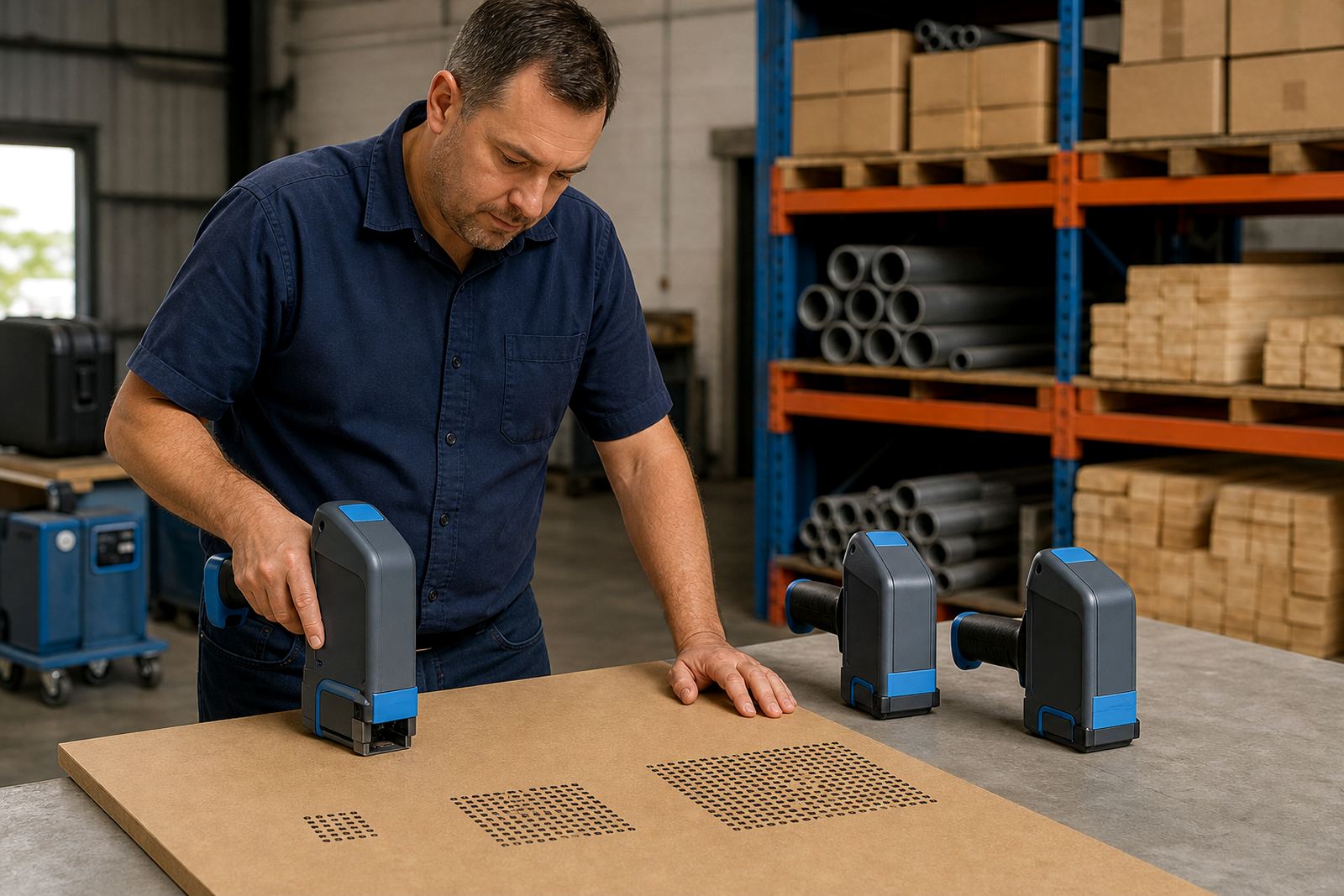
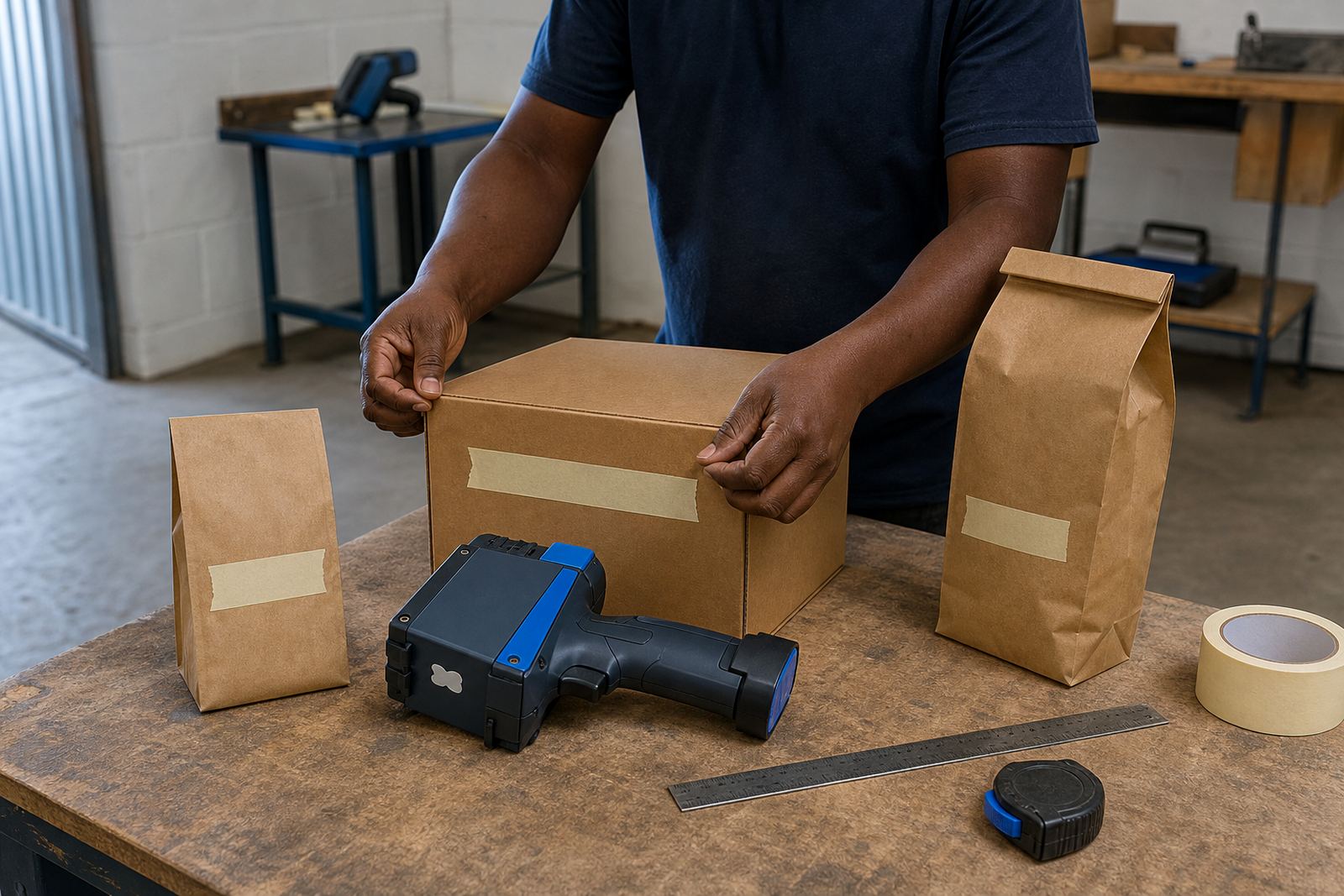
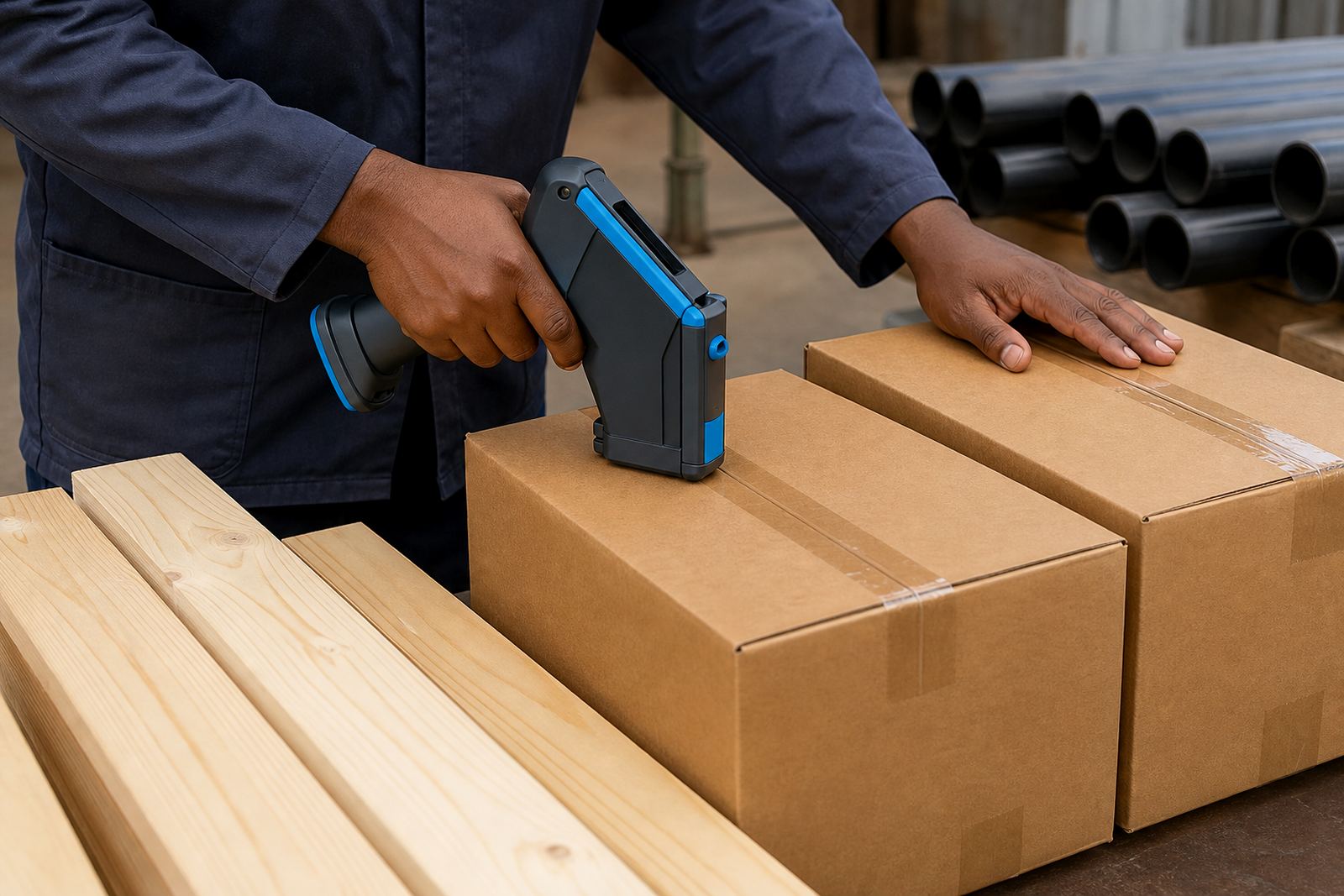
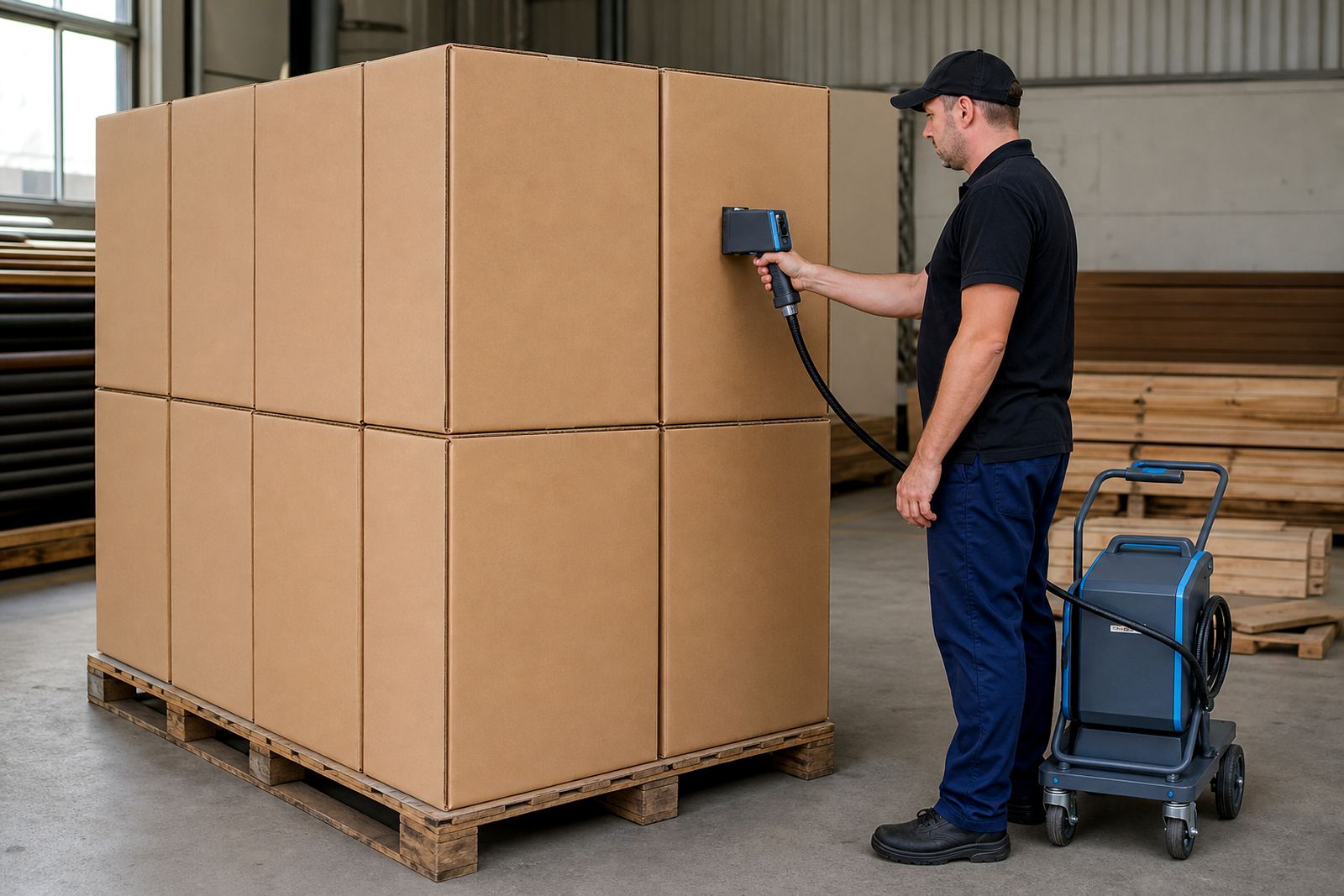
Handheld coders usually print a set range of text heights, and the job should be matched to that range before the message is loaded. Small batch codes can sit neatly on narrow carton flaps, while larger characters may suit timber, pipes or outer packs where the mark must be read from a short distance.
- Use smaller text where space is tight or the surface is uneven.
- Use larger characters for product names, dates and handling notes.
- Keep barcodes sized for the scanner and the available print area.
- Allow room around logos so the mark does not crowd the edge.
Surfaces that print well, and the ones that need care
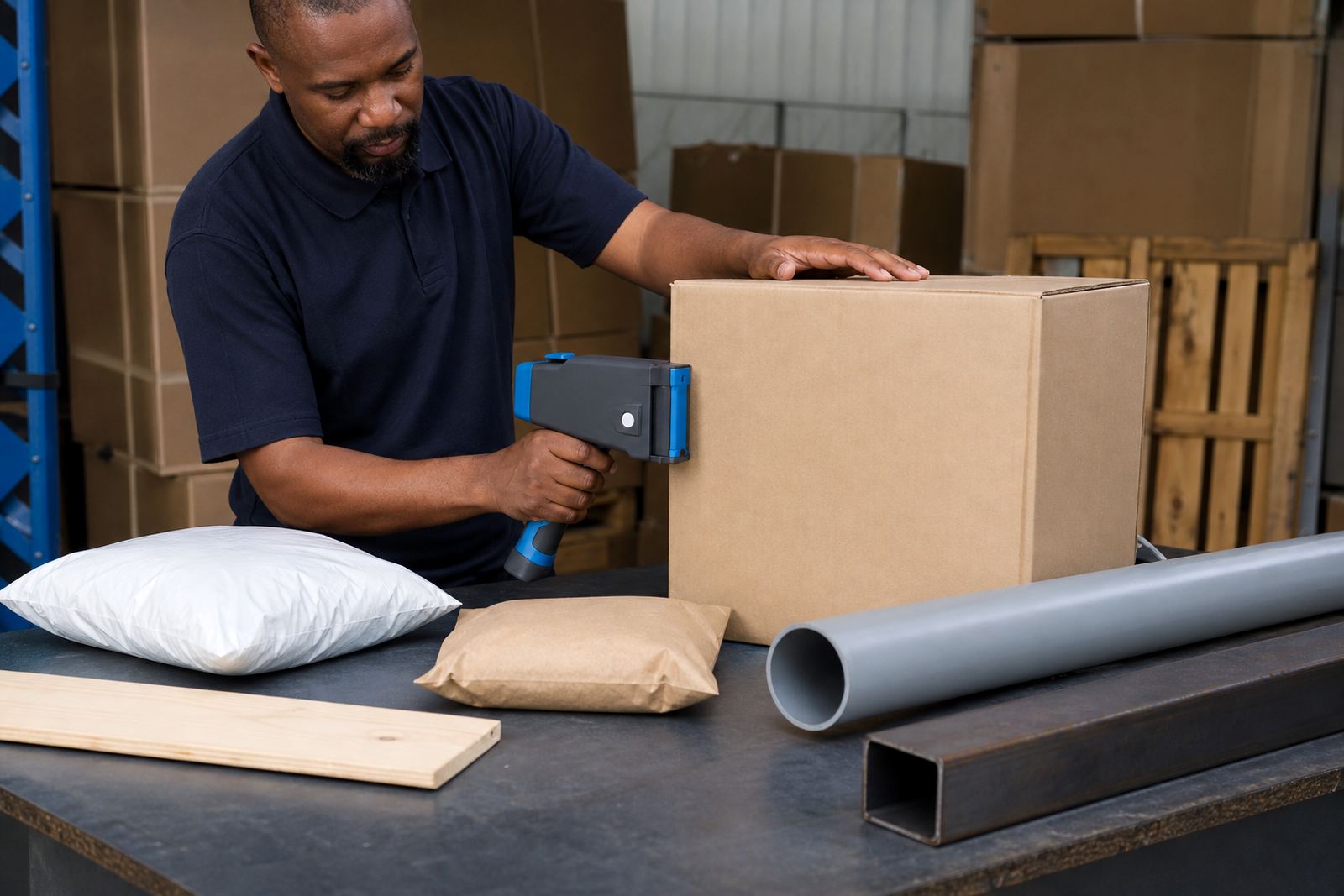
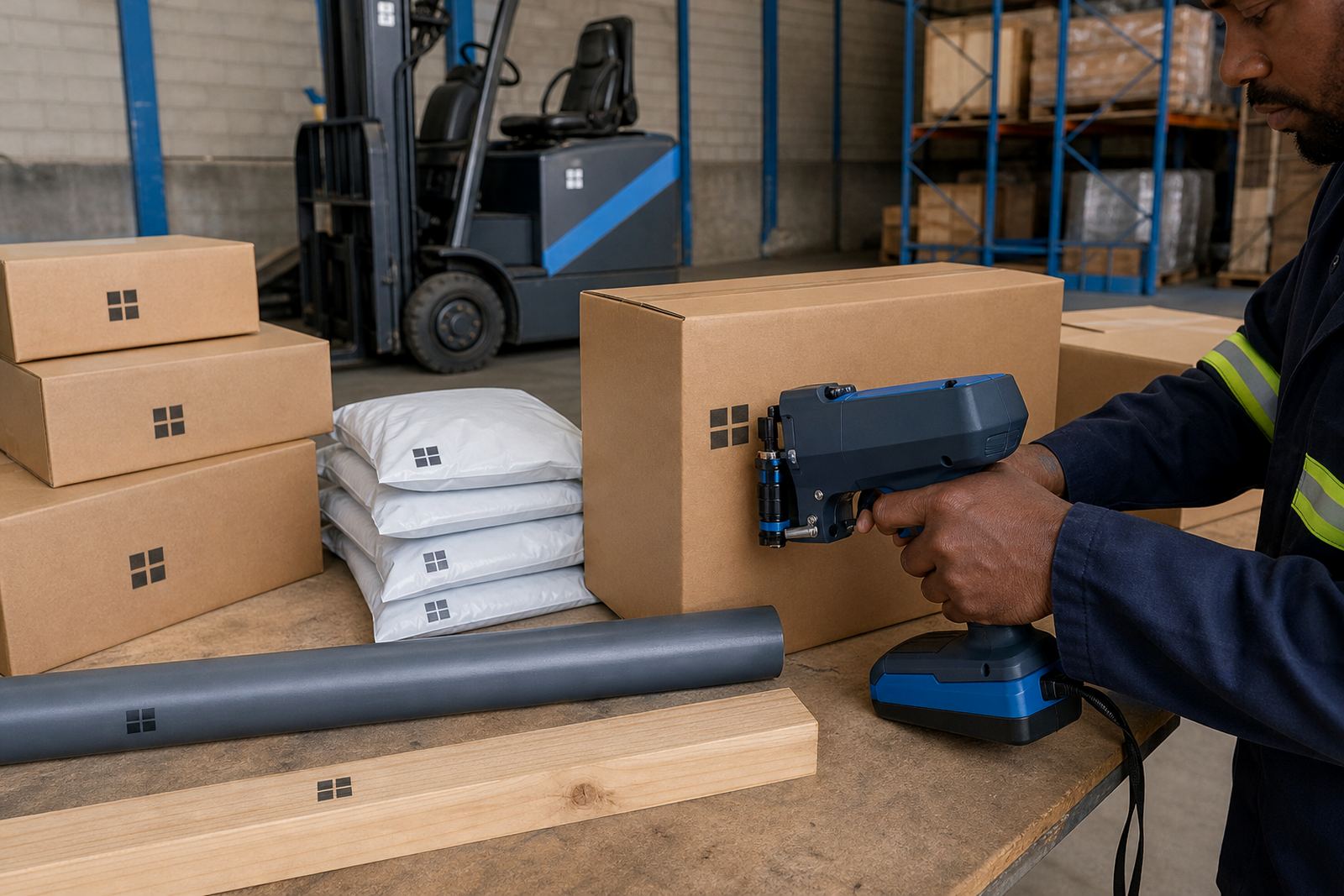
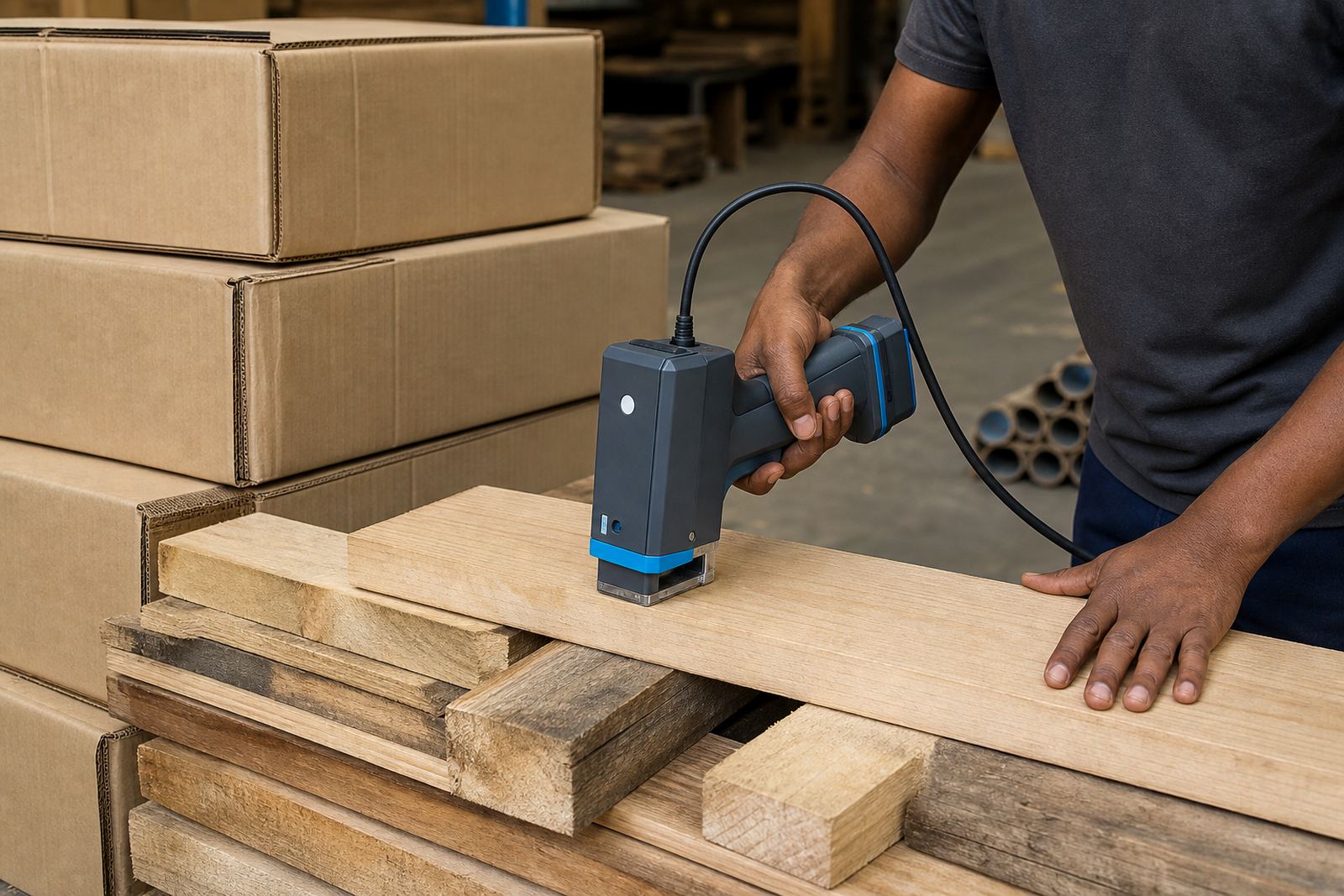
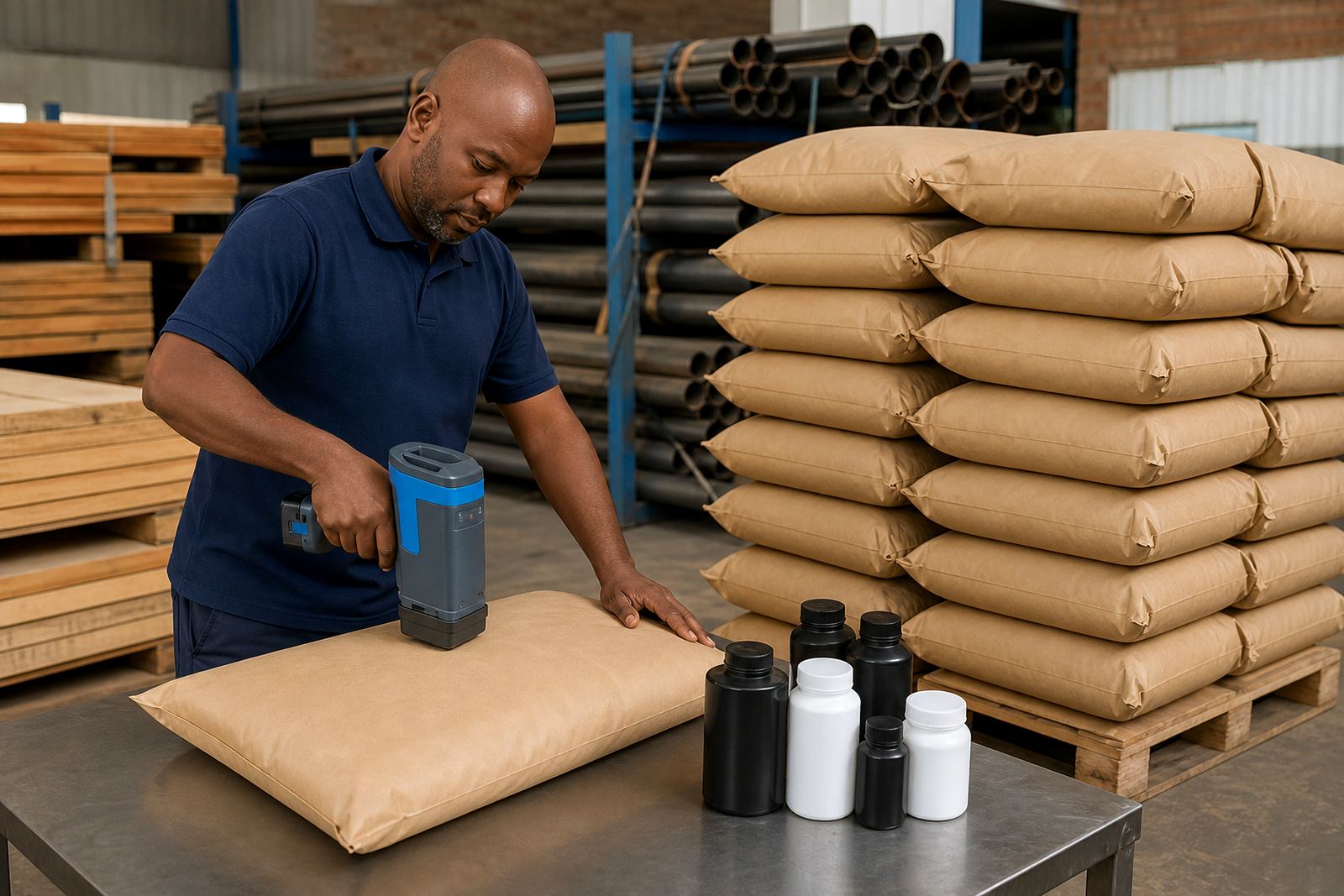
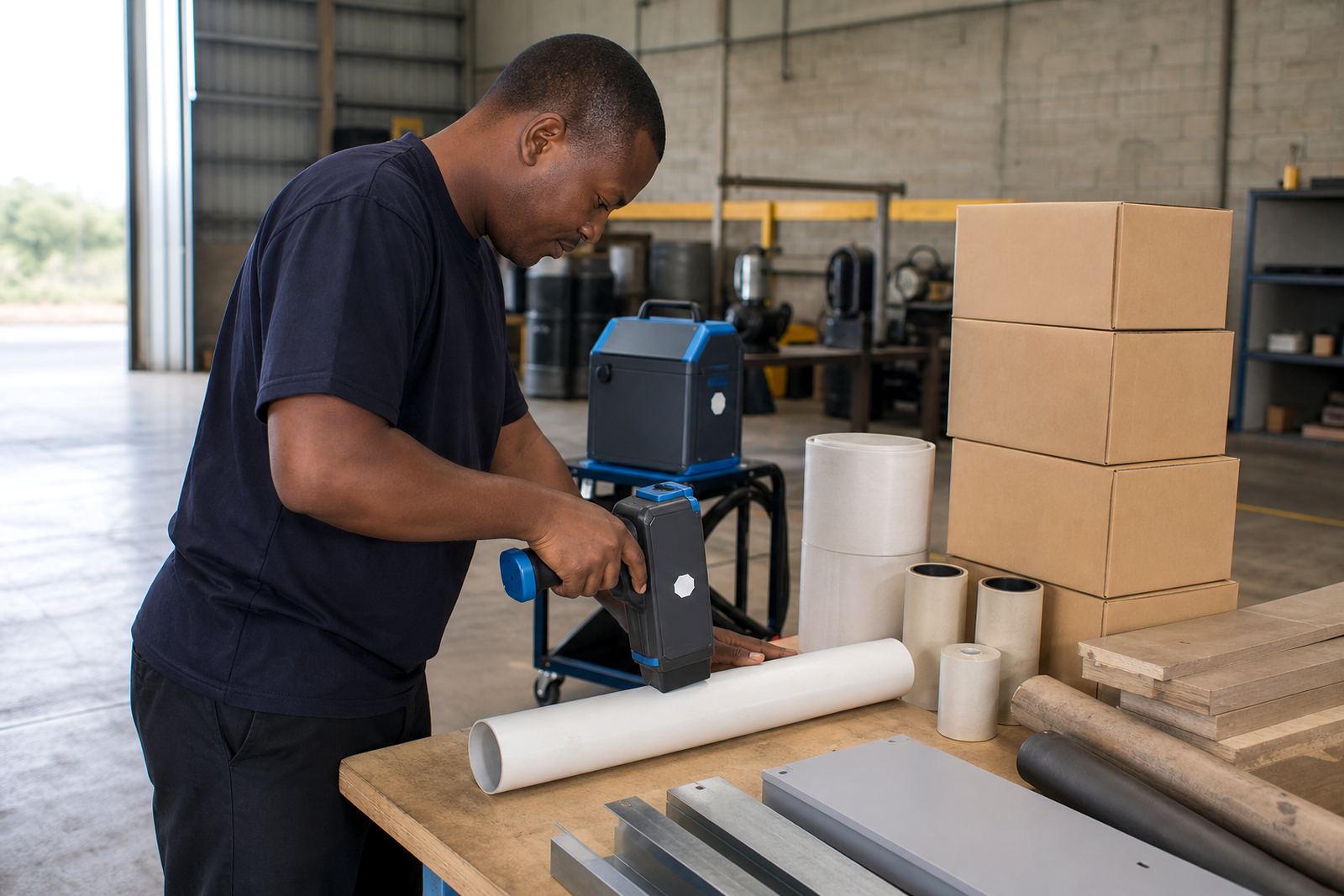
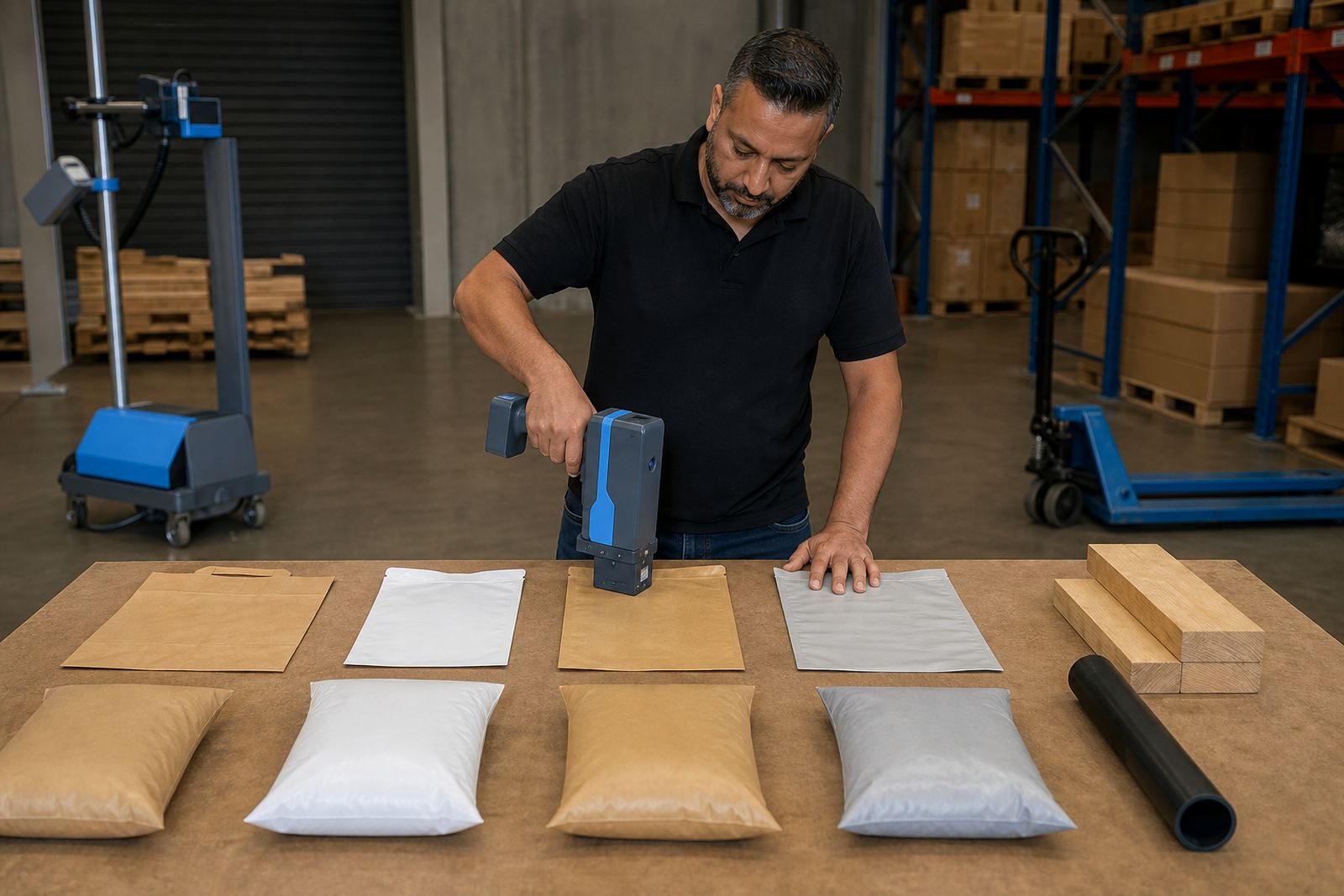
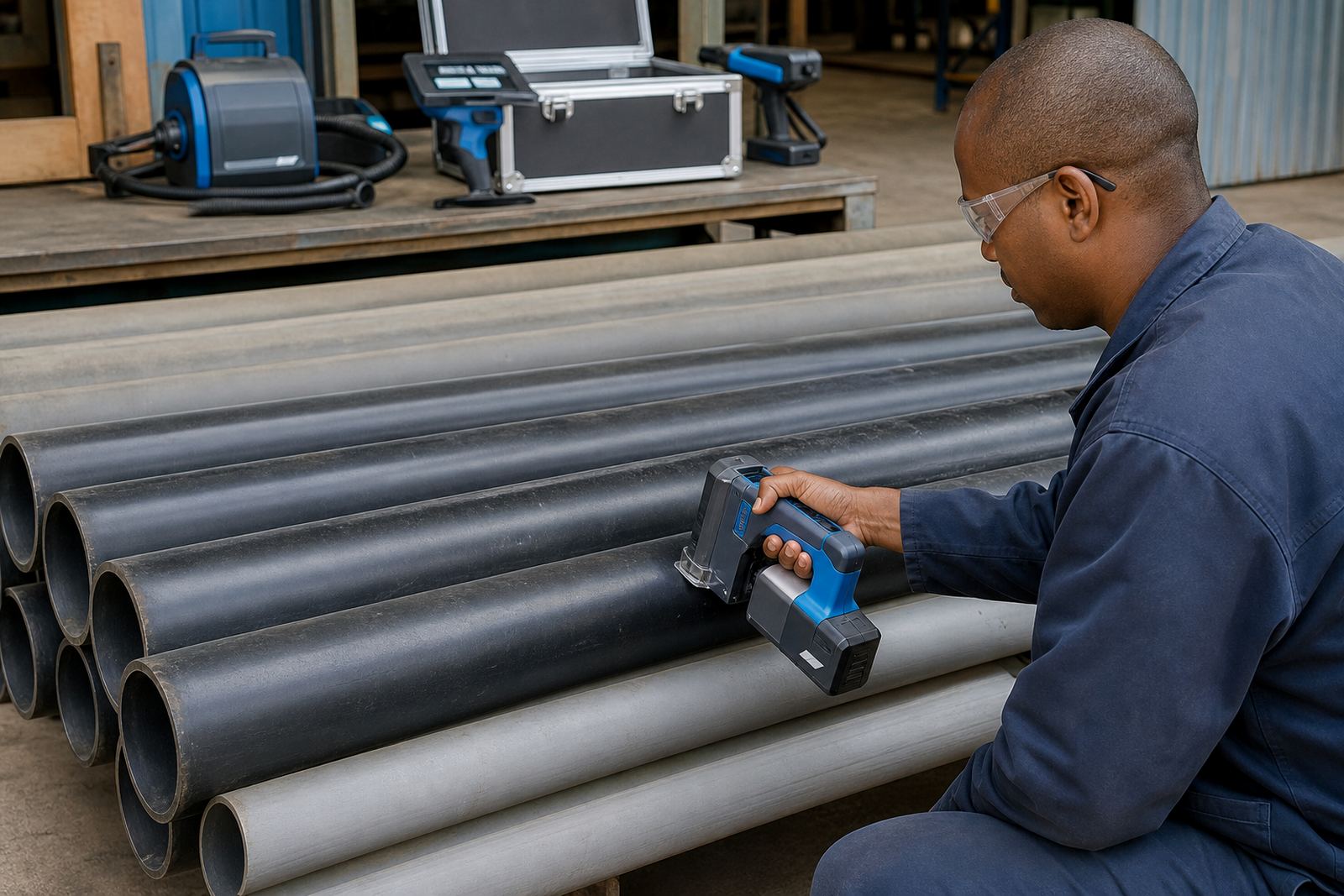
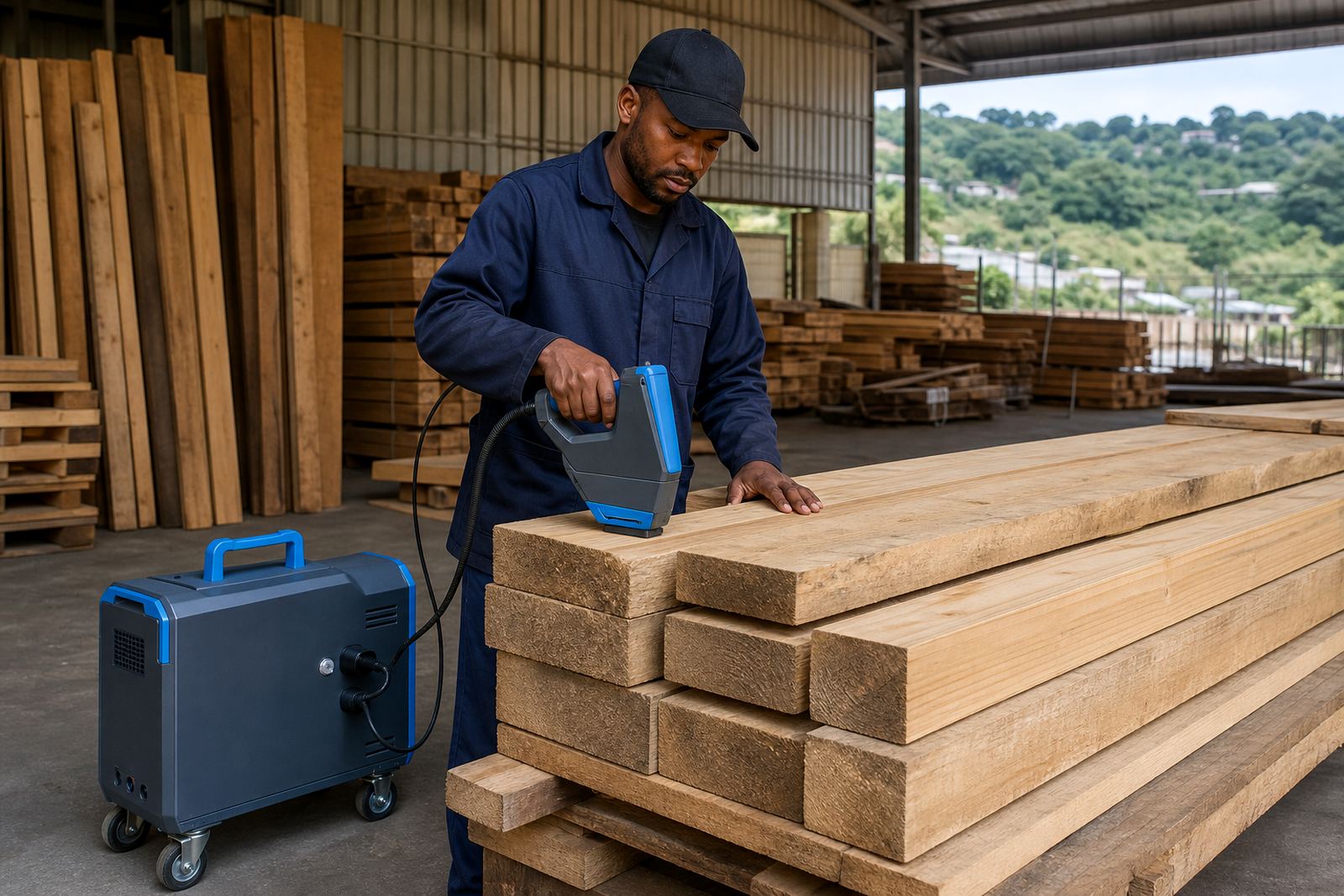
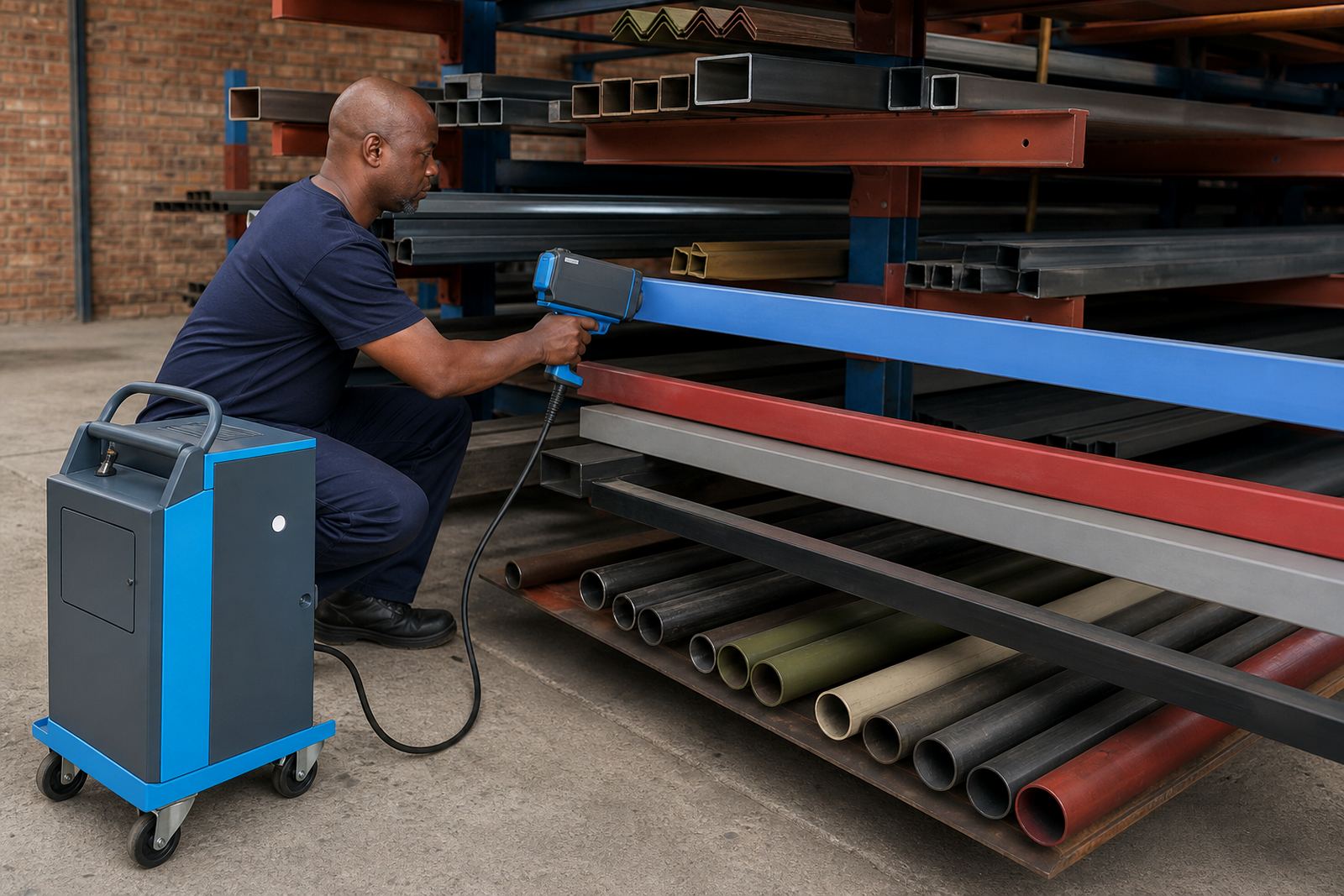
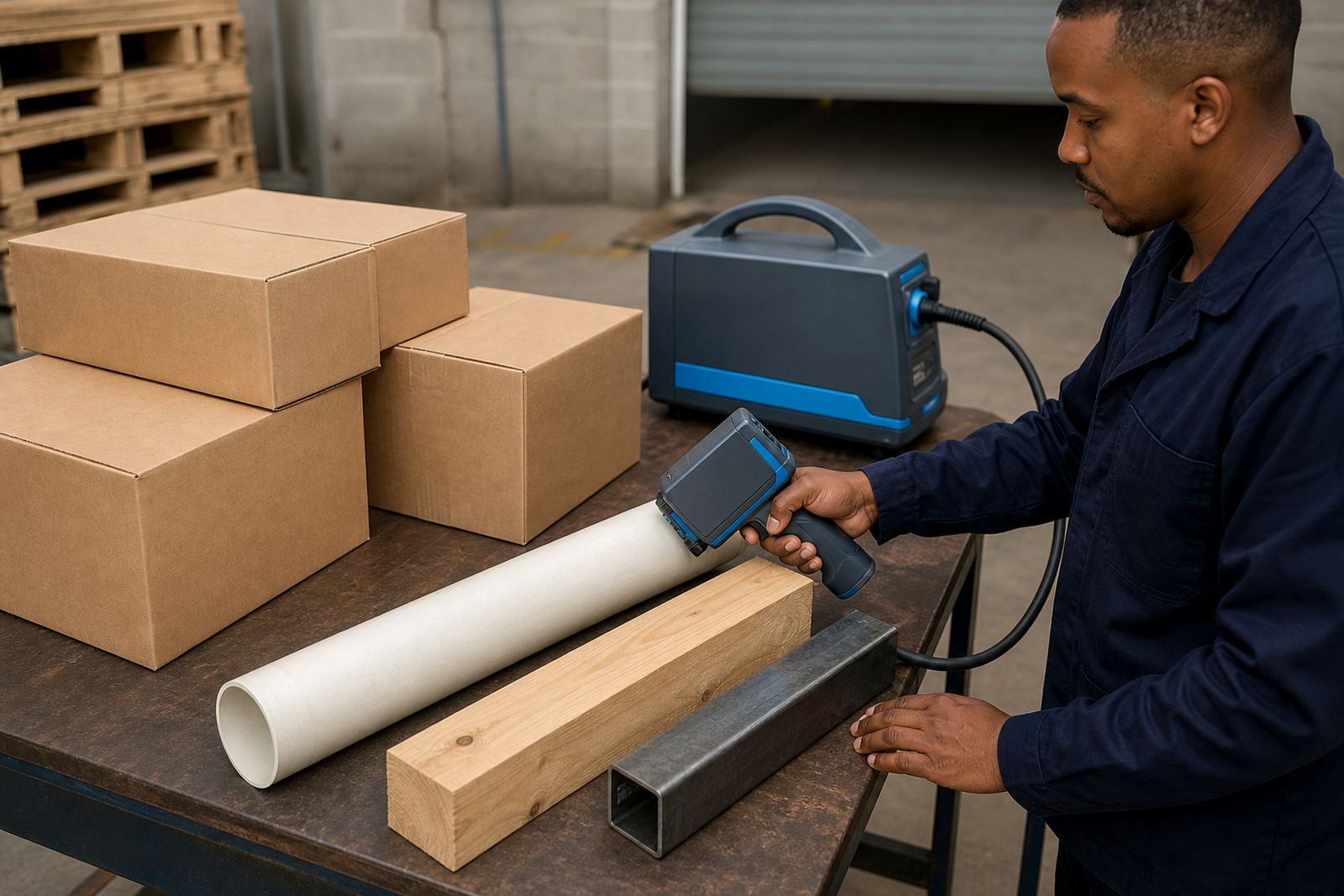
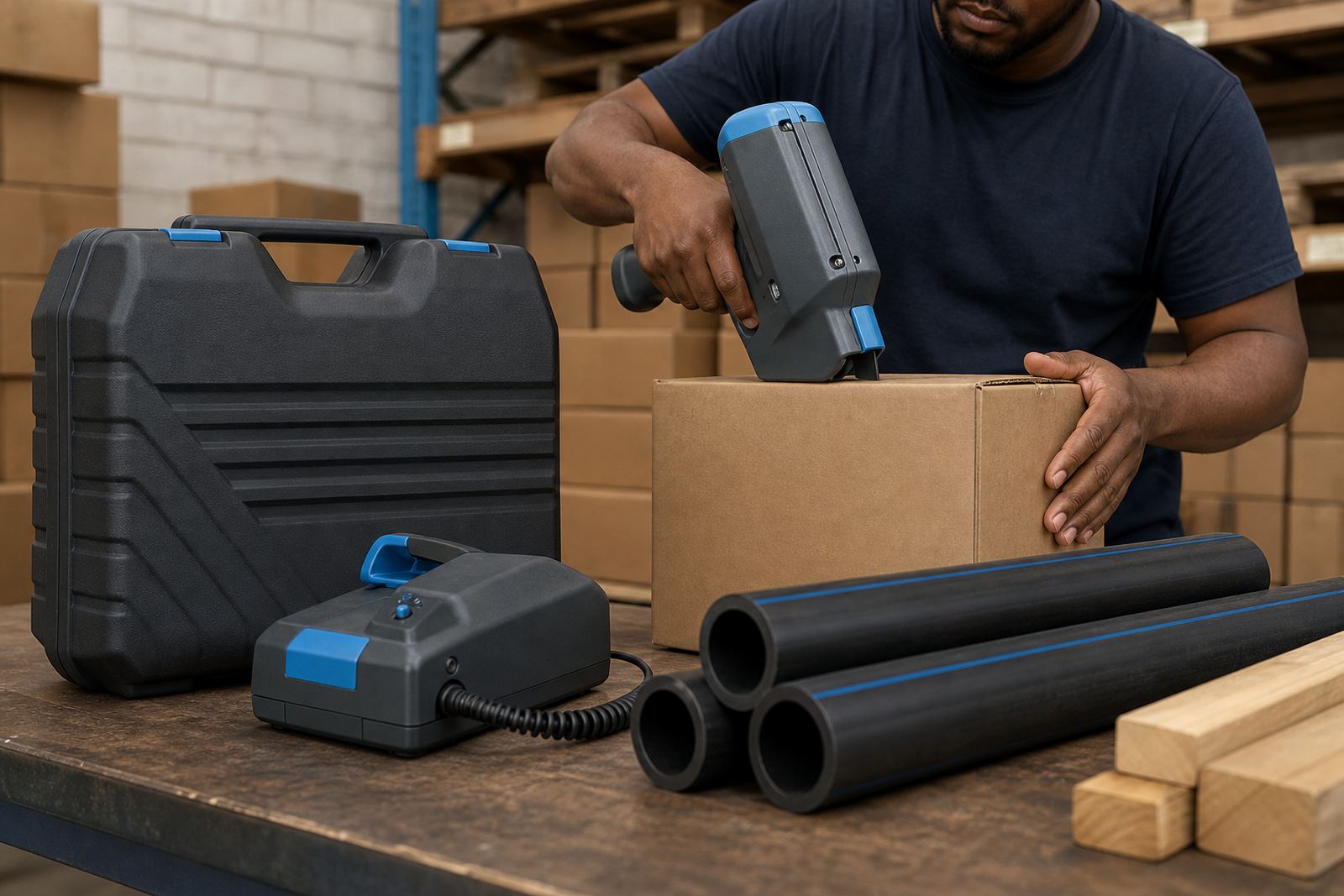
Everyday hire work often covers cartons, timber, steel, plastic pipes, bags and sleeves. Smooth faces usually give the sharpest result, but slightly rough or dusty surfaces can still work if they are dry and properly prepared. Oily steel, damp timber and dusty packaging need extra attention because the first mark can smear or break up.
Where the surface is uneven or curved, a steady hand and the right distance from the face help a lot. A small test print on the actual material is still the best check before a long run starts.
Barcode codes, batch numbers and logo placement
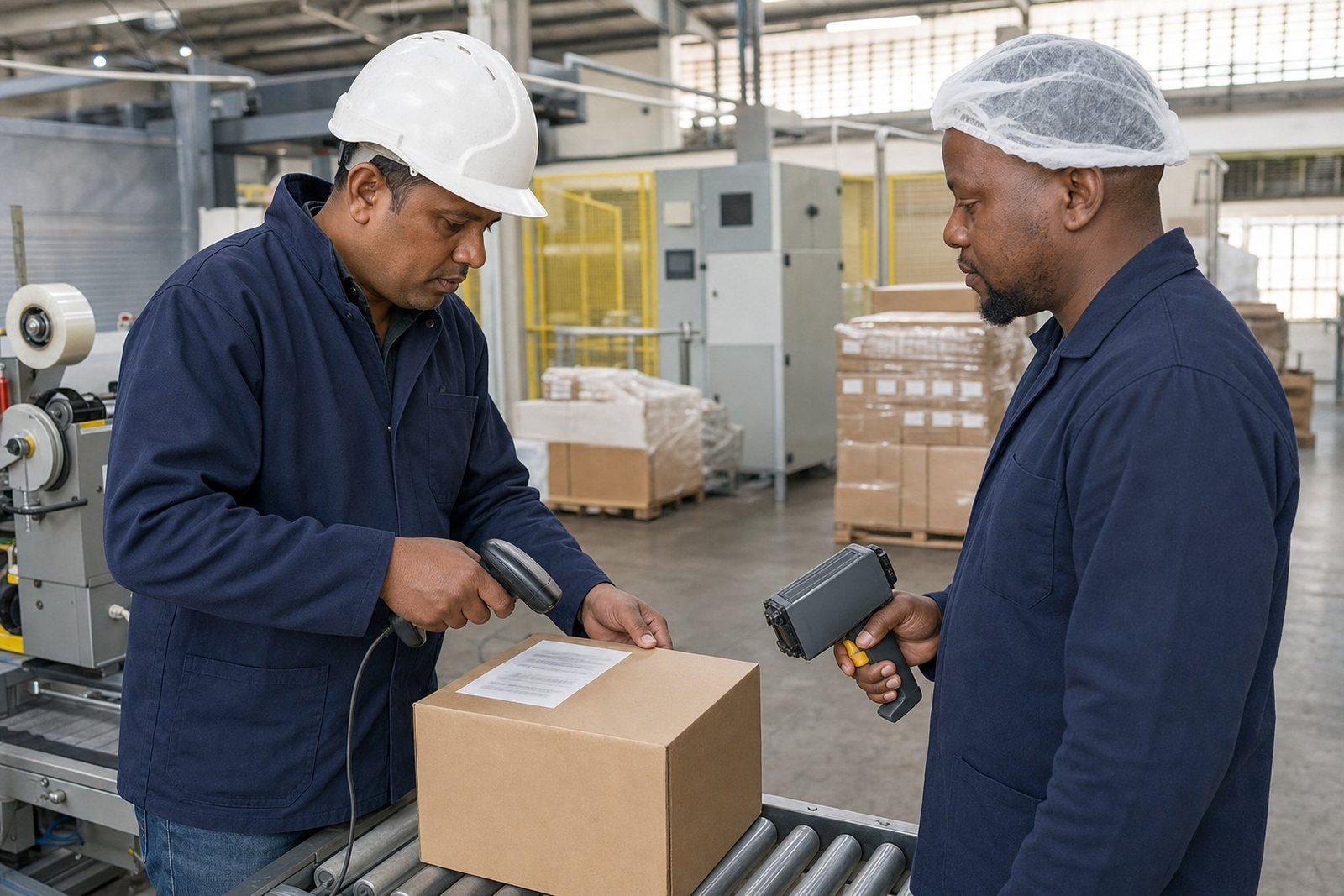
Batch numbers are often the quickest part of a code to set up, but barcodes and logos need a bit more care. Barcode bars must stay crisp enough for scanning, while logos should not be stretched beyond the print head width or squeezed into a space that cuts off detail.
- Keep barcode contrast strong against the background.
- Load the message in the correct orientation for the product flow.
- Place logos where box folds, straps or labels will not hide them.
- Check that date formats match the packing record being used.
Hire terms that suit regular or short runs
Rental terms by the week or month give room for different volumes of work. A short job may only need a unit for a tight dispatch window, while a longer production run can suit monthly hire with ongoing consumables supply and support. That helps when a site in Johannesburg, Cape Town or Pietermaritzburg is running mixed carton and timber coding through the month.
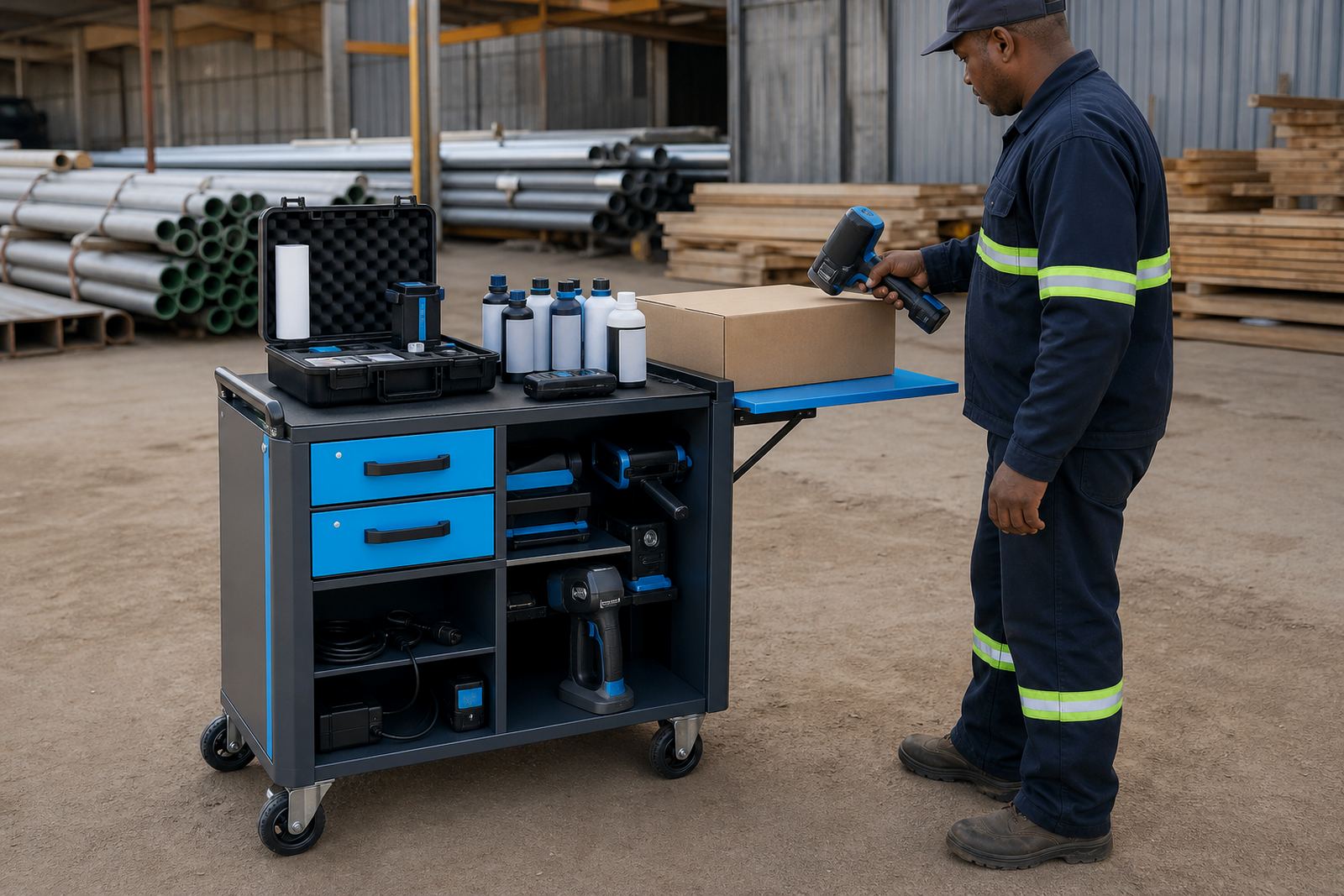
Delivery and collection can be arranged, with on-site setup or remote setup help where needed. The hire can also include message loading, test printing, operator training and backup unit support when a production line cannot pause for long.
Routine operating points that save wasted prints
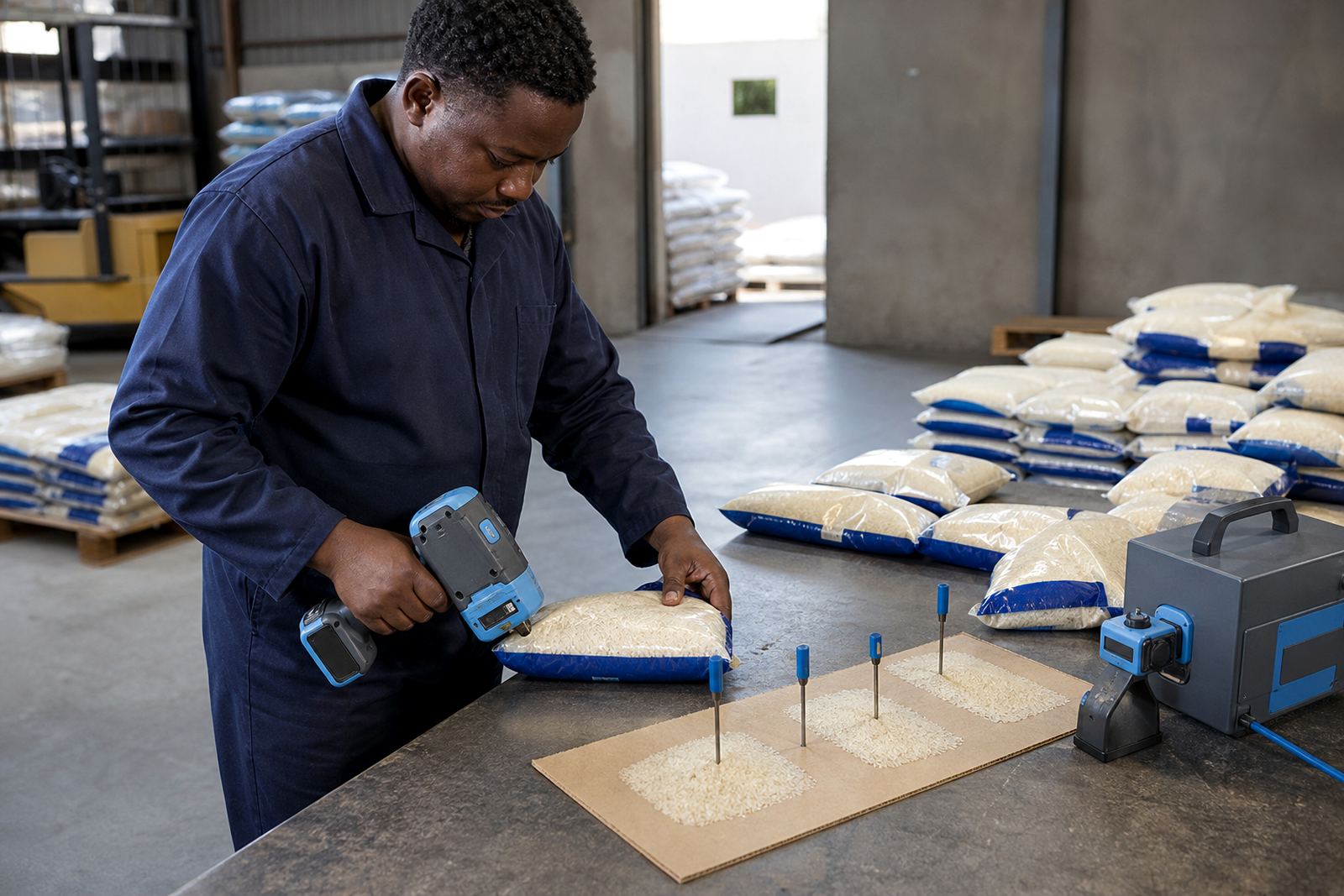
Most problems show up in the first few test marks, not halfway through the hire. A clean nozzle area, the correct ink type and a steady print path all make a difference. Dust on the surface, hurried movement or a message set too close to the edge can spoil a good run.
Keep these points in mind when planning the job:
- Test the code on the actual surface before full production.
- Keep spare consumables close to the working area.
- Store ink as directed so viscosity stays consistent.
- Use the same setup for the same product run where possible.
When a coded job needs extra support
Some jobs are straightforward, but others need help with setup, alignment or message layout. If the run involves mixed cartons, curved pipes, dark timber or small barcode fields, it helps to work through the format before production starts. That avoids poor placement, weak contrast or a code that is too large for the pack.
Most coding trouble on packing, dispatch and marking work traces back to a few things: the surface, the ink, the hand speed and how long the code has to dry before handling.