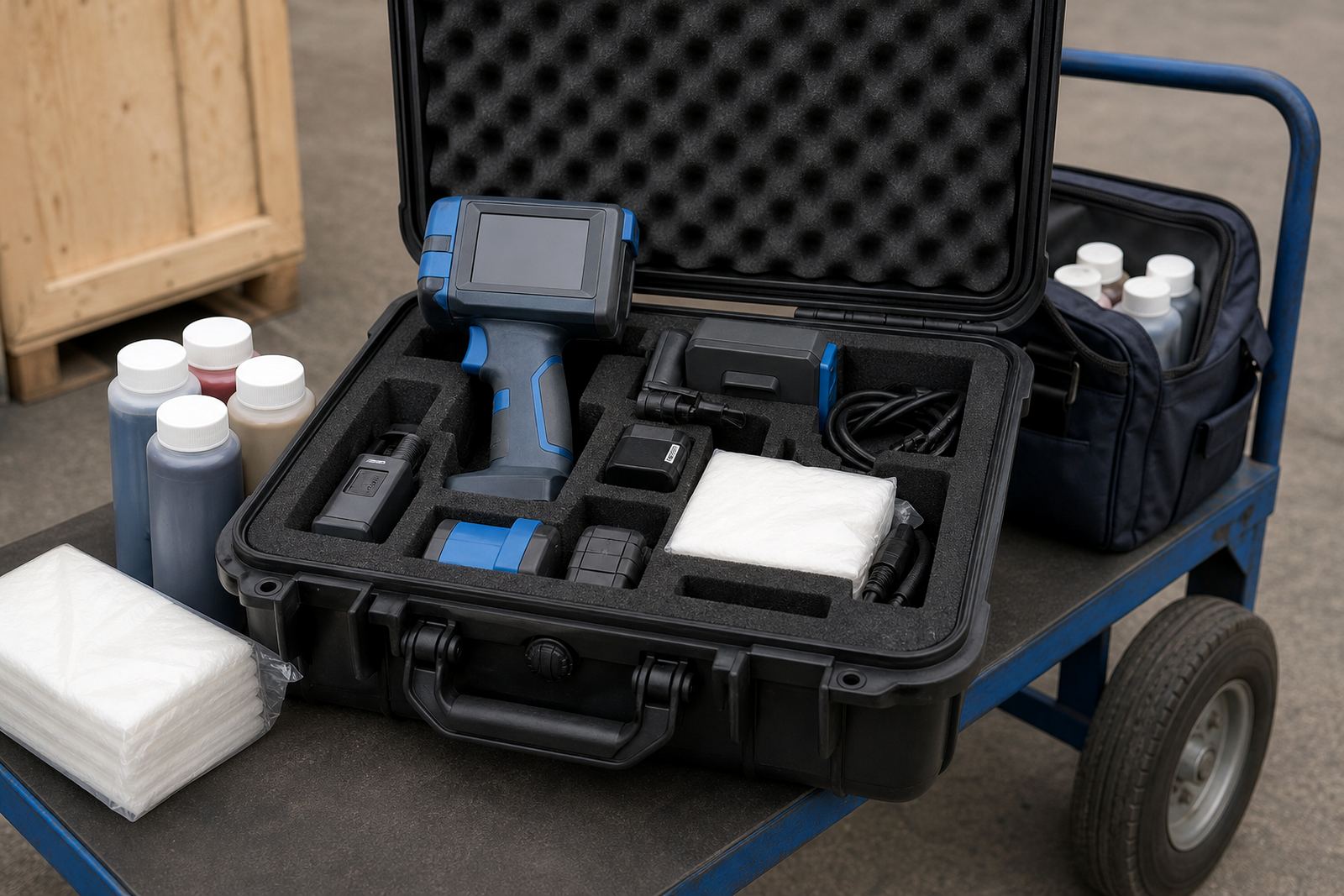
What the hire package covers
Hire is not only the unit itself. It also covers the practical steps that help you use the printer properly on the first run, from loading the message to choosing ink for the material in front of you. Dates, batch numbers, barcodes and simple logos can all be set up for clean marking on moving or still product.
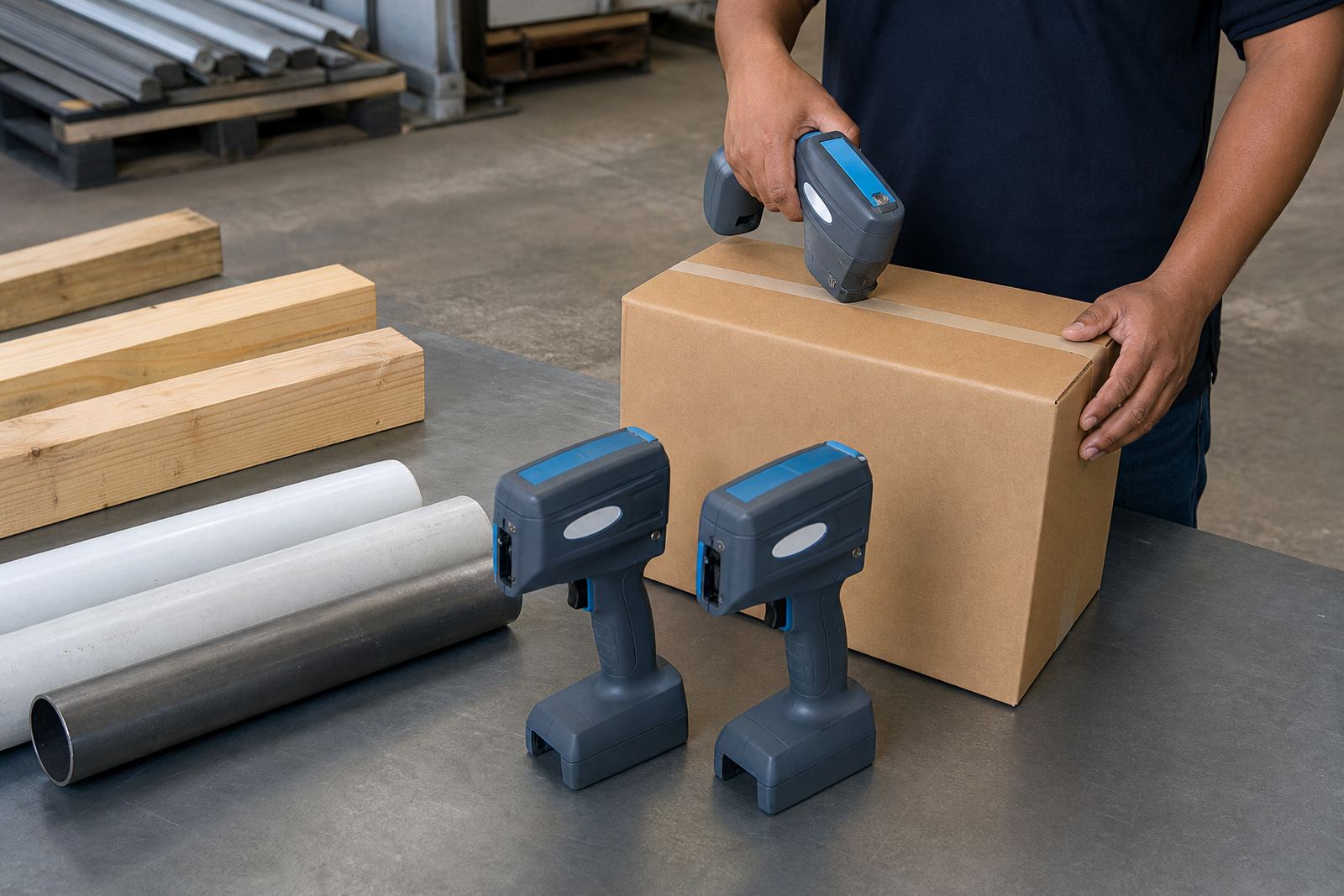
For many jobs, the right hand grip and print height matter as much as the coder. A 12.7 mm head suits short text and smaller codes, while a 25.4 mm option gives more room for larger markings and wider logo blocks. The right choice depends on the pack size, surface texture and how much information must fit on each item.
When setup support saves a shift
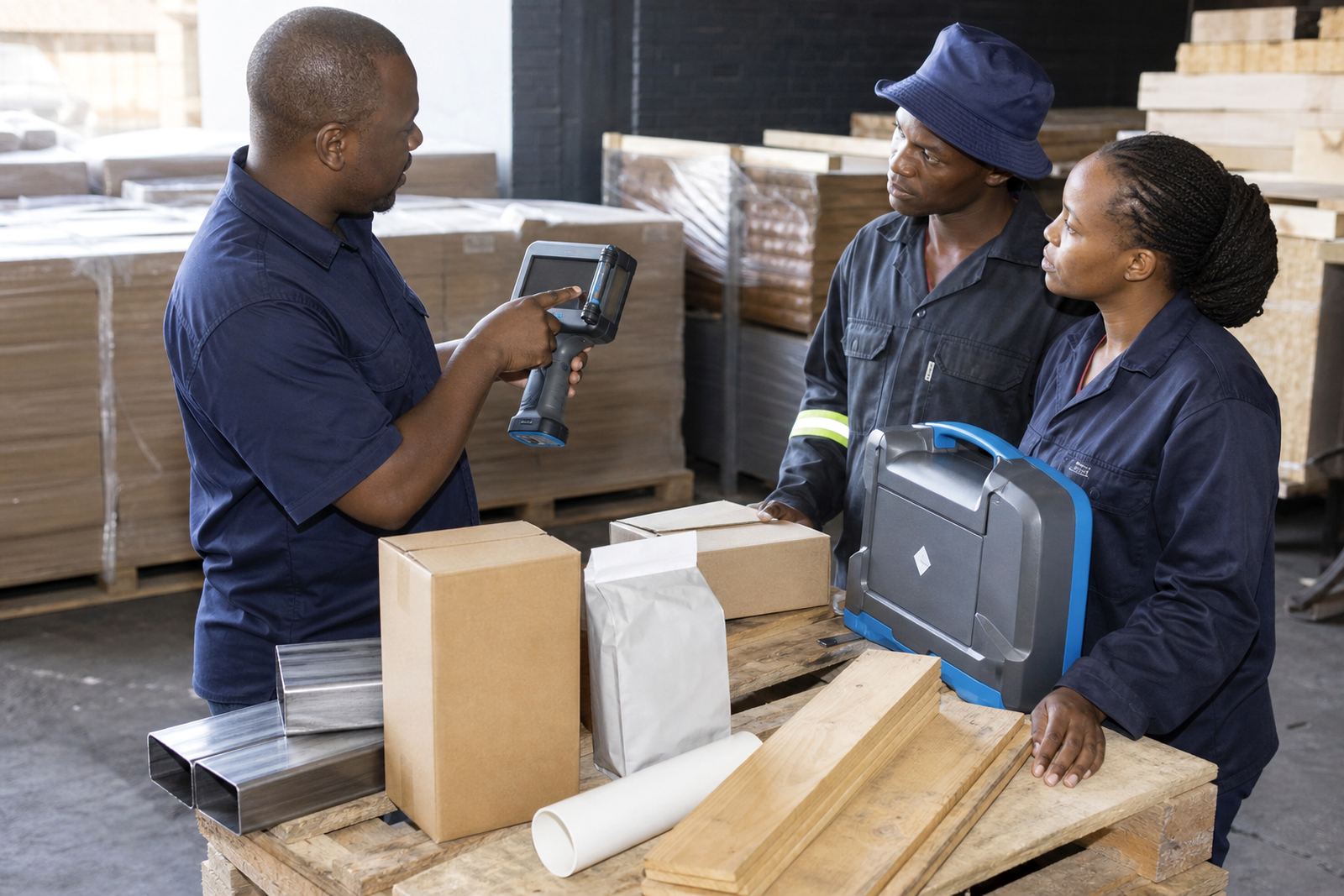
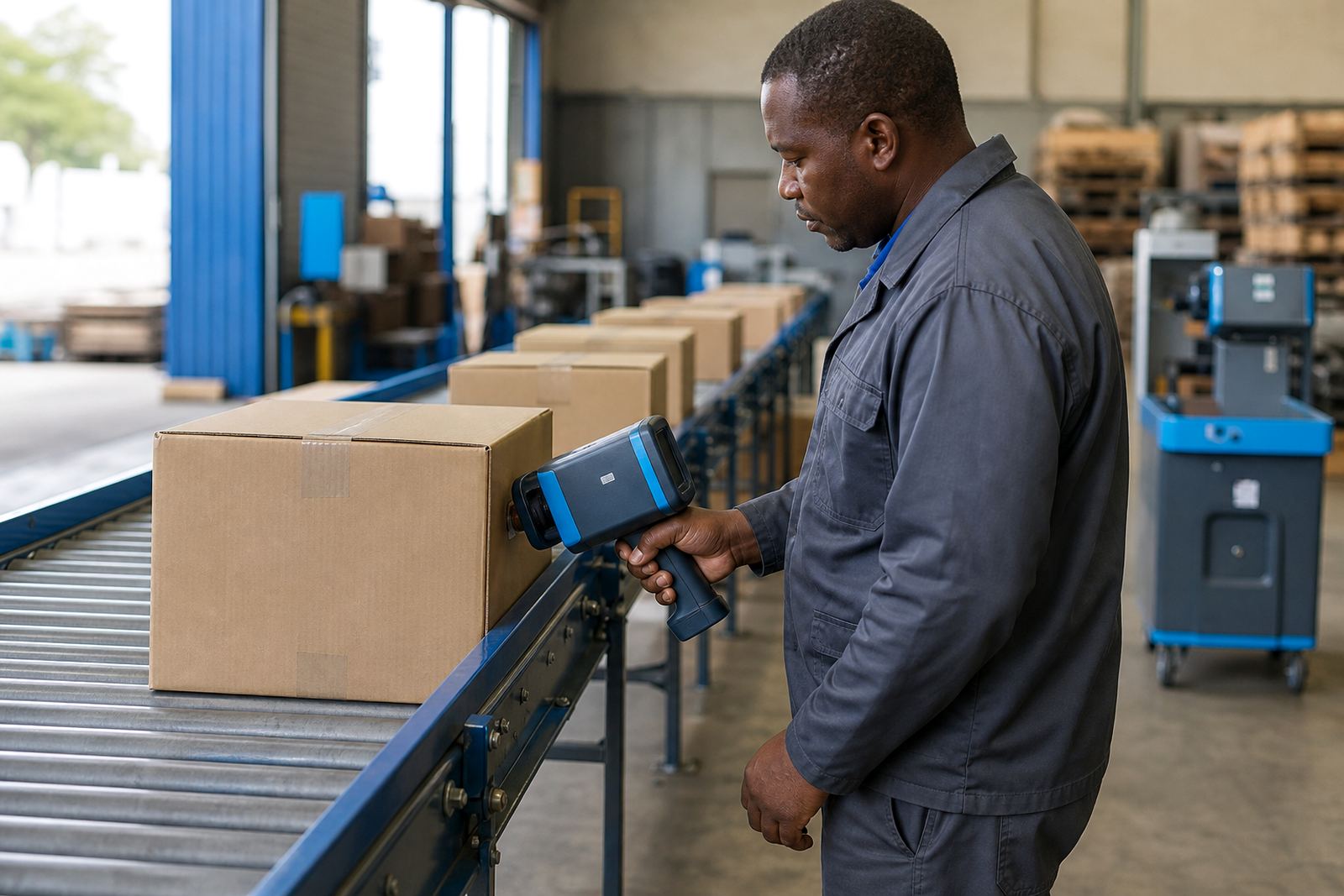
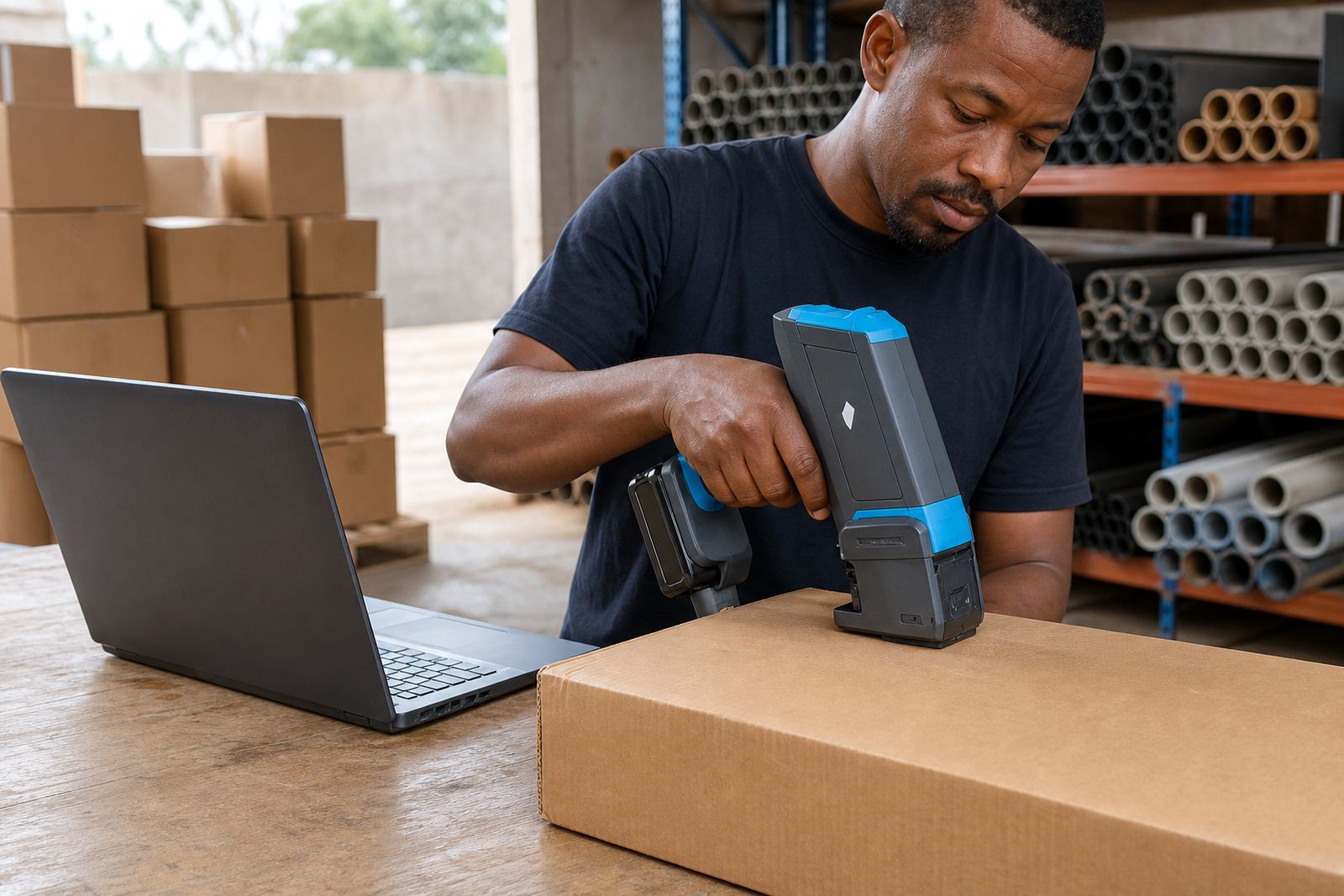
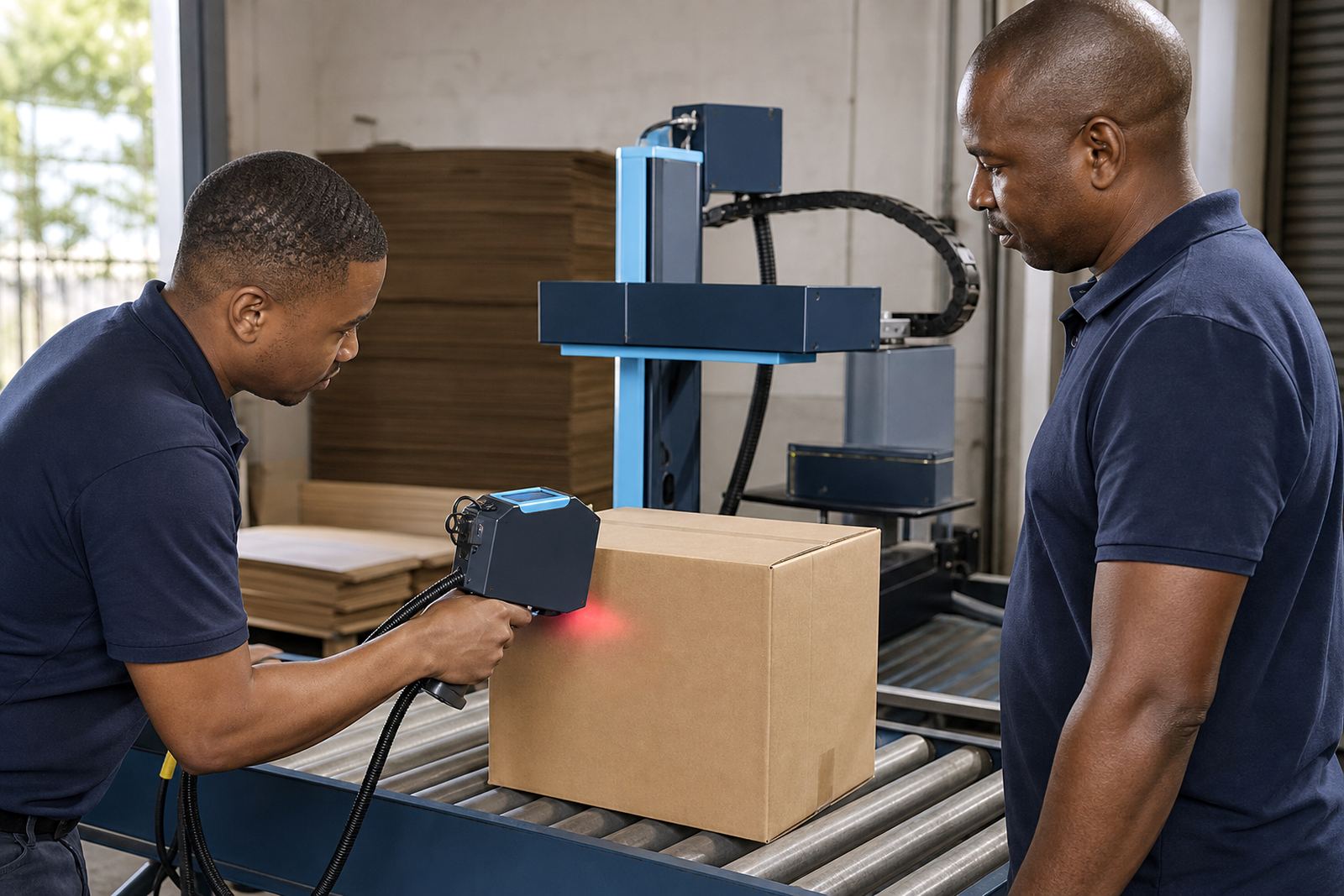
On a carton line, at a timber yard, or on steel sections in a workshop, a handheld coder only earns its place if it is ready to mark cleanly. Setup support helps with message loading, barcode placement, print direction and test prints before production starts. That avoids crooked codes, poor contrast and marks that rub off too easily.
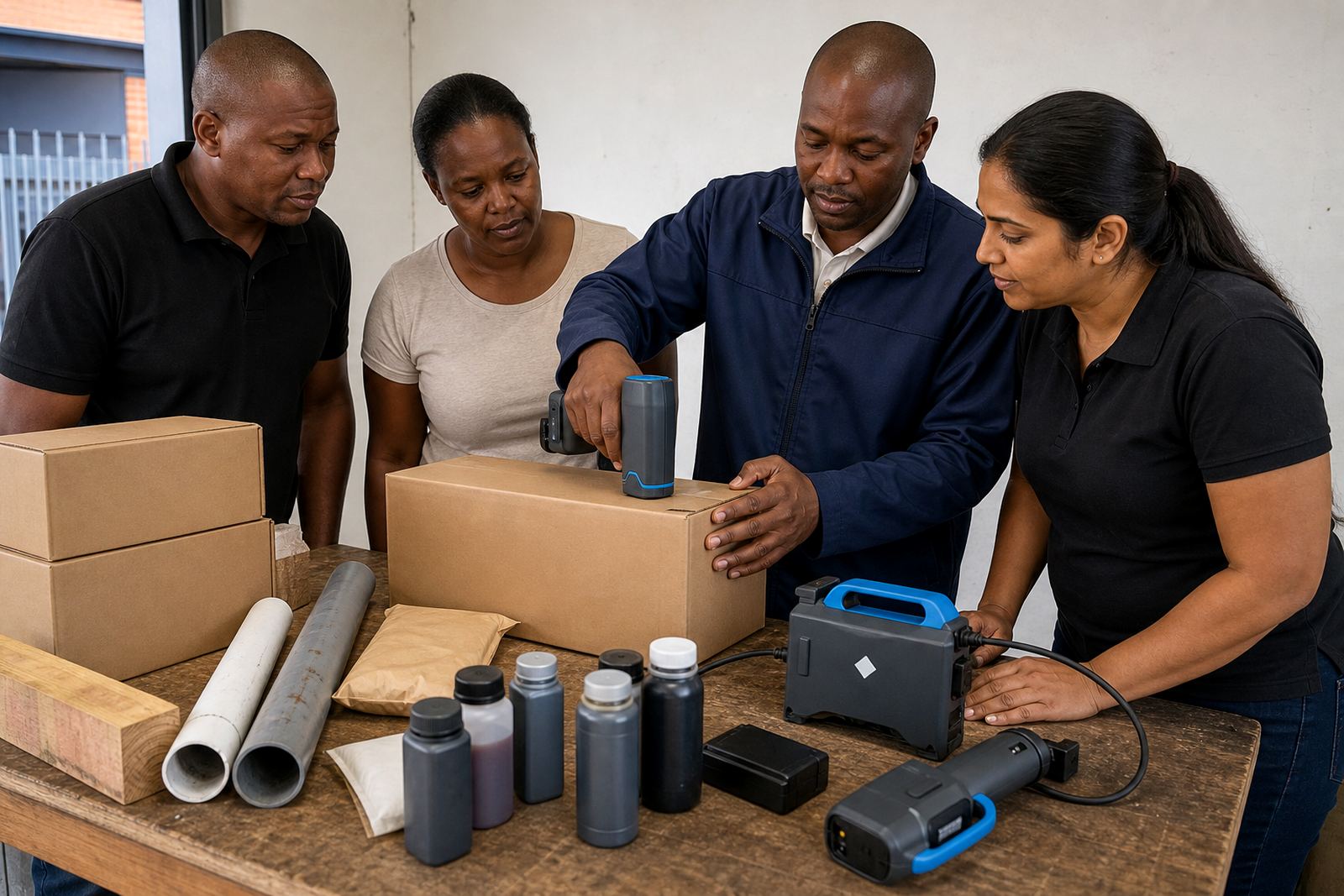
- On-site setup for new operators or new jobs
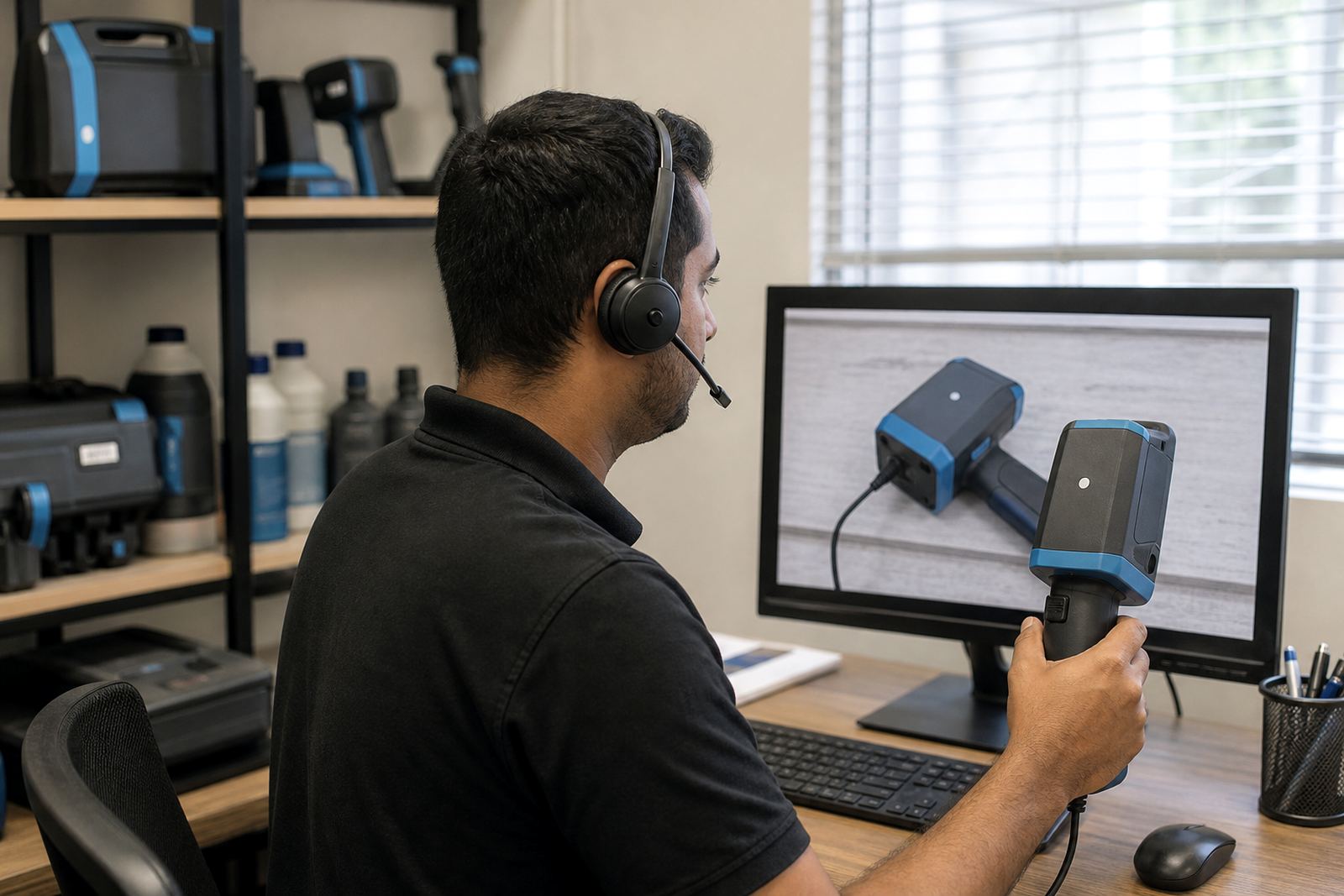
- Remote setup help when the unit travels between sites
- Test printing on the exact surface in use
- Message loading for dates, batch codes and product notes
- Logo setup where artwork needs a neat, readable layout
Ink choice for different surfaces
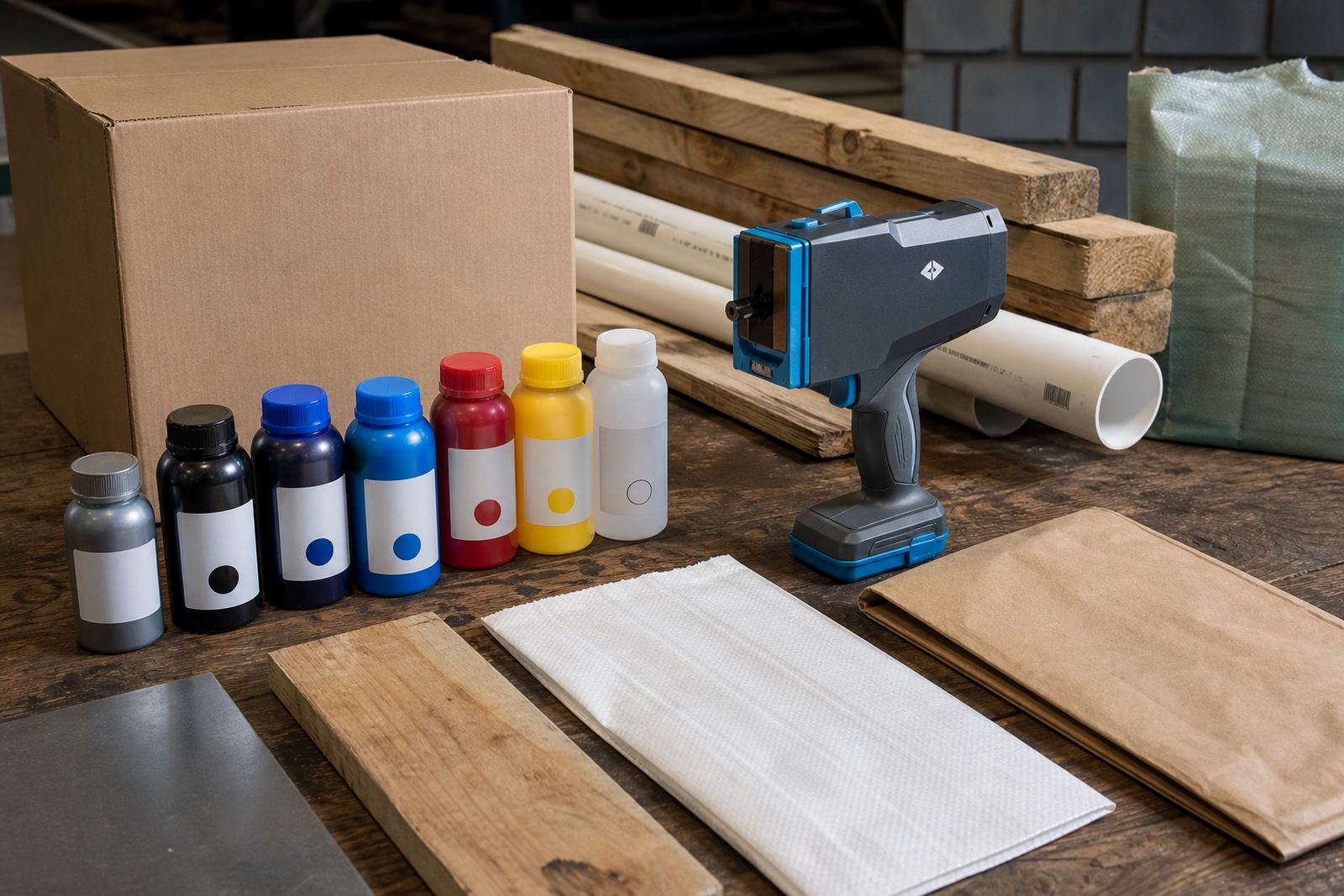
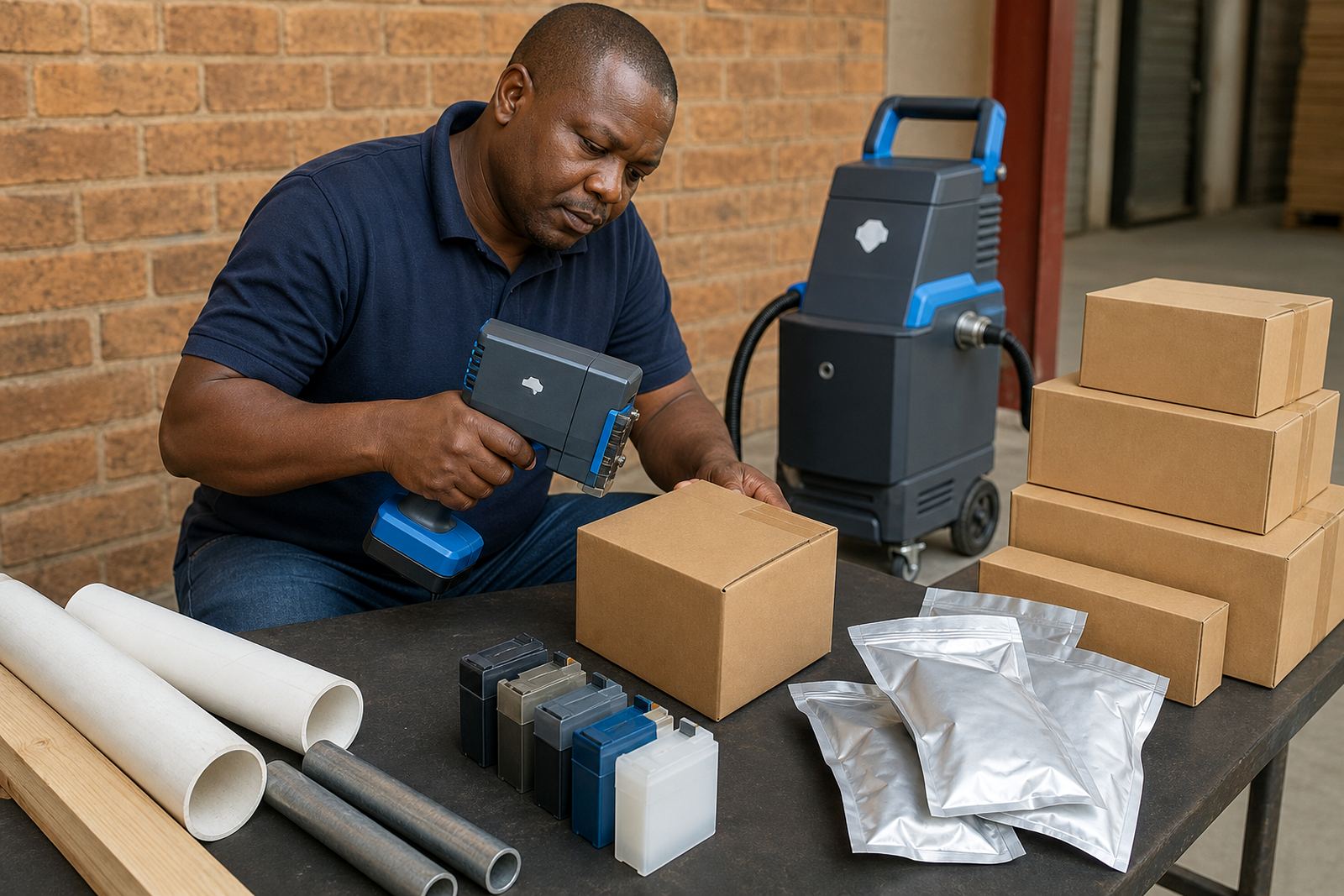
The same ink does not suit every surface. Solvent-based ink is usually the practical choice for non-porous materials such as steel, coated packaging and some plastics. Water-based ink can work well on porous materials like timber and plain cartons. Quick-dry inks are useful where handling starts soon after marking and the print has to stay crisp under regular movement.
Humidity near Durban and Richards Bay can affect drying and handling, so ink selection needs a bit of care. If the surface is dusty, oily or uneven, the wrong ink can spread, fade or lift. That is why consumables supply and ink selection help sit alongside the hire itself rather than being treated as an extra.
Keeping the code readable in the real world
Barcodes need consistent spacing, clear edges and the right contrast against the background. A code that looks clear on screen can still scan poorly if the print height is too low or the surface is rough. The same goes for logos with fine detail. Simple artwork usually travels better than busy graphics on curved pipes, timber grain or woven bags.
- Cartons usually need clean contrast and dry handling
- Bags often need quick-dry ink and steady hand placement
- Pipes need stable print positioning on curved surfaces
- Timber can take water-based ink if the grain is open
- Steel often needs solvent ink for stronger adhesion
Weekly and monthly hire terms
Some jobs only need a coder for a short production run. Others need a unit in regular use across several shifts or branches. Weekly hire suits smaller batches, project work and trial runs. Monthly hire fits ongoing coding needs where the same pack format keeps moving through store or dispatch.
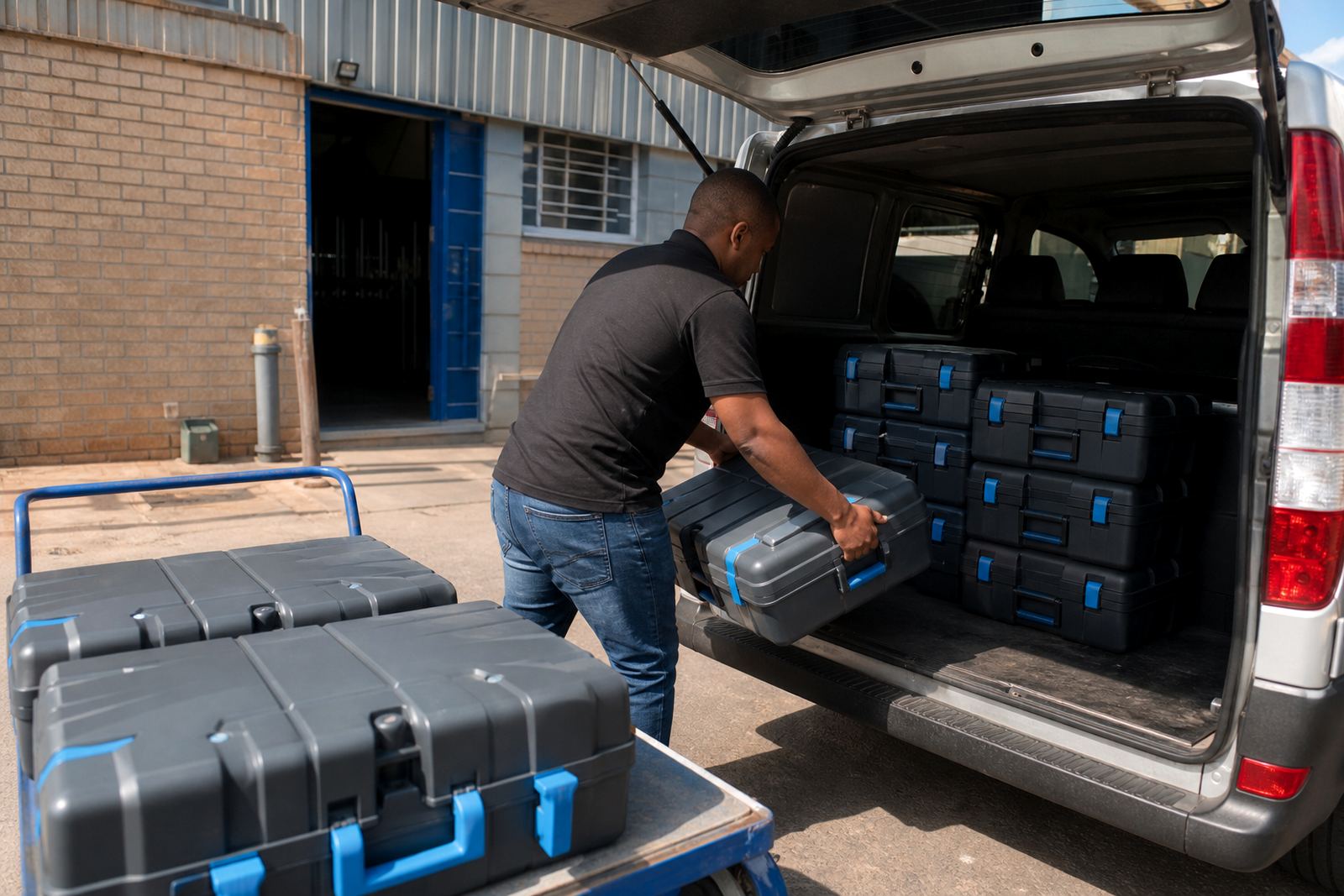
Delivery and collection are available, and the hire can include backup unit support where continuity matters. That helps when a line cannot wait while a unit is inspected, cleaned or reconfigured. For sites spread across Durban, Pietermaritzburg, Johannesburg, Cape Town or Richards Bay, the same hire setup can be matched to local work patterns and surface types.
How the support pieces fit together
Training, consumables, troubleshooting and backup units can each be added or left out, so the hire fits the actual task instead of forcing every site into one package.
- Hands-on coaching for first-time coder operators
- Troubleshooting support when codes drift or print quality changes
- Consumables supply for inks and related items
- Backup unit support for continuity on active jobs
- Remote setup help for multi-site hire arrangements