When the stock moves, the printer has to move too
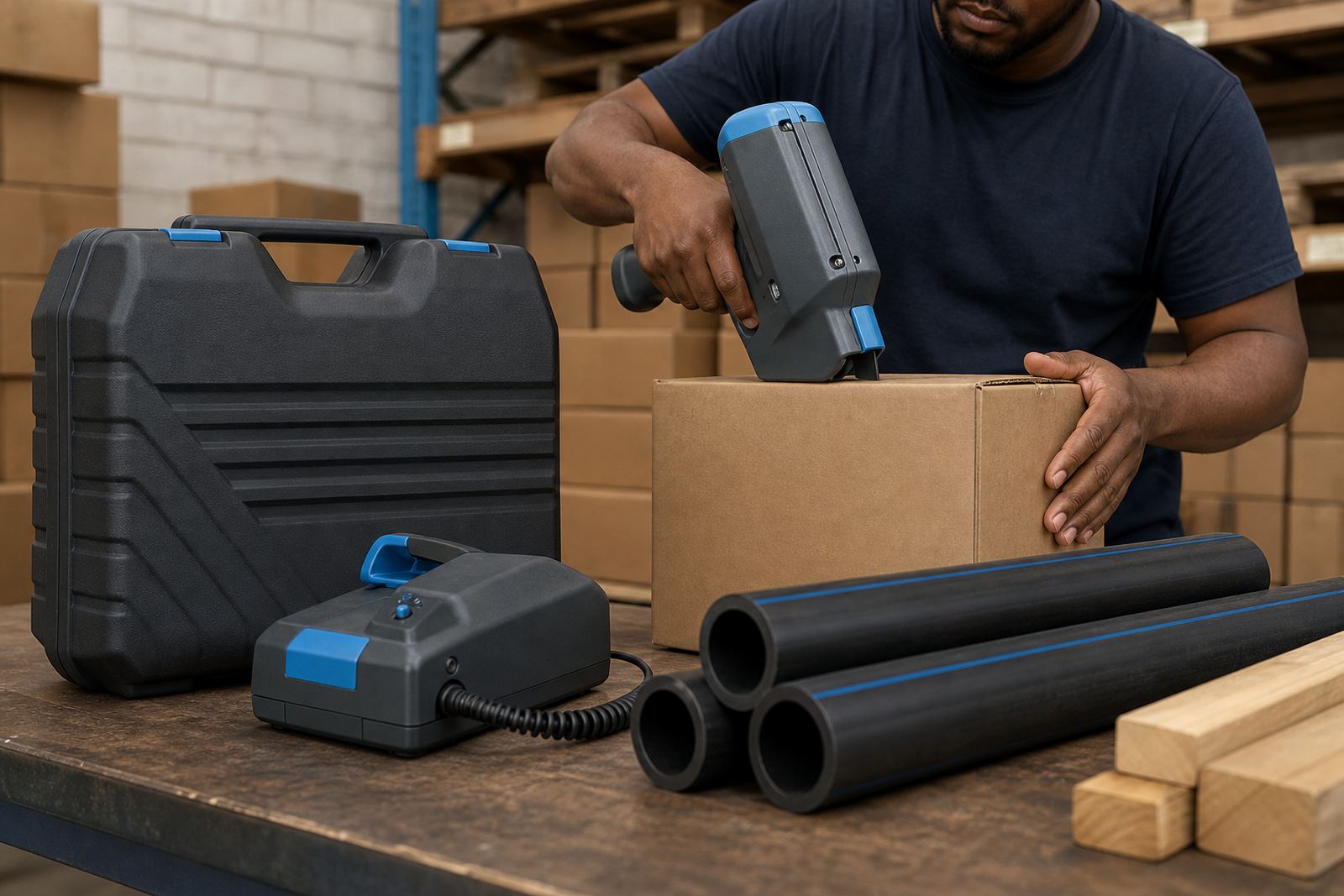
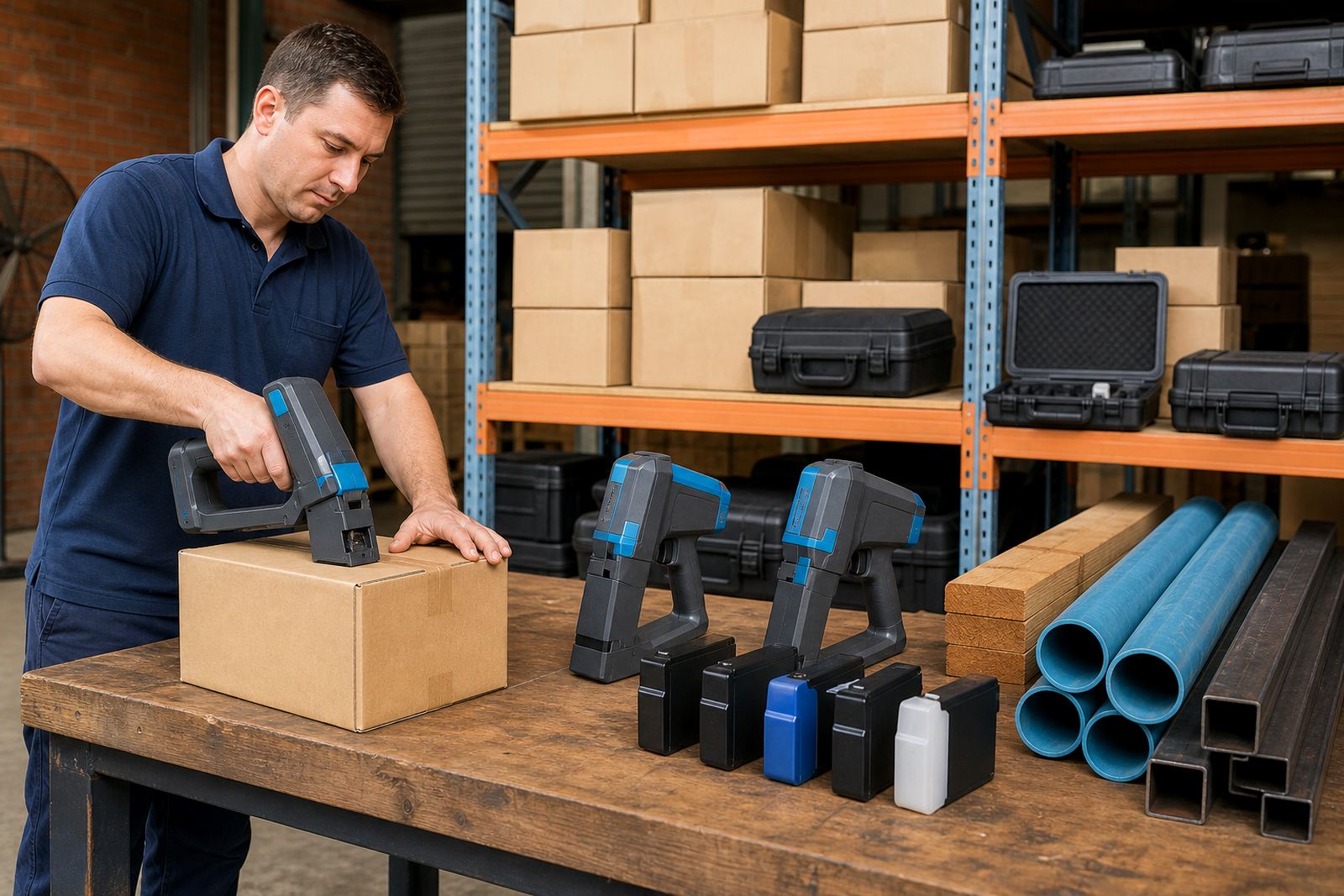
In a warehouse, the work changes by the hour. One bay may need date codes on cartons, another may need batch marks on timber packs, and a third may need barcodes added to items that were set aside for rework. A handheld inkjet printer is useful here because the operator can carry it to the pallet, rack or loading area without shifting the whole job.
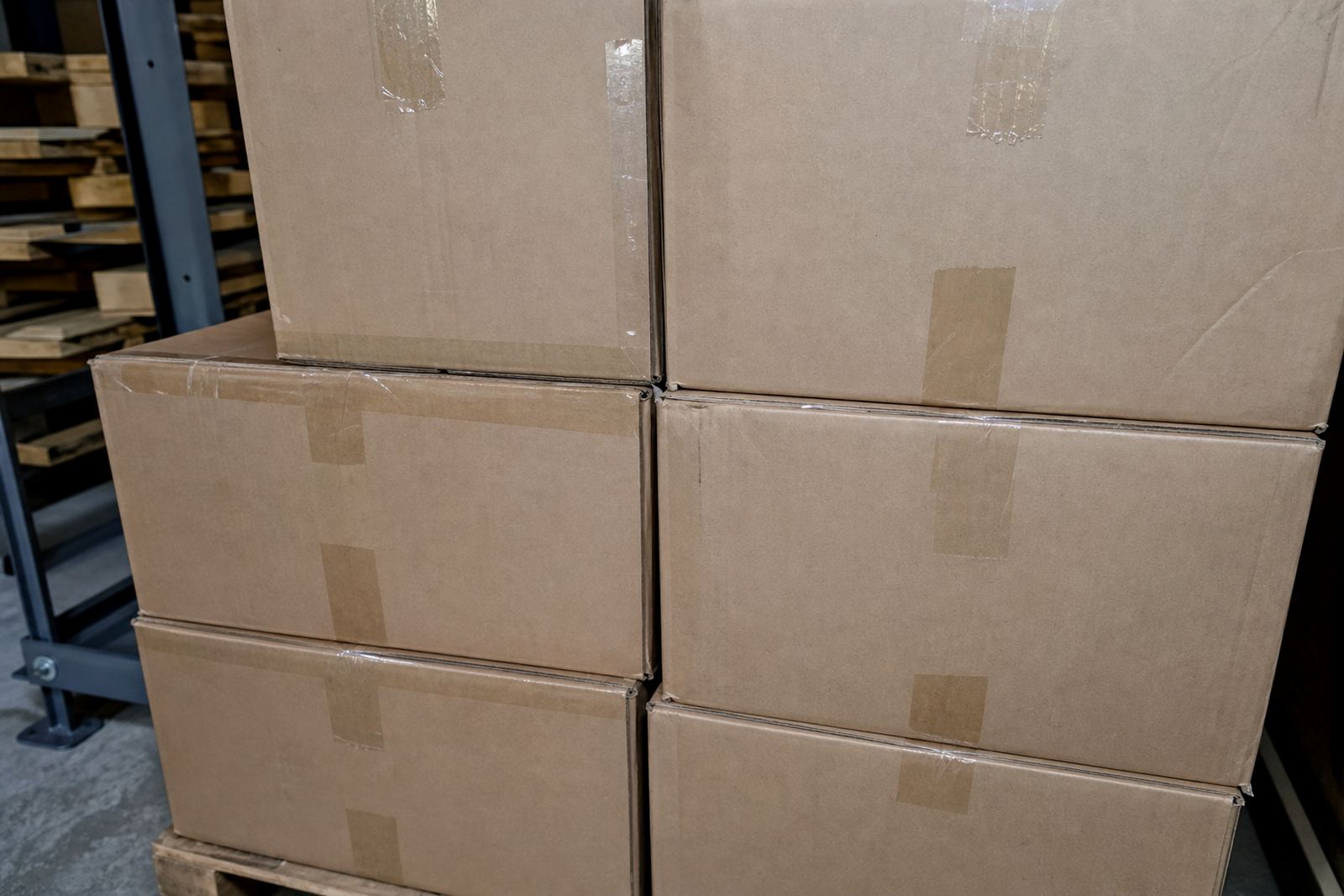
These printers are commonly used where stock needs a clear code after packing, after inspection, or after a new label has to be added to an item that was missed earlier. The print head sits close to the surface and places text directly onto the product, which helps when cartons are already sealed or when the surface is too uneven for a standard label applicator.
Surfaces that usually give the best result
Handheld coders are used on carton board, paper sacks, timber, coated steel, plastic drums and certain pipes. The key is matching the ink to the surface. Porous material like cardboard and untreated timber usually takes water-based ink well, while smoother or less absorbent surfaces often need solvent ink or a quick-dry option so the mark sets properly.
- Cartons for dispatch and relabelling
- Timber bundles with grade or batch marks
- Pipes and metal parts in stock holding areas
- Bags, wrap and outer packs that need traceability
Humidity matters in Durban and along the coast, so quick-dry ink can help when cartons or timber are moving through a busy bay and need handling soon after marking. On a dry inland site, the same job might print cleanly with a different ink mix, depending on the surface and speed of handling.
What the code needs to say in a real warehouse
Most warehouse jobs are not about long messages. A short line with the date, shift, batch number, order reference or barcode usually does the work. Some operators also add a simple logo for internal identification, or a second line for warehouse location. The print height needs to suit the distance the code will be read from, and the surface width has to match the message size.
A 10 mm or 12 mm code may suit cartons and bags, while a larger print height is better when the mark must be seen from a few metres away on timber packs or steel items. If the space is tight, the message is trimmed down rather than squeezed in. That keeps the characters readable and the barcode scannable.
Relabelling and stock rework without slowing the bay
Rework jobs often happen when stock comes back from a customer, a pallet is split, or a carton needs a fresh code after inspection. A handheld printer is handy because it can be used on the spot, with no extra run back to a fixed print station. That saves movement and keeps the bay from turning into a bottleneck.
For relabelling work, the printer can load a standard message and print the same code across a batch of items. If the job changes during the shift, the message can be updated for the next run. Our team often sets up the wording, checks the barcode size and tests the print on the actual surface before the hire goes into daily use.
- Dispatch cartons that need a fresh date stamp
- Returned stock that must be re-identified
- Mixed pallets with more than one batch code
- Items that need a new logo after sorting
Hiring terms that suit short runs and ongoing work
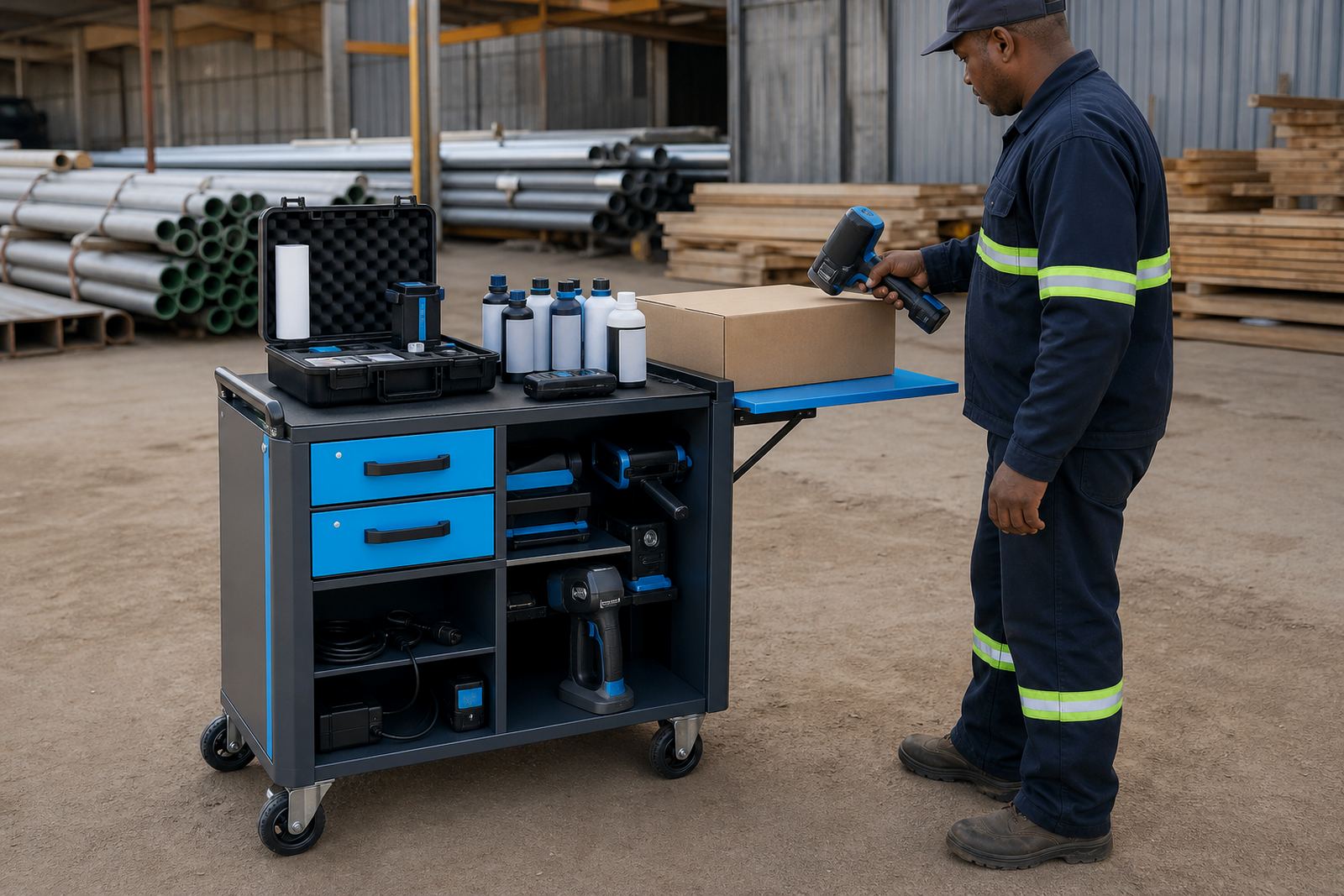
Week-long hire suits short projects, seasonal peaks and relabelling tasks that run for a limited period. Monthly hire works better when coding is part of the day-to-day workflow and the warehouse wants the unit on hand for routine use. We supply handheld printers, inks and the practical setup support needed to get a message printed cleanly on the chosen surface.
Delivery and collection can be arranged, with on-site setup where needed and remote setup help for teams that already have the unit in place. Consumables supply, troubleshooting support and backup unit support are useful when stock turns are busy and the coding task cannot wait for a full stop in the bay.
A Pinetown warehouse example that looks familiar
A warehouse in Pinetown may need cartons marked in the packing area, then timber offcuts or pipe lengths coded in a separate yard space. The team may also have a small relabelling corner for returned stock. In that kind of layout, one handheld printer can move between zones and keep the markings consistent across different surfaces.
For Durban and nearby industrial areas such as Westmead and New Germany, the mix of carton work, outdoor storage and coastal humidity makes ink choice important. It is not only about getting a mark onto the surface, it is about getting a code that stays legible through handling, stacking and transport. That is where test printing matters before the main run starts.
Handheld Printers Rental works from Pinetown, Durban and hires handheld inkjet printers across South Africa, including Durban, Pietermaritzburg, Johannesburg, Cape Town and Richards Bay. The team includes Sibusiso Moagi, Nokuthula Kotze, Jared Rademeyer, Anele Vermaak, Priya Pillay and Morne Oosthuizen, with support for message loading, barcode setup, logo setup and operator training.
What usually makes the hire easier on the floor
A clear code plan helps the hire run better. Decide which items need dates, which need batch numbers, and which need a barcode or logo. Then match the ink to the surface and keep the message layout short enough to print cleanly at line speed or when stock is being reworked by hand.
- Check the surface type before the first print
- Keep the message layout short and readable
- Use the right ink for porous or smooth material
- Test the barcode with the scanner used on site
Warehouse coding is often about keeping people moving and stock identified without extra handling. A handheld printer fits that work well when the job changes through the day and the marking needs to happen where the pallet stands.