
What a batch code is doing on the floor
A batch code links a product to a specific production run. It can carry a date, lot number, shift mark or internal code that tells the store room, the driver and the buyer which group of goods they are handling. When a carton comes back damaged, or a pipe bundle needs checking, the code helps narrow the search without opening every pallet.
For many South African operations, batch marking is part of ordinary stock control. It also helps with records when a customer wants to know which run left the factory, or when a municipal or export requirement asks for traceability. On busy sites in Pinetown, Durban and Pietermaritzburg, that kind of clarity cuts down on confusion at loading bays and in dispatch yards.
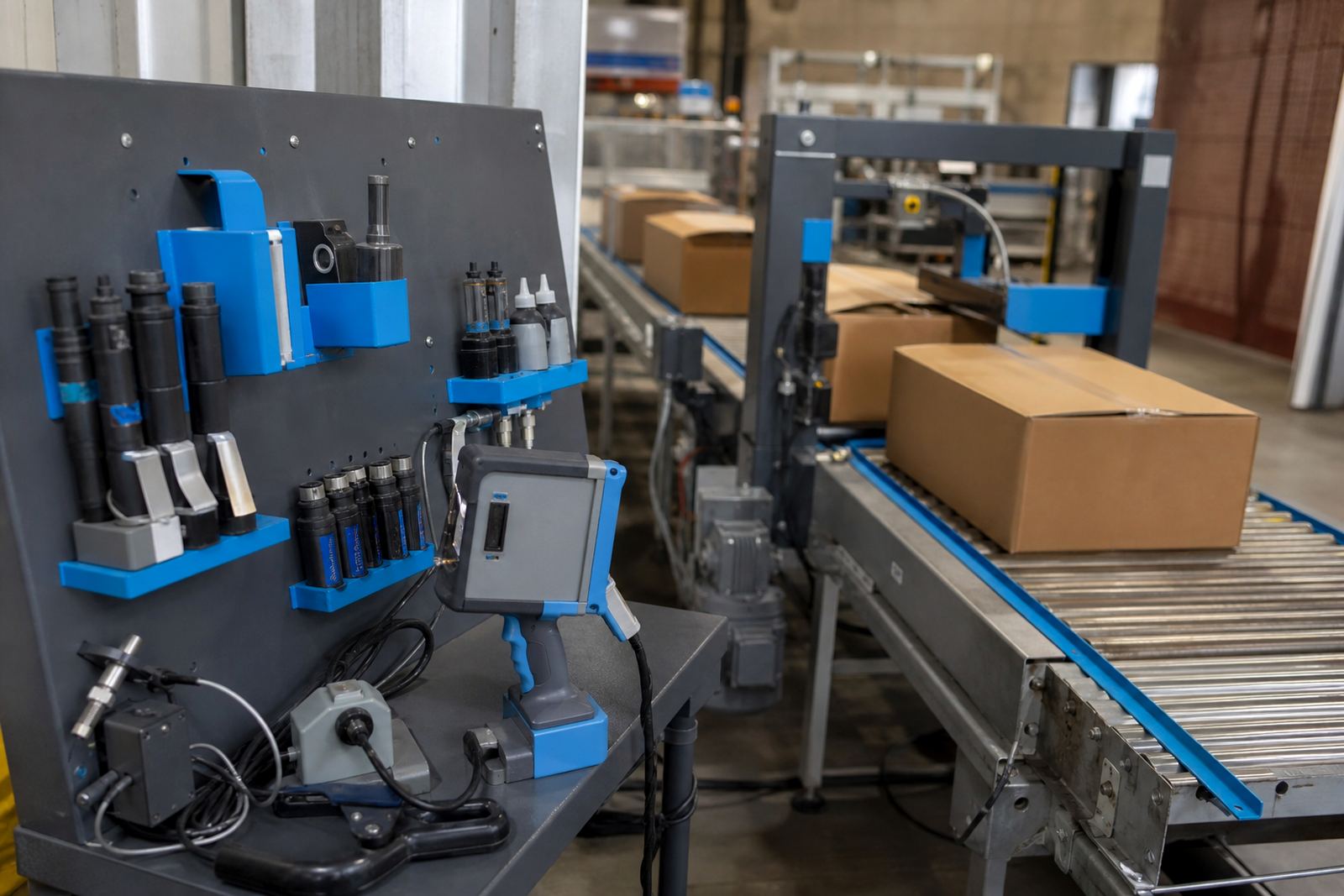
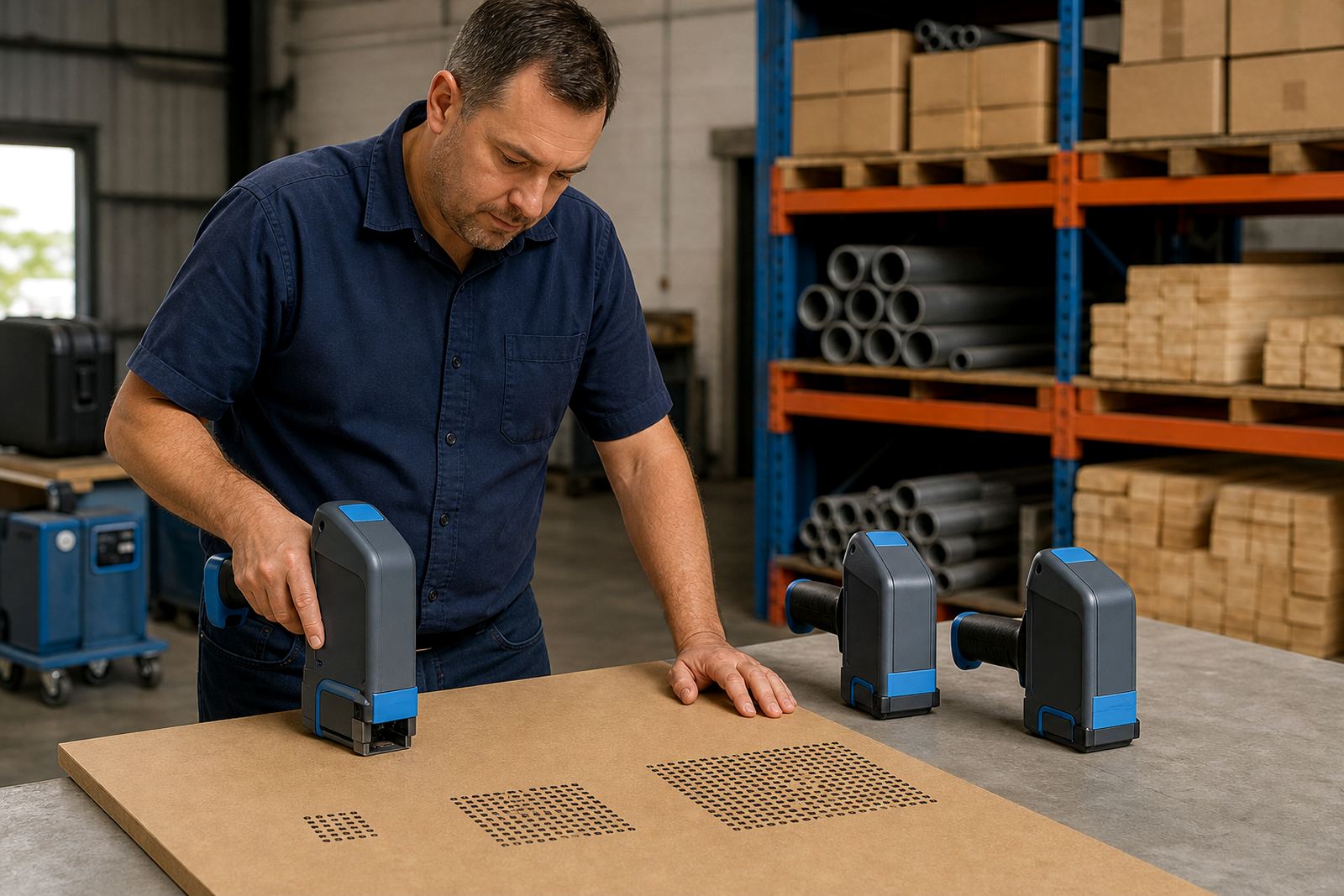
Handheld inkjet coders suit this work because they print directly onto the item. There is no label to peel, no roll to feed and no plate to fit. The operator can move from one carton size to another, or from a smooth bag to a painted steel part, as long as the ink and settings match the surface.
Where batch numbers usually get printed
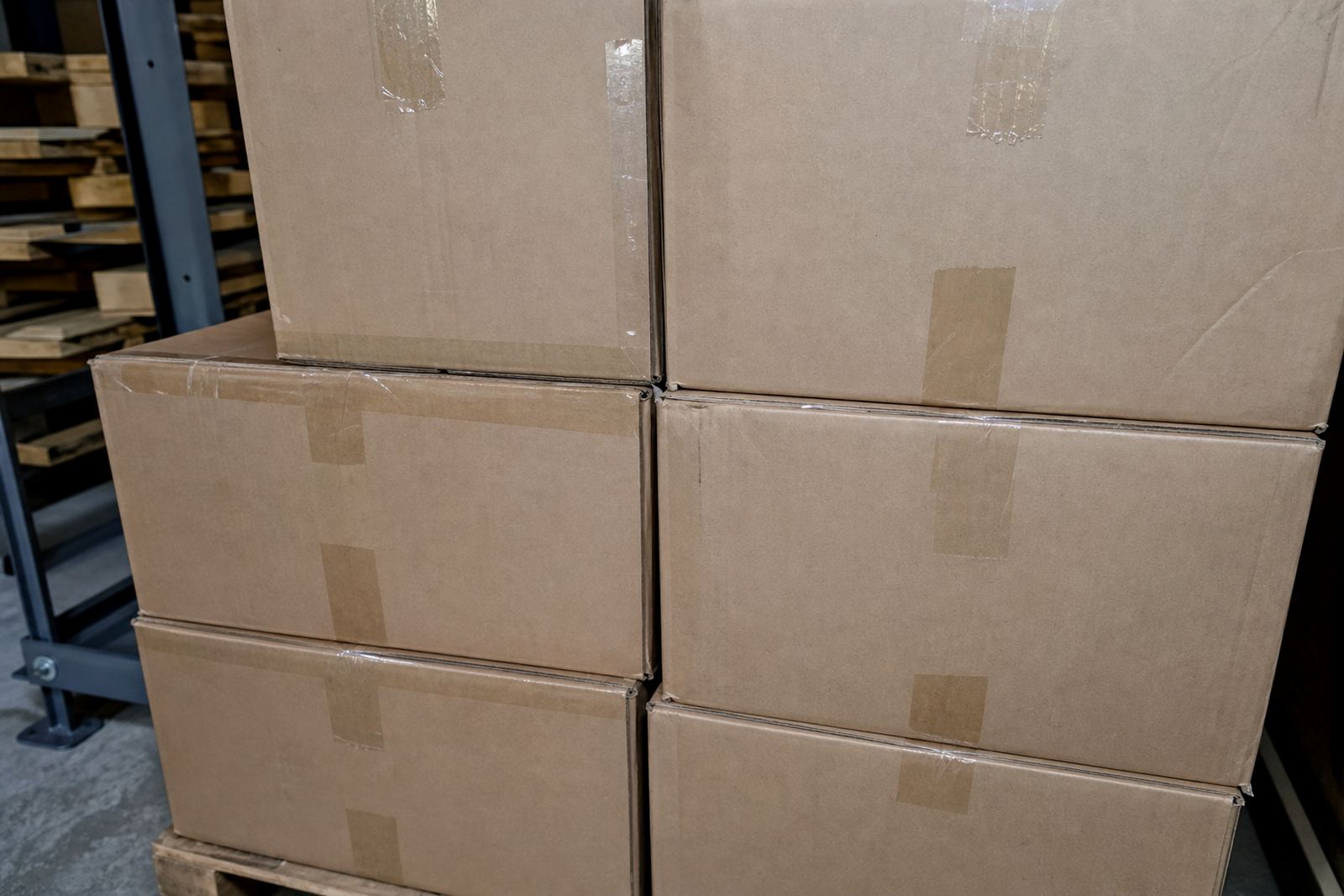
Most sites place the code where staff can find it fast, but where it will not rub off during handling. On cartons, that is often a side panel or top flap. On bags, the print may sit near the seam or on a flat face where the product is stacked. Pipes and timber call for a cleaner patch that stays visible after strapping, bundling or wrapping.
Good placement also depends on how the goods are stored. If cartons are stacked tightly in a hot warehouse, the code needs to stay readable after scuffing. If timber leaves a yard in Richards Bay or Cape Town, the marking needs to cope with moisture in the air and the rough treatment that comes with outdoor handling.
- Cartons: side panel, top flap or end face
- Bags: flat face, clear of stitched seams
- Pipes: outer curve or a flattened contact area
- Timber: sawn face, end grain or planed surface
- Steel: prepared section with enough dry time for the ink
Marking location matters because a neat code loses value if the forklift tines hide it, or if stacking rubs it into a blur.
Ink choice changes how well the code holds
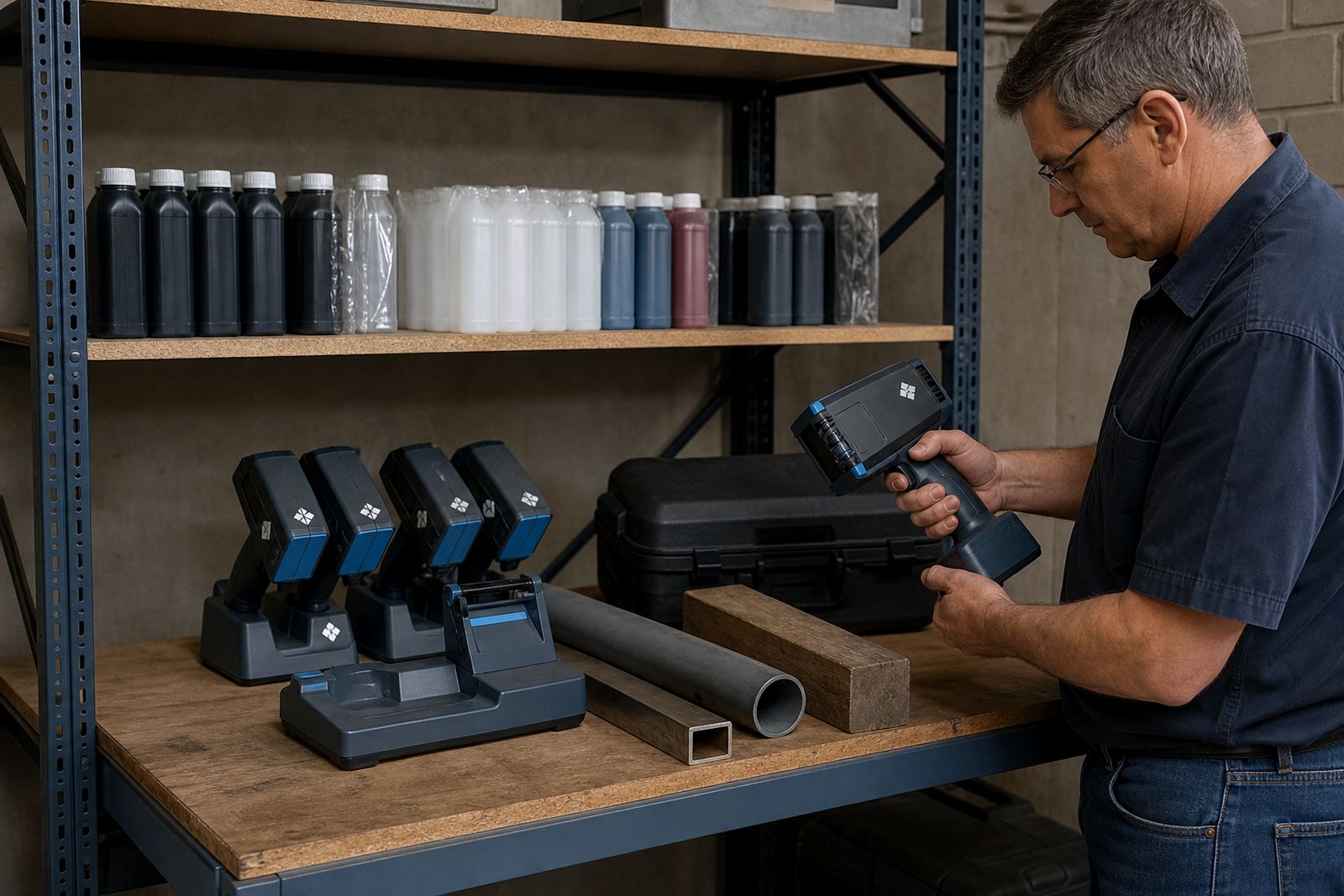
Different surfaces call for different inks. Solvent-based ink is often used where the surface is non-porous or where quicker drying helps with fast handling. Water-based ink can suit more absorbent materials, especially when the print needs a cleaner edge on carton board or timber. Quick-dry options are useful where products move on quickly and contact marks must be kept to a minimum.
The right choice depends on the material, the room conditions and the handling after printing. In Durban, humidity can slow drying on some surfaces, so the print needs testing before a full run. In drier inland conditions, the same setup may behave differently. A short trial on actual stock is worth more than guessing.
For batch coding, contrast is the main issue. A dark code on a dark bag, or a pale print on dusty timber, can be hard to read. The operator has to check whether the message shows up properly under the site’s lighting and from the distance at which staff will inspect it.
Print height, line width and legibility
Handheld coders are chosen not only for mobility but for the size of the mark they can make. Many jobs need a small, tidy code that still reads clearly without taking up too much space. Common print heights range from a few millimetres for a simple date and batch line to larger text for logos or multi-line messages.
A taller print is not always better. On a narrow carton panel, oversized lettering can crowd the surface and leave little room for other information. On pipes or timber, the print may need enough size to stay visible after stacking, wrapping or light abrasion. Barcodes bring their own rules, because the bars and quiet zones must stay clean enough for a scanner to read.
- Short date lines for inward stock control
- Batch numbers for traceability across pallets
- Barcodes for scanning in stores and dispatch
- Logos for product identification and branding
- Multi-line messages where space allows
Testing the print on the actual item is the practical step that saves trouble later. A code that looks fine on a sample sheet may behave differently on dusty timber or a curved pipe.
How handheld coders fit South African hire jobs
Rental is useful when a site has a short production run, a seasonal order or a mixed pack line that needs coding without buying full-time equipment. Week-to-week or monthly terms suit operations that need flexibility, especially when the work shifts between cartons in Durban, pipe marking in Johannesburg and timber bundles in Cape Town.
On hire jobs, the support usually includes ink selection help, message loading, barcode setup, logo setup and test printing. That matters because a coder is only as useful as the setting behind it. If the message is wrong, too faint or printed in the wrong place, the problem slows the line and creates rework.
Rental also helps where several sites use the same type of marking. A business with branches in Pinetown, New Germany and Westmead may need a backup unit for a busy week, or a change of message when the batch format changes. Having a machine that can be set up on site keeps the job moving without extra handling.
For rougher environments, the right setup support can save a lot of waste. Bags, pipes and timber all behave differently, so the print test should be done on the same surface the job will use, not on a neat sample with better conditions.
A practical batch code example from Durban
A packing team in the Durban area may need to mark cartons leaving for coastal distribution and inland transfer. The code might carry the production date, a shift mark and a lot number. If the same stock also includes a barcode, the operator has to keep the text and scan field separate enough for easy reading and scanning.
Now add the real conditions of the job. The cartons may sit in a warm store, then move into a loading bay where moisture and dust are present. If the print dries too slowly, it can smear as the boxes are stacked. If it is too faint, staff spend time checking each unit by hand. A good batch code should reduce those checks, not create more of them.
That is why testing, ink choice and placement all matter together. The code should be visible at receiving, legible at dispatch and tough enough for the route the goods take after printing. Whether the item is a carton, a timber pack or a steel part, the job is the same: make the trace clear and keep the line moving.