Outer case marking for a Cape Town pack line
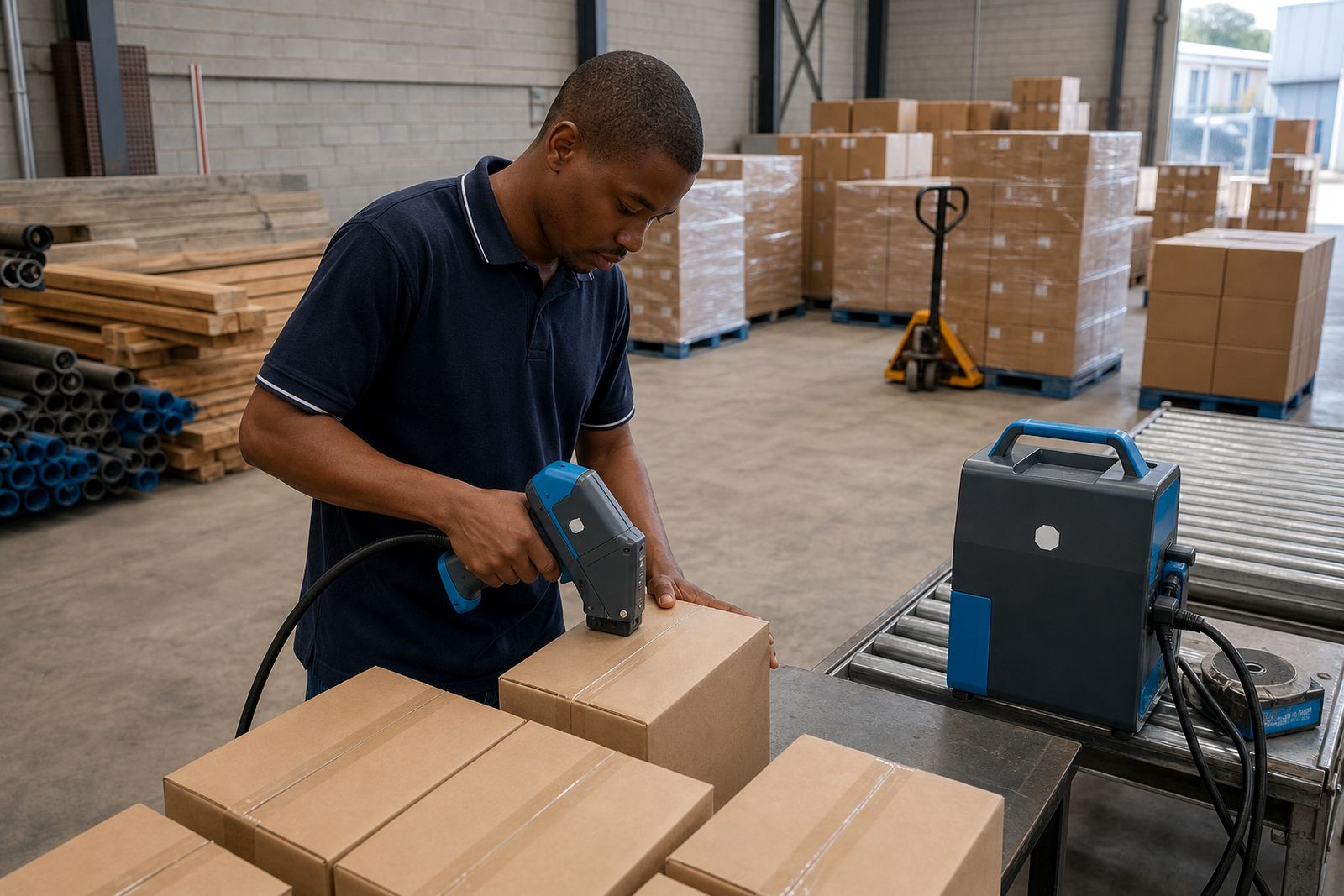
The project came from a contract packing operation in Cape Town that needed coding on finished outer cases after packing and sealing. The team was handling mixed product runs, so each carton had to carry the right date, batch number and product reference before the pallets moved out.
Space around the line was tight, and the cartons were not all the same finish. Some were plain kraft board, others had a light coating that changed how ink sat on the surface. The brief called for clear print on every case, with enough contrast to read at a glance and enough adhesion to survive handling during dispatch.
The brief and the limits on site
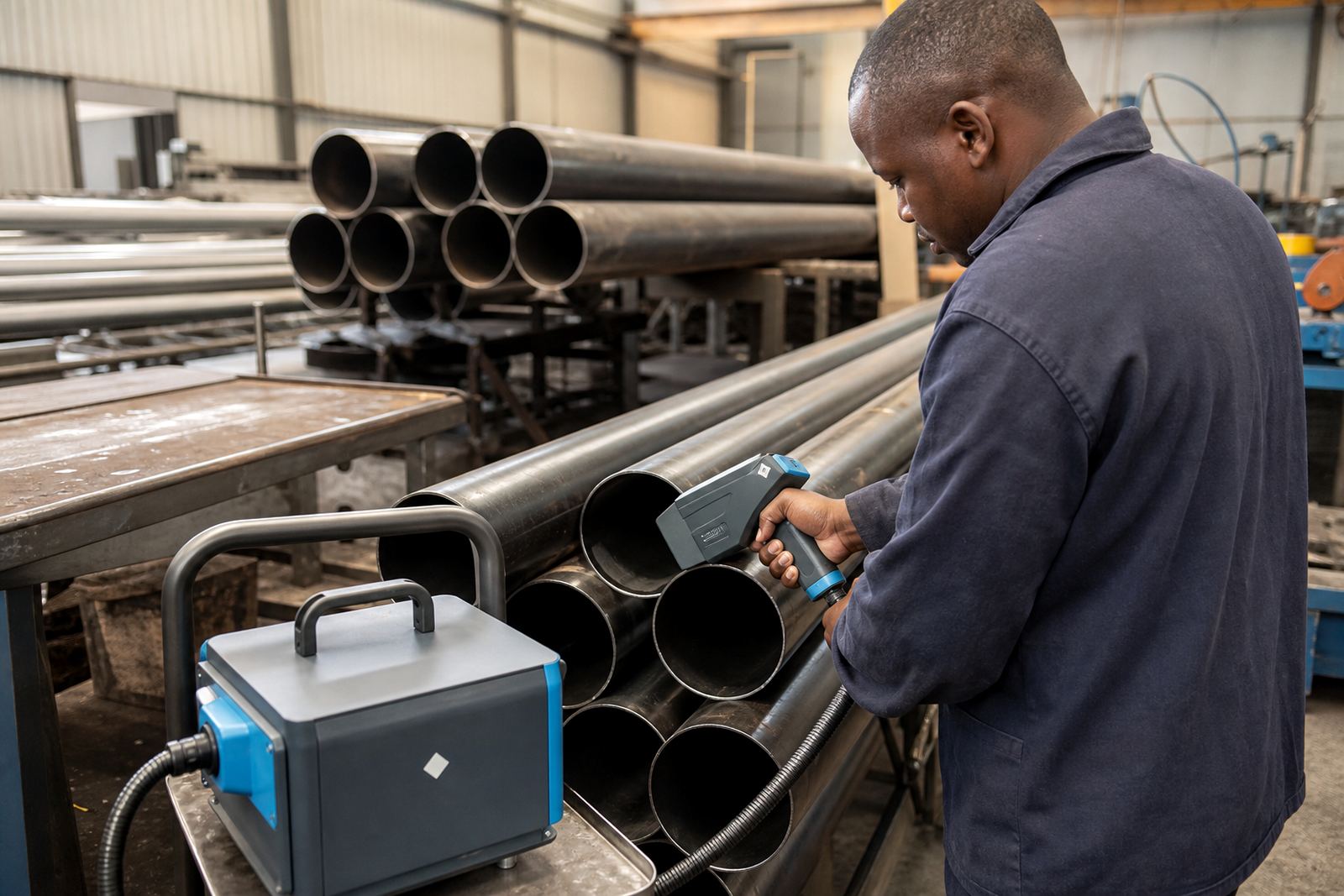
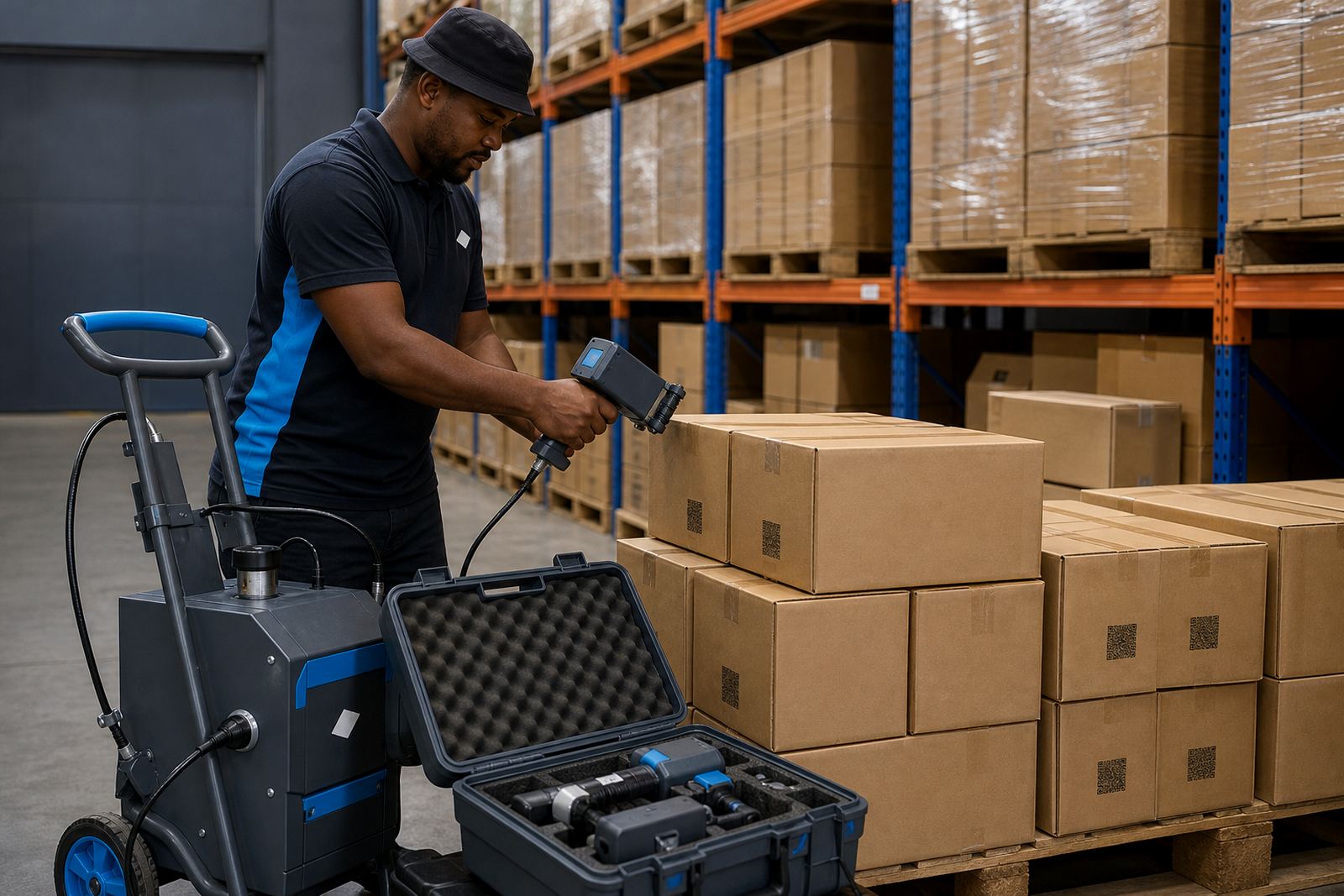
The packing room was working at a steady pace, so the printer had to stay portable and easy to pick up between workstations. The team wanted a coder that could mark both text and barcodes without slowing the line or needing a fixed cabinet position. Print height had to suit the carton face without wasting space, and the marks had to stay legible after stacking and strapping.
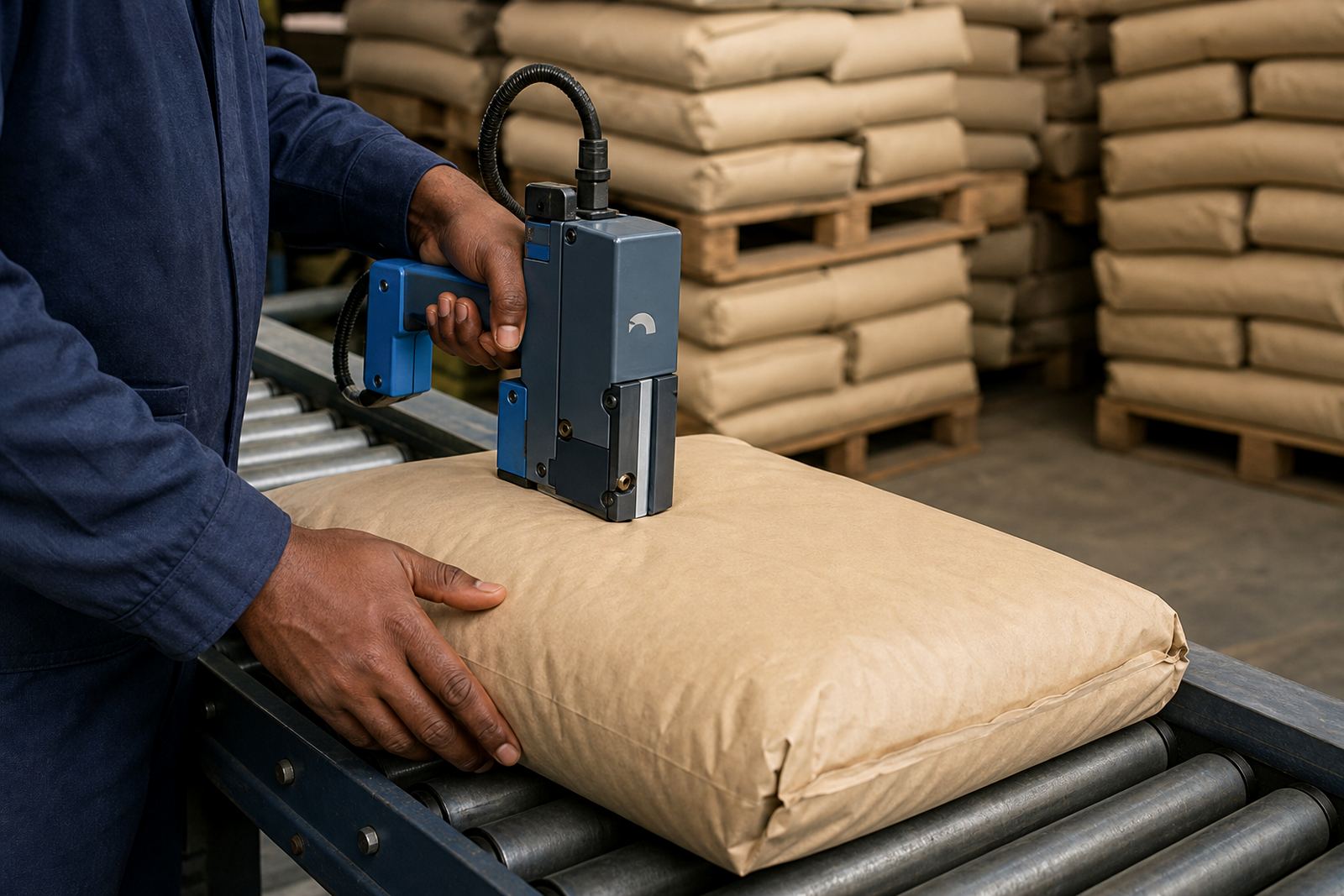
There was also a mix of surfaces in play. Cardboard cartons were the main target, but some packs had handled edges, glue dust and light scuffing from transit. We matched the job to inks that would dry properly on porous board, with a second option ready for the less absorbent packs where drying behaviour needed a firmer hand.
- Cartons with varying board finish
- Batch text, dates and trace codes
- Barcode fields on selected outer cases
- Portable use between packing points
What went out on hire
We supplied handheld inkjet printers set up for case coding, plus the ink types that suited the pack room conditions. For porous cartons, quick-dry and water-based inks were used where clean handling was the priority. For some coated surfaces, solvent-based ink gave firmer adhesion and better resistance to smudge while the cases were moved and stacked.
The settings were loaded for consistent print height, with messages laid out to suit the available panel on each case. We also prepared barcode setup where the customer wanted machine-readable marks on selected cartons. Test prints were done on the actual board used on site, because sample board and production board do not always behave the same.
Along with the units themselves, we handled consumables supply, message loading and practical instruction for the operators who would use the coders every shift. The aim was to keep the handover neat and plain, with the pack team able to change messages without guessing at the settings.
Three weeks from setup to steady use
The job ran over three weeks in stages. The first week covered issue, setup and test printing on site in Cape Town, with message formatting adjusted to match carton sizes and the layout the pack team wanted. The second week was used for live production on the main run, where we checked print consistency and fine-tuned the barcode placement.
In the third week the client settled into normal hire use and kept the printer on the pack floor for the scheduled runs. Where a carton surface changed from plain board to coated board, ink choice was reviewed and adjusted so the mark stayed crisp. The team kept one backup unit available for continuity, which mattered on a line that could not afford a long stop while a fault was sorted out.
- Initial setup and test prints on site
- Message changes for mixed carton sizes
- Barcode placement checked on live packs
- Backup unit support kept the line moving
Cape Town humidity, handling and clean print
Cape Town’s coastal air can change how fast an ink dries, especially on warmer days when cartons are packed close together. That mattered on this job because the outer cases were being moved soon after marking. The chosen ink had to dry cleanly, with no smearing when a case was lifted, turned or stacked against another one.
We also paid attention to the way the carton face was being handled. Finger contact, tape residue and slight board dust can all affect how a mark looks once the case has left the printer. The answer was not extra force, but a better match between ink, substrate and print pass. That kept the text sharp and the barcodes readable without overworking the operator.
What the client kept printing after the job
By the end of the hire period the packing team had a repeatable method for case coding on their Cape Town project. The messages were already loaded, the operators knew the print spacing they wanted, and the ink choice had been matched to the board used on each run. That meant fewer pauses for corrections and less waste from boxes that had to be reworked.
The practical benefit was not flashy. It was steady, legible coding on cartons leaving the line, with a printer that could move where it was needed and a supply plan that fitted the week-to-week rhythm of contract packing. For a short-term project with shifting pack orders, that matters more than a fixed installation ever would.
For outer case coding on contract packing work, our sequence stays the same: assess the carton face, load the right message format, test on the actual board, then match the ink to case handling before dispatch.
Key facts
| Project | Outer case coding hire for contract packing |
|---|---|
| Town | Cape Town |
| Print use | Dates, batch numbers, barcodes and logos |
| Surface types | Cartons, coated board and mixed outer cases |
| Ink options | Solvent-based, water-based and quick-dry |
| Hire terms | Rental by the week or month with consumables and support |