Pipe work in Westmead needs marks that hold up
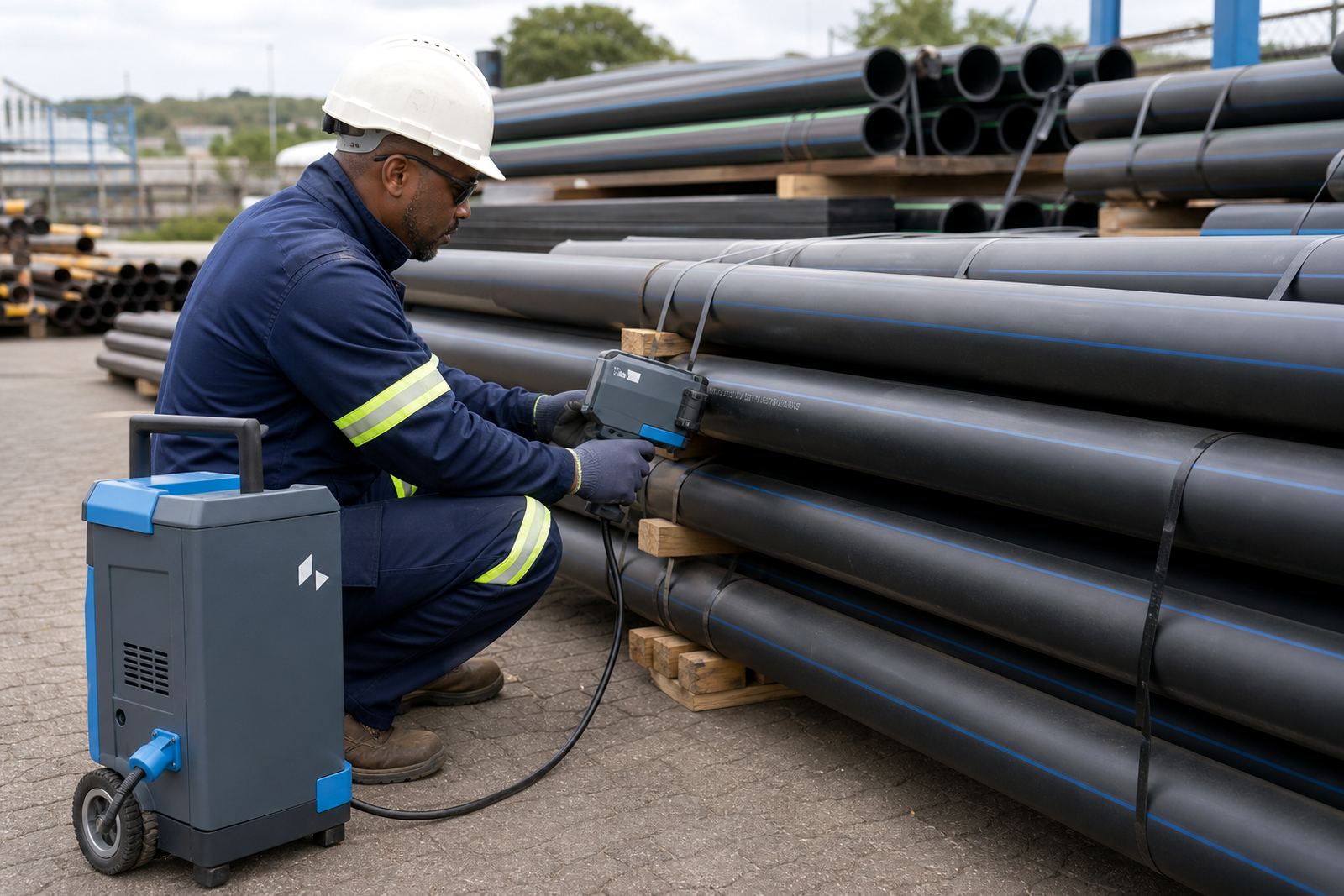
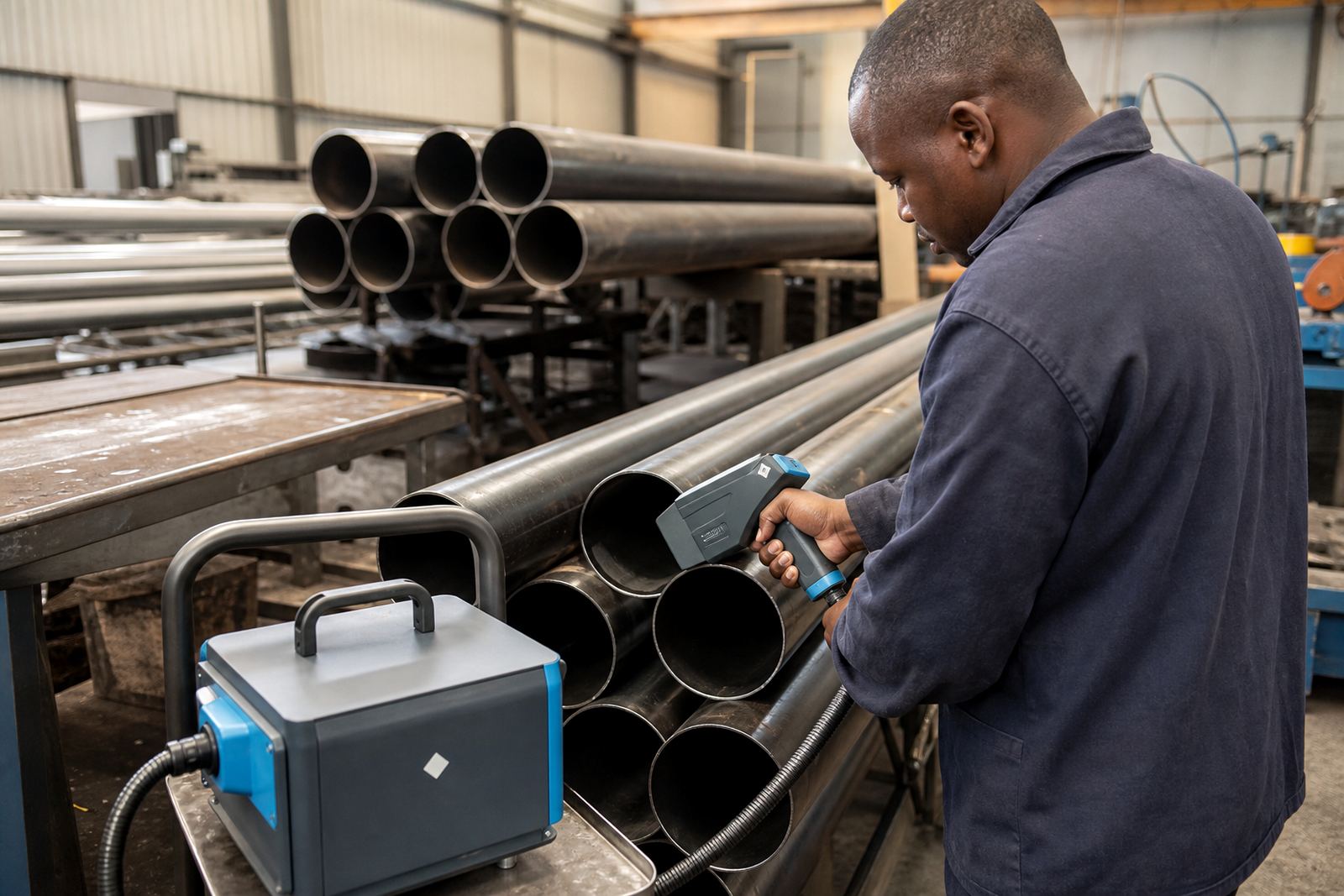
The job came from a pipe processor in Westmead, Durban, working through a short production run with mixed lengths and bundles. The team needed batch numbers and date marks on steel pipe sections, with the print clear enough for internal tracking and handover checks at the yard. The surface was not perfectly forgiving, so the coder had to place clean marks without smudging as the pipe moved along the work area.
They also wanted a unit that could be hired for the run only, not purchased for one burst of work. That made a handheld coder a sensible fit, especially where the marking point shifts with each pipe bundle and the operator needs to work around clamps, racks and moving stock.
What the yard asked for on the brief
The brief was practical: print batch numbers, date codes and a short logo mark on pipe lengths before dispatch. The pipe diameter varied, so the print head had to sit comfortably in the hand and leave a steady impression on curved steel. The team wanted a mark height that would stay readable from a few steps away, but not be oversized for the pipe face.
- Batch coding for traceability across the run
- Date marking for dispatch records
- Simple logo placement for identification
- Quick setup for operators already working on the floor
- Ink suitable for metal handling and regular contact
The printed message needed to stay the same from the first bundle through to the last. That meant the code format needed to be loaded once, then checked on a test piece before the main run started.
The coder, ink and print height we put together
We supplied a handheld inkjet coder suited to industrial marking on steel, with a print height in the 12 mm to 25 mm range for the main code line. That size gave the yard enough presence for batch marks without crowding the pipe surface. The unit was loaded with quick-dry solvent-based ink for the metal sections, which helps reduce smearing where the pipe is handled soon after marking.
For a job like this, ink choice matters as much as the machine. A steel surface can vary from clean to slightly oily, and the wrong ink can sit on the face too long or break up on contact. We checked the pipe finish, matched the ink to the material, and kept a spare cartridge on hand for the run. One section was marked with a lighter hand and still read well, which saved a bit of rework.
- Handheld inkjet coder for portable pipe marking
- Print height set for batch codes and short logos
- Quick-dry solvent ink for coated and bare steel
- Spare consumable supply for the hire period
Setup on site and message loading
Our field setup technician met the yard team in Westmead and loaded the message format with the required batch fields, date line and logo block. The operator training covered trigger pressure, head angle and the spacing needed to keep each code straight on the pipe curve. There was also a test print section, because steel can show any wobble fast and the team wanted the first bundle checked before full output started.
Remote setup help was kept available during the hire, but the first session on site handled the main work. Once the format was set, the operators could swap between pipe sizes without rebuilding the whole message. That saved time and kept the marking sequence tidy, even when the bundle changed mid shift.
Weekly hire terms for a short production run
The project ran on weekly hire terms because the job was short and the production window was tight. That suited the yard better than tying up capital in equipment they would only need for a brief period. The collection and return plan was matched to their dispatch pattern, so the coder could stay on site while the run was active and be collected once the last pipe bundle was signed off.
For a short run like this, the real value is in having the machine, the ink and the support grouped together under one hire arrangement. It keeps the marking side of the job less scattered. If the line shifts, the coder can shift too, and the same unit can move with the work instead of waiting on another machine.
- Weekly hire for a short pipe run
- Delivery and collection arranged around the yard flow
- Consumables supplied with the unit
- Backup unit support available if needed
What the marking looked like by the end of the run
By the end of the job, the pipe bundles carried clear batch marks and date codes that could be checked at a glance. The logo mark stayed legible on the selected area, and the operators were comfortable using the unit without stopping the flow every few pipes. That matters on a steel job where the handling pattern changes through the day and the mark still needs to sit in the same place.
The client also had fewer rejected pieces from unclear coding, which made the dispatch side easier to manage. The mark was readable on the pipe, the setup stayed stable, and the team did not have to make awkward workarounds around the print line. It was a fairly plain job on paper, but the details had to land right.
Pipe marking results worth repeating
We would use the same approach on another Westmead pipe run: check the surface first, load the message in a clear format, and test on a sample pipe before the main shift starts. If the job involves coated steel, a quick-dry solvent ink is often the safer path. If the surface is cleaner and the handling is lighter, a different ink type can be considered for the mark window and finish.
The other part we would keep is the operator handover. A handheld coder works best when the person using it understands pressure, angle and the spacing between prints. Once that is set, the unit does its job without fuss and the batch line stays readable through the run.
Key facts
| Project | Westmead Pipe Job |
|---|---|
| Town | Westmead, Durban |
| Client type | Pipe processing yard |
| Surface | Steel pipe sections |
| Marking | Batch codes, date codes, short logo |
| Hire term | Weekly hire for a short production run |