
The bag line and the marking brief
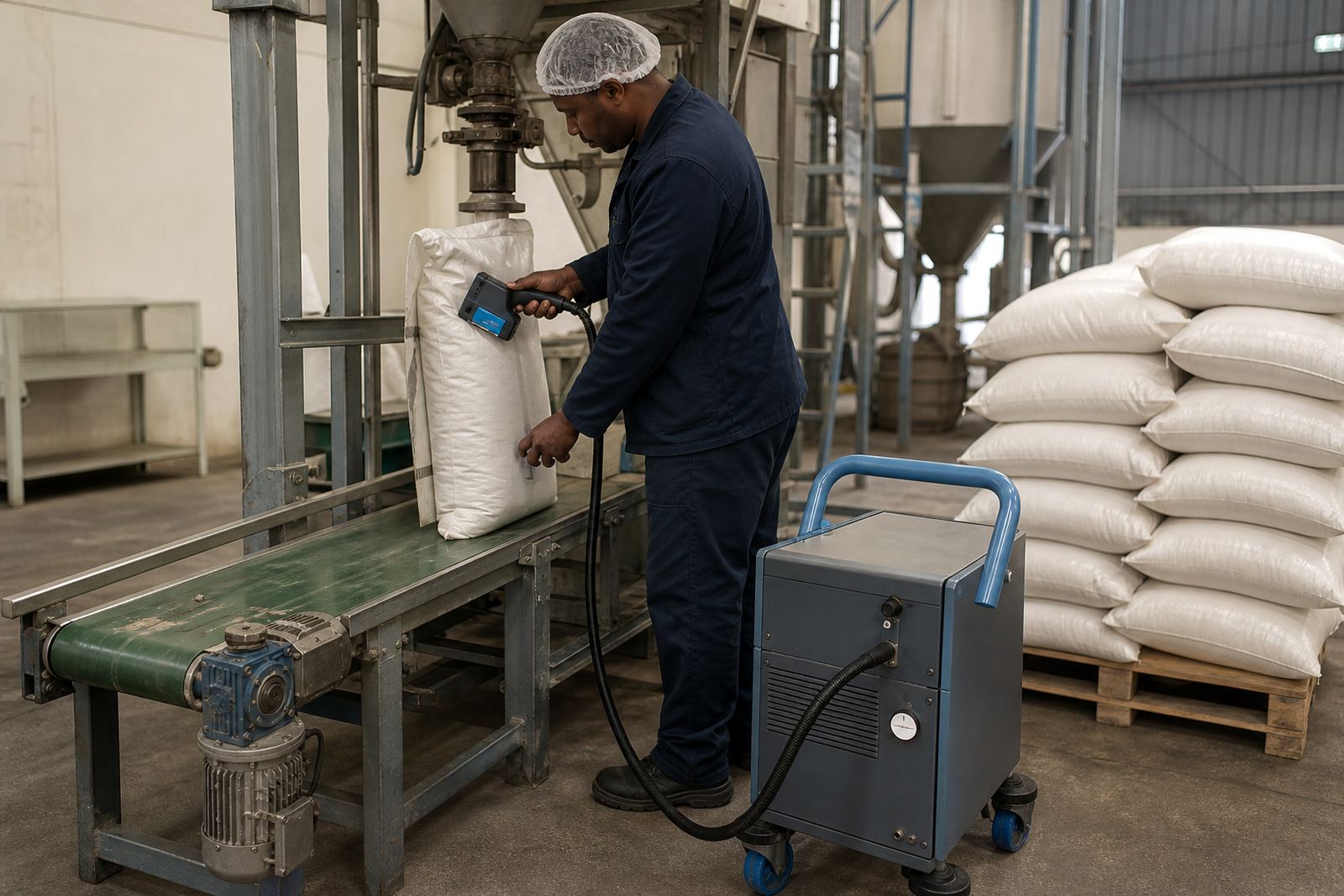
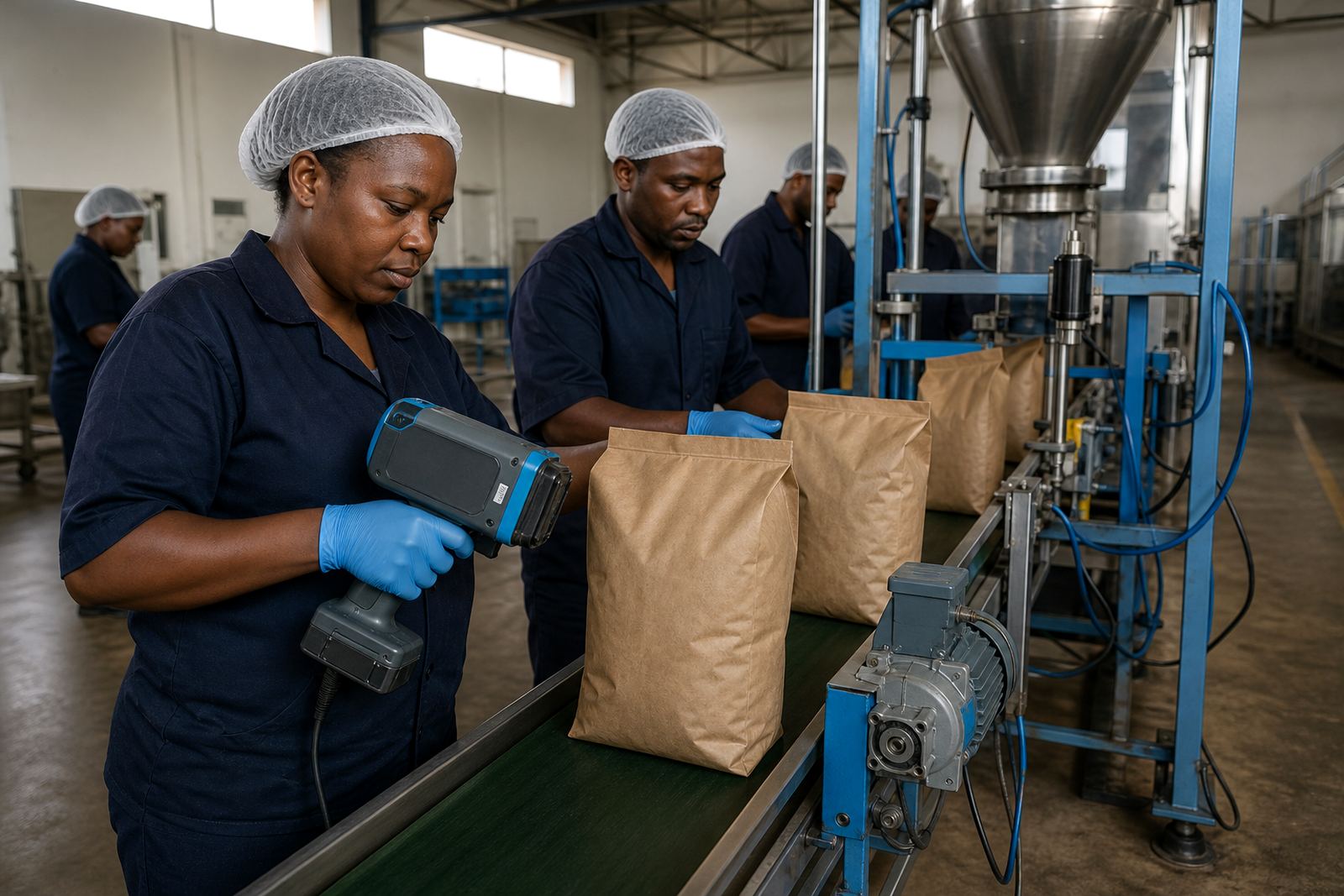
The plant was filling bags for local distribution and needed each bag marked with a batch number, date code and product line reference. The bag surface had a light texture, so the print had to stay readable without smudging when stacked or moved by hand.
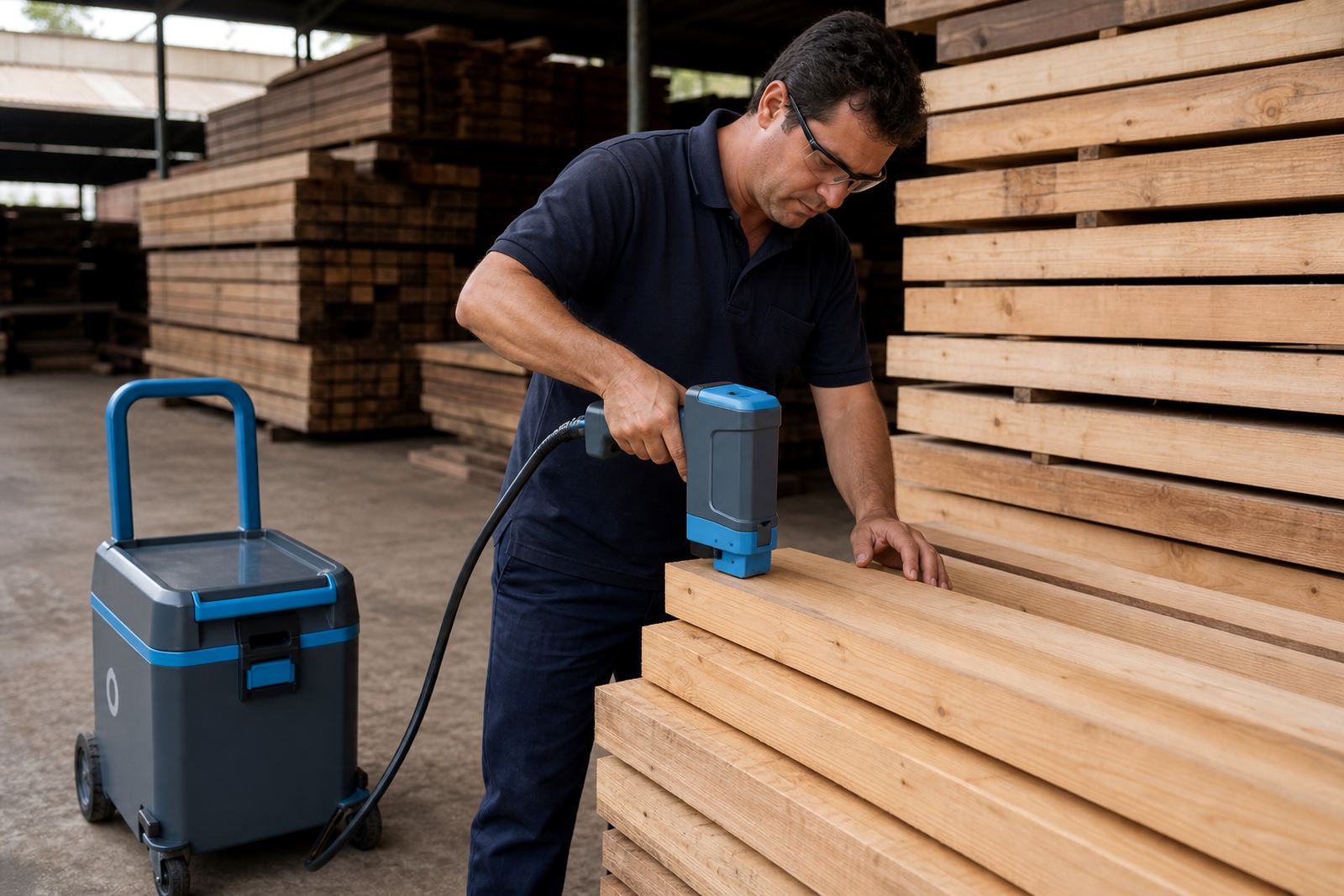
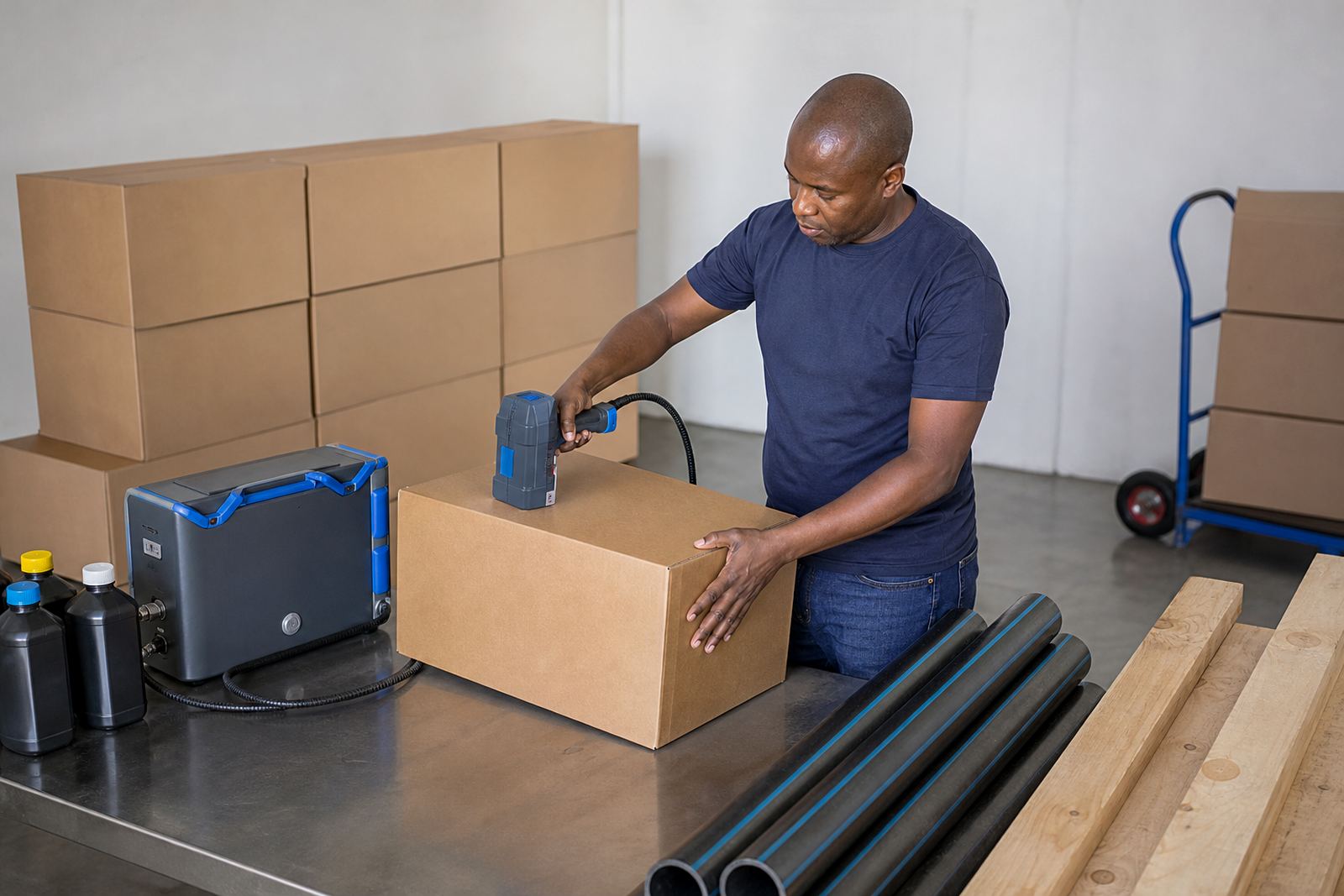
The team wanted a handheld unit because the bags were already sealed and the marking point changed as the shift moved along. Fixed labelling would have taken more handling, and stickers were not a good fit for the surface or the pace of the line.
- Filled bags moving through a small packing area
- Batch codes needed on the outer face of each bag
- Marks had to hold up during handling and storage
- The job needed short-term hire, not a permanent purchase
What the line needed from the printer
We matched the job to a handheld inkjet coder that could print clear text and simple barcodes at a practical height for bag coding. The unit was set to work with a print height suitable for batch text and compact marks, so the code stayed neat on the curved and slightly uneven bag surface.
The site also needed ink that would dry fast enough for stacked bags. A quick-dry solvent-based option was the best fit here, because the bags were handled soon after marking and the material needed a firmer set than a water-based blend would give on this surface.
- Print height set for short batch lines and readable date code text
- Quick-dry ink selected for handled bags and short dwell time
- Simple message layout loaded for repeat marking on the same pack style
- Barcode option left ready for future use if the pack code changed
What we supplied for the short hire
The hire covered the printer, ink, message setup and operator handover. We also tested the print on spare bags first, because the woven texture and filling marks can change how the code lands on the surface.
The operator needed a unit that was light enough to move along the packing bench and simple enough for short runs between changeovers. We set the text in a tidy format, checked the print contrast, then handed over the unit with a few working notes for the shift lead.
- Handheld inkjet printer on weekly hire terms
- Ink bottle selected for the bag material and handling pace
- Message loading for date code, batch code and line reference
- Test printing on spare stock before production use
- Remote setup help available for later message changes
Timing, handover and on-site support
The hire ran over a short period measured in weeks, which suited a plant that only needed batch coding for a limited production window. The first setup covered the printer, the message and the print position, then the team carried on with the bags at the packing point.
On-site support covered the practical parts that matter on a live line, such as message checking, print alignment and basic cleaning between runs. Morne handled field setup on the site, while Anel? no, the training technician showed the operator how to keep the nozzle area clean and how to pause for a quick test print if the code started to drift.
- Weekly hire used for the first production run
- Message position checked against bag seams and fill level
- Operator training given at the packing bench
- Troubleshooting support kept available during the hire period
What the plant gained from the hire
The finished bags left the line with clear batch identification and better traceability for dispatch and stock control. The print stayed legible on the textured bag face, and the team did not have to interrupt packing for a separate labelling step.
Because the unit was hired only for the period needed, the plant kept the job lean and avoided holding unused equipment after the run ended. The final result was neat, consistent coding on bags that were already filled and ready for movement through the warehouse.
- Clean batch marks on filled bags
- Better traceability for stock and dispatch checks
- Less handling around the packing bench
- No unused printer left behind after the short run
What we would set up the same way on a similar bag run
For another bag coding job in New Germany or elsewhere in Durban, we would use the same sequence: confirm the bag material, choose ink for the drying window, test the print on spare stock, then load the message before the shift starts. That order keeps the printer matched to the surface instead of forcing the surface to fit the machine.
For packs with stronger weave or more dust, we would still start with a short test set and adjust the print height before production begins. If the job later needs barcodes or a logo, the same handheld unit can carry those elements as long as the code area stays clear and the print stays within the usable face of the bag.
- Start with test prints on spare bags
- Match ink choice to the bag material and handling time
- Keep message length short for a cleaner print face
- Adjust the print height before the full run starts
Key facts
| Project type | Short-term hire for bag batch coding |
|---|---|
| Area | New Germany, Pinetown, Durban |
| Surface | Filled bags with a light textured face |
| Print content | Date code, batch number and product line reference |
| Printer type | Handheld inkjet coder |
| Ink used | Quick-dry solvent-based ink |
| Hire term | Weekly hire during the production window |