Handheld coding for short traceability marks
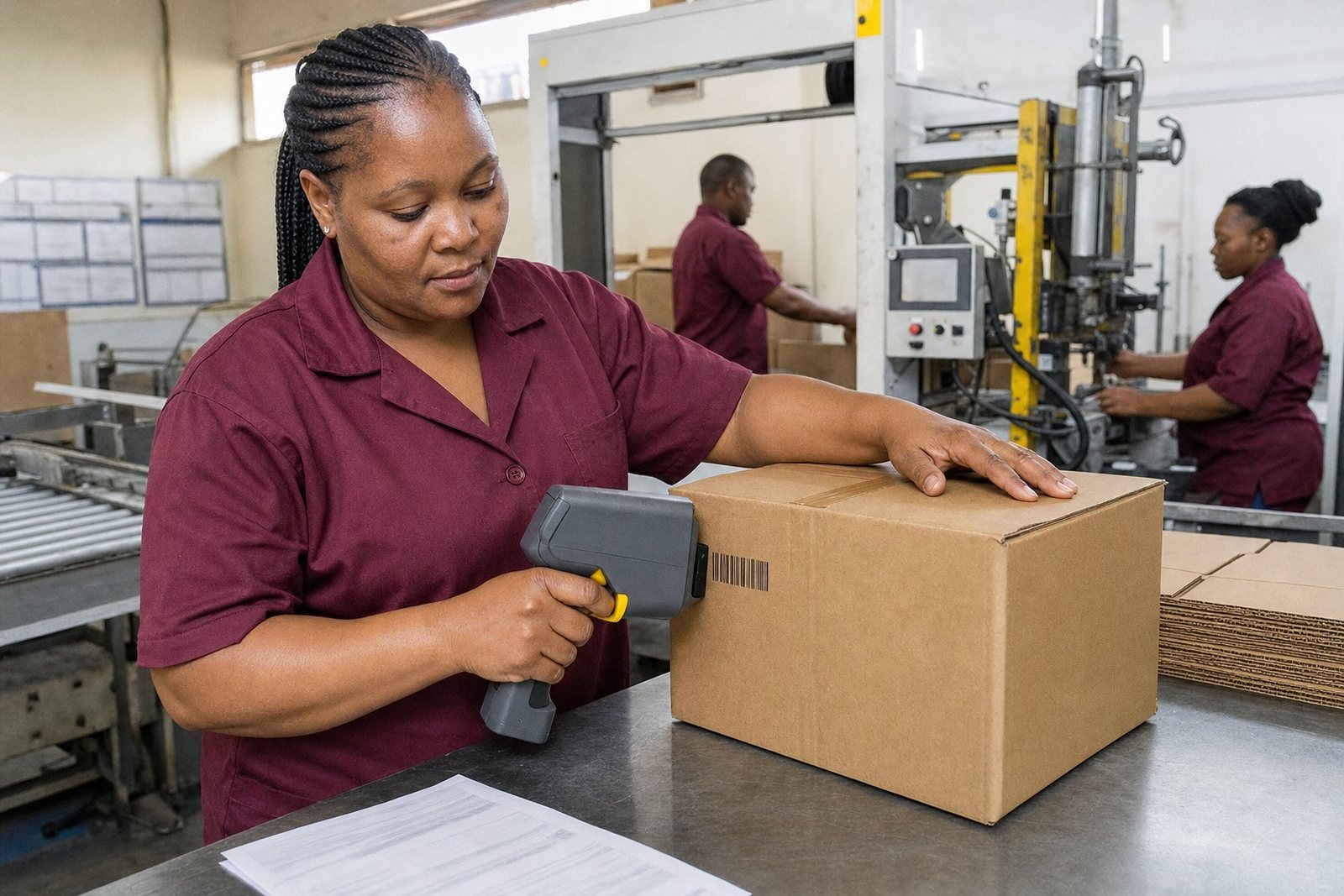
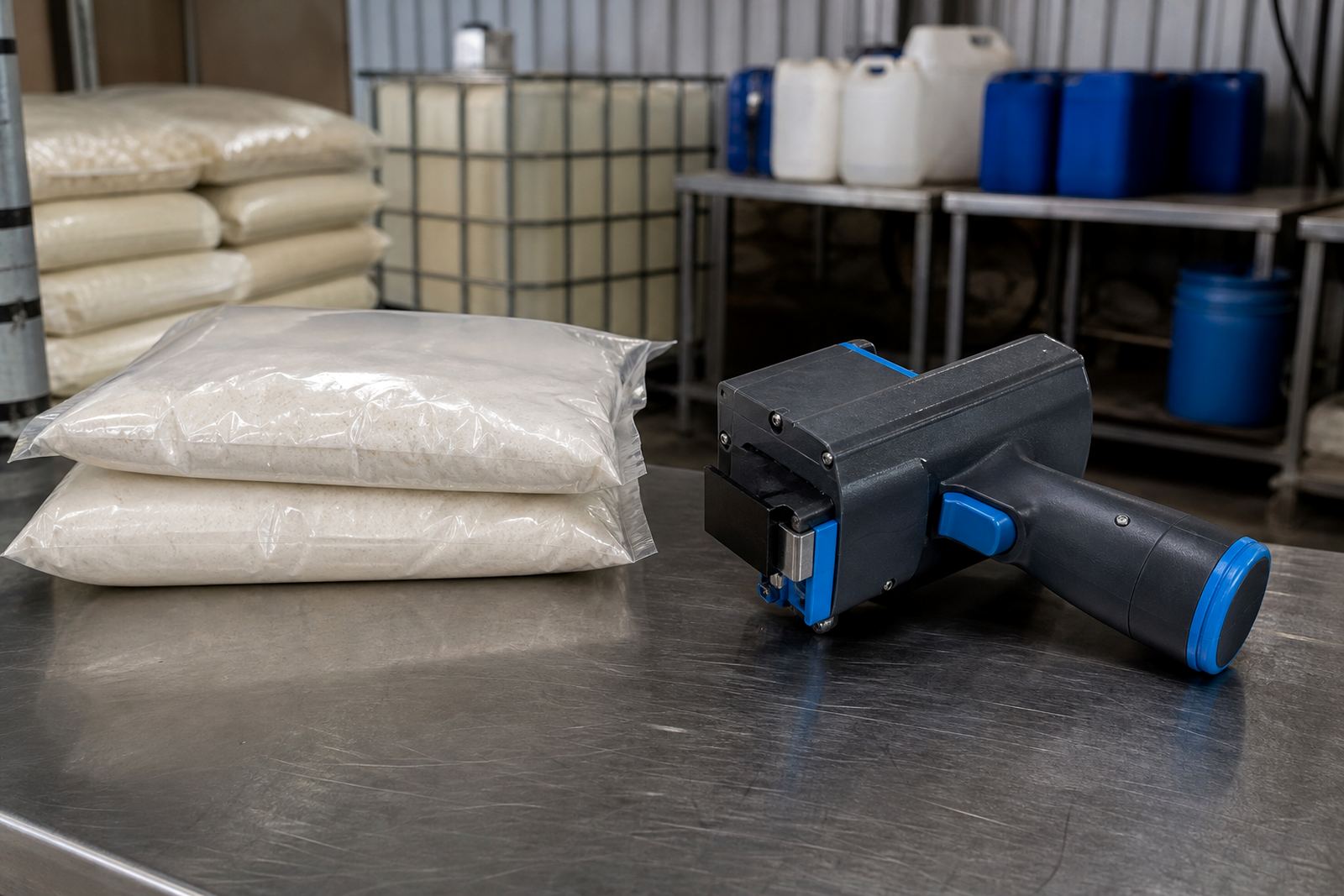
For this job we hire out a handheld inkjet coder used for dates, batch numbers, shift marks, lot codes and short identifiers on moving or static goods. It suits packhouses, timber yards, small factories, warehouses and contract packing where the mark must sit straight, read cleanly and hold through handling.
These units print on porous and non porous surfaces, depending on the ink chosen. Cartons, paper sacks, shrink wrap, timber, coated boards, pipes and powder coated steel can all be marked with the right combination of printhead setting and solvent, water-based or quick-dry ink.
The usual print height ranges from 12.7 mm to 25.4 mm, with single-line or multi-line layouts for short code blocks. Most jobs only need a few lines, not long text, and that keeps the mark neat on narrow panels and curved stock.
Sizes, print heights and layout choices
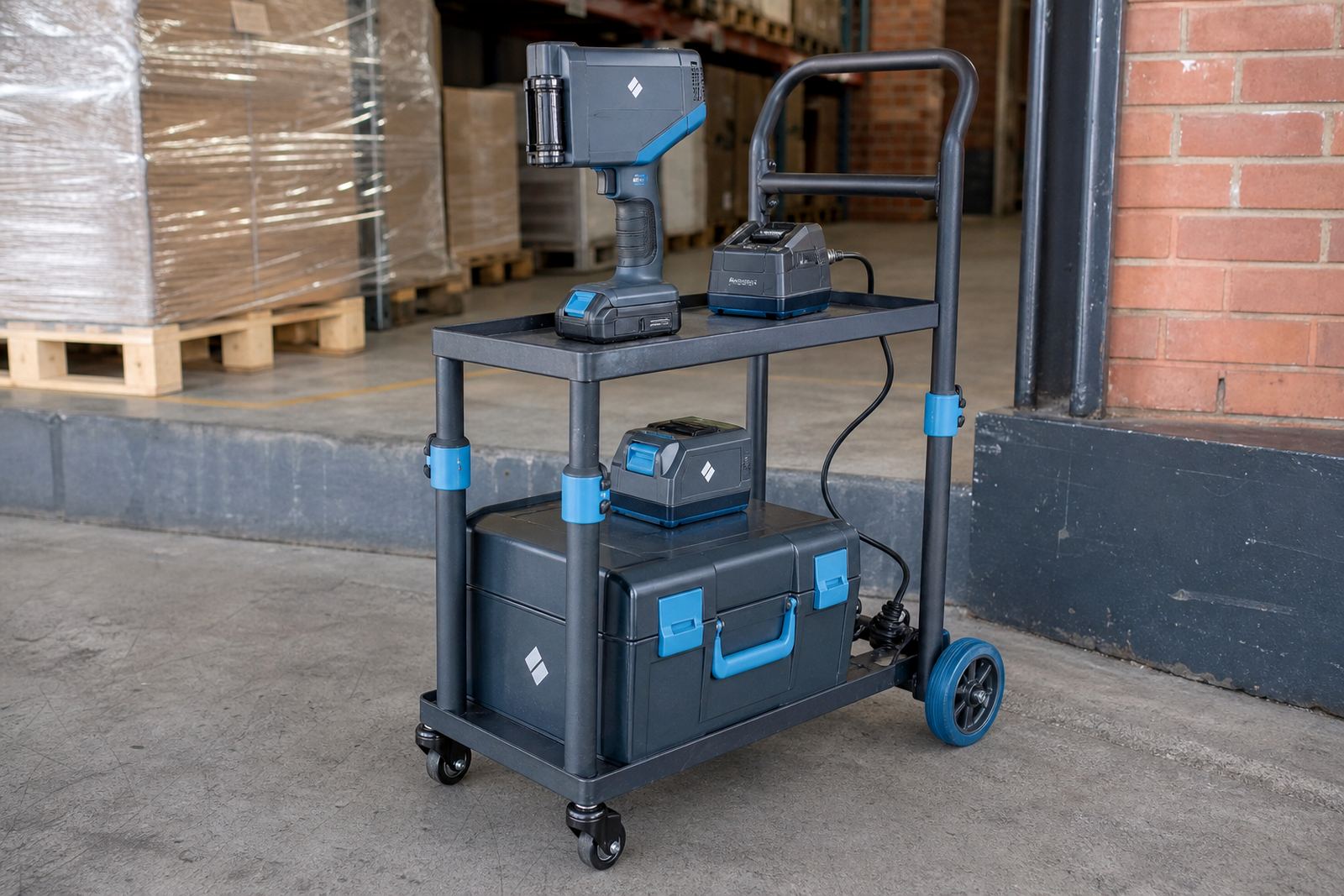
Batch code printers in this hire range are compact enough to carry between packing benches, pallets and yard areas. They are set up for short strings, but the message can include numbers, text, symbols, a logo and a barcode where the surface and the code length allow it.
- 12.7 mm print height for tight spaces and small cartons
- 25.4 mm print height for bolder marks on bags, timber and crates
- Single-line, double-line or stacked text layouts
- Barcode support for common traceability labels
- Logo loading for simple company marks and batch stamps
Where the product moves through cold rooms, hot packing areas or dusty timber sheds, the print setup needs matching ink and a clean surface. A flat test panel helps with curved pipe, varnished timber and rough cardboard, because each material takes ink differently.
Jobs this hire suits around the line
This hire option fits short-run marking where a full label printer would slow the process down. It works well for carton coding in Durban, timber marking in Pinetown, batch work in Pietermaritzburg and warehouse dispatch in Johannesburg or Cape Town.
- Cartons with date codes and lot numbers
- Timber lengths with grade, length or pack numbers
- Pipes with shift marks, project codes or site identifiers
- Steel sections where quick-dry ink is needed for handling
- Bags and sacks that need batch traceability at dispatch
Coastal humidity in Durban and Richards Bay can affect drying on some surfaces, so the ink choice matters just as much as the printer itself. On smoother materials, quick-dry ink helps reduce smudging. On absorbent stock, water-based ink can give a clean, low-bleed mark if the surface accepts it well.
Setup, fitting and operator handover
Handheld coders still need careful setup so the line reads correctly and stays in the right position. Message loading, barcode setup, logo setup and test printing are part of the hire process when the code has to match an internal batch sheet or dispatch note.
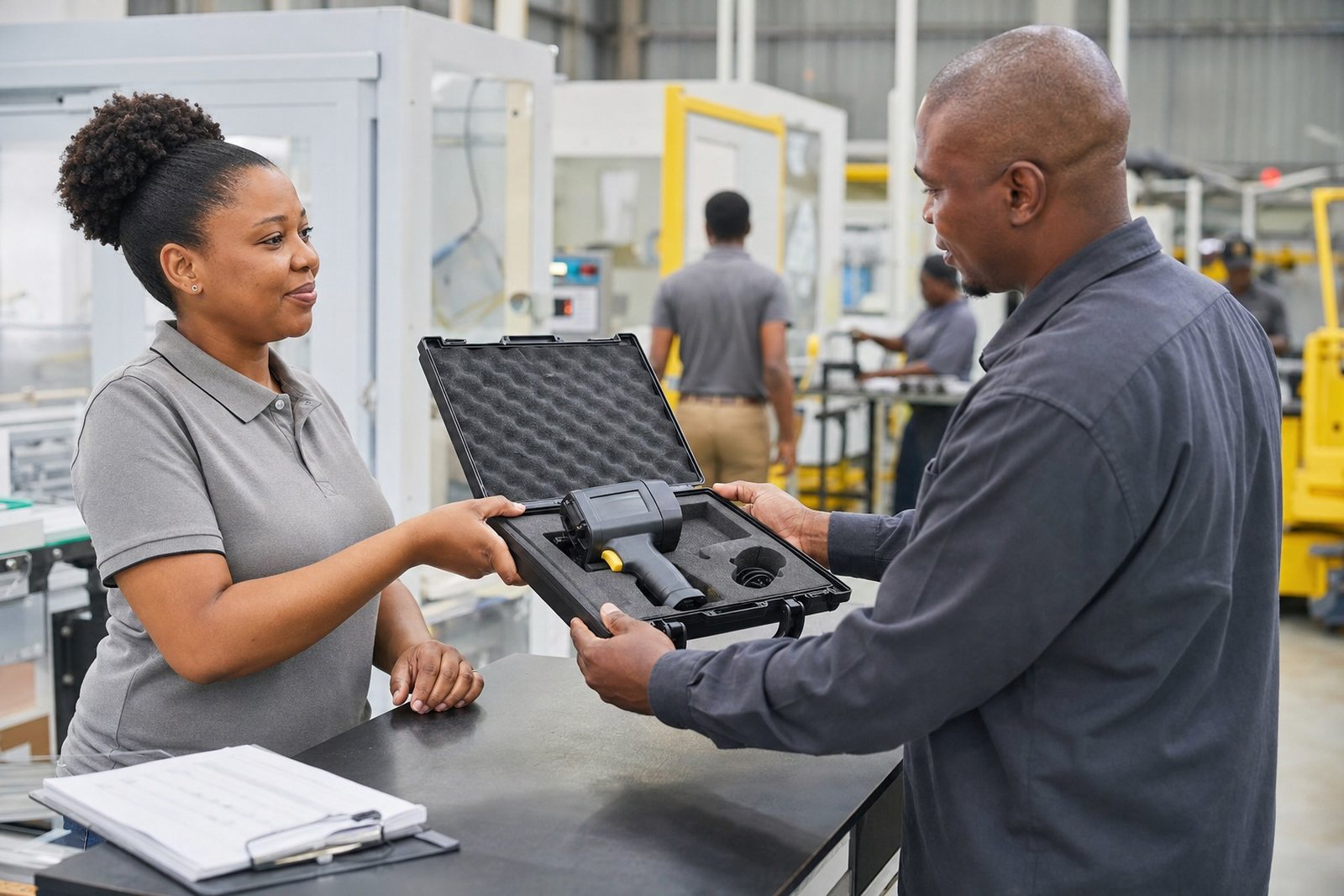
We handle delivery and collection, on-site setup, remote setup help and operator training across the main hire areas. The unit is positioned by hand, but the printhead angle, trigger timing and distance to surface need proper adjustment before production starts.
- Power charging for the handheld unit and spare battery handling where supplied
- Message entry with dates, batch codes, shift codes and short text
- Test prints on the actual pack or a sample panel
- Ink selection help for absorbent, coated or non-porous surfaces
- Backup unit support where continuous marking is important
Ink, cleaning and day to day care
Choosing the right ink needs attention from the start of the job. Solvent ink is usually selected for quicker drying on non porous surfaces such as coated cartons, plastics and some metals. Water-based ink can suit porous stock like cardboard, paper sacks and timber. Quick-dry ink helps when handling starts straight after printing.
The printhead should stay clean, capped properly and wiped with the correct fluid when needed. Dust from timber, glue mist from carton lines and moisture from coastal air can all affect print clarity if the unit is left open on a bench. A small wipe-down habit saves trouble later.
Consumables supply covers ink and related items used during the hire term. Where there is a colour change, a new message or a different surface mix, the settings should be checked before the next run starts so the batch mark stays readable.
What to confirm before the hire starts
To match the unit to the job, the main details are the surface, the code content and the daily handling pattern. A carton line in Cape Town may need different ink behaviour from a timber yard in Pinetown or a pipe contractor in Johannesburg.
- Surface type: carton, timber, pipe, steel, sack or coated board
- Print size needed: 12.7 mm or 25.4 mm
- Code content: date, batch number, shift code, logo or barcode
- Expected handling: immediate stacking, wrapping or transport
- Hire term: weekly or monthly
- Area and delivery point: Pinetown, Durban, Pietermaritzburg, Johannesburg, Cape Town or Richards Bay
Hiring for a week suits short campaigns and urgent dispatch runs. Monthly hire works better when the same code repeats across an ongoing production line or when several sites need a steady batch marking setup under one arrangement.
Key facts
| Product type | Handheld inkjet batch code printer hire |
|---|---|
| Print height | 12.7 mm to 25.4 mm |
| Code formats | Dates, batch numbers, shift codes, short text, barcodes and simple logos |
| Ink options | Solvent, water-based and quick-dry inks |
| Surface range | Cartons, bags, timber, pipes, coated board and steel |
| Hire terms | Weekly or monthly |
| Base area | Pinetown, Durban |
| Coverage | South Africa, including Durban, Pietermaritzburg, Johannesburg, Cape Town and Richards Bay |