Steel marking without fixed line equipment
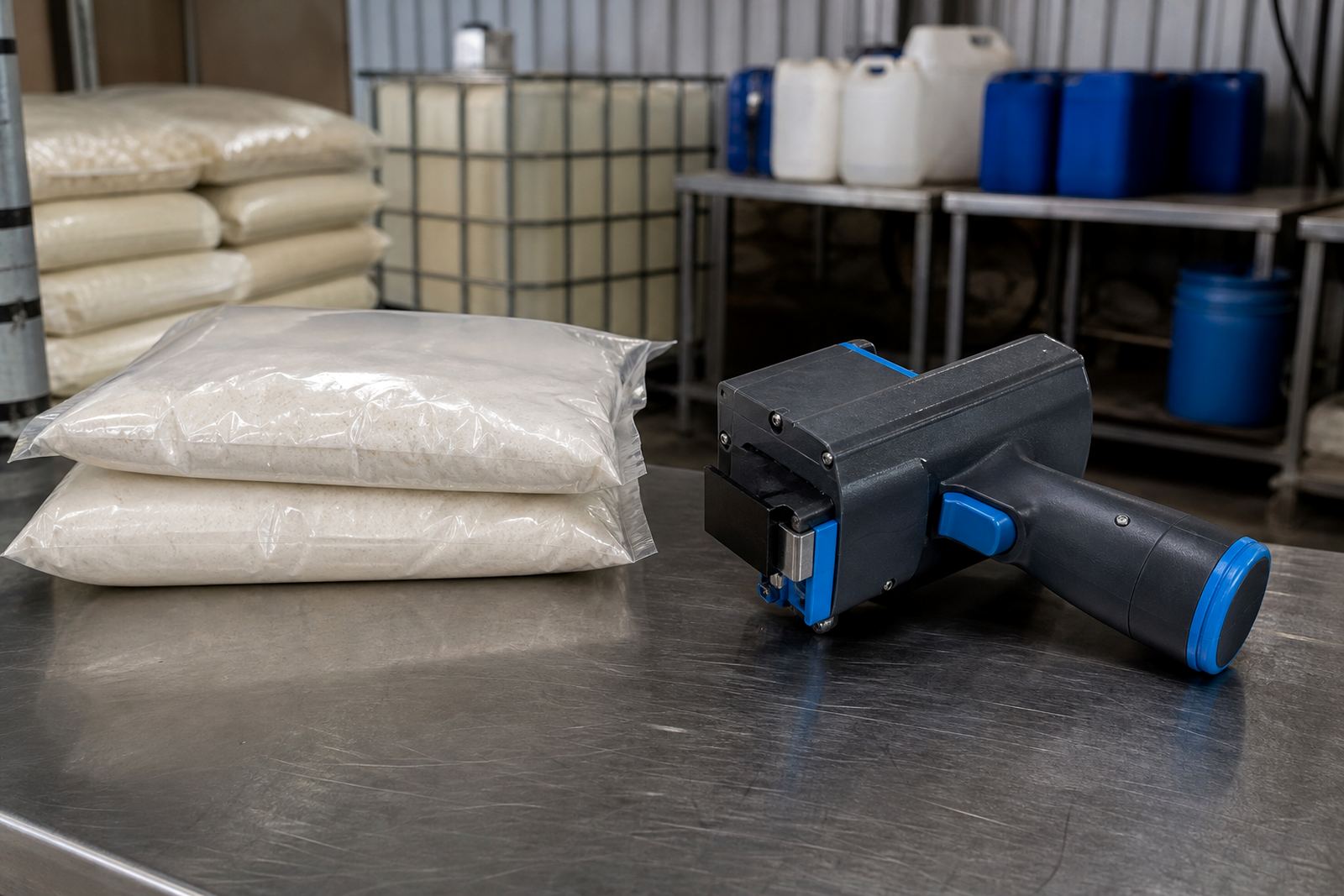
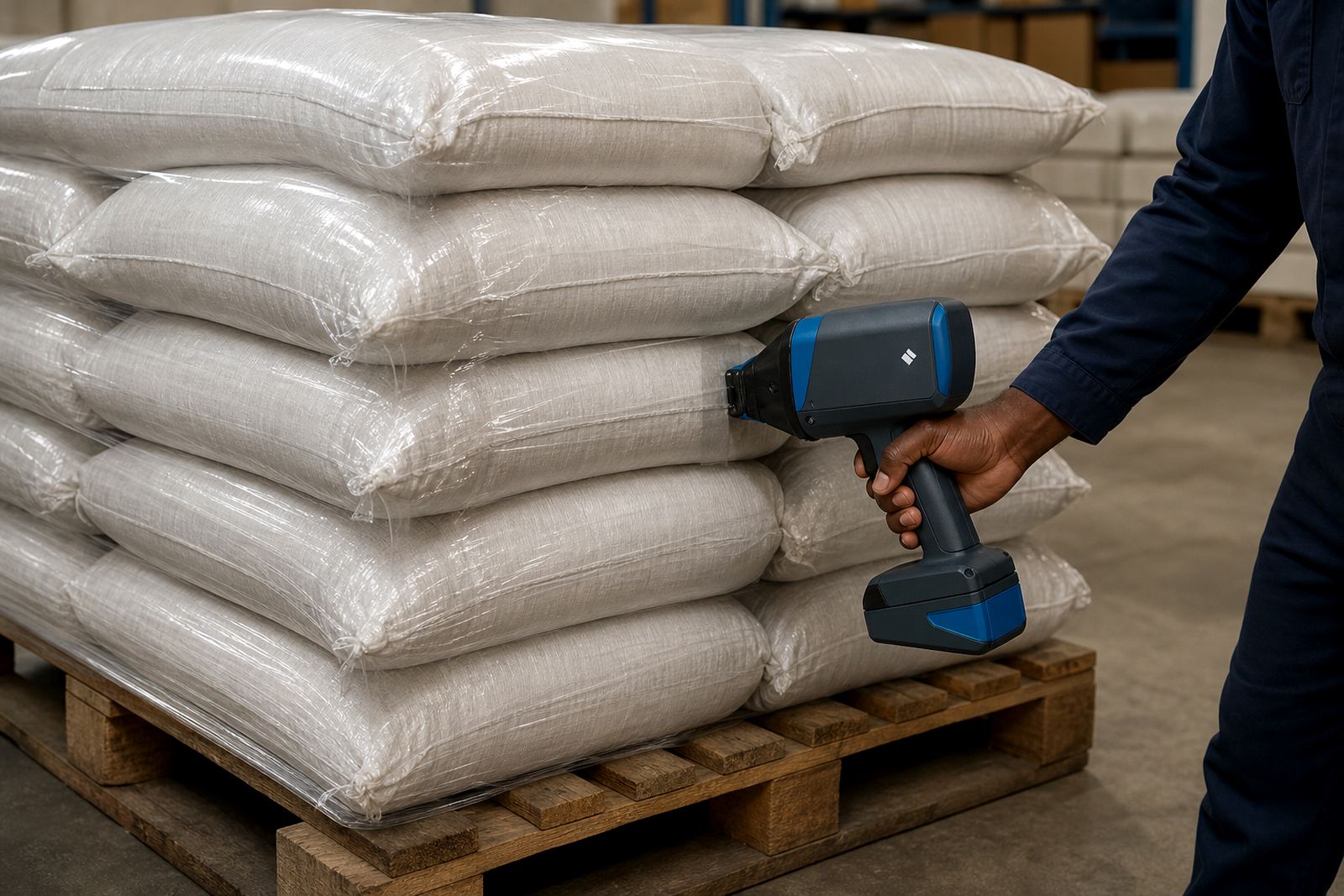
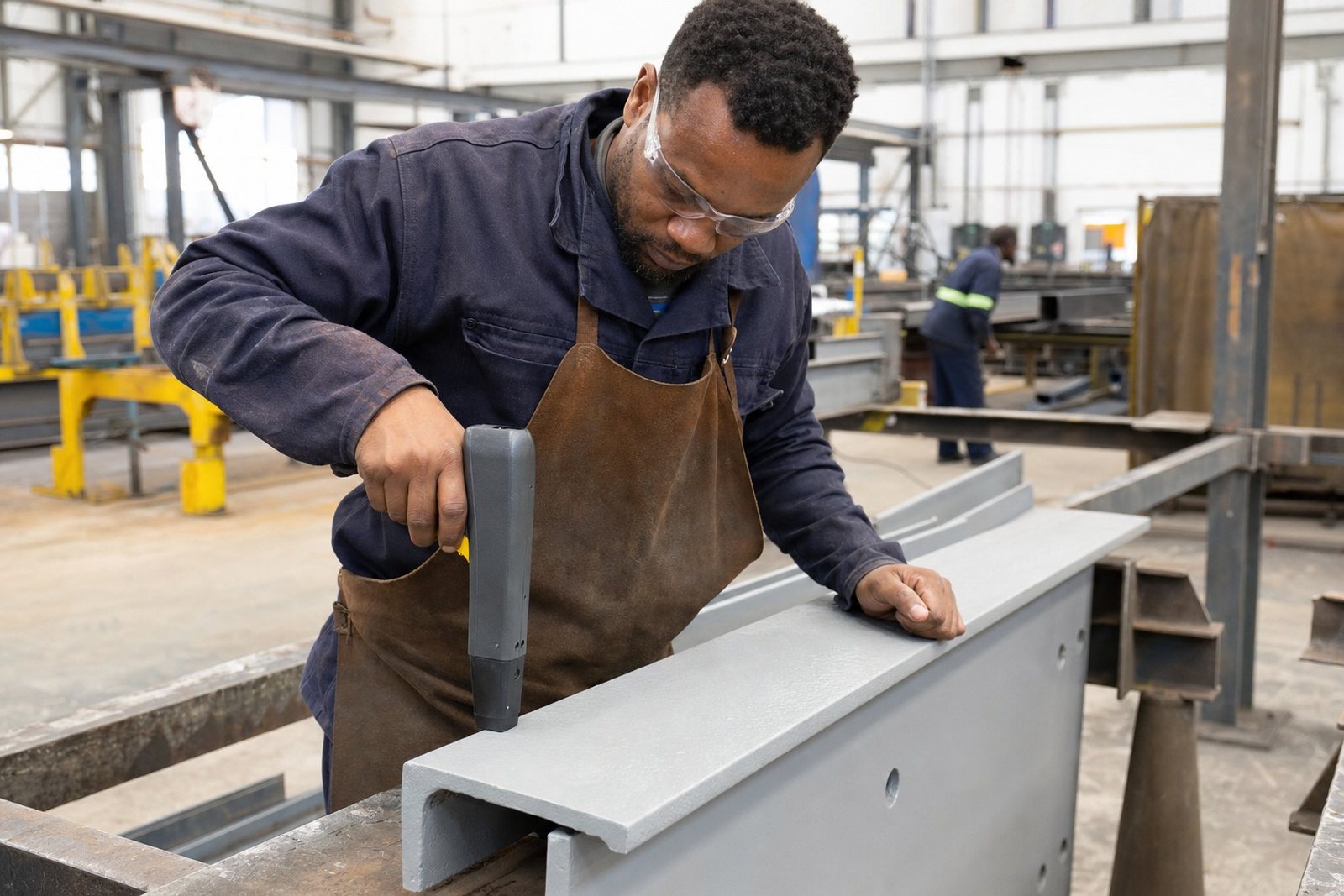
A steel marking printer gives you portable coding for cartons, pipes, timber and metal work where the marking point moves around the yard or the workshop. The unit is carried by hand and used to print directly onto the surface, which helps when bundles are stacked, sheets are cut to size, or finished pieces need a batch code before dispatch.
For steel, the important part is surface condition. Coated steel, painted steel and clean smooth metal generally take a sharper mark than rusty, oily or heavily textured areas. On metal surfaces the print can be used for batch numbers, product dates, shift codes, item IDs and short logos, with message height set to suit the spacing on the part.
This hire unit is suited to jobs where marks must be placed on different items through the day, without moving stock to a fixed printer station. It is often used in fabrication yards, distribution depots and packing lines where the operator needs a practical handheld tool rather than a static setup.
Print heights, inks and marking detail
The printer can be set for small coding marks or larger identification text, depending on the part size and the amount of information needed. For steel and coated surfaces, a compact code often reads better than a wide block of text, especially where the print has to sit clear of edges, welds or handling marks.
- Print height options commonly range from 2 mm to 12.7 mm, depending on the message and nozzle setup.
- Single line, double line or multi-line coding can be loaded for dates, batch numbers and internal reference marks.
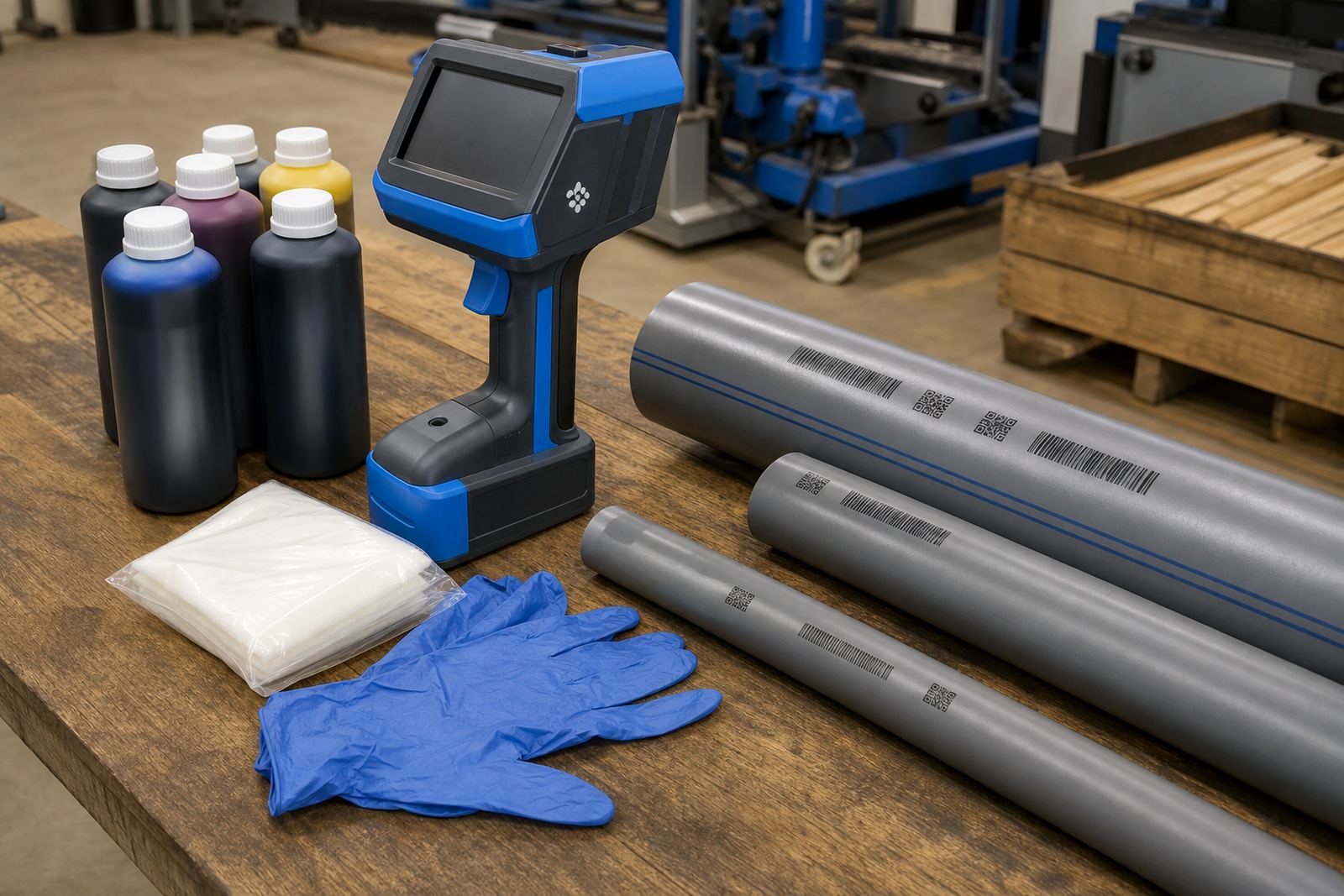
- Barcode printing is available for selected jobs, subject to symbol size, surface finish and scan distance.
- Logo marks can be loaded where the artwork is supplied in a usable format and the surface is suitable.
- Solvent, water-based and quick-dry inks are available for different metal and coating conditions.
Ink choice matters on steel. Quick-dry ink is often used where handling starts soon after printing, while solvent-based options are preferred for better grip on coated or less absorbent finishes. Water-based inks suit some smooth surfaces, but they are not the first choice on every metal job, especially where adhesion has to hold through handling and storage.
Where the unit fits into real steel work
This hire model works well in yards and plants that mark flat panels, tubes, beams, fabricated sections and coated components. It is also useful where items are packed after finishing and the code must stay visible through storage and movement. In Durban and coastal areas, humidity can affect drying on some surfaces, so the ink type and print placement need a sensible match to the product being marked.
Common uses include job numbers on steel stock, product identification on painted parts, inspection codes on fabricated sections and dispatch marks on coated bundles. When barcodes are needed, the print area should allow enough quiet space around the code for scanning, especially on shiny or slightly curved metal.
For larger site work, the unit can be used at the point of packing or near the production exit. That keeps handling simple, and avoids moving marked stock twice. Where items vary in size, the same machine can be set for different message lengths during the hire period.
Set-up, operator training and site support
The printer is supplied as a hire unit with setup support, message loading and operator training. For steel marking, the operator needs to understand print distance, hand speed and surface preparation, because all three affect how the code lands on the metal. A steady pass gives a cleaner mark than a rushed sweep across a curved face.
- On-site setup is available for yards, packing areas and workshop floors.
- Remote setup help can be used where the team needs guidance after delivery.
- Training covers code entry, nozzle care, line spacing and basic print checks.
- Test printing is used to confirm mark position before production starts.
- Backup unit support is available for active hire jobs where continuity matters.
For jobs with changing artwork or new batch formats, the message can be adjusted during the hire term. That helps when a plant has several products moving through the same line, or when one client wants dates and codes in different positions on different steel items.
Care on coated steel, painted steel and smooth metal
Steel surfaces need a clean start for the best result. Dust, oil, cutting fluid and loose overspray can reduce ink grip, so the marking area should be wiped before printing where practical. On painted surfaces, fresh coatings should be checked before marking, especially if the finish is still curing. With smooth metal, the print may need a more careful test pass to confirm that the ink bonds as expected.
The print head should be kept clean, and caps fitted during idle periods. That helps prevent drying at the nozzle, which can affect line quality on the next job. If the unit is used on rougher material one day and smooth metal the next, a short test print is worth doing before the main batch starts.
Storage matters as well. Ink cartridges or bottles should be kept sealed and upright, and the machine should be packed where dust and grinding residue will not settle into the print path. On sites near the coast, a dry cabinet or closed storage area is useful because salt in the air can shorten the life of exposed parts.
Hire terms and details to confirm before dispatch
The steel marking printer is available on weekly and monthly hire terms, with delivery and collection arranged for jobs in Pinetown, Durban, Pietermaritzburg, Johannesburg, Cape Town and Richards Bay. The same hire model is used for short production runs, project marking and ongoing coding work where a permanent machine is not the best fit.
When ordering, the key details are the surface type, the message content, the print height, and whether barcodes or logos are needed. It also helps to know if the work is on coated steel, painted steel or bare smooth metal, because that affects the ink choice and the test print. If the job involves curved pipe, flat plate or boxed steel sections, the operator setup may differ slightly.
- Surface: coated steel, painted steel or selected smooth metal
- Message: dates, batch numbers, item codes, barcodes or logos
- Print size: small code or larger identification mark
- Ink type: solvent, water-based or quick-dry
- Hire term: weekly or monthly
- Support need: delivery, setup, training, consumables or troubleshooting
For steel marking work across South Africa, the right setup keeps the code readable and the job moving. A clear brief makes it easier to match the unit, the ink and the marking surface to the work in hand.
Key facts
| Product type | Handheld inkjet coder for steel and selected smooth metal |
|---|---|
| Hire terms | Weekly or monthly |
| Print height | 2 mm to 12.7 mm depending on message setup |
| Supported marks | Dates, batch numbers, barcodes, logos and item IDs |
| Ink options | Solvent, water-based and quick-dry |
| Service area | Pinetown, Durban, Pietermaritzburg, Johannesburg, Cape Town and Richards Bay |