
When bagged runs need a clean shift mark
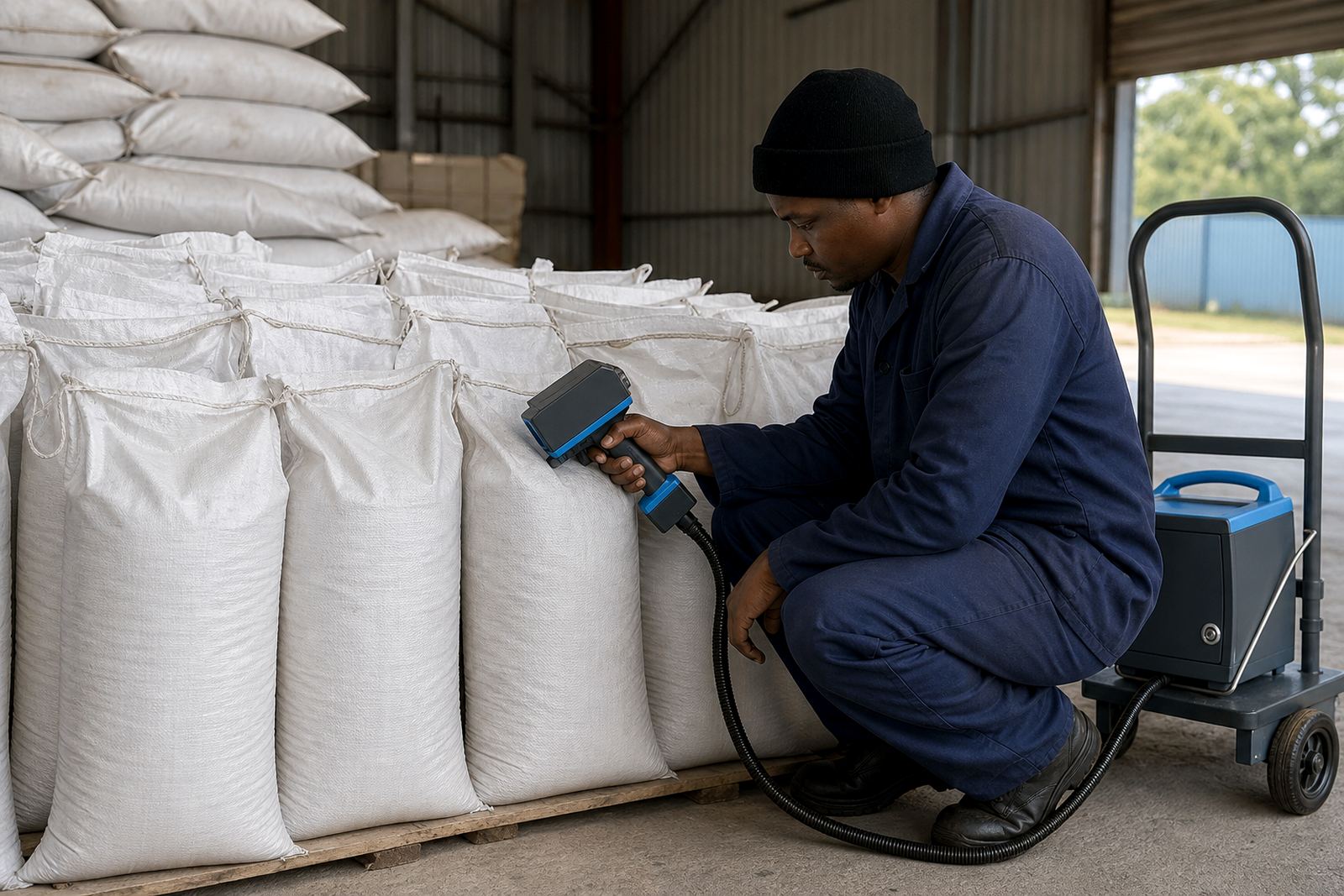
Bag lines often need more than a date stamp. A shift code, operator code or short line ID gives packing teams a way to separate one production run from the next, especially where bags are stacked, palletised or moved through different stores. In Pinetown and Durban, that can mean flour sacks, fertiliser bags, grain packs, charcoal bags, cement bags and many other filled products that pick up scuffs before they leave the yard.
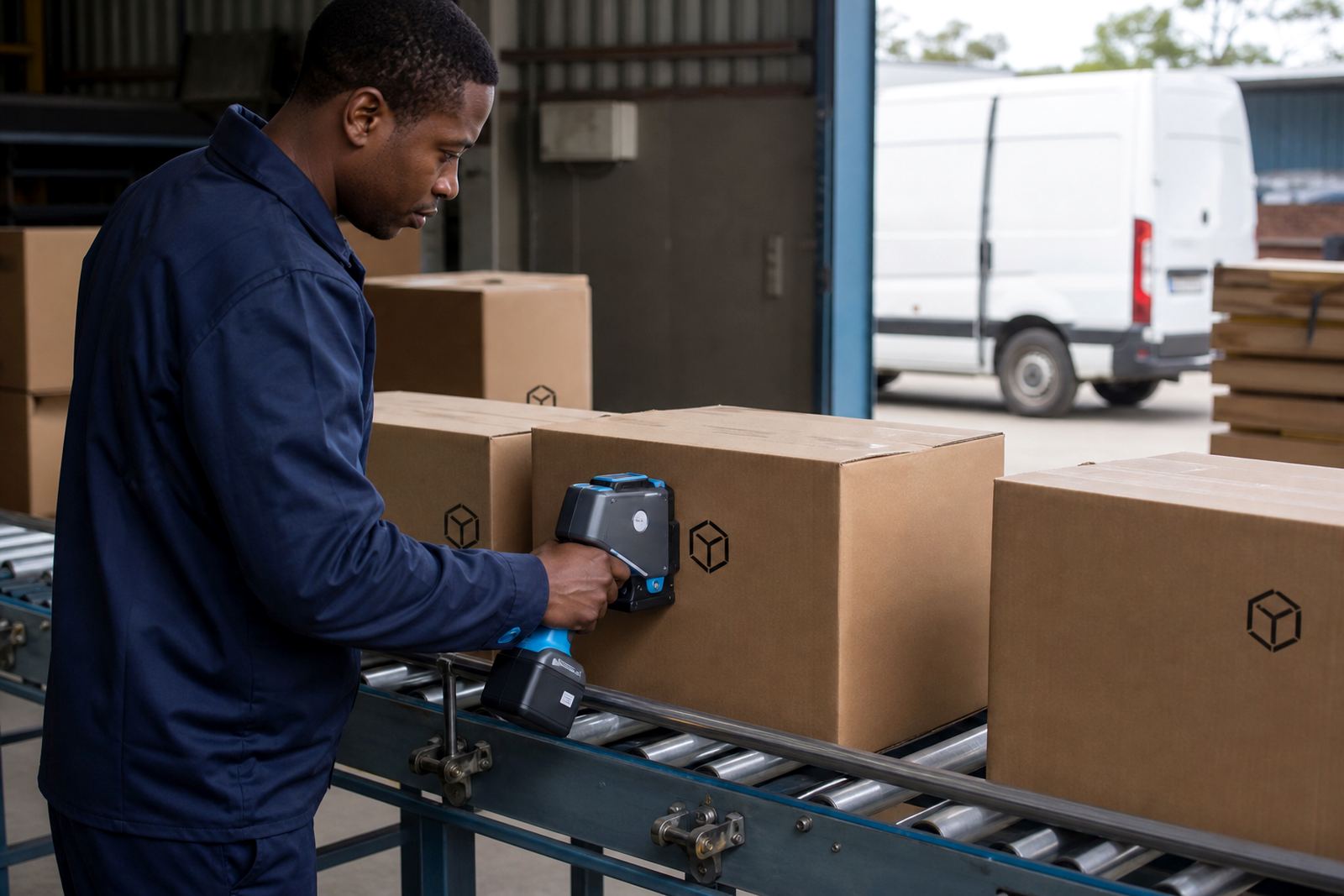
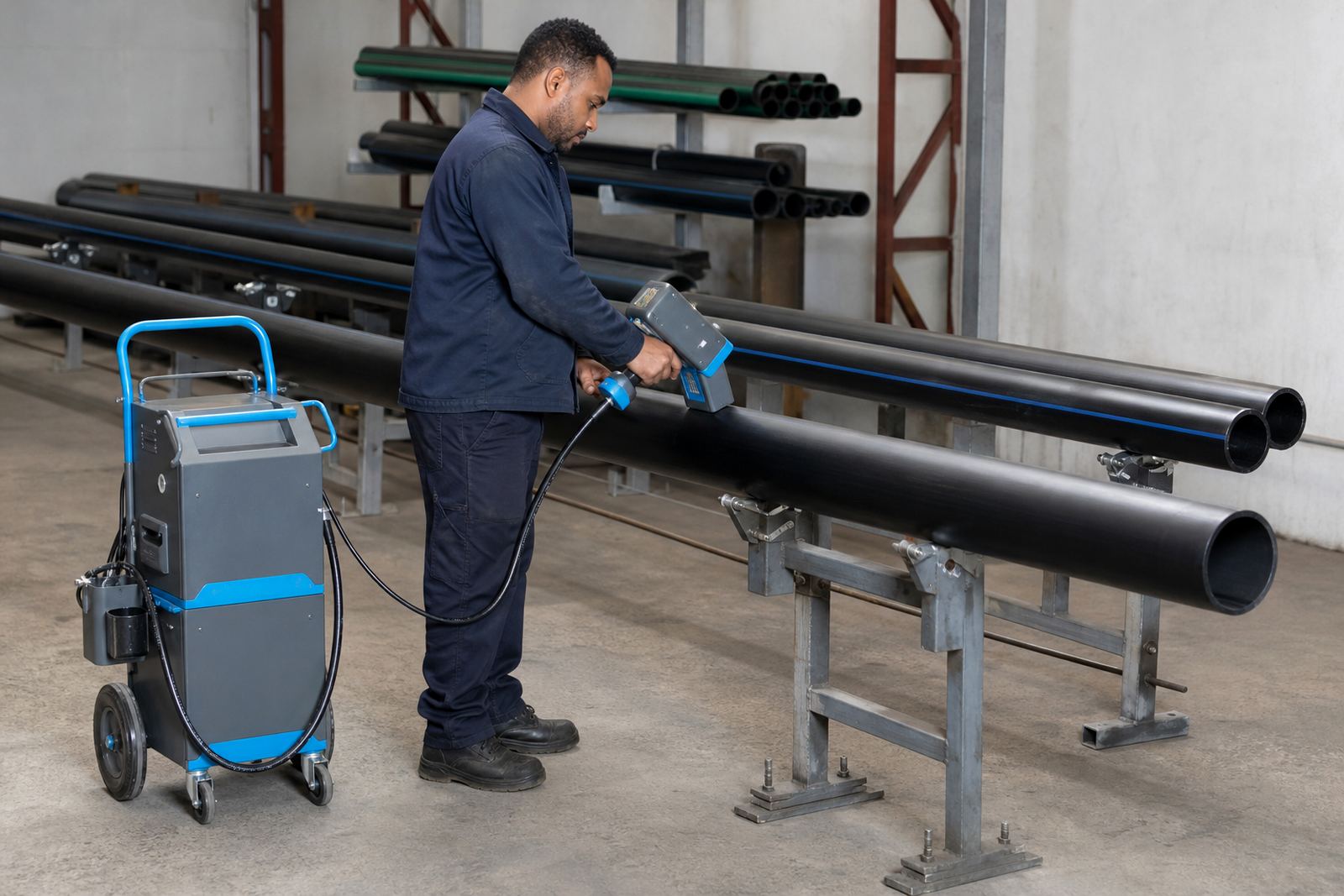
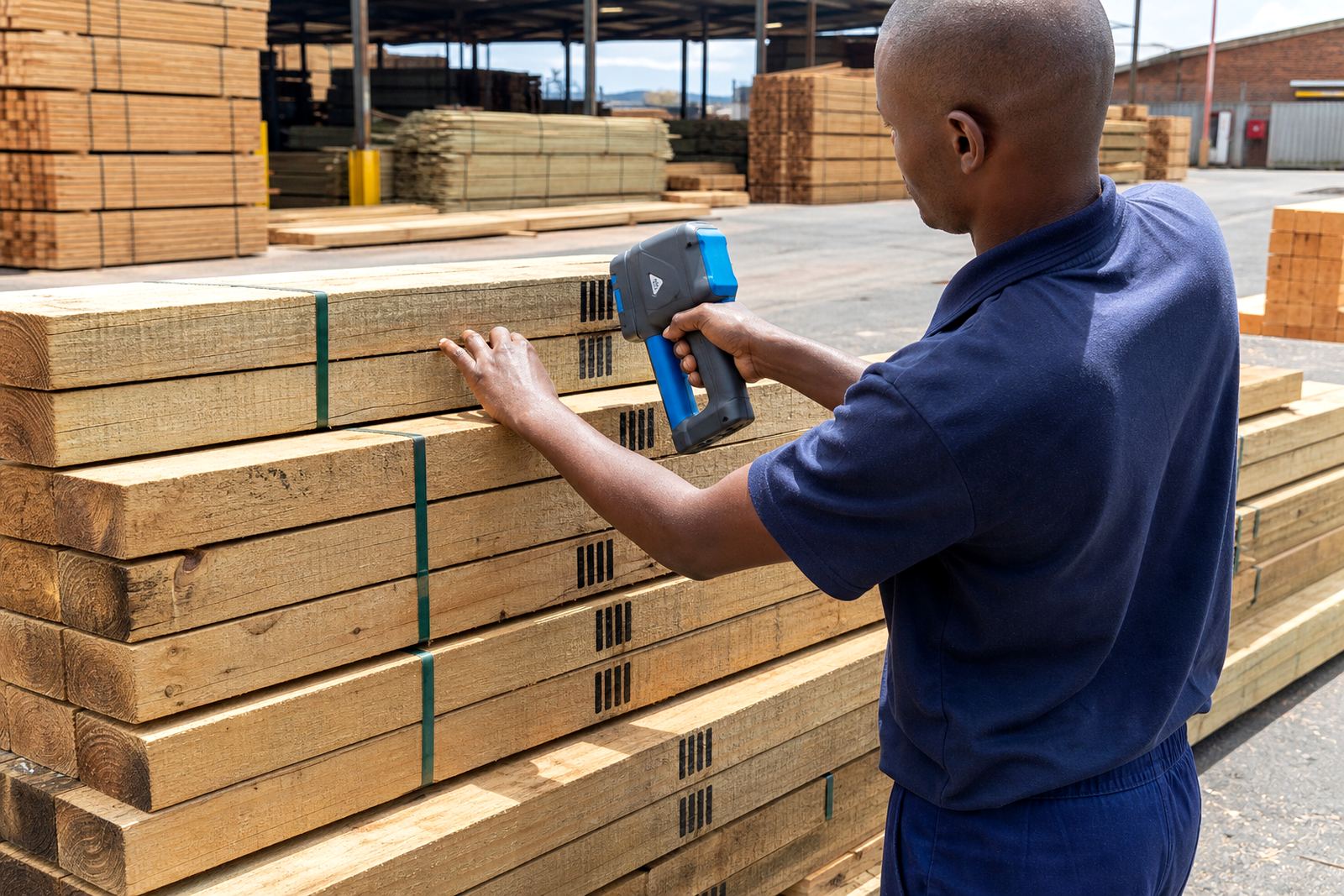
A handheld inkjet printer works well when the mark must land after filling, sealing or stacking. The coder is carried to the bag rather than forcing the bag past a fixed print head, so it suits short runs, mixed pack sizes and jobs where the print position changes from one product to the next.
Picking the right handheld coder for bag work
Most bag marking jobs need a printer with steady letterforms, quick setup and ink that matches the surface. Print height usually matters more than people expect. Smaller marks around 12 mm can suit tight spaces, while 18 mm to 25 mm works better for shift codes that must be read on stacked sacks or from a moving pallet. Some jobs need one line only, others need two lines for date and operator ID.
- Paper sacks take water-based or quick-dry ink well when the surface is dry and clean.
- Woven bags often need ink that grips the fibres without feathering too much.
- Laminated bags usually suit quick-dry or solvent-based options for better hold.
- Dark bags may need a pigment-based black or white depending on the print area.
- Porous surfaces accept more ink, while coated bags need more careful setting.
For weekly and monthly hire, we set the handheld unit to the bag type, then check line spacing, print height and message length before it goes to the line.
Layout notes that keep shift codes legible
Bag printing works best when the message is short and the print zone is planned before the hire starts. A shift code should sit where handlers can see it without turning the bag through awkward angles. On crowded sacks, a neat line near the top seal often reads better than a mark pushed low down where tape, dust or stitching may interfere.
Keep the message plain. A common format is date, shift and operator code, or batch number followed by shift. If the bag passes through more than one store or yard, use the same print position on every run so the code does not disappear into folds or pallet straps. Test prints should happen on the actual bag material, not on a spare sheet that feels different under the hand.
- Leave enough white space around the code.
- Check that the mark stays visible after stacking.
- Avoid printing across seams, glue lines or heavy folds.
- Set the message length to suit the bag width.
Common mistakes that waste bags and ink
Most poor results come from rushing the setup rather than the printer itself. A bag that is dusty, damp or creased can cause broken characters, smudging or light patches. The same applies when the operator changes the distance between the printer and the surface too often. Handheld inkjet coders still need a steady hand and a consistent pass for clean results.
Another common mistake is choosing the wrong ink for the bag finish. On absorbent sacks, too much ink can spread into the weave. On coated bags, slow ink can smear before it dries. If the job also needs barcodes or logos, the print size must be checked carefully because a barcode that looks fine on screen can become unreadable when the bag flexes.
Training helps here. A short setup session, a sample run and a quick check of message loading can save a lot of wasted material on the first shift.
Hire terms for short and longer production runs
Handheld printers can be hired on weekly or monthly terms, which suits bagging jobs that run for a fixed order, a seasonal line or a plant trial. Delivery and collection, on-site setup and remote setup help can be arranged around the worksite. In Durban and Pinetown, the hire may be used for a local packing floor, while other jobs move to Pietermaritzburg, Johannesburg, Cape Town or Richards Bay without changing the basic print method.
Typical hire planning includes the coder, suitable ink, message loading, test printing, operator training and backup unit support where the site needs it. Consumables supply matters as well, because bags move through ink faster when the run is long or the surface is rough.
Budget usually depends on hire term, ink type, message complexity and whether barcode or logo setup is part of the job. For many bag marking runs, the cost sits in the range of a few thousand Rand for a short hire and rises with extra consumables, setup time and support requirements. Long runs with several print changes tend to need more planning than a single shift code.
What to prepare before the bags hit the line
Before a hire starts, it helps to know the bag material, print area, code format and approximate daily output. The printer needs a clear message file or written layout, plus a sample bag if the surface is unusual. If the site uses multiple pack sizes, mark which bag gets which code so the operator does not have to guess during a busy shift.
- Bag type: paper, woven, laminated or coated.
- Code content: shift, operator, date, batch or all four.
- Print position: top seal, side panel or flat face.
- Ink preference: solvent, water-based or quick-dry.
- Support needed: setup, training, testing or backup unit.
Handheld Printers Rental works from Pinetown, Durban and supports bag coding across South Africa. The team can assist with message loading, ink selection and test printing so the shift code lands where the pack line expects it.