Start with the barcode job, not the printer
Before a barcode is printed, it helps to look at the job in plain terms. Is the mark for stock control, dispatch, warehouse scanning or retail tracking? A code for a clean carton line is not the same as a code for rough timber, powder coated steel or a woven bag. The symbol may be small, but the surface changes everything.
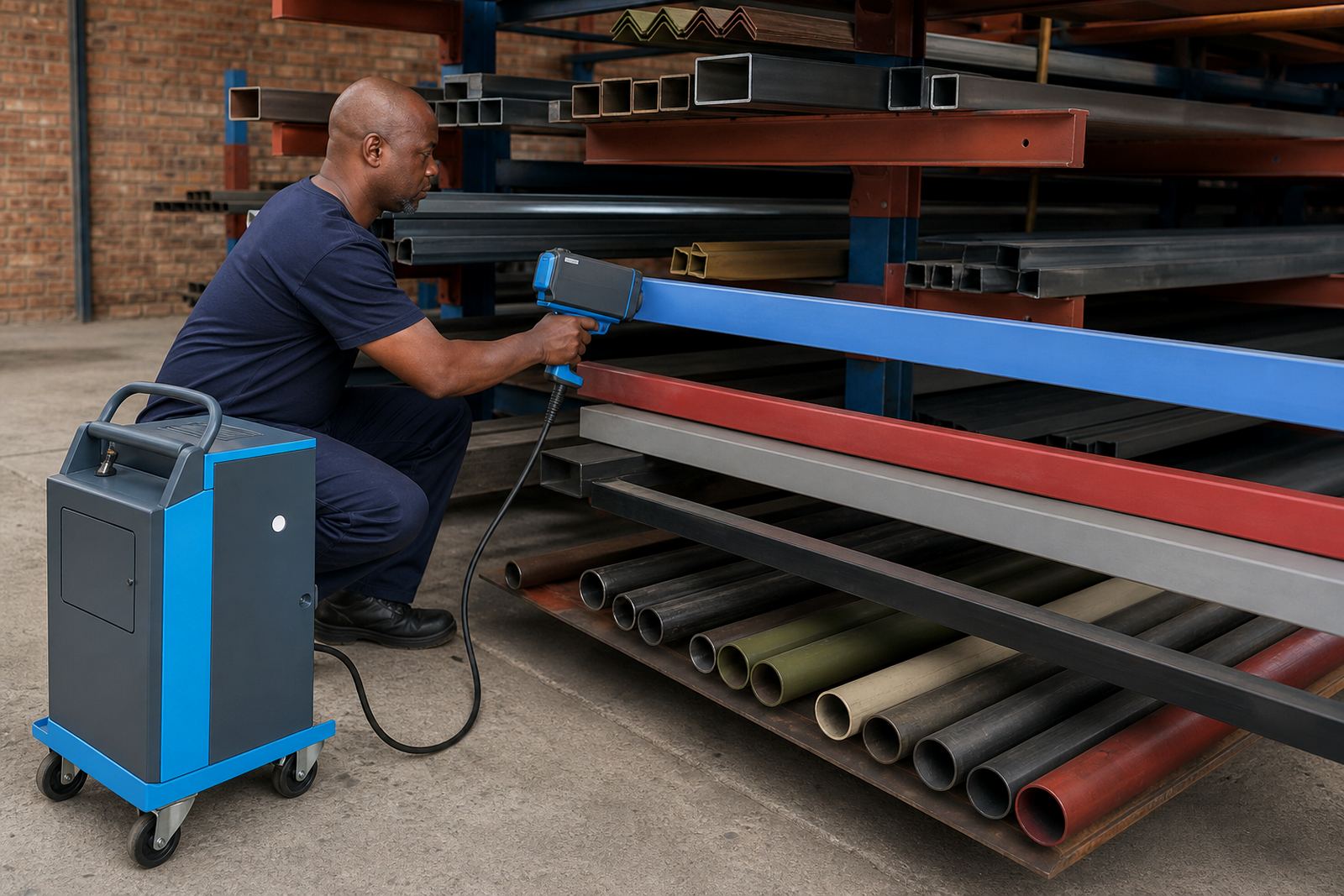
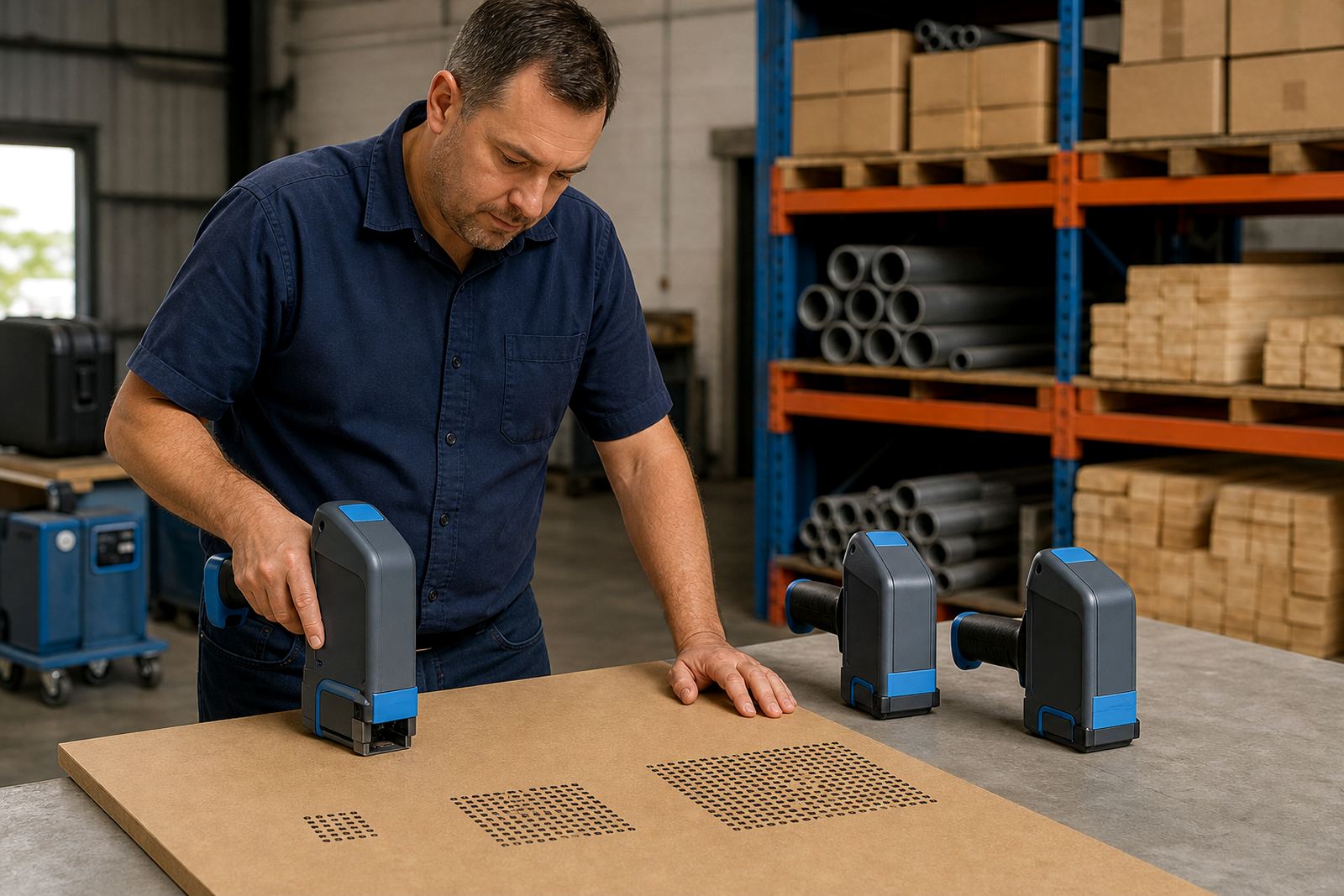
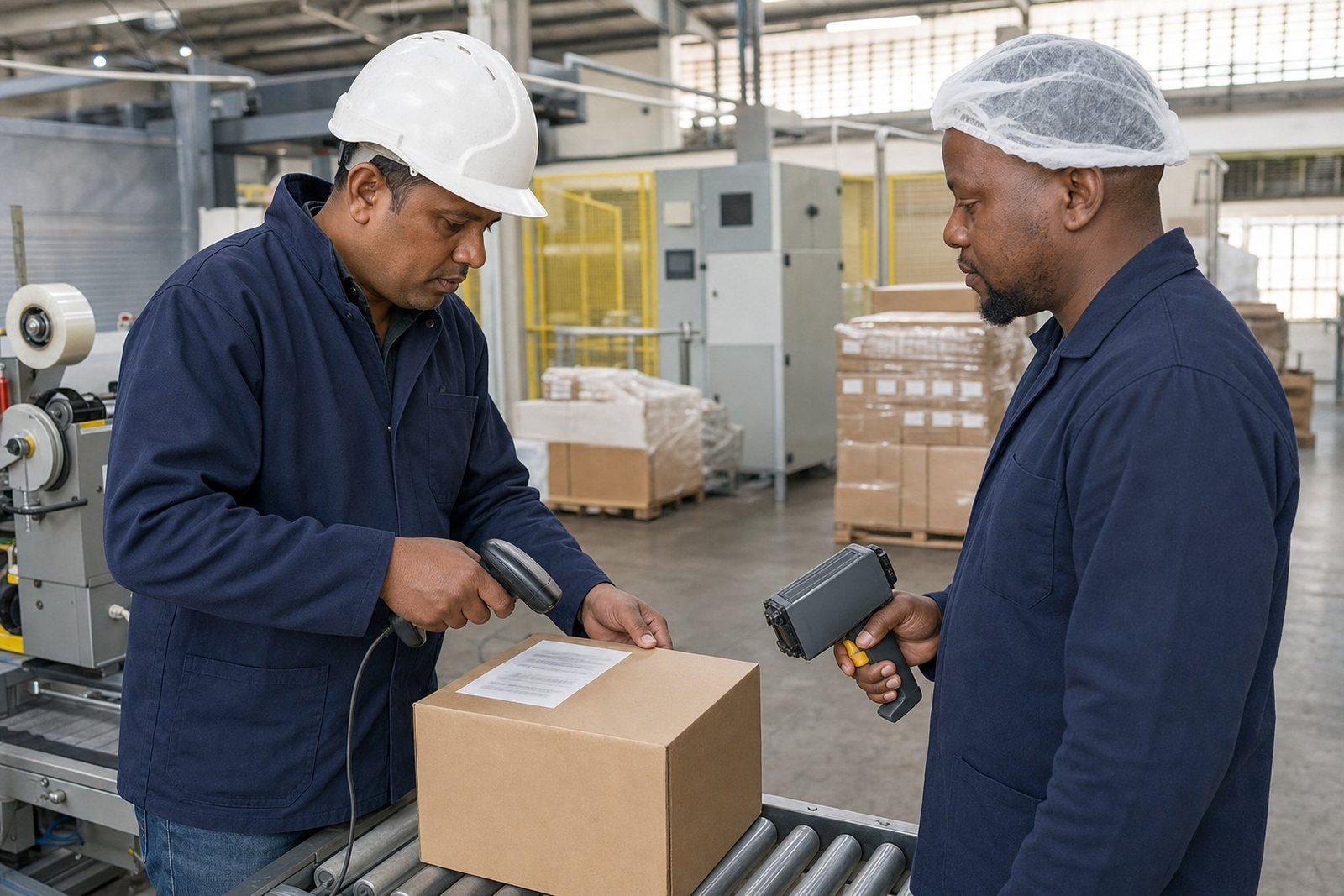
Handheld inkjet printers are useful where the item is awkward to lift, too long for a fixed line, or moving through a yard in Pinetown, Durban or elsewhere in KwaZulu-Natal. The operator can print straight onto the item, then move on without staging a full conveyor setup. That keeps the process practical for short runs and mixed batches.
Print height and scanner read quality
Barcode height matters because a code that is too short can look tidy yet scan badly. A taller code gives the scanner more room to find the bars or matrix pattern, especially when the item is moving or the hand angle shifts slightly. For simple linear barcodes, the height must be balanced with the available flat space and the label area already used for batch details or logos.
Print clarity also depends on contrast. On a brown carton, black ink usually reads well. On dark timber or coated steel, the mark may need a lighter ink or a printed panel beneath it so the bars stand out. If the lines blur, the scanner sees one thick shape instead of separate bars.
- Keep enough quiet space around the code
- Leave a flat patch where possible
- Check that the bars are not stretched by a moving hand
- Match the code size to the scanner distance
Surfaces change the way the code behaves
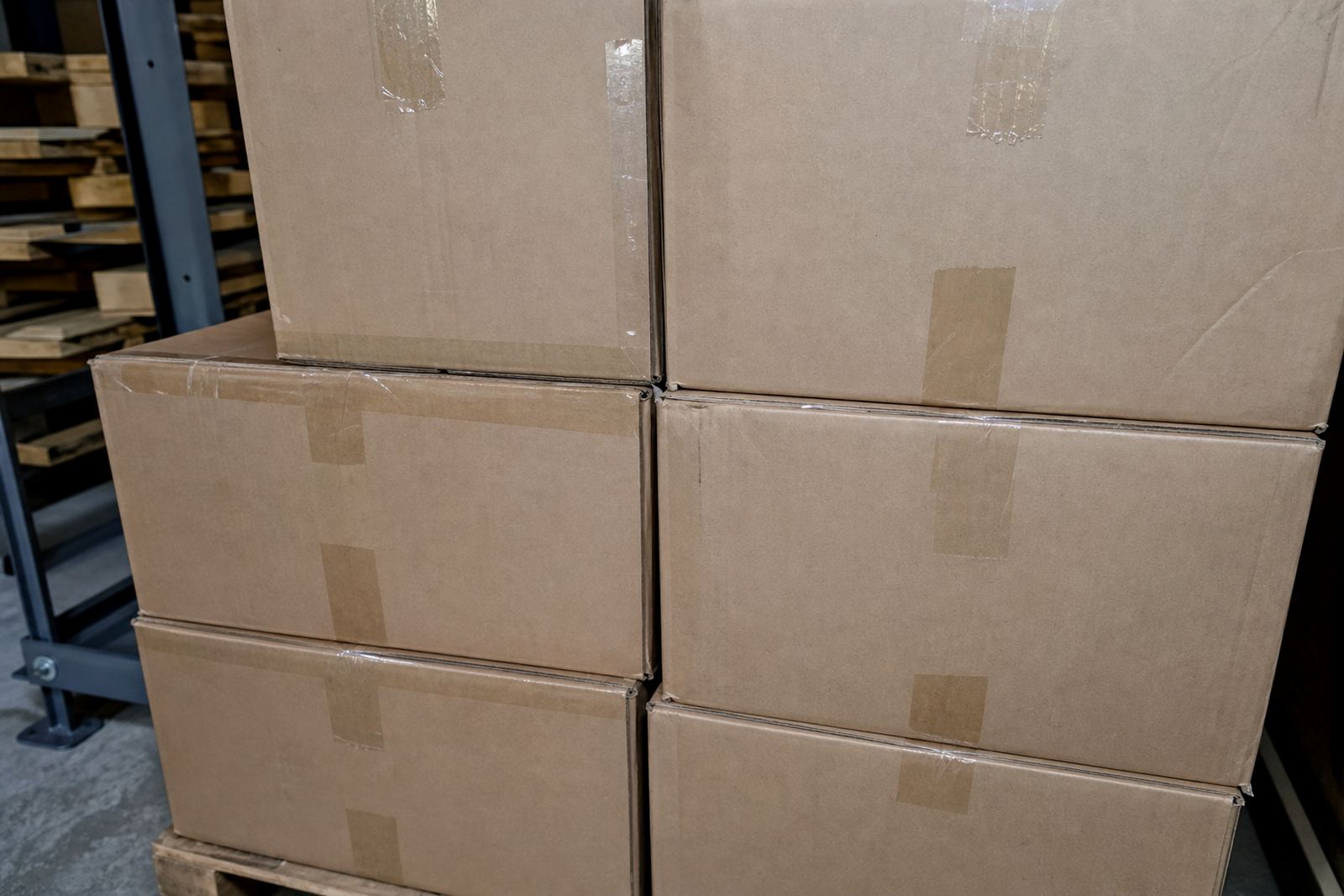
Cartons usually give the easiest result, provided the corrugation is not too rough and the surface is dry. Timber can absorb ink unevenly, so the print may need more drying time and a firmer hand. Pipes and steel ask for steadier motion because the curved or smooth surface can push the print head out of line if the operator rushes the pass.
In humid coastal conditions around Durban and Richards Bay, quick-dry or solvent-based ink is often the safer choice for faster handling. Water-based ink can still work on some porous materials, but it needs the right surface and enough time to settle. For timber yards and packing points, that choice usually matters more than people expect.
Ink choice for barcode work
Barcode marks do not all behave the same way after printing. Some need a strong surface bond, some need fast drying, and some need cleaner detail on a light background. Solvent ink is often used where grip and drying speed matter. Water-based ink suits certain porous surfaces. Quick-dry options help when cartons are moving through packing, loading or stacking soon after print.
On a real hire job, the ink question should be tied to the surface and the handling pattern. A warehouse in Pinetown may need one mix for cartons and another for timber offcuts. A pipe yard may need the mark to survive handling, light moisture and repeated movement. The right ink keeps the barcode legible, not just visible.
- Use solvent ink for stronger surface adhesion
- Use water-based ink on suitable porous stock
- Use quick-dry ink where handling starts early
- Test the code before the full batch runs
Simple setup steps that save rework
A clean barcode setup usually starts with the message file, the code size and the print position. The operator needs the correct data first, then a clear decision on where the code sits on the item. If the code lands too near a seam, flap or edge, the scanner can struggle even when the print itself looks sharp.
Message loading, barcode setup and logo setup should be checked together. A batch code, date and logo can sit in one layout, but each element must have breathing space. Test printing helps catch spacing problems before a full run starts, and that matters on short hire periods where the cartons or bags need to move out quickly.
A Pinetown example from a mixed packing yard
A packing yard in Pinetown may move between cartons in the morning and timber pieces later in the day. A barcode that prints well on a white carton may not scan the same on pale pine or darker treated board. In that setting, the hire unit needs to be set up for each surface rather than treated as one fixed answer.
The practical move is to test a few prints on the real stock, scan them with the actual reader and check the drying time before the job runs in full. That small step avoids labels that look acceptable to the eye but fail at the scanner gate. It also helps the crew keep the line moving without guessing at settings.
Hire by the week or month for barcode printing
A one-week rental suits short packing pushes, project loads and temporary warehouse work. Monthly hire makes more sense when barcode marking is part of the normal routine and the same unit is needed across repeated batches. Either way, the hire package can include consumables supply, on-site setup, remote setup help, operator training and troubleshooting support.
For teams working across Durban, Pietermaritzburg, Johannesburg, Cape Town or Richards Bay, delivery and collection keep the process straightforward. Backup unit support is useful when a job cannot pause for a fault, and field setup helps the first run settle properly. For barcode printing, the small details are usually the ones that decide whether the scanner accepts the code first time.