
When a coder needs a new message
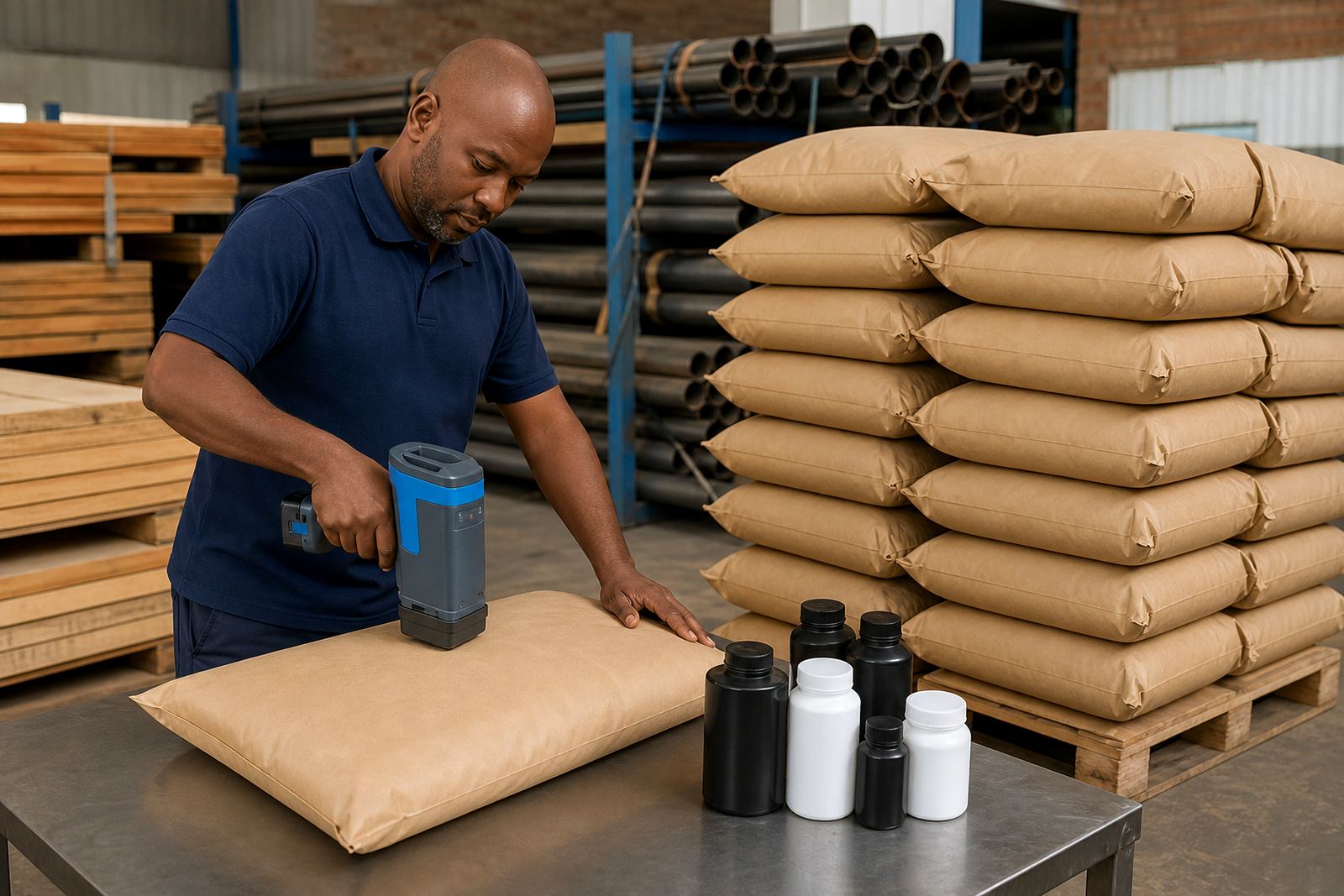
Most changeovers happen because the product line changes, the batch number rolls over, or the customer wants a different date format on the next run. On cartons and bags, operators often move between a plain product name, a lot code and a sell-by date without changing the rest of the setup.
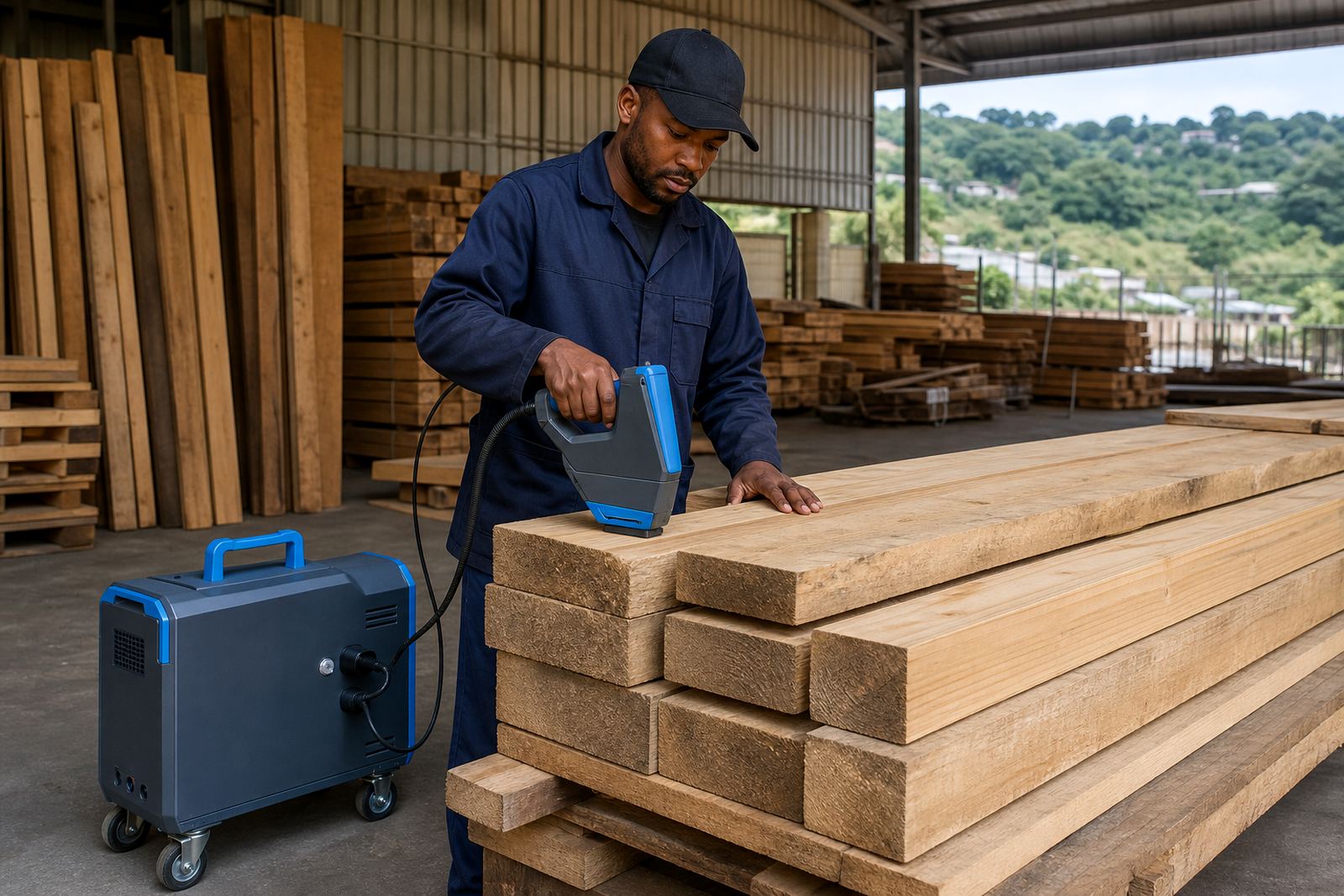
On timber, pipe or steel, the message may stay short because the surface moves or curves and the print area is tighter. A handheld coder handles that sort of work well, but the operator still needs the right message file, correct print height and a clean target area.
The message parts that usually get swapped
In practice, most print changes are not a full rebuild. The operator may only alter the variable part, such as a date, shift code or batch number, while the fixed wording stays in place.
- Date fields, including day, month and year formats
- Batch or lot numbers for traceability on packed goods
- Simple product text such as line names or pack counts
- Barcodes for stock control or warehouse scanning
- Logos or marks that sit beside the code
For small cartons, a 12.7 mm print height is common. Larger cartons, timber planks and steel members may need a wider print area, though the surface finish and spacing still decide what looks clean.
How operators change the message without wasting material
The cleanest changeover starts with a test print on spare stock or offcut material. That lets the operator check spacing, character size and ink laydown before the run begins in earnest.
On a humid Durban morning, quick-dry ink can help on coated cartons or some plastic surfaces, while solvent-based ink is often preferred for less absorbent materials. Water-based ink is useful on porous board and timber, but the surface has to suit the ink type or the code can feather.
- Load the new text in the correct order
- Check whether the date needs leading zeros
- Confirm barcode height before the run starts
- Set the print gap for the real surface
- Print a sample and inspect the edges
Barcode changes need a bit more care
Simple text is usually forgiving. Barcodes are less forgiving because line thickness, quiet zones and print contrast all affect scan quality. If the code is too small or too light, a warehouse scanner may read it badly even though it looks fine to the eye.
When a customer wants a barcode beside a batch number, we check the message in the same spot each time. That matters on curved pipes and rough timber, where a tiny shift can change how the code reads.
For hires in Pietermaritzburg or Richards Bay, staff often ask for a test panel before a full pallet leaves the floor. That habit saves rework when the carton board is glossy or the timber grain is open.
A local changeover on cartons and timber
Think of a Pinetown workshop packing mixed orders for Durban and Johannesburg. The morning line prints a product name and date on cartons, then the afternoon crew needs a batch code and short logo on treated timber packs.
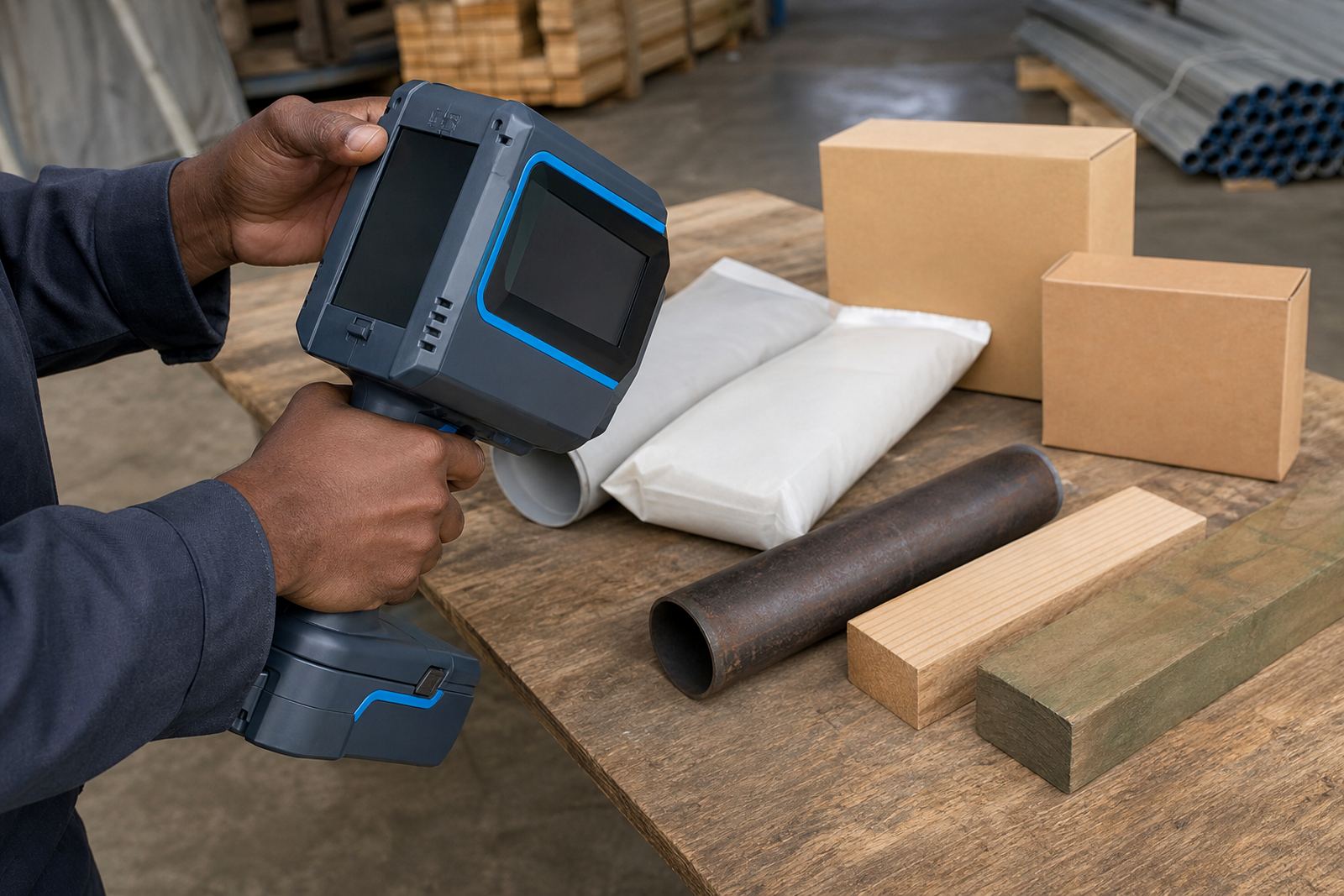
The operator can keep one general layout and swap the variable line for each job. If the same unit is moving between cardboard and timber, the print height may stay the same but the ink choice changes, and that is where a quick test matters more than theory.
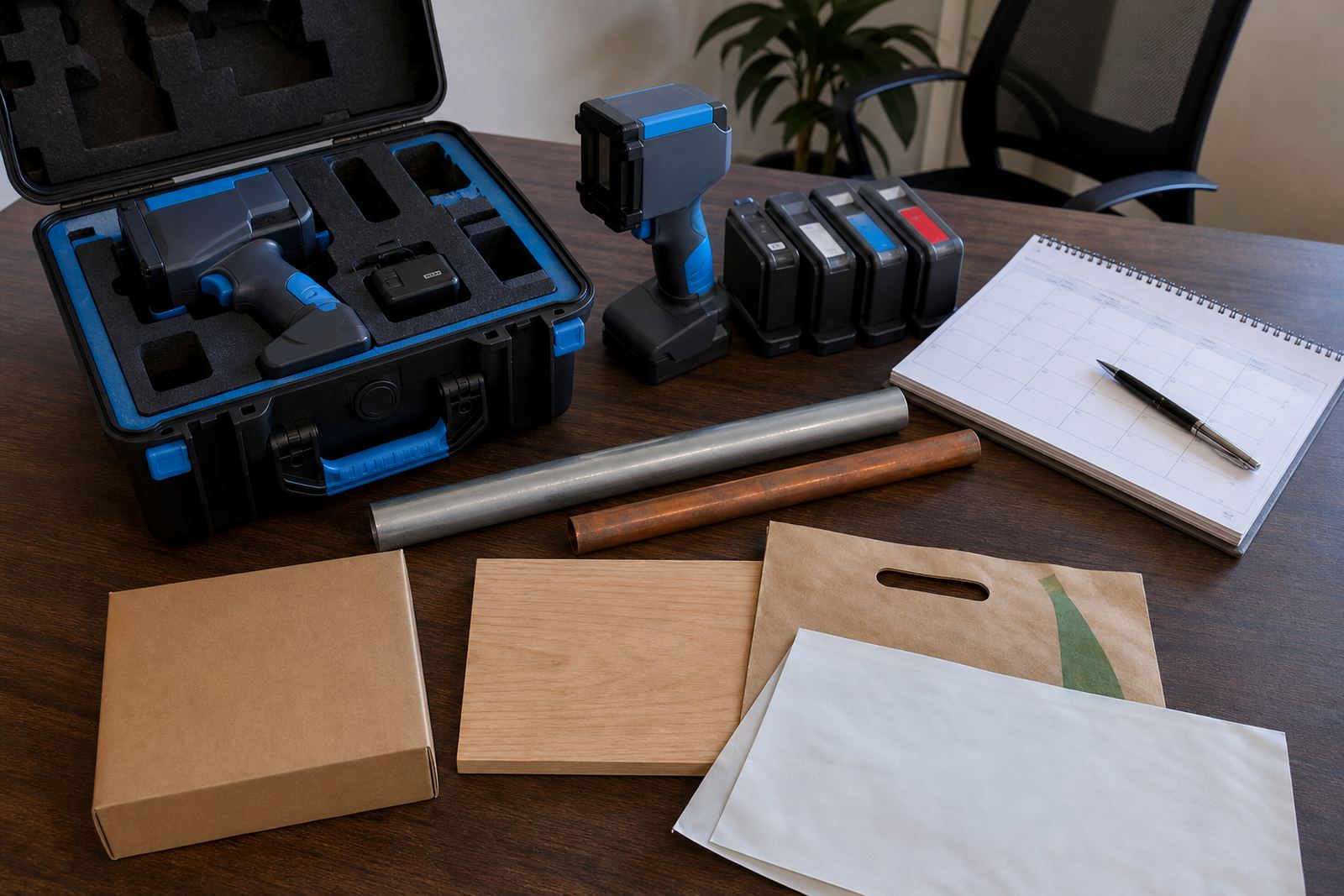
Our hire team in Westmead, New Germany and across the Durban side works with weekly and monthly hire terms, so businesses can handle short production bursts without buying a unit outright. Delivery and collection, setup help and operator training are part of the rental conversation because message changes are only useful when the crew can use them properly.
What to keep ready before the next message swap
Good message control is mostly about routine. The operator keeps the new wording close by, checks the product code against the job card and confirms the right ink for the surface before the first piece goes through.
- Current wording for the next batch or date shift
- Surface type, such as carton, bag, pipe or timber
- Required print height and line spacing
- Barcode content, if the job includes scanning
- Any logo or mark that sits beside the text
With regular hire, the same coder can move between jobs through the week, so message loading, test printing and backup unit support become part of the normal rhythm. That is useful for plants that must print short runs, then change over for the next pallet stack without unnecessary delays in the packing area.