Shorter lines leave cleaner space on the pack
A handheld inkjet coder can print more than a date and a batch number, but every extra character takes space. On cartons and bags, long messages tend to wrap, crowd the layout or sit too close to a seam, which makes the code harder to read at a glance.
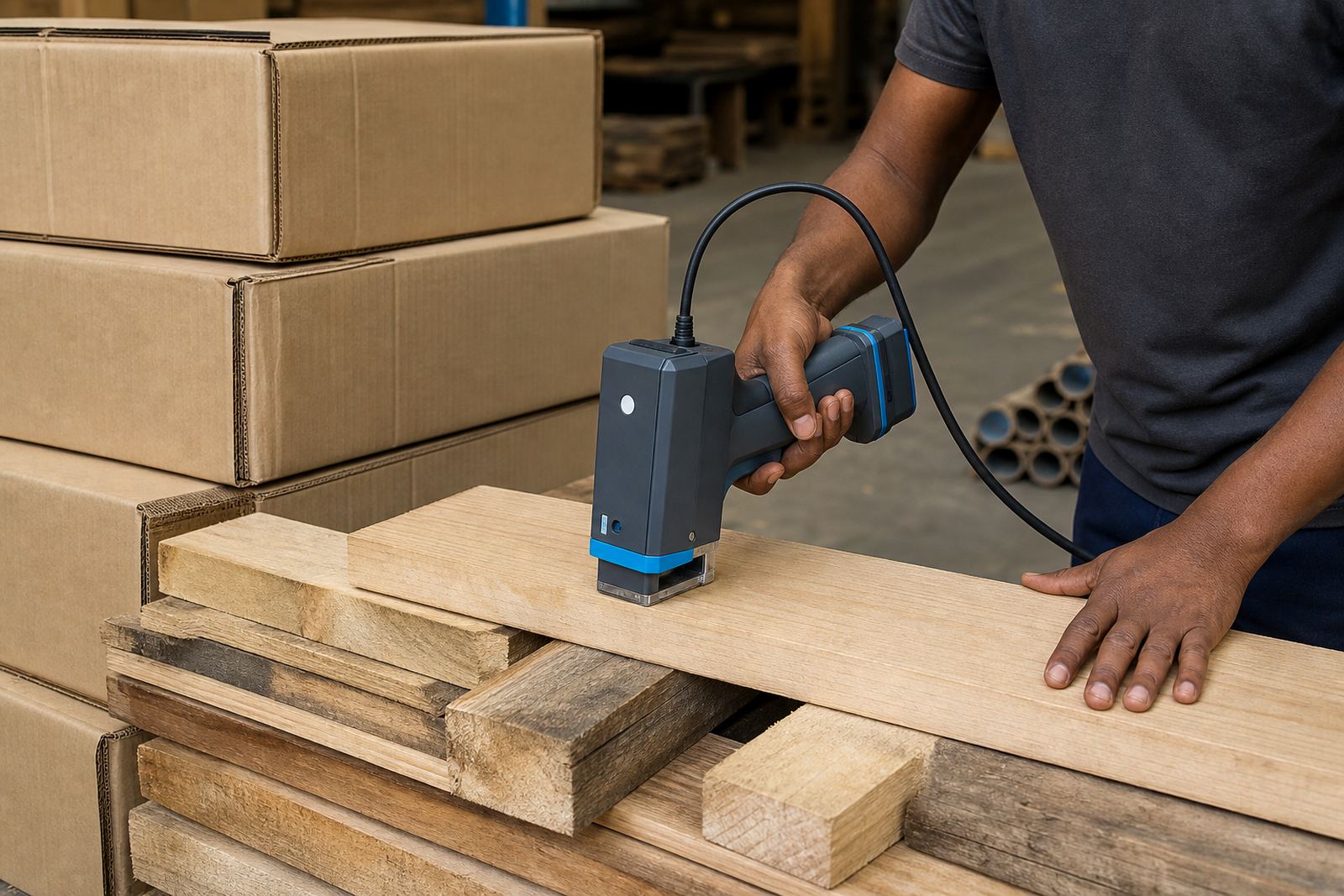
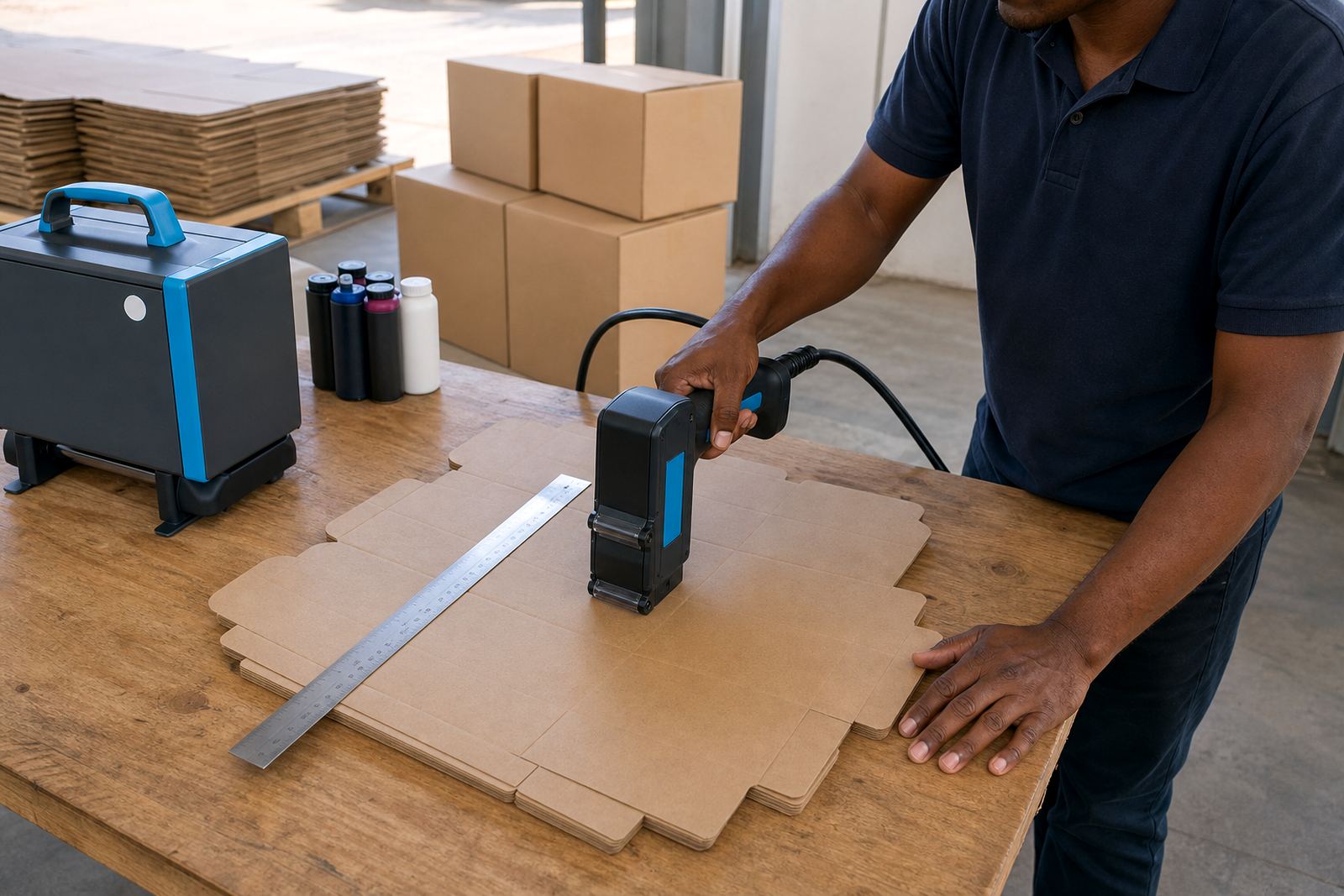
In practice, a short message usually gives better control over print height and placement. A 12 mm code on a flat carton face looks orderly. The same message stretched too far across a curved pipe or a rough timber edge can start losing clarity, especially when the operator has to work around knots, ridges or fold lines.
For many jobs, the cleaner option is to keep the core details only. Date, batch, line number and a short product identifier often do the job without filling the whole panel.
What a handheld coder handles well
Handheld printers suit jobs where the message changes often, or where the print position shifts from one task to the next. They suit cartons on a packing floor, timber bundles in a yard, steel sections at fabrication, and pipes waiting for dispatch. The trick is matching the message length to the surface and the speed of the operator.
- Short dates and batch numbers print clearly on most cartons and bags.
- Simple barcodes need enough height and quiet space around the code.
- Logos print best when the artwork is not overloaded with small detail.
- Long text can work, but it needs more care with spacing and alignment.
In Durban and Pinetown, where humidity can affect dry time, shorter messages often help reduce smudging on coated cartons and plastic sacks. On steel and timber, a tighter layout also makes it easier to keep the print legible on uneven surfaces.
Message length and ink choice go together
The message itself is only one part of the job. Ink choice matters just as much, especially when the surface changes. Solvent-based ink suits non-porous materials like plastic, metal and coated packs. Water-based ink can work on more absorbent cartons and paper sacks. Quick-dry ink helps when the pack needs to move fast after coding.
Longer messages put more demand on drying and consistency. If the code runs across a wider area, there is more chance of uneven coverage or a faint edge on the last character. That is one reason a shorter layout is often steadier on live production lines and busy dispatch areas.
When the message is trimmed down, the operator can usually set a more practical print height too. Many jobs sit comfortably in a range from 3 mm for small marks to around 12 mm or higher for bolder identification, depending on the surface and the required visibility.
Barcode and logo space needs a different approach
Barcodes are less forgiving than plain text. They need enough quiet space around the code, and the bars must stay even across the full print area. A crowded message can pull attention away from the code and make scanning harder, especially on bumpy packs or slightly curved pipe stock.
Logos have the same issue. A clean logo on a carton side can look sharp if it is kept simple, but a busy logo with tiny text often loses detail when printed by hand. It is usually better to strip the artwork back and protect the readability of the main mark.
- Keep barcode text separate from the bars where possible.
- Use only the details that must be visible on the pack.
- Leave margin around the logo so it does not crowd the edge.
- Test on the actual surface before running a full batch.
A shorter message gives the barcode or logo room to breathe. That makes scanning, sorting and stock checks easier later on.
Durban yard conditions change the print plan
Local conditions matter. A carton that prints neatly in a dry store can behave differently in coastal air, and timber stored near a loading bay may take ink unevenly if the grain is open. In Pinetown, Westmead and New Germany, we often see a mix of pack types in one shift, from corrugated cartons to timber lengths and steel stock.
That is where message planning saves time. If the team only needs a date, batch and line reference, there is less room for error each time the printer is lifted, angled or moved. A shorter code is also easier for new operators to place consistently, which matters when multiple people are sharing the same equipment across a week or a month.
For customers hiring handheld inkjet printers in Durban, Pietermaritzburg, Johannesburg, Cape Town or Richards Bay, the best setup usually starts with the real pack size, the surface texture and the message that must stay visible after transport.
A practical way to size the message
A good message plan starts with the job, not the machine. First decide what must be printed for stock control, dispatch or traceability. Then trim away anything that does not help the pack move through the next step. That may mean leaving out repeated words, full product names or extra identifiers that can live elsewhere on the paperwork.
For weekly hire jobs, this keeps the coder flexible from one batch to the next. For monthly hire, it can help standardise the layout across several pack types, which is useful when the same printer is used on cartons in the morning and timber or pipe stock later in the week.
- Use short batch codes instead of long internal references.
- Keep dates in one format across the site.
- Limit the logo to the size that still reads cleanly.
- Use test prints to check spacing before the run starts.
That approach reduces rework and keeps the print face tidy. It also makes consumable planning easier, because the print area is not carrying more ink than it needs.
When shorter messages save the day on a local run
A timber yard in Durban may need a supplier mark, a batch reference and a date on mixed lengths of wood. A longer message can fit on the first board, then drift out of position on the next one. A shorter line keeps the mark in the same place even when the timber varies in width or the surface has knots.
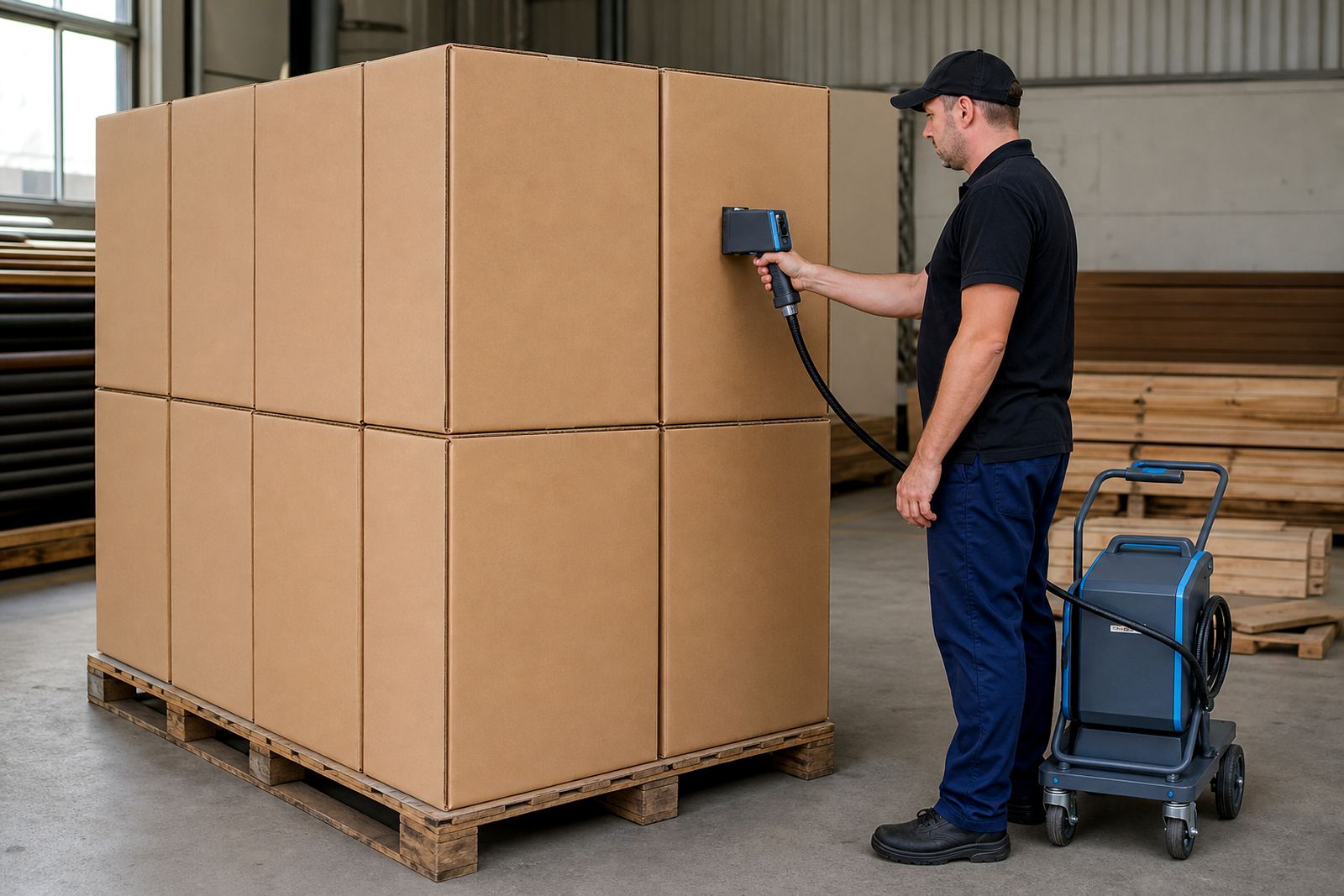
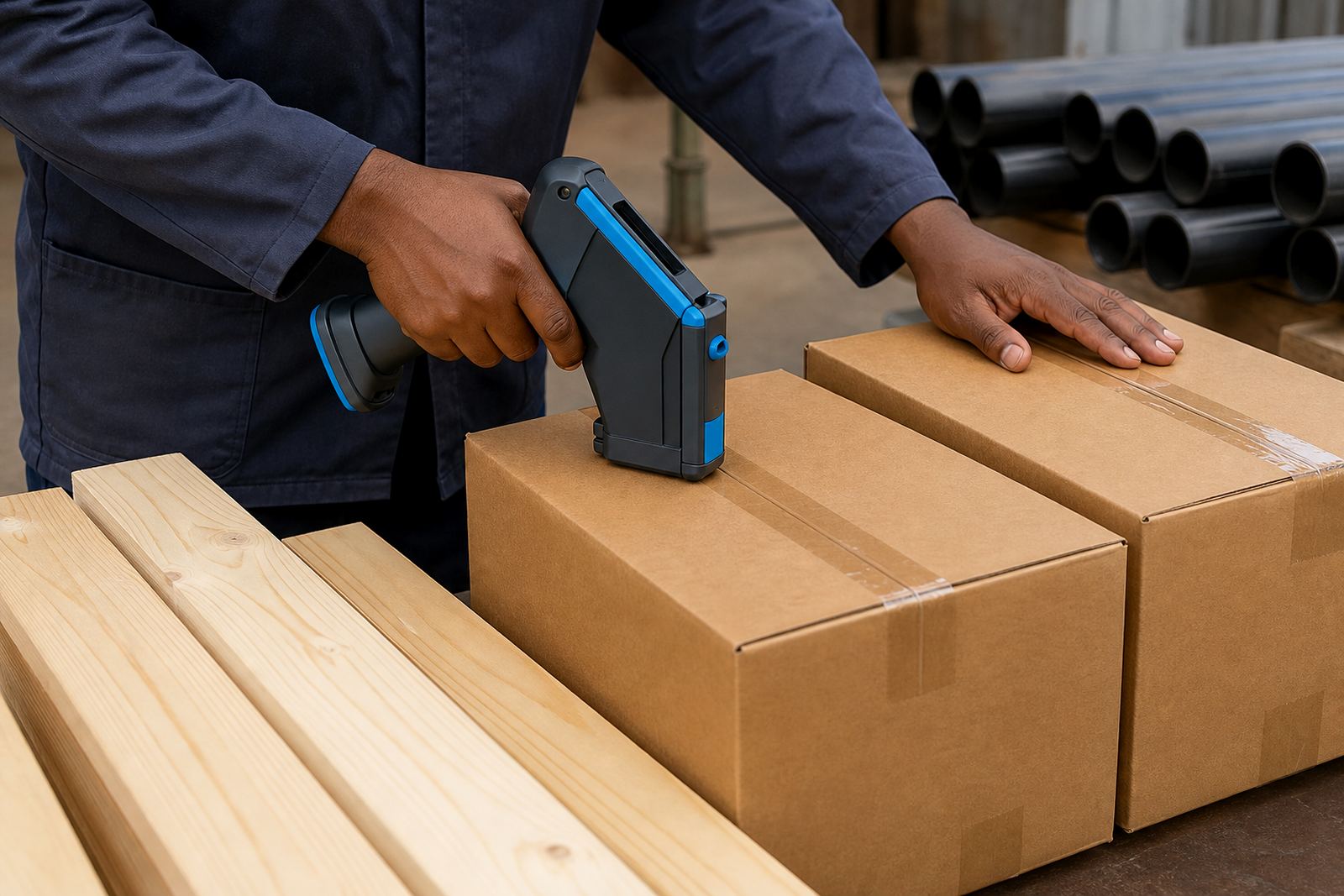
The same holds for cartons packed in a busy dispatch area. If the outer box already carries handling marks, a compact code stays legible without fighting for space. On pipes or steel sections, shorter print is often easier to place on a clean flat patch, which helps the code stay visible after stacking and transport.
This is why message length planning pays off. It is not only about fitting words onto a surface. It is about keeping the code readable, quick to place and practical for the way South African packing and dispatch areas actually work.