
Light surfaces need contrast before anything else
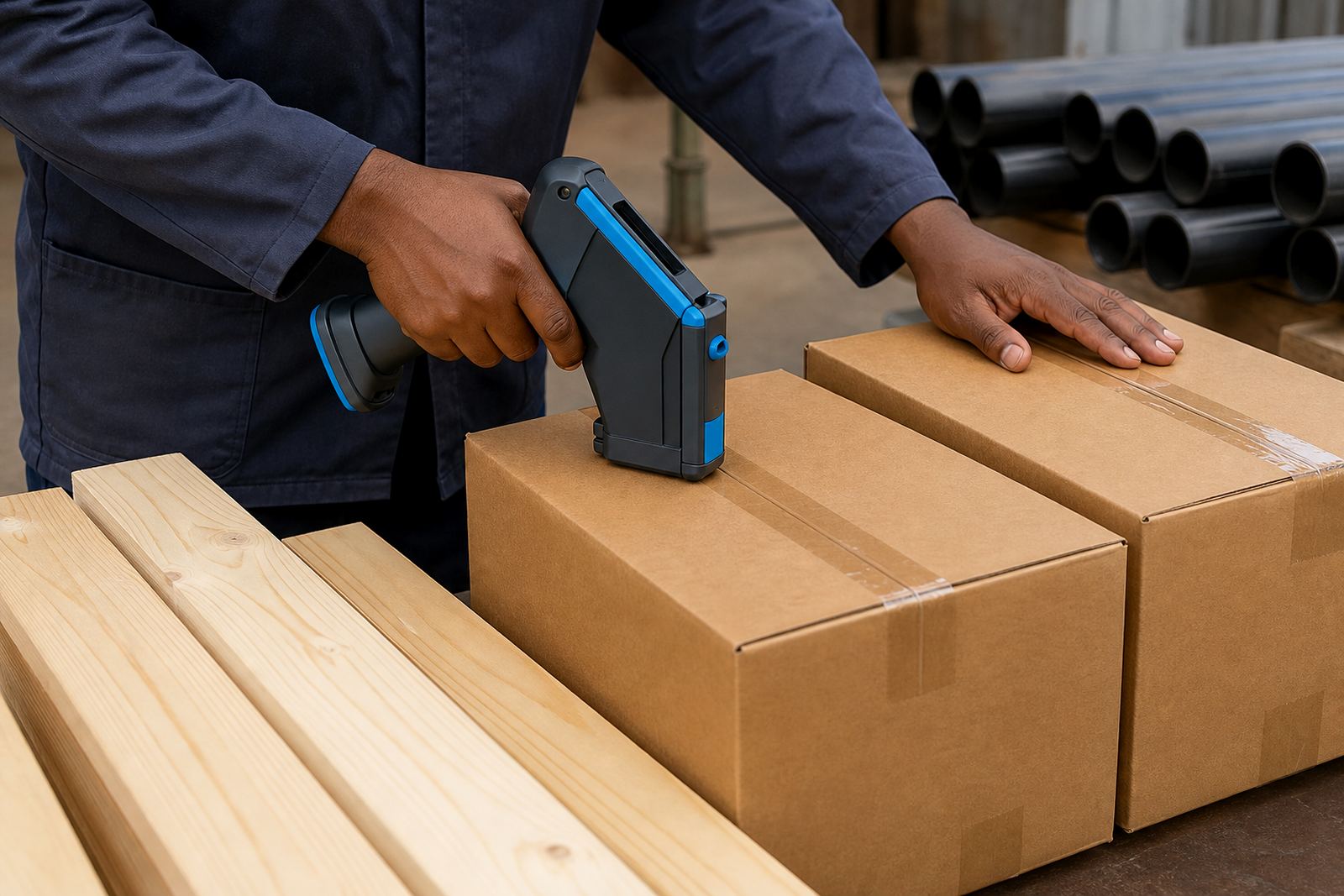
Black ink works best where the surface is pale, matt or lightly toned. It gives clear reading on corrugated cartons, kraft packaging, pale plastic pipe, unfinished timber and natural woven sacks. When a code has to be checked by eye, black usually gives the easiest read because the mark sits strongly against the background.
On a busy line or in a yard, that contrast matters more than people expect. A batch number on pale packaging can be scanned or checked later, and a date mark stays legible even after handling, stacking and short storage. On dusty timber or rough cartons, black also holds its shape better than softer colours that fade into the material.
It is often the first ink to test when a customer needs one coder for several light-coloured items. In Pinetown and Durban, we often see it used on shipping cartons, timber packs and product sleeves where a plain black mark is enough for stock control and dispatch.
Where black ink gives the cleanest result
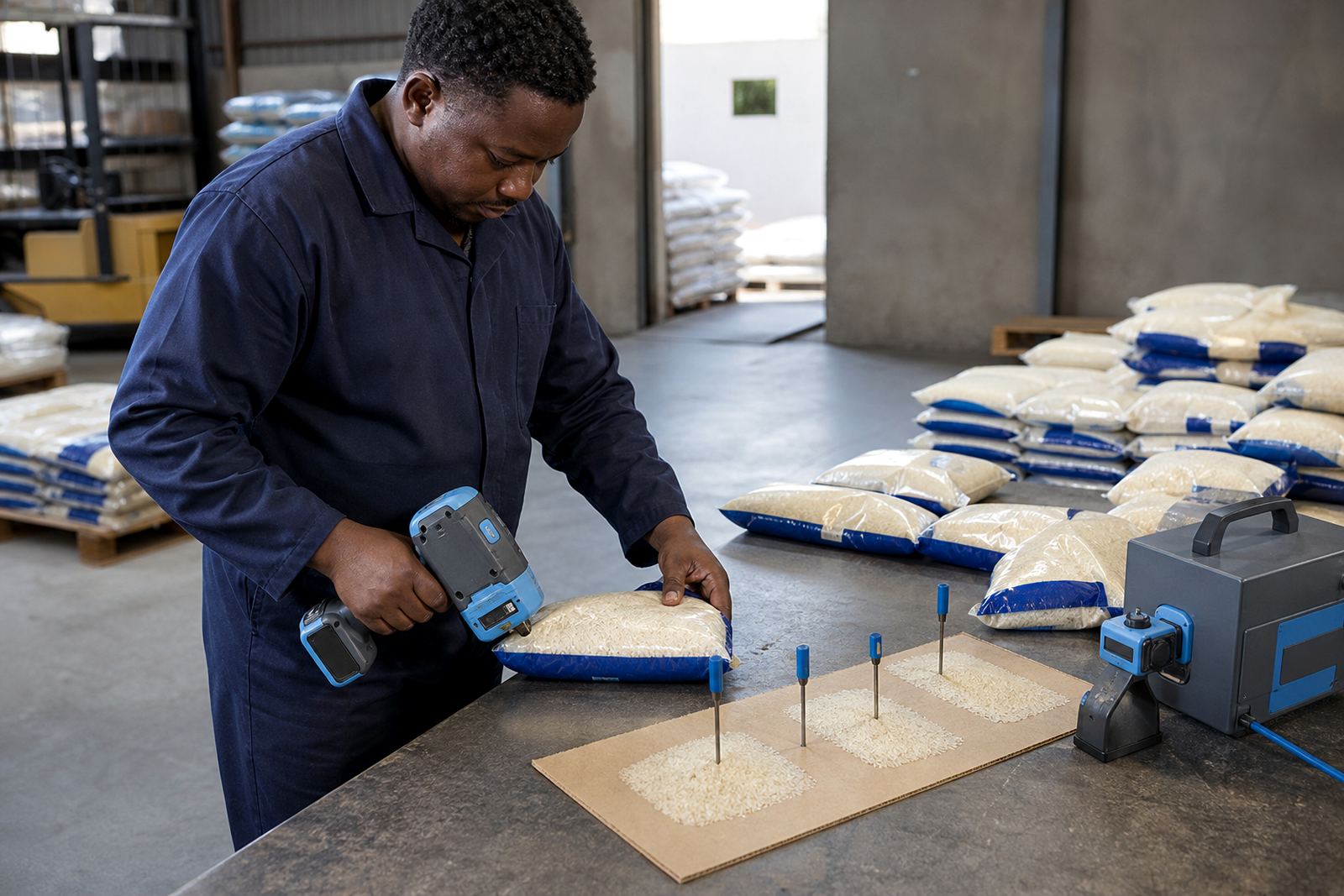
Not every surface behaves the same way. Smooth, pale and less absorbent surfaces usually give the most reliable finish with black. Quick-dry solvent-based inks are often selected for coated packaging, some plastics and faster-moving handling areas. Water-based black inks are better for absorbent materials such as untreated cardboard and timber, where the surface can take the ink in evenly.
Black is not automatically right for every line. A handheld inkjet coder can be used for dates, lot codes, short text, simple logos and barcodes, but the ink choice has to match the surface and the way the pack or component is handled. If the item is moved quickly, stacked soon after coding, or stored where rubbing is likely, quick-dry black usually deserves the first test.
- Corrugated cartons with pale outer faces
- Natural timber, battens and untreated board
- Light plastic pipe and sleeves
- Woven bags in beige, cream or off-white
- Printed labels that still have clear blank space
When black ink is the practical choice for codes
Black is usually the safest colour when the code must be easy to read from a distance or under warehouse light. It suits batch numbers on boxes, production dates on timber packs, expiry dates on outer cartons and simple logos that need a firm outline. Where there is no strong brand colour requirement, black is often the most practical choice because it reads well across different materials.
For barcodes, the contrast has to be checked carefully. Black on white or pale backgrounds is still the standard starting point, especially where the code will be scanned by handheld readers or checked manually before dispatch. On cartons that are slightly brown or cream, a darker black with clean edges is far more dependable than a faded print or a soft grey mark.
Some jobs call for a low-ink, compact print height, while others need a wider mark for long product names or larger logos. Handheld coders can usually handle both, but the setting has to suit the item. A 12 mm or 18 mm print height can work well for dates and batch codes, while larger markings may be needed for bigger branding or packaging notes.
Black ink on timber, pipes and rough stock
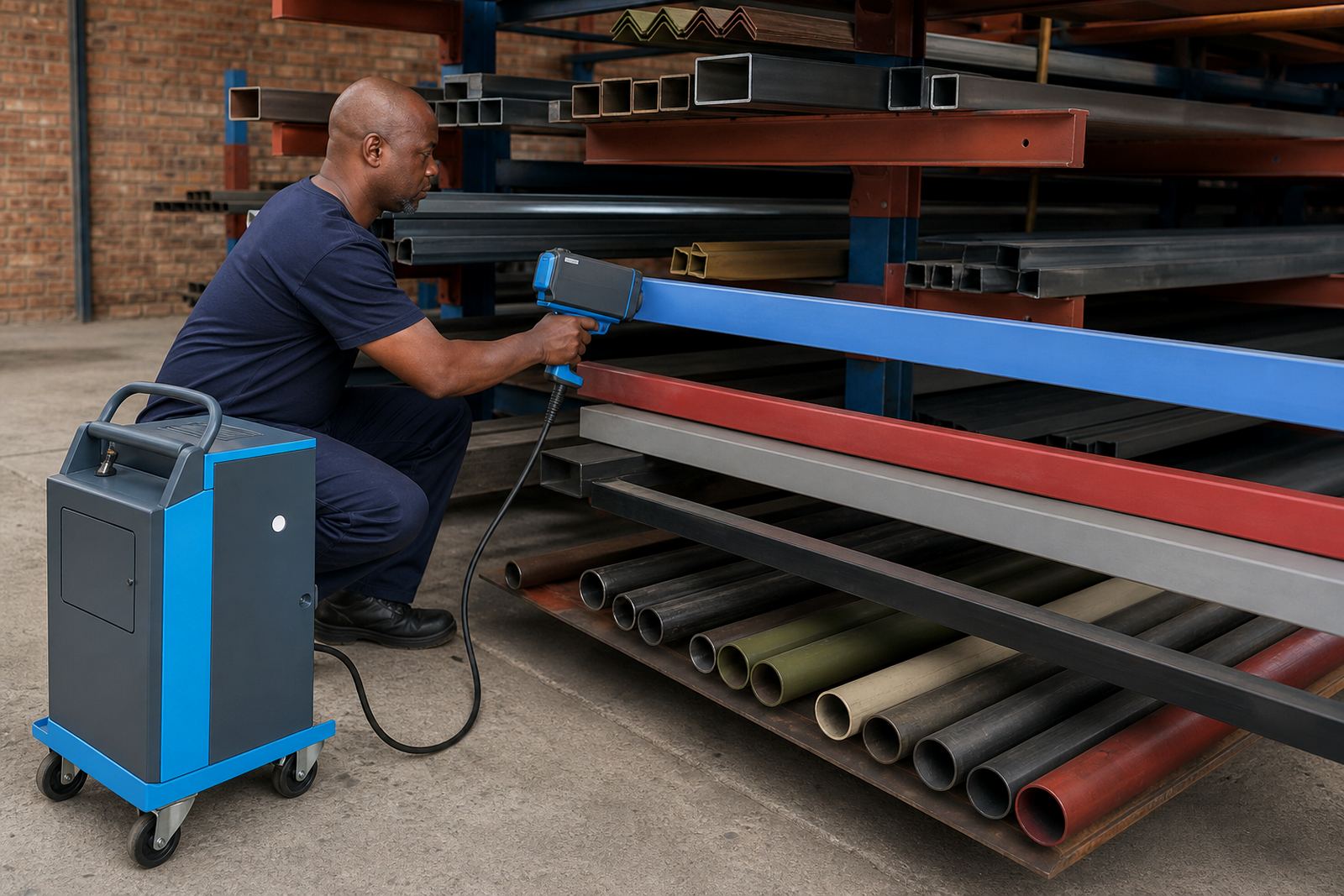
Timber and pipe work is where black often earns its place. On untreated pine, black settles into the grain clearly enough for board counts, species notes and yard markings. On pale pipe, the mark stands out quickly without needing extra handling. This is useful in timber yards, fabrication spaces and dispatch areas where items are moved by hand and sorted in plain sight.
Rough surfaces need a bit more care. If the timber is dusty or the pipe is slightly wet, the print can blur or skip. A clean test print helps show whether the nozzle setting, print speed and ink type are right. In coastal areas such as Durban and Richards Bay, humidity can affect drying on some materials, so a quick-dry black ink is often worth considering for smoother handling.
- Keep the print head aligned before each run
- Wipe dust from timber and pipe before coding
- Test on the actual surface, not a spare offcut
- Choose a quicker drying ink where handling is immediate
- Check barcode bars for clean edges and consistent darkness
When black is not the best answer
Black is strong, but it is not right for every surface. On very dark cartons, black can disappear unless the print area is lighter. On glossy black plastic, painted steel or coated dark packaging, a lighter ink may be needed to give readable contrast. That is where ink selection matters as much as the machine itself.
Some materials also shed or smudge if the wrong ink is used. Smooth coated steel, for example, may need a solvent-based black that bonds better than a water-based option. On absorbent cardboard, the opposite can be true. The point is to match the surface, the drying time and the handling pattern before you commit to a full hire period.
If the job includes more than one surface, the safest approach is to test each one. A carton may take black beautifully while a coated pipe section needs a different ink or a smaller print height. That is normal on mixed production runs and it saves a lot of rework later.
How weekly and monthly hire helps with real coding work
Handheld printer hire works well when the job changes from week to week. A short hire can cover a packing run, a stock relabel exercise or a dispatch cycle. A longer monthly hire suits regular coding on cartons, timber packs, pipe bundles and bagged goods where the machine stays in use across several shifts.
Our team in Pinetown handles delivery and collection, on-site setup, remote setup help, operator training, ink selection help, message loading, barcode setup, logo setup, test printing, consumables supply, troubleshooting support and backup unit support. That matters when the print has to look right before goods move out the gate.
A Durban customer sending pale cartons and untreated timber through one yard may need black ink for both materials, but not the same ink type. A proper test print shows the difference before the hire starts in earnest, and it helps set the right message, height and drying profile for the work at hand.