Where water-based ink fits best
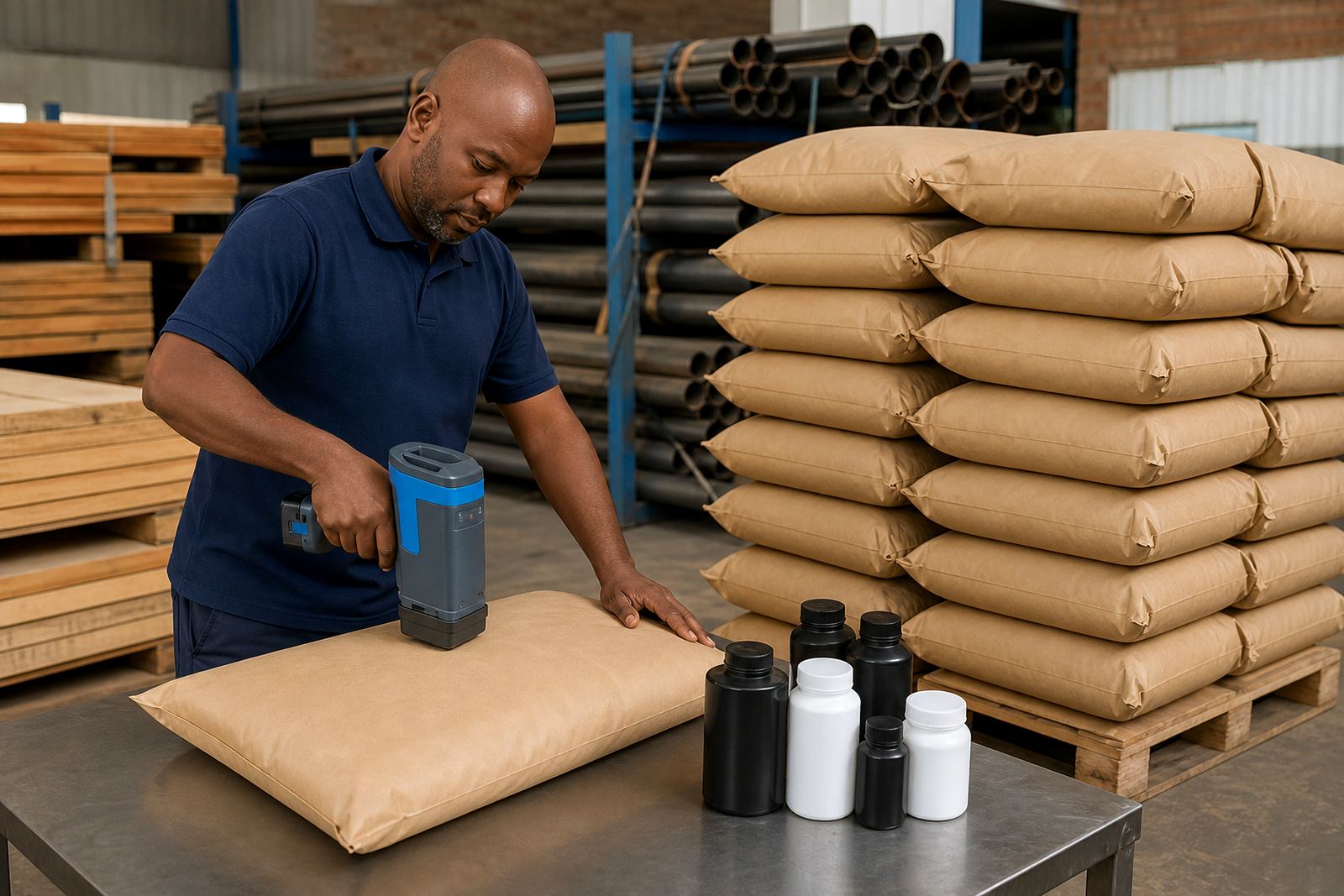
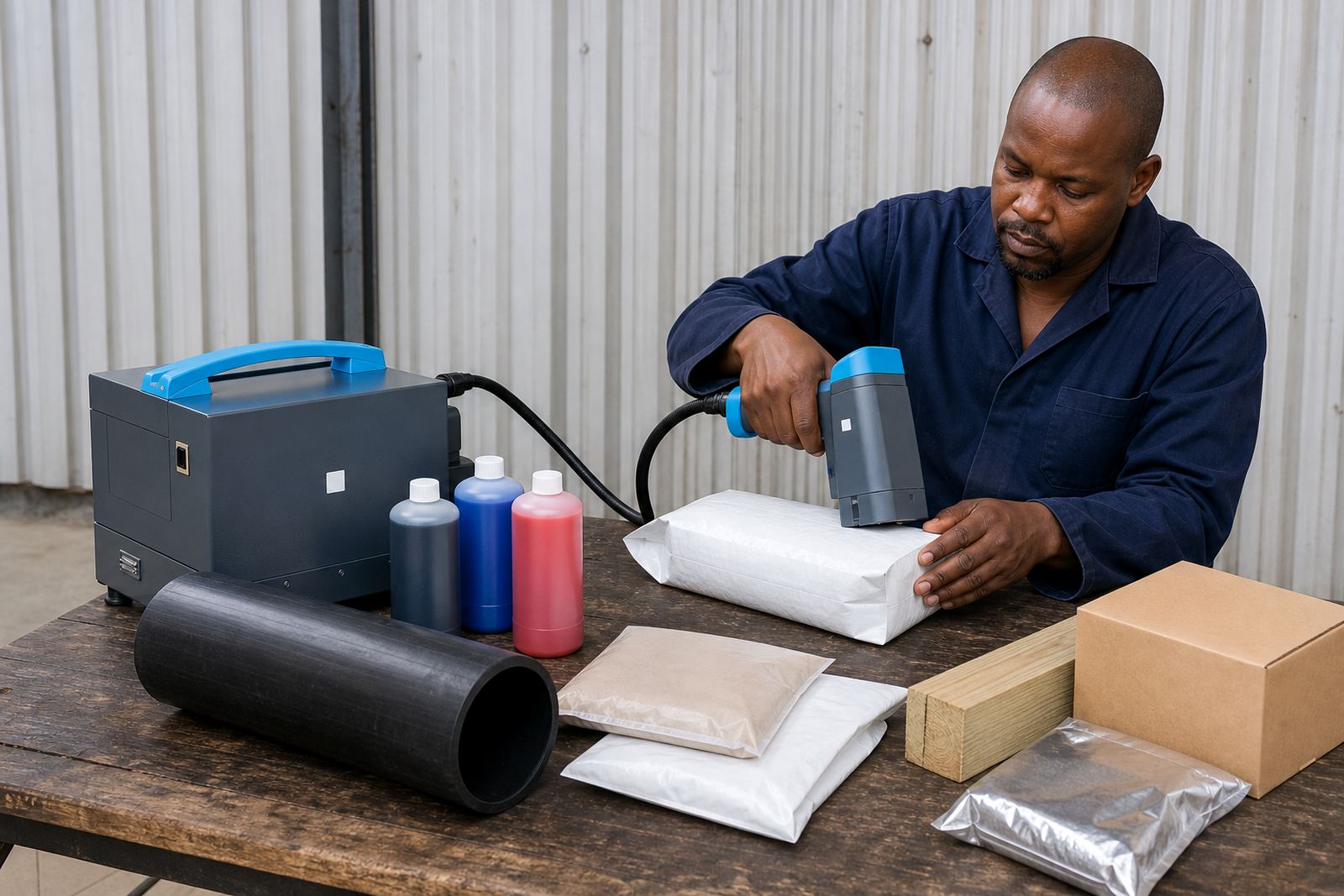
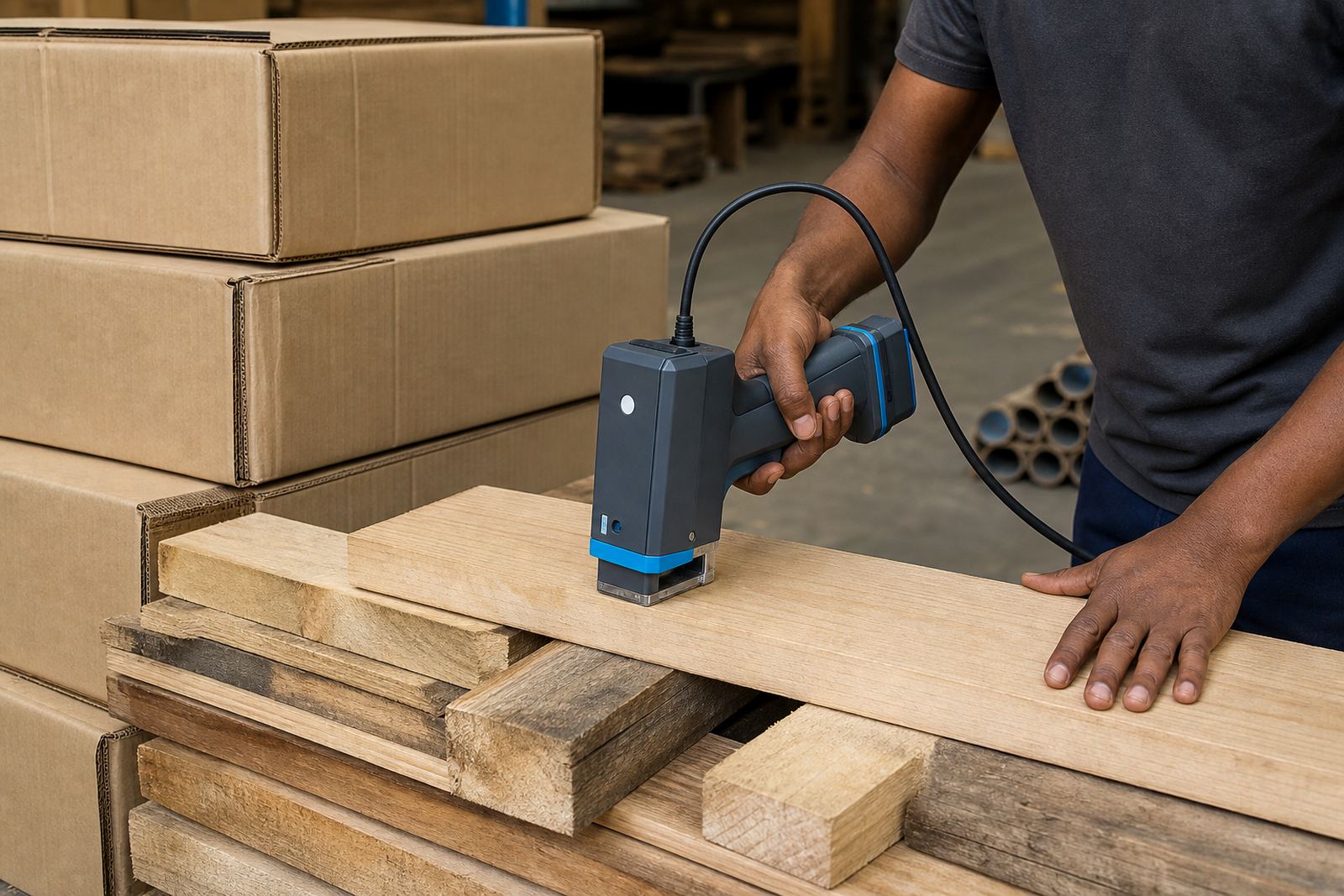
Water-based ink is made for absorbent surfaces that can take in the liquid instead of letting it sit on top. That makes it useful for carton coding, batch marks on paper bags, and lighter identification on untreated timber or fibre board. It is less suited to glossy wrap, sealed pipe, coated steel or dusty surfaces that shed the mark.
On a handheld inkjet coder, the result depends on the surface texture, print height and how steady the operator keeps the print head. A porous board in a Durban warehouse can take the ink neatly, while a sealed carton with a slick finish may show feathering or a faint edge. The surface decides a lot more than people expect.
- Best for cartons, paper sacks and fibre board
- Works on untreated timber with the right settings
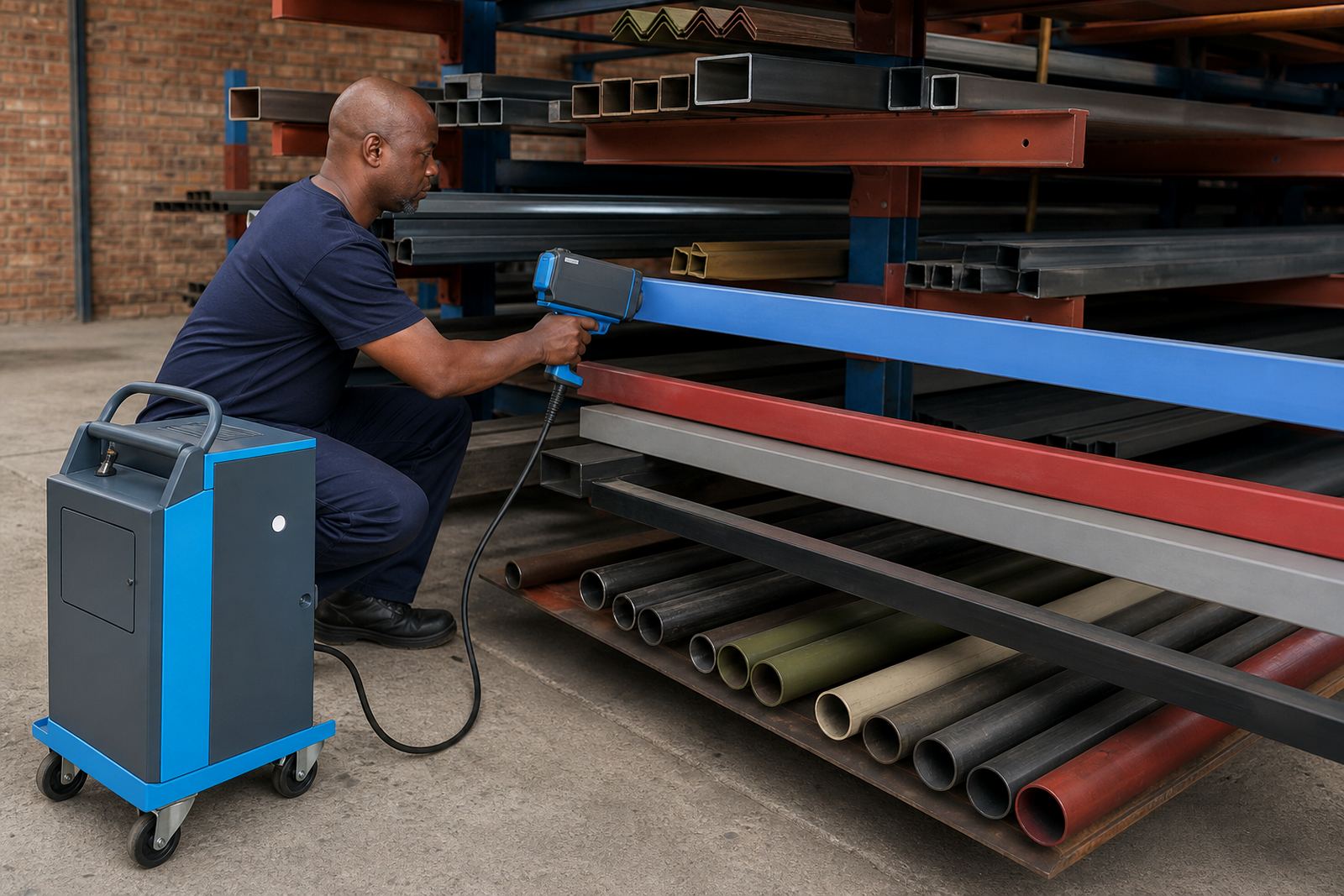
- Less suitable for coated, oily or sealed surfaces
How it behaves on porous stock
Porous stock pulls the ink into the top layer, so the mark can dry evenly and stay readable during packing and stacking. That helps when cartons are moving through a line in Pinetown or going out to depots in Johannesburg and Cape Town. The mark usually looks best when the carton face is flat, clean and free of loose dust.
Where the fibres are loose or the stock is too damp, the ink may spread wider than planned. On timber, end grain can drink in more ink than the face, so the same setting may print darker on one side and lighter on the next. A small test panel saves a lot of guesswork.
- Dry, clean fibres give the sharpest result
- Moist stock can blur the printed edge
- End grain on timber needs careful test marks
Choosing the right water-based formula
Water-based ink is not one single product. Some formulas are built for quick drying on cartons, while others suit heavier absorbent surfaces where the print needs to sink in a little deeper. The fill, the nozzle and the print speed all need to match the job.
A short hire period is useful when you are testing different cartons or bag stock. On a weekly hire, the team can trial a couple of formulas and check the print before the run gets busy. For monthly hire, the ink choice should follow the regular packaging material, the storage conditions and the line speed.
- Quick-dry versions help when cartons move fast
- Heavier absorbent stock may need a fuller ink load
- Matching ink to the material improves legibility
What print height means on a handheld coder
Print height matters because a clear code must fit the space without crowding the carton face. Handheld inkjet printers can usually be set for small date lines, larger batch marks or wider logo blocks, depending on the unit and the nozzle arrangement. On a carton panel, a compact code often reads better than an oversized mark that sits too close to the fold.
For porous materials, the right height also helps with drying. A very tall block of text can hold more ink and may need a steadier hand, especially on sacks or timber with uneven grain. When the message includes numbers, letters and a logo, the layout needs to be balanced so the mark stays clear at working distance.
- Smaller codes suit narrow carton faces
- Bigger marks need a steadier hand and more space
- Balanced layouts help when adding logos and batch numbers
A Durban warehouse example on cartons and timber
A packing team in the Pinetown area may move cartons from one run to the next while also marking timber battens for dispatch. In that kind of setting, water-based ink can do well on the cartons and untreated timber, as long as the operator tests the surface first and keeps the print face clean. A quick setup on site helps set the message, batch line and print height before production starts.
If the timber is rough, the coder may need a slower pass and a slightly bolder setting. If the cartons are dusty from storage, a light wipe can improve the finish. Coastal humidity in Durban can also change the feel of the stock, so keeping the cartons under cover until use is worth the effort.
- Test the carton face before a full run
- Keep rough timber free of loose fibres
- Store stock under cover where humidity is high
Hire terms that suit short runs and regular coding
Weekly or monthly terms suit teams that do not want to buy equipment for a short campaign or a changing packaging line. Water-based ink is part of that practical setup because it gives a clean option for absorbent materials without pushing the job into more aggressive solvent use. The right unit, ink and message file all need to be matched to the material in hand.
Delivery and collection can be arranged, with on-site setup, remote setup help and operator training where needed. Message loading, barcode setup, logo setup and test printing all matter before cartons or bags move into full dispatch. Consumables supply, troubleshooting support and backup unit support keep the hire workable when the job stretches across a week or a month.
- Weekly hire suits smaller production runs
- Monthly hire fits regular carton coding work
- Setup support helps keep the print readable from day one