
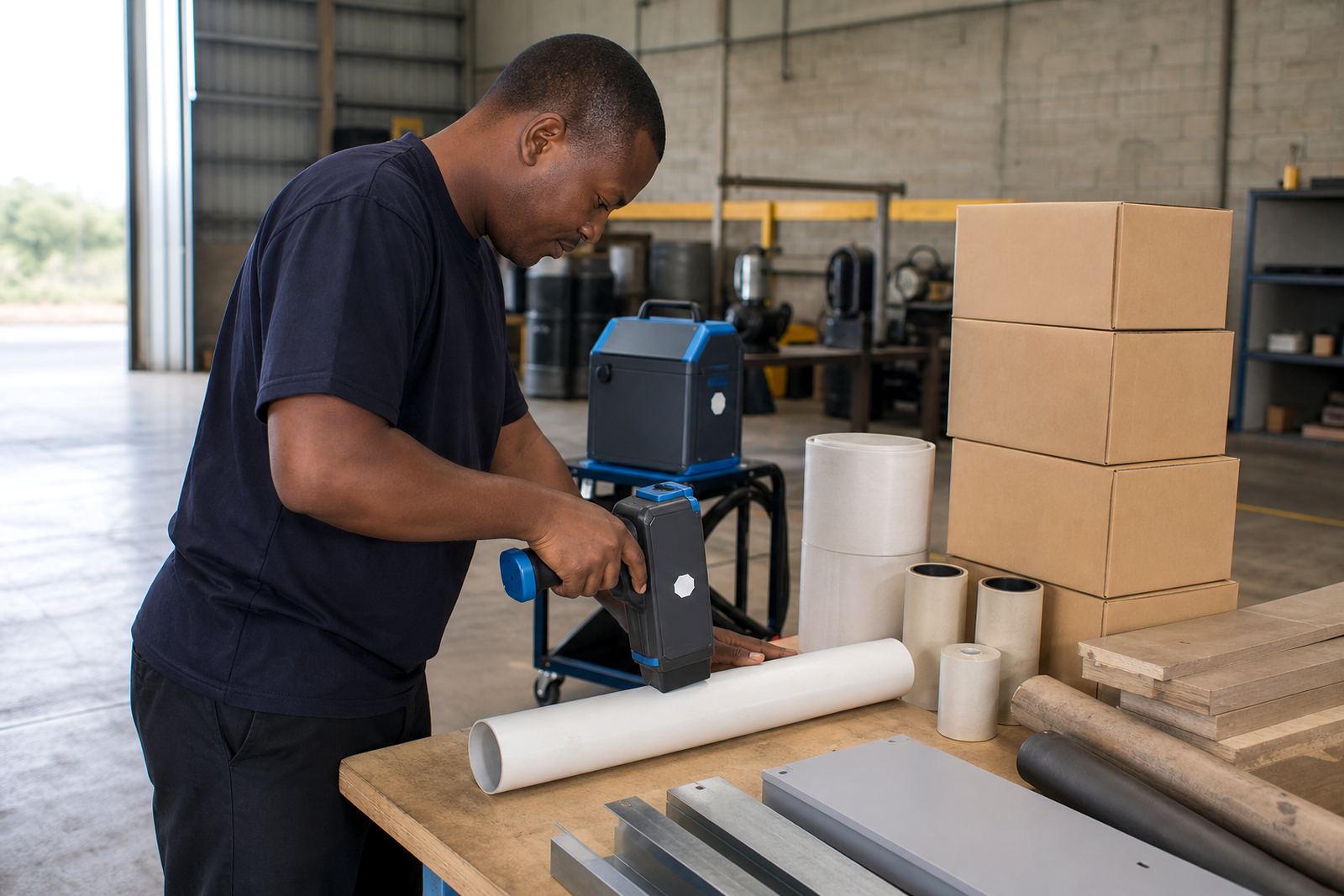
Smooth Surfaces Ask More of the Ink
Non-porous materials give ink less to bite into, so the surface itself becomes part of the job. On cartons with a glossy coating, painted drums, shrink wrapped bundles and moulded plastic, the mark has to dry on top of the material without smudging when it is moved, stacked or rubbed by hand.
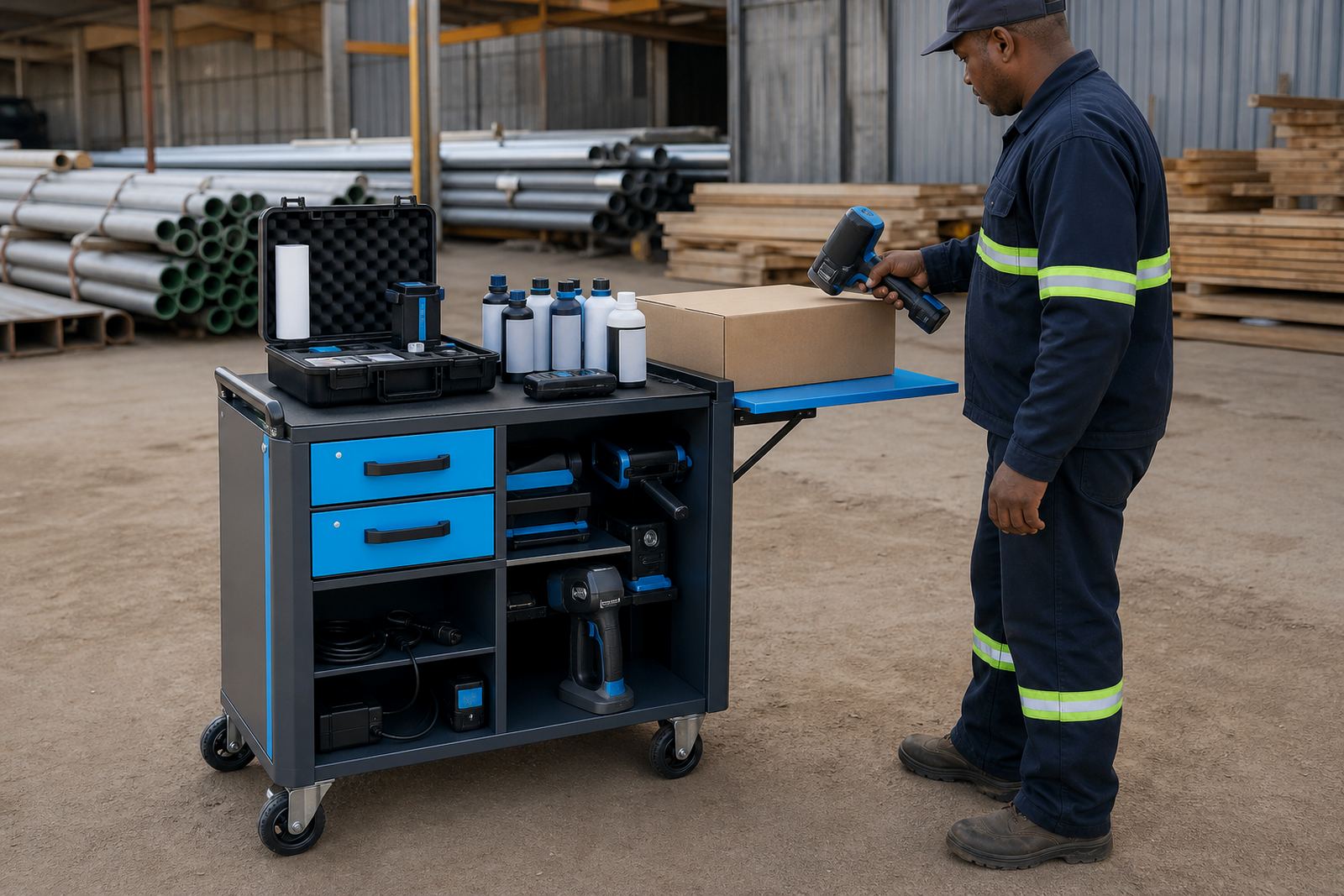
That is where handheld inkjet printers are useful. They let a team code dates, batch numbers, short messages, barcodes and logos directly on site, instead of sending stock away for pre-printing. For jobs around Pinetown, Durban and the wider freight corridor, that matters when packing lines change often or product is dispatched in mixed runs.
- Glossy and lacquered surfaces need quick-dry or specially matched ink.
- Painted metal often needs a cleaner pass and a steadier hand.
- Some plastics take longer to hold a sharp mark, especially if they are oily or dusty.
- Test printing is worth doing before a full run starts.
Picking the Right Ink for the Material
Ink choice is the difference between a neat code and a mark that flakes or wipes off. Solvent inks are commonly used where fast drying and better grip are needed on slick surfaces. Water-based inks can work on more absorbent materials and certain coated packs, while quick-dry options help where cartons, sleeves or plastic items move on quickly after printing.
The best ink choice shifts with the item, how it is handled and the finish. A smooth white plastic pipe does not behave like a matt painted panel. A coated bag used for retail packing is different again. In practical terms, the best result comes from checking the surface feel, then choosing ink that suits the friction, curing time and storage conditions.
- Solvent ink is often preferred for low-porosity surfaces.
- Water-based ink suits some coated and absorbent packs.
- Quick-dry ink helps reduce handling marks on busy lines.
- Extra care is needed in coastal humidity, where drying can take a little longer.
Print Height, Font Size and Barcode Readability
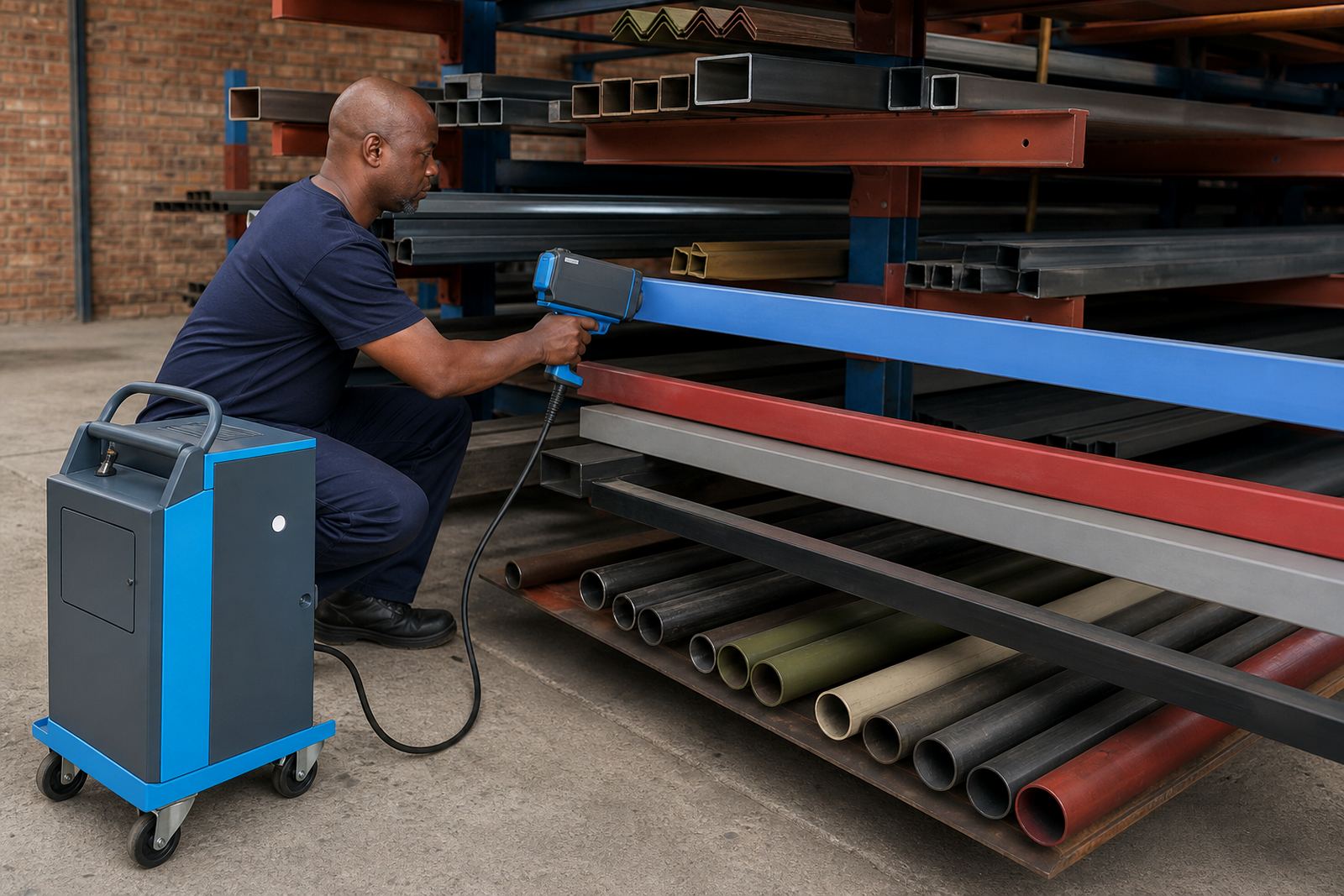
Handheld coders are usually chosen for flexibility, but print height still needs careful thought. Smaller codes fit tight spaces on packaging or narrow pipes, while larger marks are easier to read from a distance on crates, timber lengths and steel sections. If the code is too small, the operator may get a tidy-looking mark that is hard to scan or read on the floor.
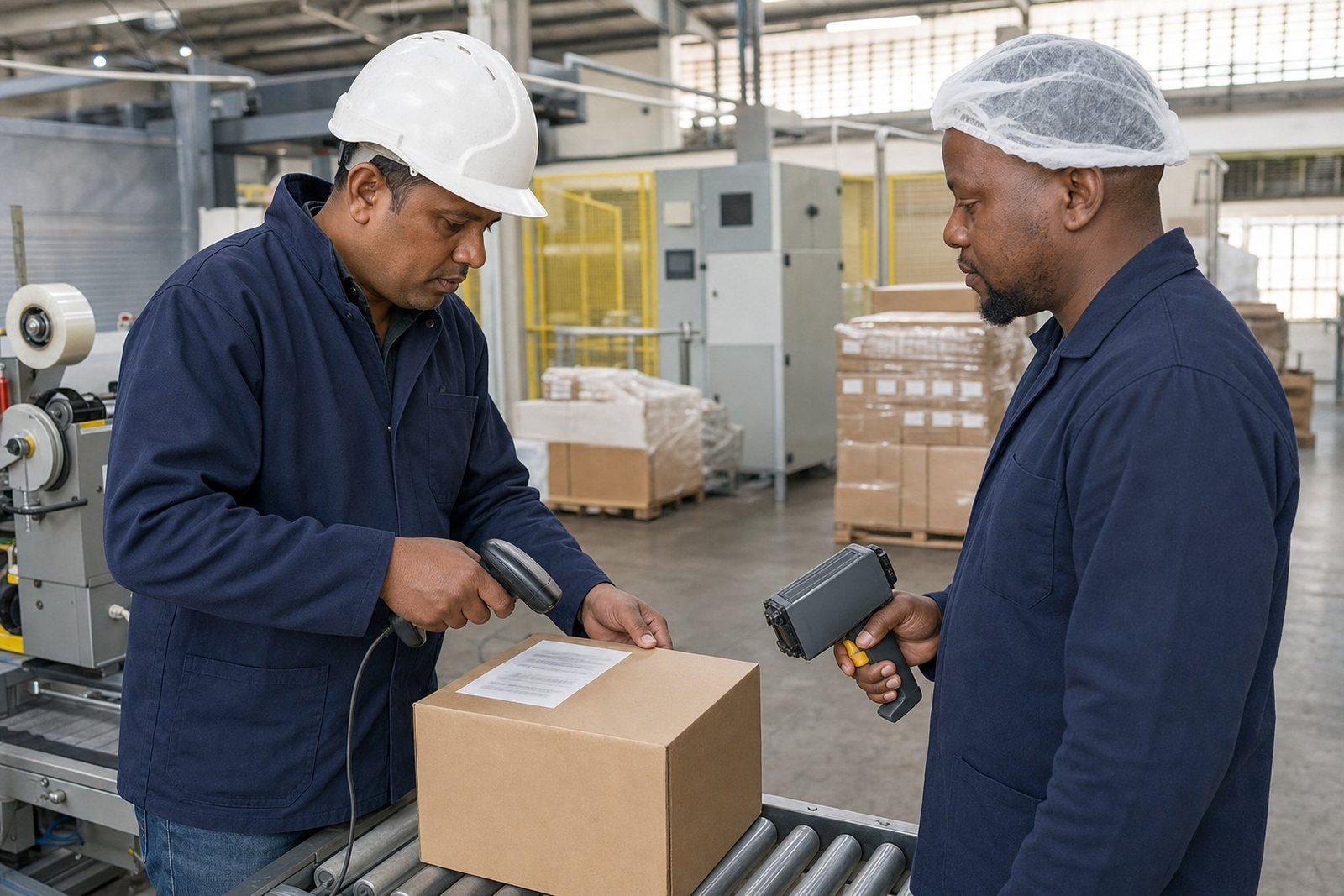
Barcode work needs even more attention. A scanner reads contrast, spacing and straight alignment, so the print has to stay even across the full symbol. On uneven or curved surfaces, a slight tilt can distort the bars and make the code unreliable. For that reason, test prints should be checked with the same scanner that will be used on the receiving side.
- Short text can sit comfortably in tight spaces.
- Barcodes need clear contrast and a steady print path.
- Large logos work better on flatter areas than on curved pipe.
- Spacing should allow for handling, stacking and inspection.
Surface Prep Matters More Than People Expect
Many print problems start before the coder is switched on. Dust, release oil, moisture and loose paint all interfere with the bond between ink and surface. A plastic drum with surface dust may print cleanly but the mark can smear when touched. Painted steel with powdery residue may look fine until the first movement in the yard.
A quick wipe-down, dry pass or light cleaning step often improves the result more than changing settings on the unit. Where cartons carry a coating or varnish, the finish should be checked for gloss level and slip. On timber, grain and resin pockets can alter how the mark sits, so a test on the actual batch is better than relying on a sample board.
- Remove dust, oil and loose particles before printing.
- Check for moisture on packed goods after washing or cooling.
- Use test areas on the actual batch, not a spare offcut only.
- Keep print heads and nozzles clean during long runs.
On-Site Hire Helps When the Job Changes Often
Handheld printer hire is useful when a business needs coding for a specific run, a seasonal order or a temporary production change. Flexible weekly or monthly terms suit operations that do not need a full-time machine on every line. It also helps when one site needs a backup unit, or when a team wants to trial a print format before committing to permanent equipment.
In Durban and Pinetown, we often see work where cartons, pipes and timber all need different marks in the same week. A printer that can move between surfaces gives more room to manage changing orders. The same unit may be used for batch numbers in the morning and a logo mark later in the day, provided the ink and setup are matched correctly.
- Weekly hire suits short production runs and project work.
- Monthly hire suits ongoing coding needs with changing volumes.
- Backup units are useful when a line cannot wait for repairs.
- Delivery and collection help with sites spread across different towns.
A Durban Example from the Floor
A small packing team near Pinetown needed to mark coated cartons for a coastal delivery run, then switch to printed codes on plastic containers used for a separate order. The carton surface took a neat quick-dry mark, but the plastic needed a different ink mix and a steadier print pass. Once the team tested both surfaces on the actual stock, the job settled into a routine that was easy to repeat during loading.
That kind of mixed work is common across Durban, Pietermaritzburg, Johannesburg, Cape Town and Richards Bay. A business may not need the same setup every day, but it still needs codes that stay legible from dispatch to delivery. Handheld inkjet printers are practical in that setting because the same hire unit can move from one material to the next with the right message loaded and the right test done first.
What a Good Hire Arrangement Should Cover
For non-porous surface printing, the hire arrangement should cover more than the machine itself. The right package includes setup help, operator training, message loading, barcode setup, logo setup, consumables supply and support if the unit needs a check during the hire period. If a site is working with coated packs or painted materials, the initial test print is not optional in practice, it is part of getting the result right.
At our Pinetown base, hire arrangements are managed for sites across South Africa, with support for delivery and collection, on-site setup, remote setup help and troubleshooting. The point is to match the coder to the surface, the print height and the handling pattern, so the mark is still clear when stock reaches the yard, the store or the customer.
- Confirm the material finish before ink is selected.
- Allow room for a test run on the same surface.
- Check barcode clarity with the scanner used on site.
- Keep spare consumables on hand for longer production periods.