Where the mark sits on a round pipe
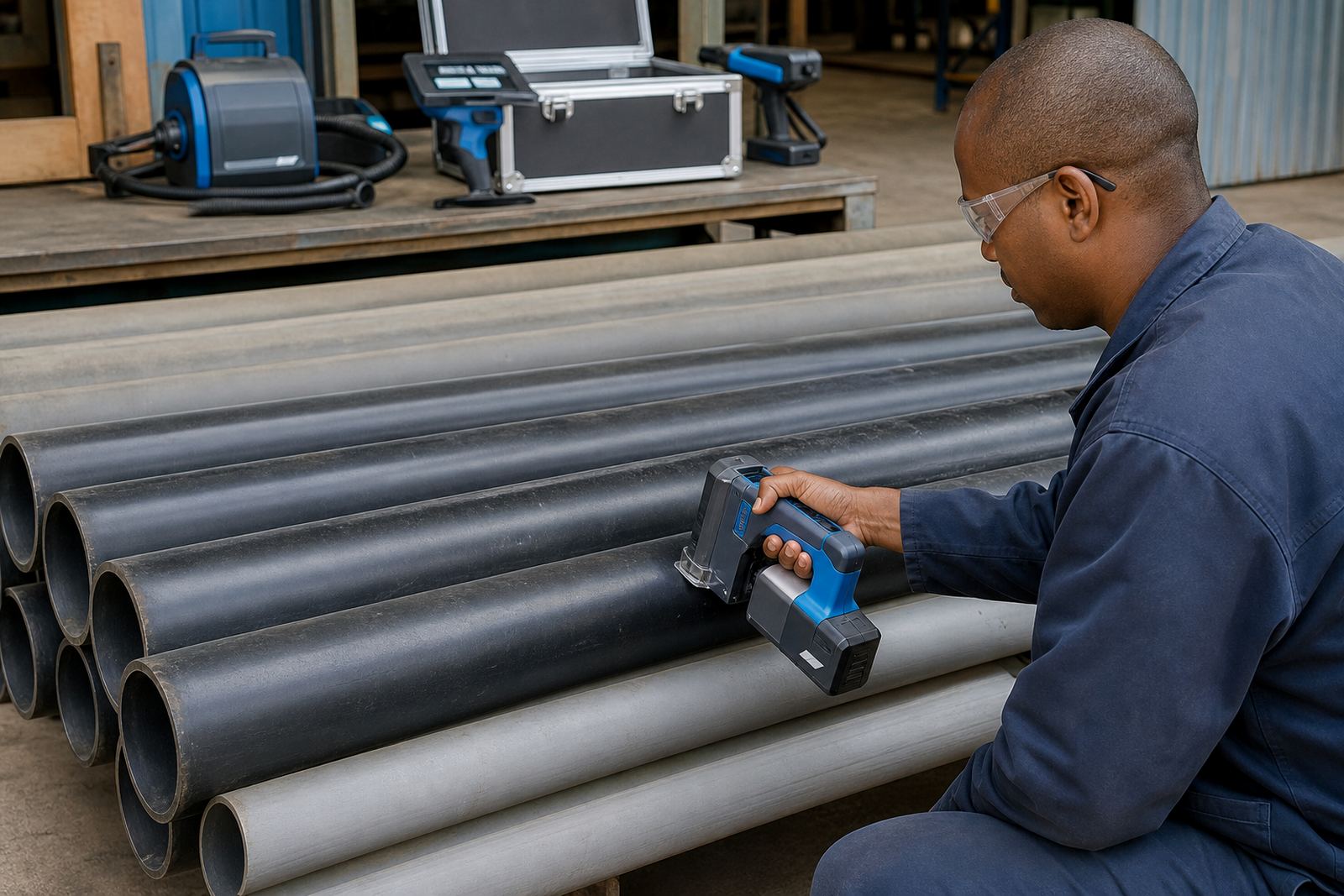
Pipe is awkward because the print area moves as the tube curves away from the nozzle. A handheld inkjet coder works best when the operator keeps a steady gap and places the mark on a flatter visual line, usually along the side rather than right on the crown of the pipe. That helps with codes that need to be read quickly by warehouse staff, installers or inspectors.
For longer pipes, the safest spot is often close to an end band or a marked handling section, provided the code will not be trimmed off later. If the pipe is stacked tightly, keep the mark clear of the contact points where straps, chain slings or skids may rub. On black or dark pipe, a lighter ink can help the code stand out, while pale pipe usually takes darker ink better.
In wet yards around Durban and Richards Bay, condensation can also shift the best placement. A mark that looks neat on a dry bench may feather if the surface is damp, so it helps to test the same pipe type under working conditions before a full run.
Surface prep on PE, PVC, steel and coated pipe
Different pipe materials take ink differently. Smooth plastics such as PE and PVC often need quick-dry or solvent-based ink so the mark grips before the pipe is handled. Steel and coated pipe can behave better with a faster setting formulation, especially when the surface has light oil, dust or handling marks from the cutting area.
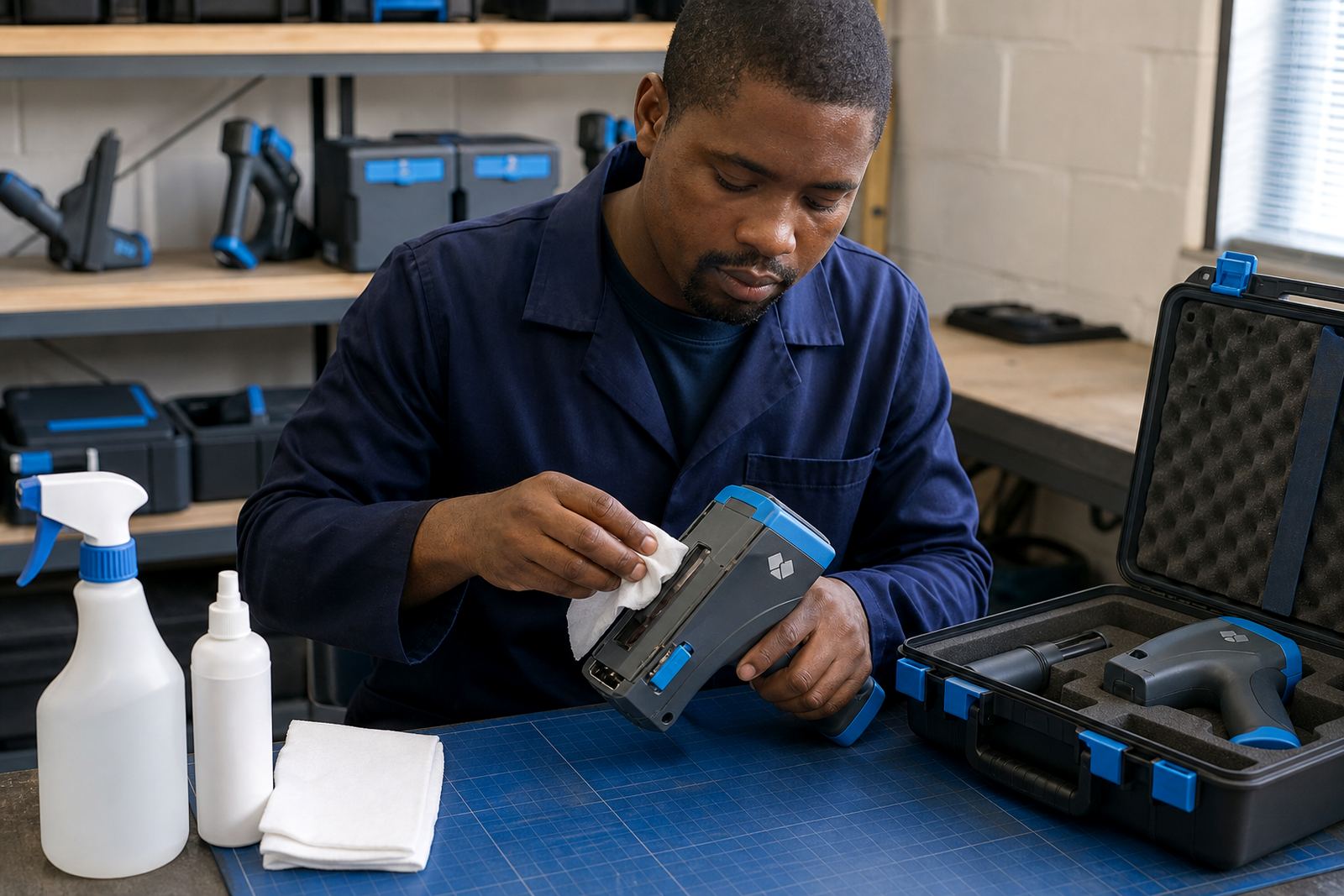
Clean pipe usually prints better than freshly handled stock. A quick wipe to remove moisture, cutting fluid or surface dust can make the difference between a sharp batch code and one that smudges under a glove. On some coated products, the texture is the real issue. A slightly rougher surface can take ink well, while glossy coating may need a slower pass and a test print first.
- Wipe off moisture before printing, especially after storage in humid yards.
- Check for oil film on steel pipe and fittings.
- Use test strips on coated pipe before starting a full batch.
- Keep the print zone away from heavy scuffs and strap marks.
Choosing ink for date codes, batches and logos
Ink choice matters as much as the message. Water-based ink can suit cleaner indoor work and absorbent packaging, while solvent ink is often better on non-porous pipe surfaces. Quick-dry ink is useful where pipes move straight to bundling or loading, because the mark needs to settle before the next hand touches it.
For logos, the question is not only colour but legibility. A simple logo, sized to the print height of the handheld unit, usually reads better than a busy artwork with fine lines. Dates and batch numbers can be printed small and tight, but the code still needs enough spacing so it can be picked up by human eyes and scanners if needed.
On pipe runs that include both smooth plastic and coated steel, it is often worth keeping two ink options on hand. That way the print stays clear across mixed stock, rather than forcing one formula to do every job.
Print height and code length on pipe runs
Handheld coders generally work best when the print height matches the job, not the wish list. A compact date line on pipe may be enough for traceability, while larger text is useful when the marking must be spotted from a distance in the yard. If the pipe diameter is small, oversized text can wrap badly and lose clarity at the edges.
Barcode setup needs extra care. A barcode that prints too close to the edge of a curved pipe can distort, which makes scanning harder. Keep the symbol level, leave enough quiet space around it and test it with the scanner that will be used on site. For longer pipe descriptions, split the message into two lines if the unit allows it, rather than squeezing everything into one crowded block.
- Use shorter messages on narrow pipe diameters.
- Allow space around barcodes so the edges stay clean.
- Set text size to suit the viewing distance in the yard.
- Test the code on the exact pipe surface before hire work starts.
Handling the printer during pipe loading and marking
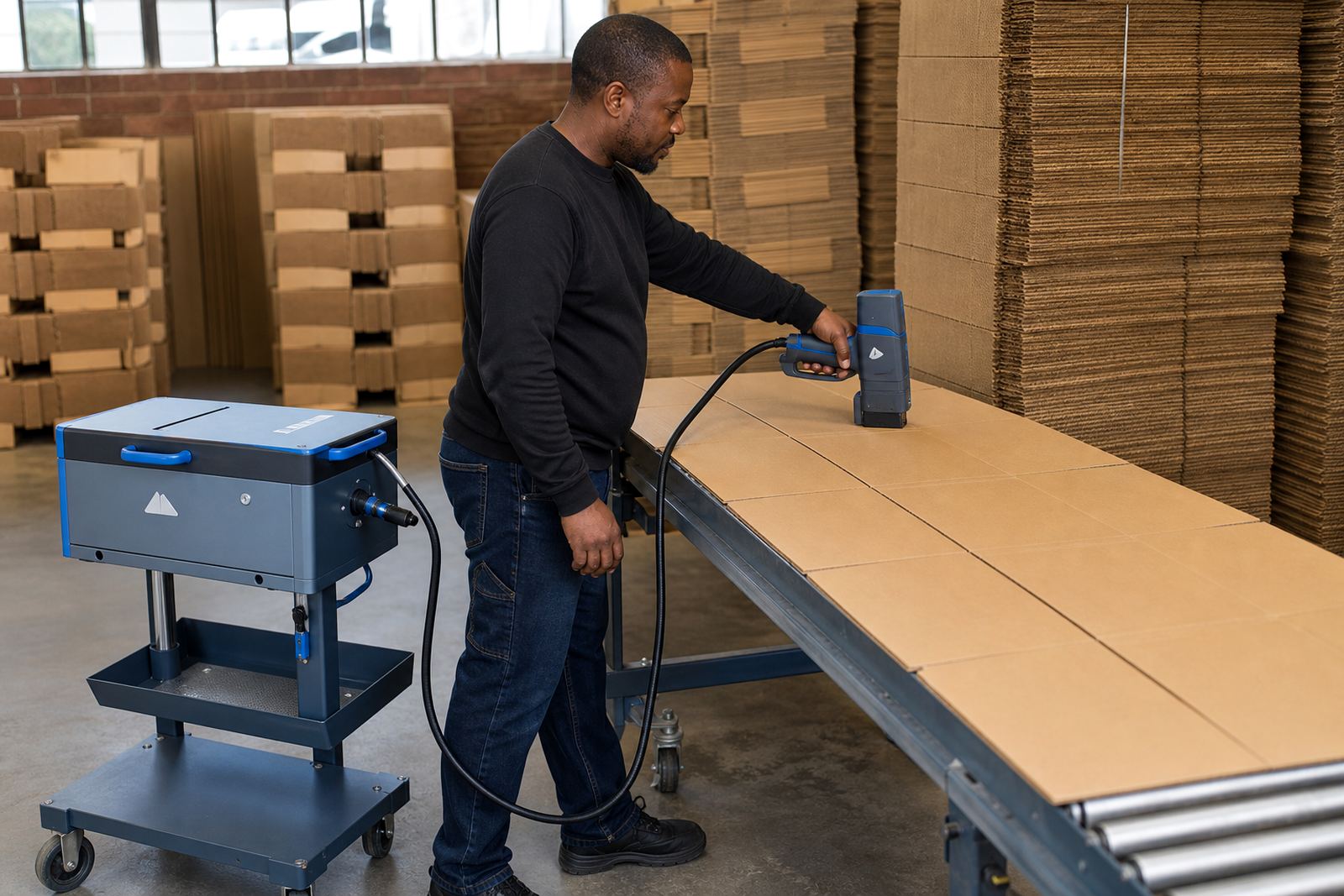
Pipe marking often happens beside saws, bundling areas or dispatch lanes, so the operator needs room to move the printer without bumping the nozzle against the stock. A steady hand matters more than speed. If the pipe is still rolling slightly on the support rack, the print can drift and the message will not sit square.
For repeated runs, it helps to keep the printer settings locked to one approved message until the batch is complete. That reduces mix-ups between product lines, especially where several diameters or grades are being packed on the same shift. In Westmead and New Germany yards, where pipe stock may move through cutting, bundling and loading in one sequence, the printing point should be set early so the team does not waste time chasing the right position later.
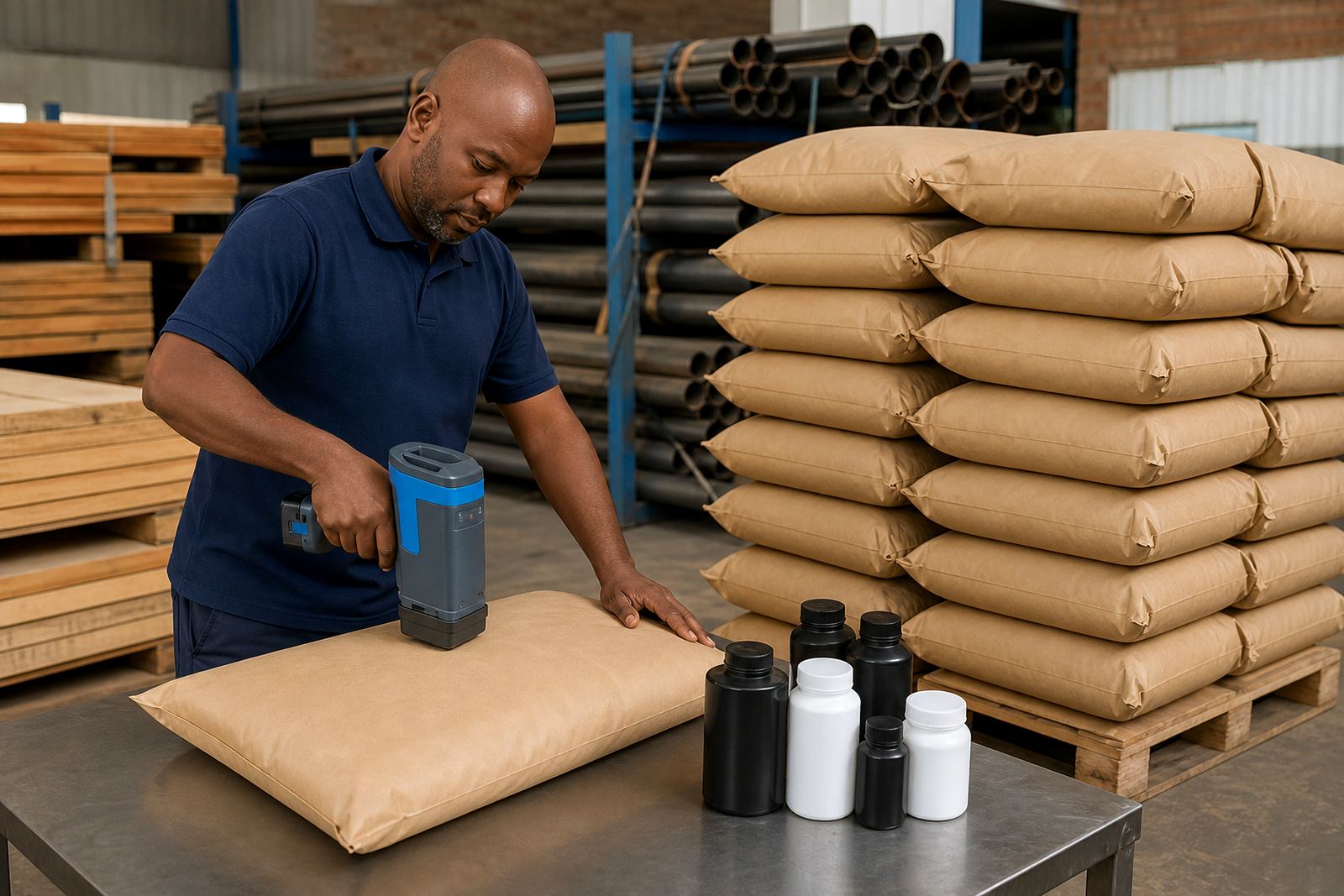
Training also matters. An operator who understands angle, spacing and trigger pressure will waste less ink and produce cleaner marks. That is especially useful when the same unit must handle cartons one hour and steel pipe the next.
A Durban yard example on mixed pipe stock
A typical local job might involve black HDPE pipe for drainage, some coated steel lengths for site work and a small batch of PVC sections for municipal use. In that setting, the team usually checks the surface first, then decides whether the same ink will hold across all three materials. If the pipe comes in damp after a coastal delivery, the print test is even more important.
On one side of the yard, the pipe may be stacked under cover. On the other side, the stock may be exposed to sea air and dust blowing in from the road. The operator marks each bundle near the handling end, keeps the barcode level and checks the first few prints before moving on. That kind of routine keeps the code readable when the bundle reaches the next site.
Short-term rental works well for pipe coding teams that need the printer for a project phase rather than permanently. It gives enough time for setup, training and repeat runs without forcing the site to own equipment that sits idle once the batch is finished.
Hired units, support and consumables for pipe marking
Handheld Printers Rental supplies handheld inkjet printers for pipe coding across South Africa, with delivery and collection, on-site setup, remote setup help, operator training, message loading, barcode setup, logo setup, test printing, consumables supply, troubleshooting support and backup unit support. The service suits pipe, carton and timber marking where the job needs clear codes rather than long production-line hardware.
For pipe work, it helps to have the ink matched to the surface before the hire starts. Solvent, water-based and quick-dry options are all used in different conditions, and the right choice depends on the pipe material, the viewing distance and how fast the bundle moves after marking. The aim is steady legibility on the surface, not a print that looks fine only in the workshop.
From Pinetown and Durban, the team supports hires into Pietermaritzburg, Johannesburg, Cape Town and Richards Bay, with the same practical approach for short jobs and longer project runs. That keeps pipe coding organised when stock types change from one load to the next.