1. Short codes that still do the job
Basic traceability does not need a long message. In many shops the useful information fits into one line, often with a date, a batch number and a short line for the site or shift. A code such as 2410 B17, or 24 OCT B17, can be enough for stock control and dispatch checks when the product itself already carries a full description on paperwork.
For handheld inkjet printers, the trick is keeping the format steady from one operator to the next. Short codes print cleaner on uneven cartons and rough timber, and they are easier to read when the pack moves through the yard, the store or the loading bay. In Durban’s coastal humidity, quick dry ink is often a safer call on sealed packaging and coated surfaces.
2. Common formats used on a real line
Most traceability messages fall into a few practical shapes. Some plants want a date plus a batch code. Others add a shift letter, a line number or a small internal reference. The format should match the way stock is moved, counted and released. If the warehouse checks stock by pallet, the code can stay short. If the product moves in smaller packs, a slightly fuller message may help.
- Date only: 24 OCT
- Date and batch: 24 OCT B17
- Date, batch and line: 24 OCT B17 L2
- Batch and shift: B17 AM
- Date plus short plant code: 24 OCT PNT
These are examples, not rules. A good setup uses the smallest code that still helps the team trace an issue later. Too much text on a 30 mm print height can look crowded, especially on bag film or dusty timber.
3. Print height, surface and ink all work together
Handheld inkjet coders can usually print in several character heights, which makes it easier to match the surface. Smaller text suits tight panels and narrow pipe runs. Bigger text helps on corrugated cartons or timber beams where the mark needs to be seen from a distance. The right height also depends on hand movement, because a rushed pass can stretch the code if the print area is too large.
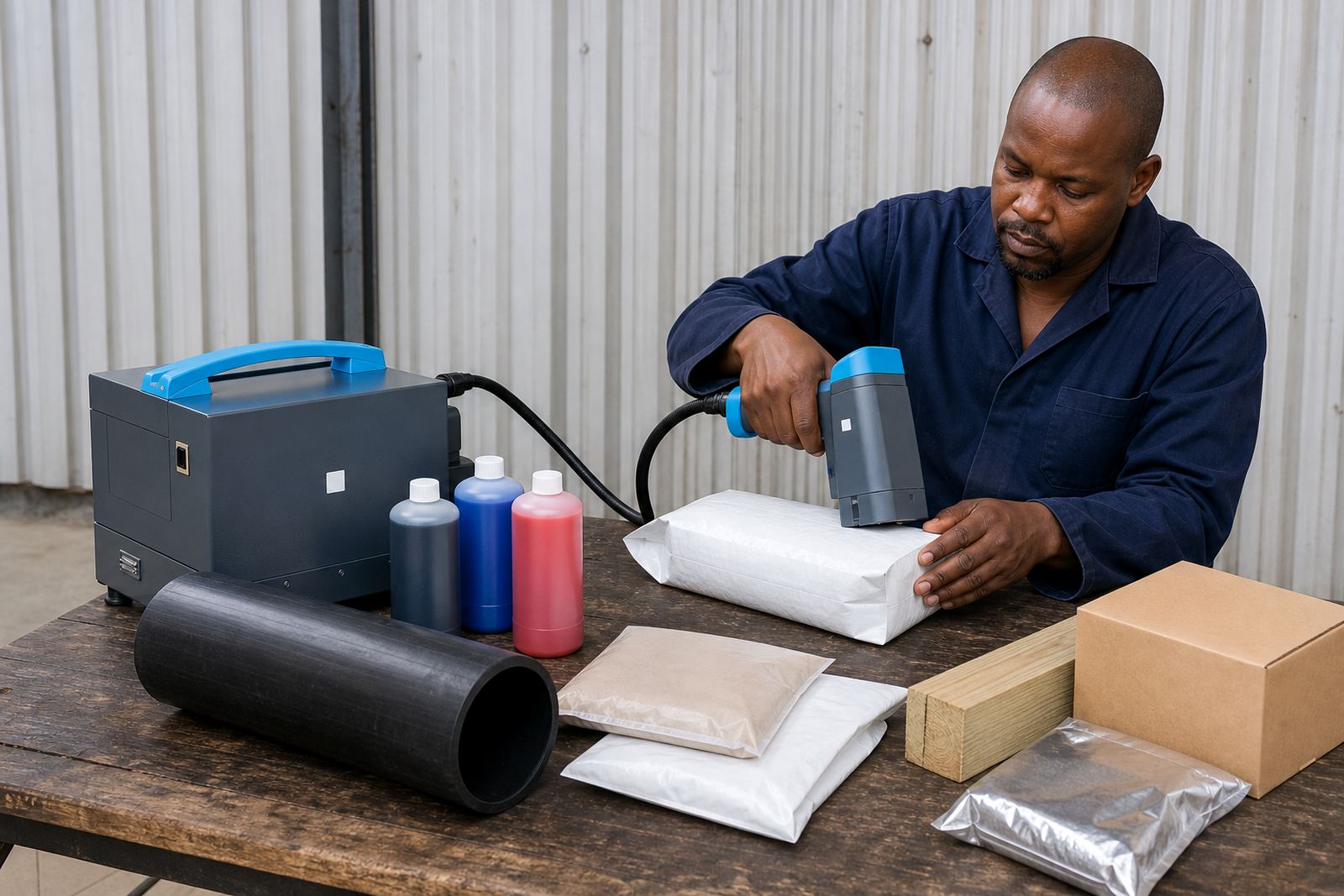
Surface choice matters just as much. Cartons take water-based or quick-dry ink well, while coated bags and non-porous surfaces often need solvent ink for better grip. Steel and some pipes need careful prep, because dust, oil and condensation can spoil the mark. In Pinetown and New Germany, workshops often ask for test prints on the actual material before a run starts, and that saves wasted stock.
4. A clean code on cartons, pipes and timber
Each product type asks for a slightly different approach. Cartons are forgiving, but the box quality changes from batch to batch. Timber can be rough, knotty and uneven, so the print may need larger characters and a thicker contrast. Pipes are often curved, which means the operator has to keep the nozzle steady and the print angle consistent. That is where setup help matters.
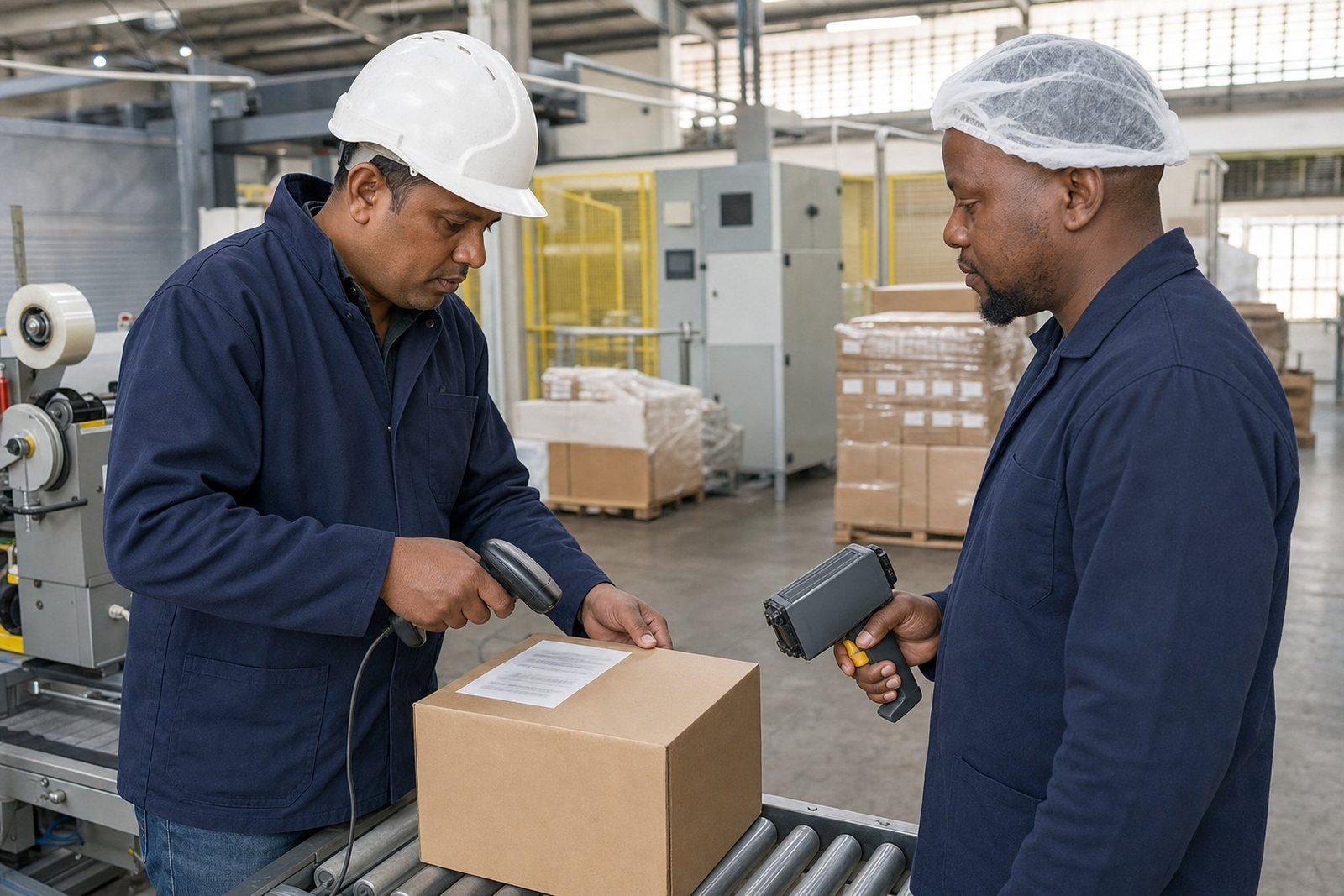
For a Durban manufacturer packing mixed cartons for Pietermaritzburg and Johannesburg, a short code like 24 OCT B17 can be enough if the dispatch note carries the rest. For a timber yard sending treated lengths through Richards Bay, the code may need the treatment date and a small internal lot mark. The message should suit the yard flow, not fight it.
- Cartons: small to medium print, clear date format
- Pipes: steady pass, careful angle, solvent ink where needed
- Timber: larger print, stronger contrast, rough-surface test
- Bags: quick-dry ink when handling starts fast
5. Weekly or monthly hire when the message changes often
Not every job needs a permanent coder on the floor. Weekly and monthly hire works well when a site is trialling a new format, taking on seasonal pack runs or covering a short production spike. It also helps when different customers ask for different message layouts, because the print content can be changed without buying a full machine outright.
Handheld Printers Rental hires out handheld inkjet printers from Pinetown, Durban to sites across South Africa, including Cape Town, Johannesburg, Pietermaritzburg and Richards Bay. Delivery and collection, on-site setup, remote setup help, operator training and message loading can be arranged around the hire term. Backup unit support is useful where the line cannot sit idle if a coder needs attention.
6. A local example from the Durban side
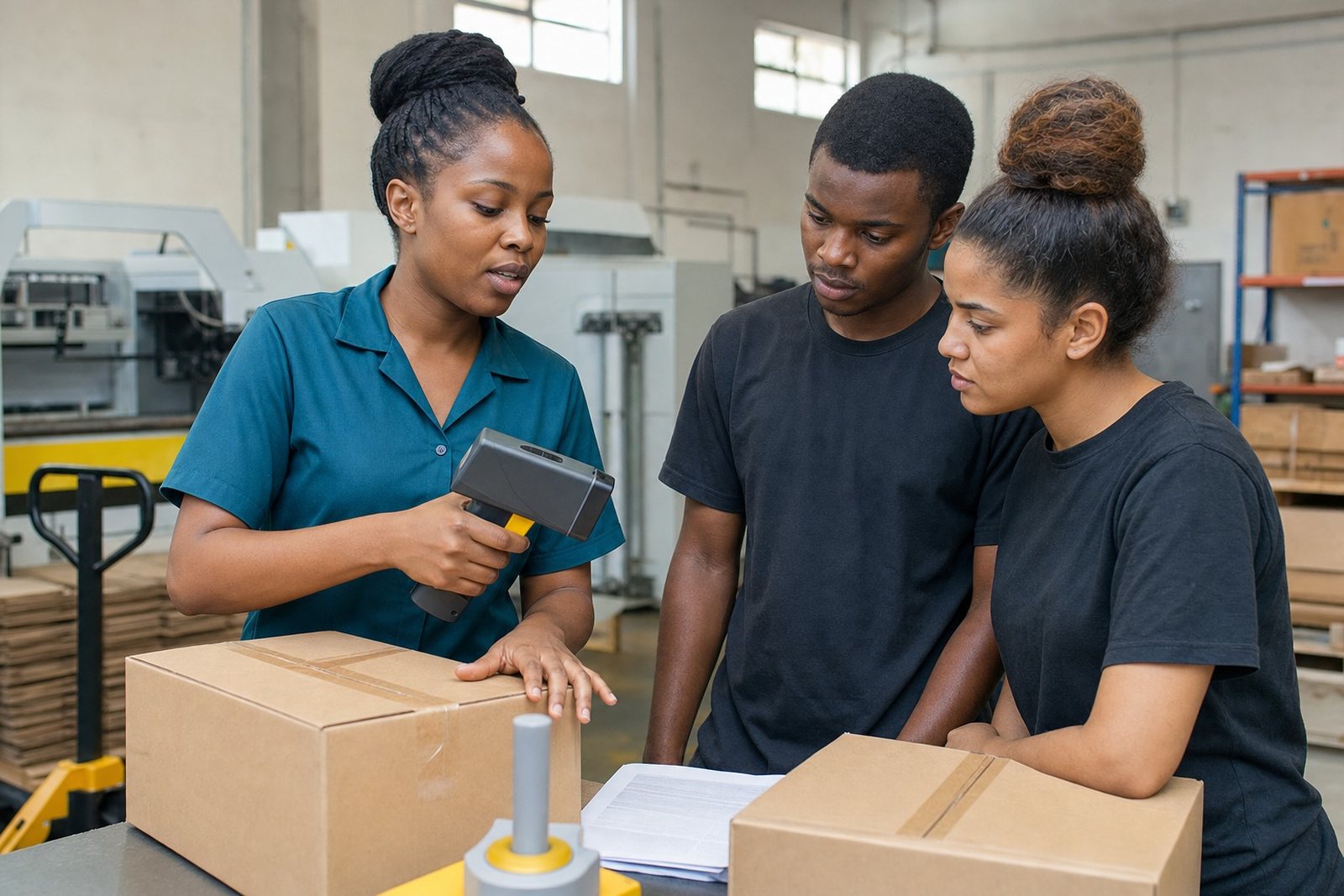
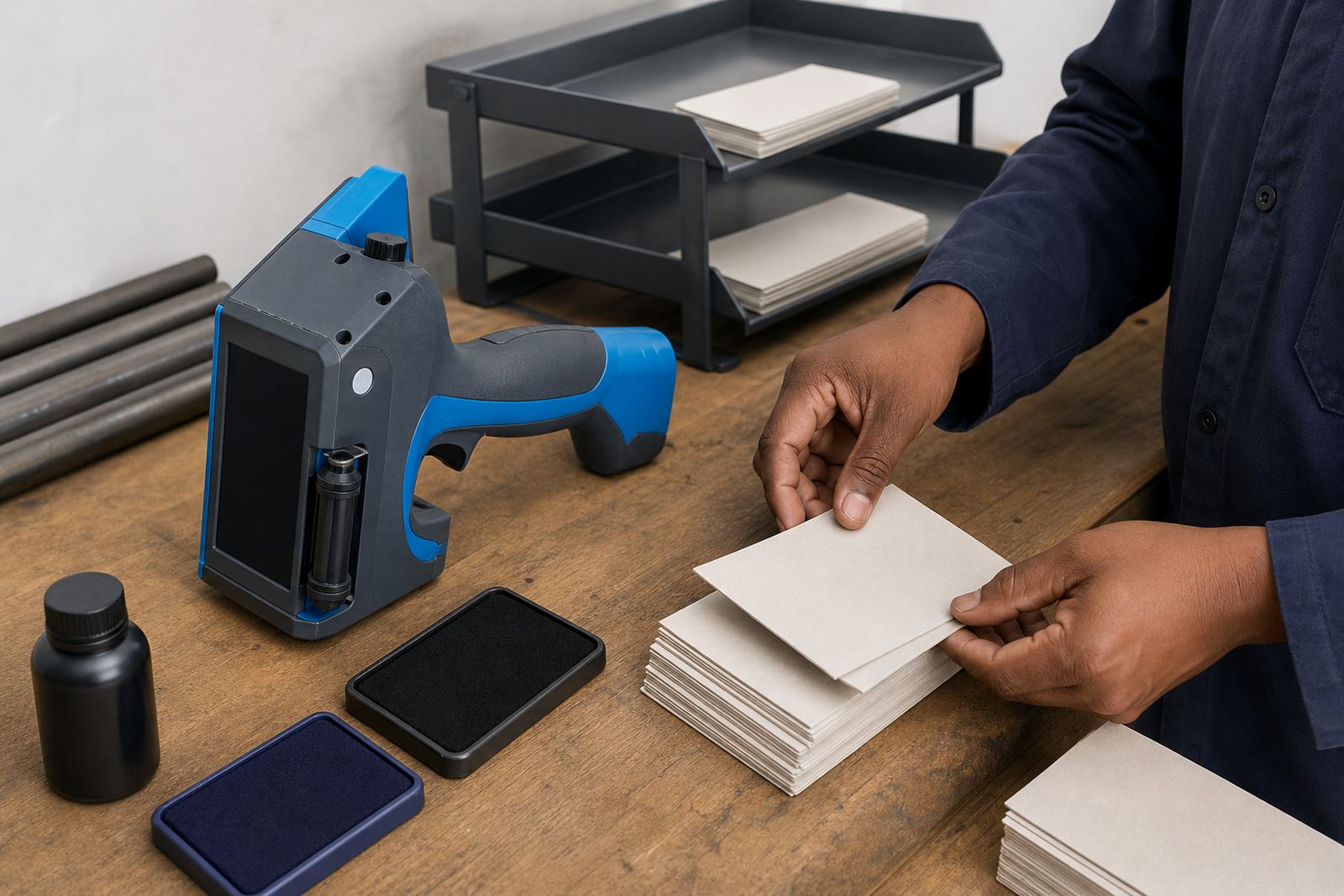
A packing room in Westmead may want a date, batch and short logo on recycled cartons for a week of outbound stock. The operator loads a simple message, tests it on three boxes and checks that the print holds after stacking. If the cartons are slightly dusty, the team may switch ink choice or adjust the print height before the full run starts.
That same setup might look different in a timber store near Pinetown. The boards may be rougher, the print area wider and the moisture level higher. In that case, a larger code with fewer characters often gives the clearest result. The aim is plain enough: mark the product so stock can be traced without slowing the move through the yard.
For more complex jobs, barcode setup and logo setup can be added to the same handheld unit, although many traceability jobs only need short text and a clean date code. The best format is the one the store team can read at a glance and the warehouse can file without confusion.
7. Keeping the code short makes the trace stronger
Traceability works best when the code is easy to repeat, easy to read and easy to file. A short format reduces errors and makes test printing quicker. It also helps when the printer moves between cartons, pipes and timber, because the operator is not changing a long layout every few minutes. That small discipline usually saves more trouble than a bigger message ever would.
Handheld inkjet printers suit this kind of work because they are flexible and direct. The machine can be set up for dates, batch numbers, barcodes or small logos, and the ink choice can be matched to the surface. When the format stays lean, the result is usually cleaner on the pack and easier to follow in the warehouse.