Start with the surface, not the message
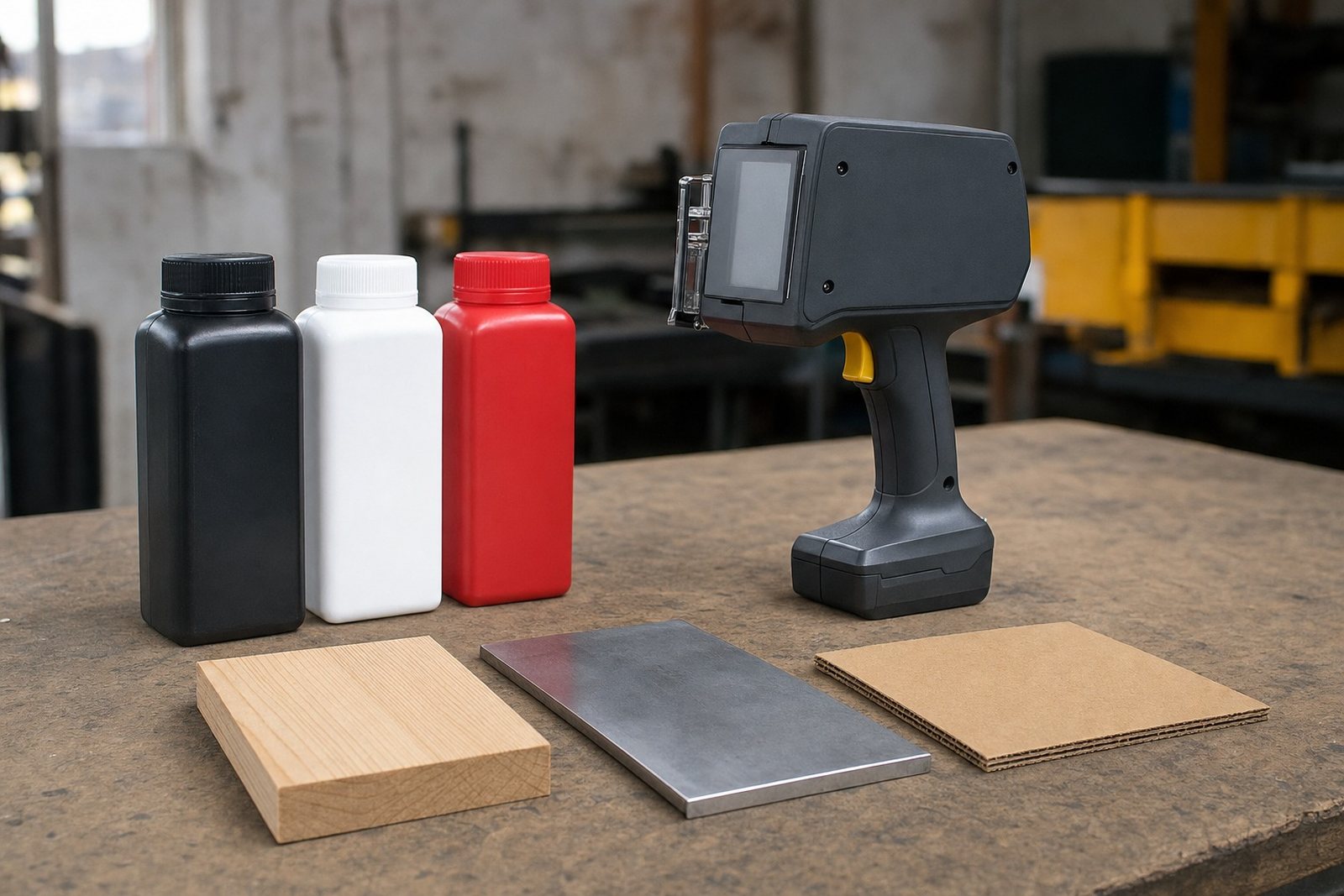
Handheld inkjet coders work best when the ink suits the material under the printhead. A code that sits neatly on a clean carton can smear on a damp pipe, and a mark that holds on timber may feather on a coated bag. Smooth plastic, bare steel, rough timber and porous board each ask for a different kind of ink film.
Before choosing the cartridge or bottle, look at three points. First, is the surface absorbent or non-absorbent. Second, will the item be handled soon after printing. Third, will the code sit indoors, outdoors or in a humid store room. Those details decide whether solvent, water-based or quick-dry ink is the safer fit.
- Absorbent cartons and timber usually need ink that grips into the fibres.
- Non-porous pipes and steel often need a fast-drying formula with stronger adhesion.
- Wrapped goods in coastal humidity may need quicker surface tack to limit smudging.
When solvent ink earns its place
Solvent ink is commonly used where the print has to bite into a harder surface and dry quickly. It suits many plastics, coated cartons, painted metal and some cable or pipe surfaces, provided the material accepts that chemistry. On factory floors in Durban or Richards Bay, it is often considered when the code must stay readable after handling, stacking or short exposure to moisture.
This ink type is usually selected for darker, denser markings and jobs where the surface gives the printer less time to settle. It can also help where small text, batch numbers or logos need cleaner edges on less porous stock. The trade-off is that the right solvent has to match the substrate, and a test print is worth doing before a hire starts in earnest.
- Good for faster handling after printing.
- Useful on mixed industrial surfaces.
- Often preferred where codes must resist light rubbing.
Water-based ink for cartons and timber
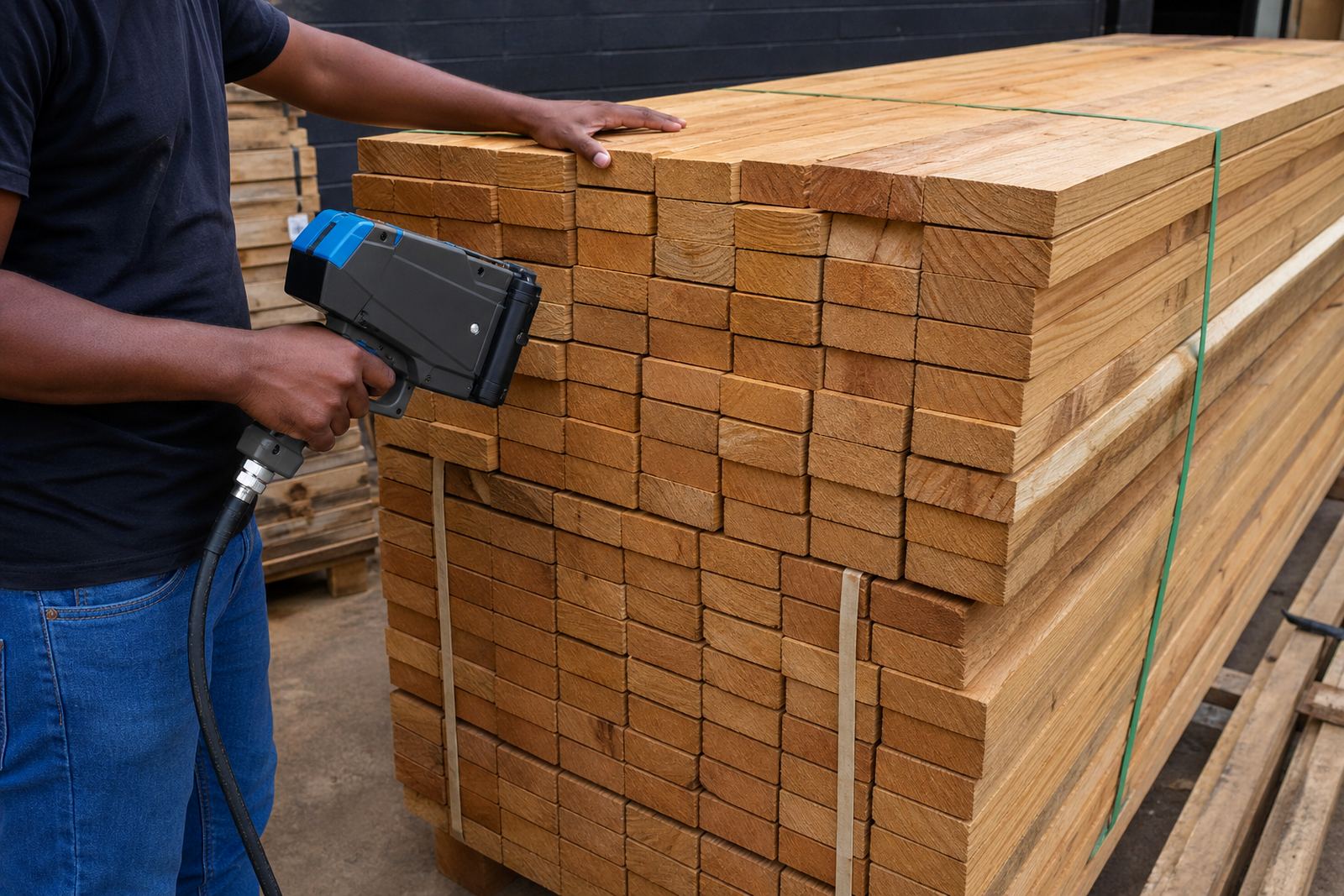
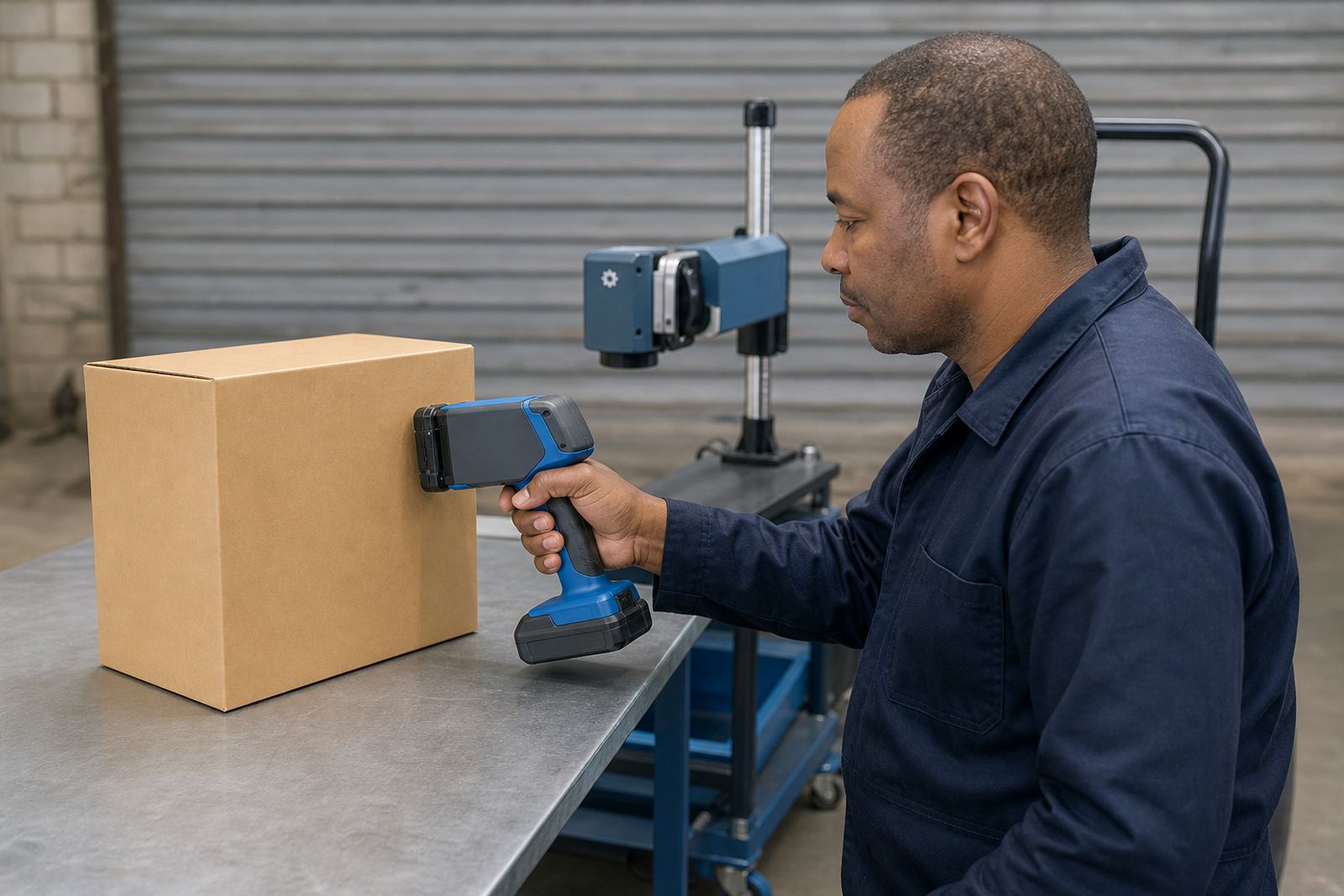
Water-based ink works well on porous materials that can soak up the mark. Corrugated cartons, paper sacks and untreated timber are common examples. The print settles into the fibres, which can give a clean look on packaging that moves through warehouses, loading bays and dispatch areas.
It is a practical choice when the surface is dry and the job is mainly indoors. If the carton has a glossy finish or the timber is sealed, the ink may sit on top instead of taking hold. That is where the test print matters, because a code that looks fine in the first pass can ghost or rub off once the pack is moved.
- Works well on raw cardboard and untreated wood.
- Often used for date coding and simple logos.
- Best on dry surfaces with a bit of absorbency.
Quick-dry ink for fast handling and humid sites
Quick-dry ink is chosen when the printed item has to move on soon after marking. It helps when cartons go straight to stacking, when pipes are bundled tight, or when coastal humidity in Durban slows ordinary drying. The aim is to cut down on smearing, picking up dust or transfer to the next item in the pile.
For handheld coding, quick-dry ink is especially handy on jobs with short pauses between prints. It is also useful for mixed batches where operators switch between cartons, timber and some coated surfaces in one shift. A controlled test on the actual product still matters, because drying speed is only useful if the code stays sharp enough to read.
- Useful for busy packing lines and mixed batch work.
- Helps reduce smudge marks on freshly coded stock.
- Often the better pick where air movement is limited.
Match the ink to the print height and code size
Handheld printers can mark small batch numbers, readable date lines and wider logos, but the ink has to support the chosen print height. Fine text needs crisp edges and enough contrast to stay legible after handling. Larger logos need even coverage so the fill does not break up on rough timber or uneven bags.
As a rule, smaller print heights are less forgiving on dusty or textured surfaces. Bigger marks can cover more area, yet they also show banding if the surface moves too much or the hand pressure changes. When a barcode is involved, the chosen ink should give a clean bar edge and enough contrast for scanning. A crooked or fuzzy code can waste a whole pallet of labels, cartons or cut timber.
- Small print heights need cleaner surfaces and steadier hand movement.
- Barcode jobs need sharp edges and consistent contrast.
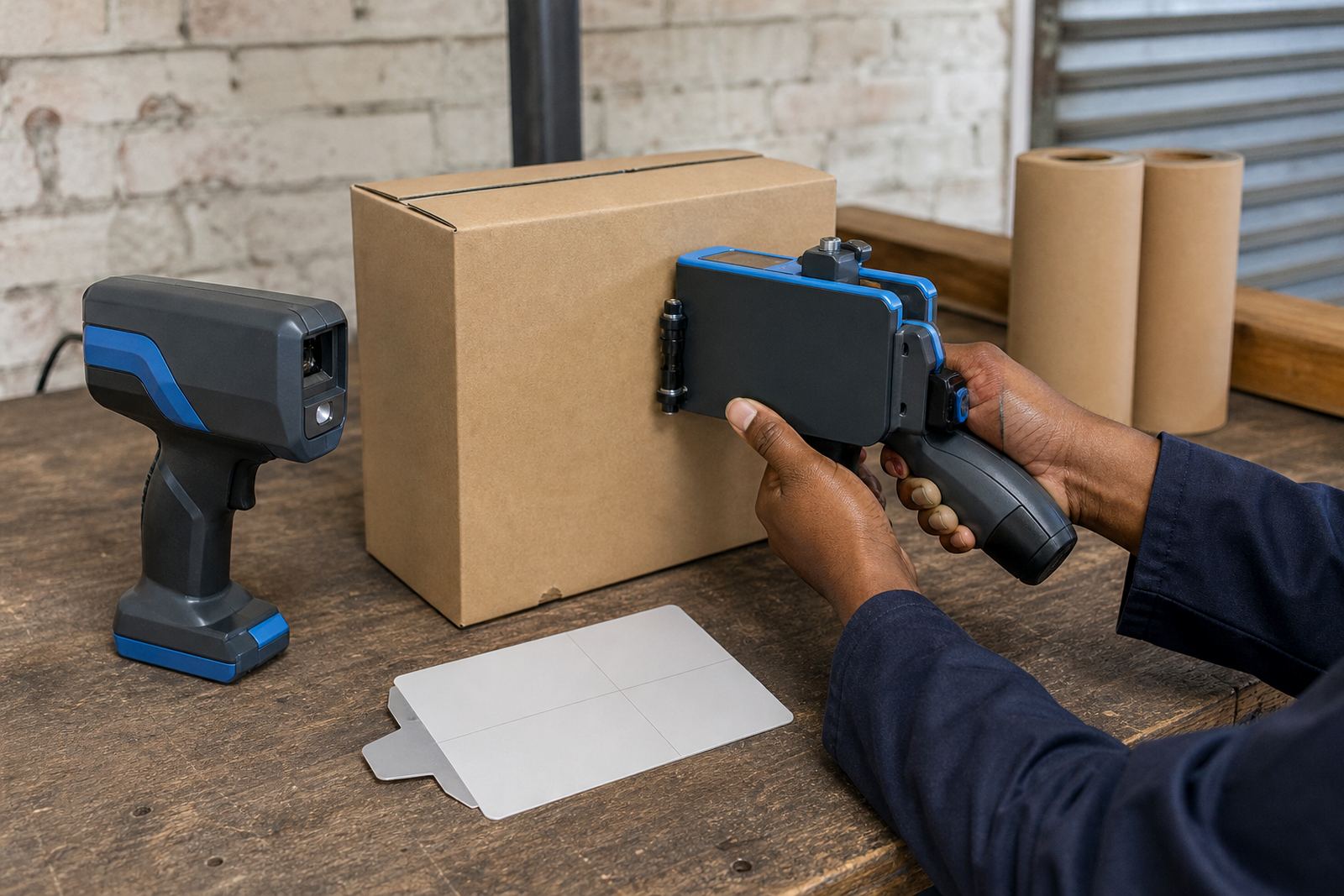
- Large logos should be tested on the actual material, not a sample sheet.
A practical check before hiring the unit
A short check saves trouble once the coder reaches site. Note the material, the colour of the surface, the print height, and whether the item will be packed or stacked soon after coding. Tell the hire team if the job needs solvent, water-based or quick-dry ink, and whether you need barcode setup, logo setup or message loading as part of the handover.
For jobs in Johannesburg, Cape Town, Pietermaritzburg or across KZN, the same basics still apply. Surfaces differ, but the print has to hold up under local handling, storage and transport. If the material is unusual, a test panel or a spare pack helps the setup technician dial in the settings without wasting stock.
- State the material: carton, bag, pipe, timber or steel.
- Give the required code type: date, batch, barcode or logo.
- Share the surface finish: raw, coated, painted or damp.
Keeping the ink in step with the hire term
Hiring for a week suits short runs, product trials and seasonal packing. Monthly hire makes more sense where a site codes every day and needs the same ink choice for longer stretches. Either way, the consumables should match the job from the start so the operator is not forced to change formula halfway through a batch.
Our Pinetown base supports handheld printer hire across South Africa, with delivery and collection, on-site setup, remote setup help, operator training, consumables supply and backup unit support where needed. Sibusiso Moagi leads the team, while Nokuthula Kotze, Jared Rademeyer, Anele Vermaak, Priya Pillay and Morne Oosthuizen each handle the parts of hire that keep a coding job moving without fuss.
- Week-long hire suits short production windows and project work.
- Monthly hire fits ongoing coding on steady lines.
- The right ink should travel with the right support and setup.