Match print height to the way people read the code
A small date code on a carton tucked into a shelf line needs less height than a bold batch mark on a pallet bag or pipe bundle. If the code is checked by hand at close range, a compact print can work well, but when it must be seen from across a store floor or along a conveyor, extra height helps the eye catch it faster.
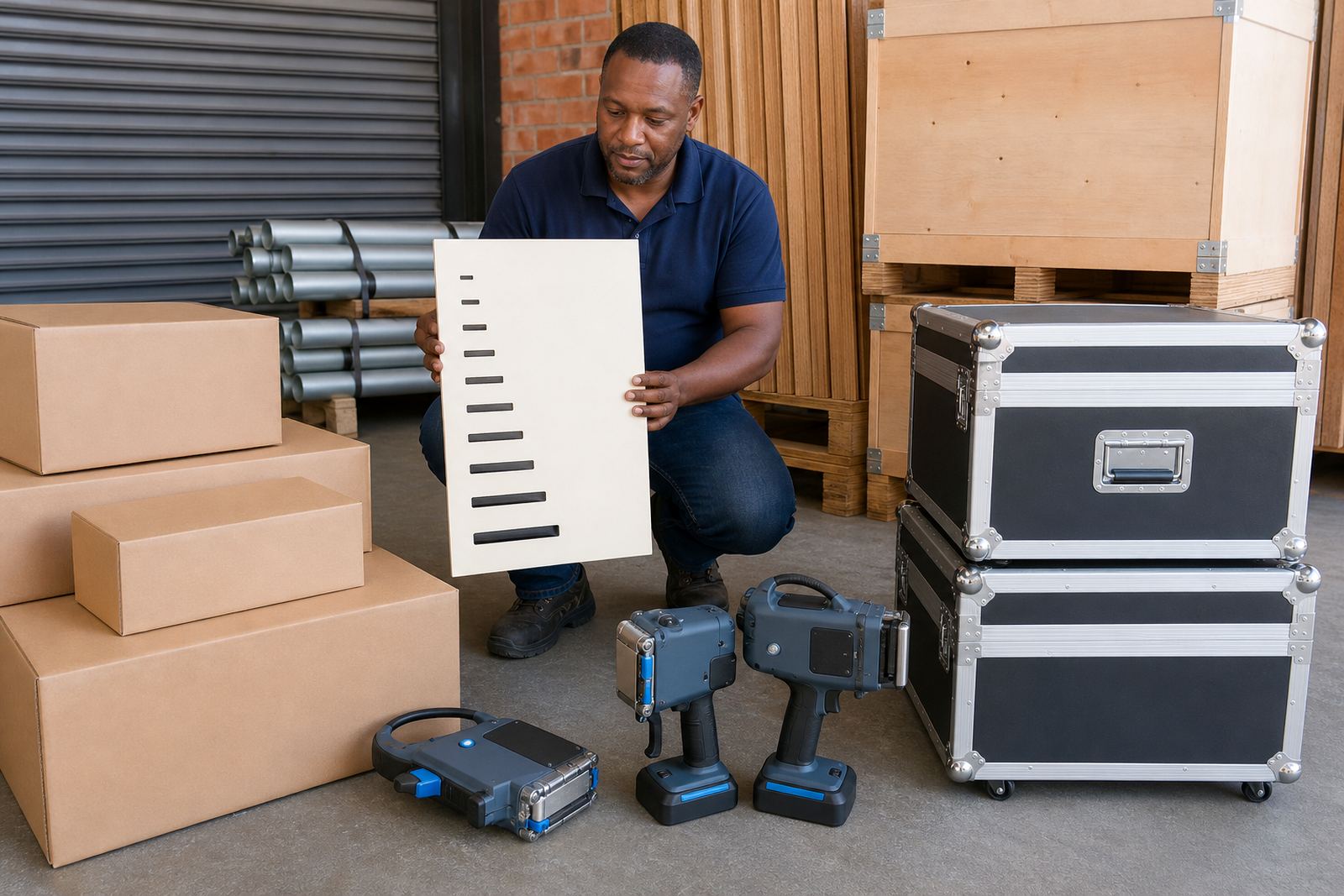
Think about who reads it first. A packer may only need a neat line of 2 mm to 4 mm high text, while a driver, warehouse checker or site crew member may benefit from 8 mm to 12 mm and sometimes more. Barcodes need enough bar height and clear spacing for the scanner to lock on, so the same print height rule does not fit every job.
Start with the pack size, then look at the blank space
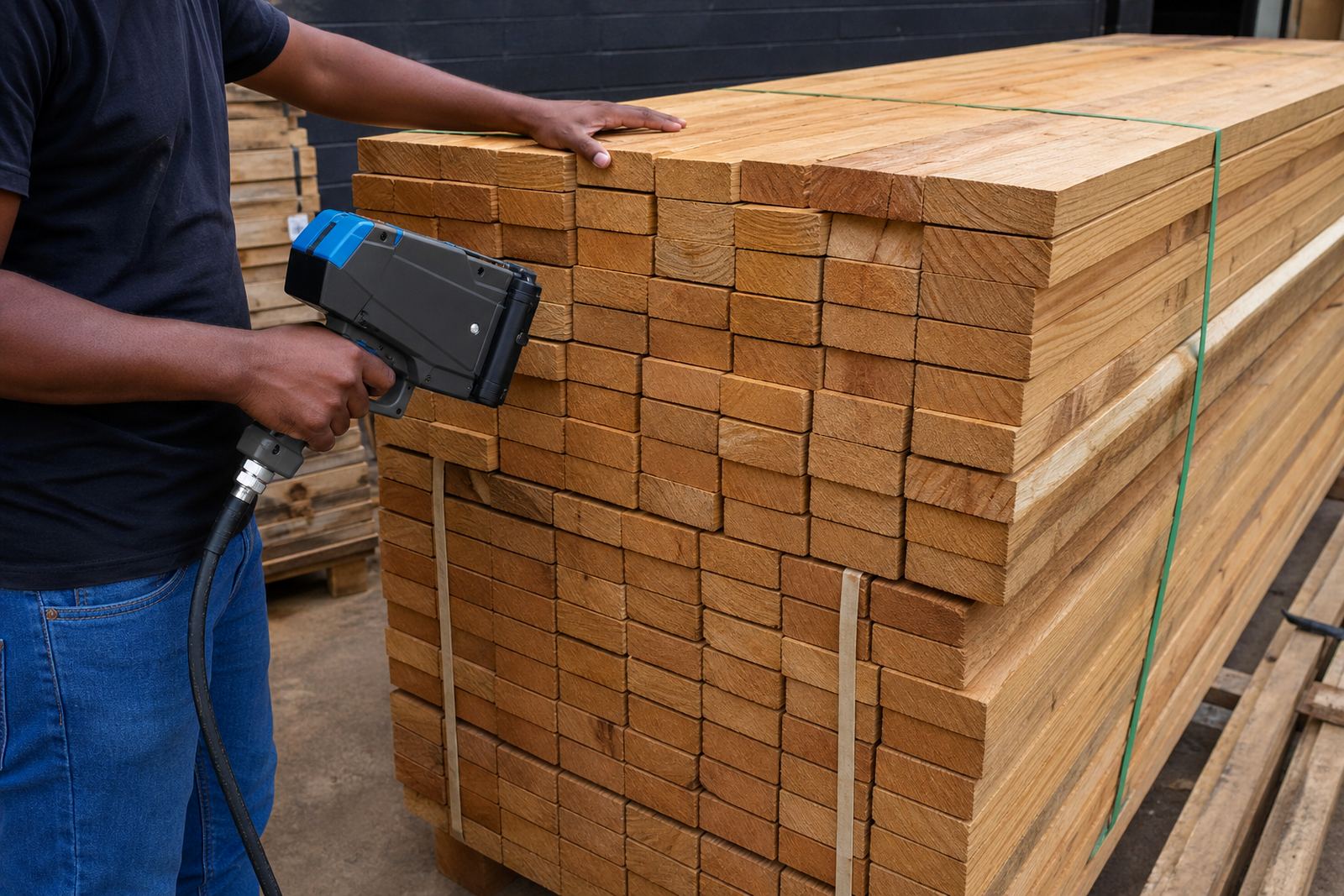
Large cartons and timber boards can carry a wider mark, but narrow edges, curved pipes and small bags often force a tighter layout. A print that is too tall for the available panel can wrap, blur or sit too close to a seam. That makes the code harder to read and may leave the batch number cramped against the edge.
- Measure the flat area where the mark will sit.
- Leave space for the full code, not just the text length.
- Allow room above and below the code so the letters stay clear.
- Check if the pack moves through handling, stacking or wrapping after printing.
On timber and steel, the surface may be long enough for larger text, but grain, weld marks and mild curvature can alter the look of a tall print. A cleaner result often comes from a height that suits the surface, not the biggest setting available.
Know what each surface asks for
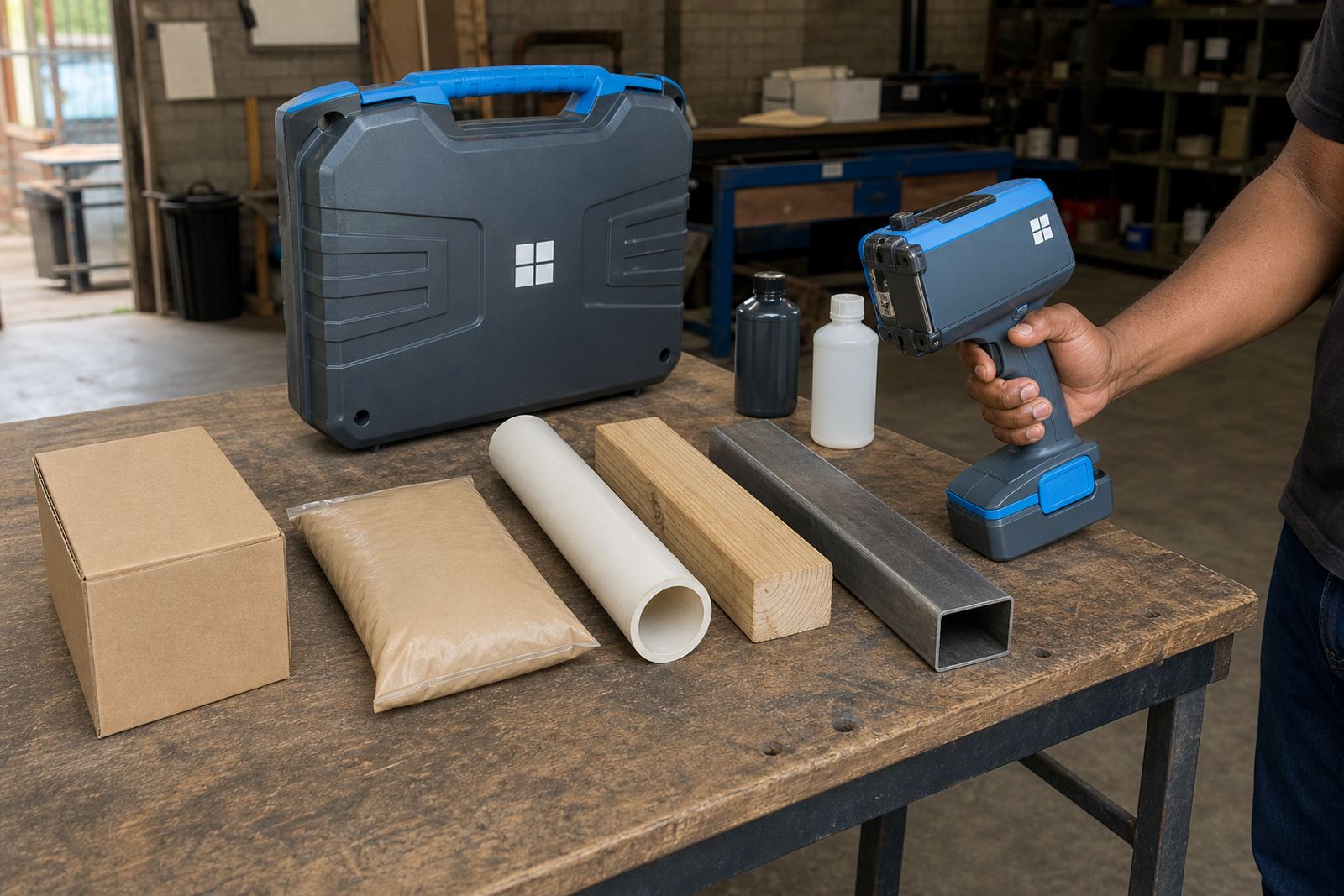
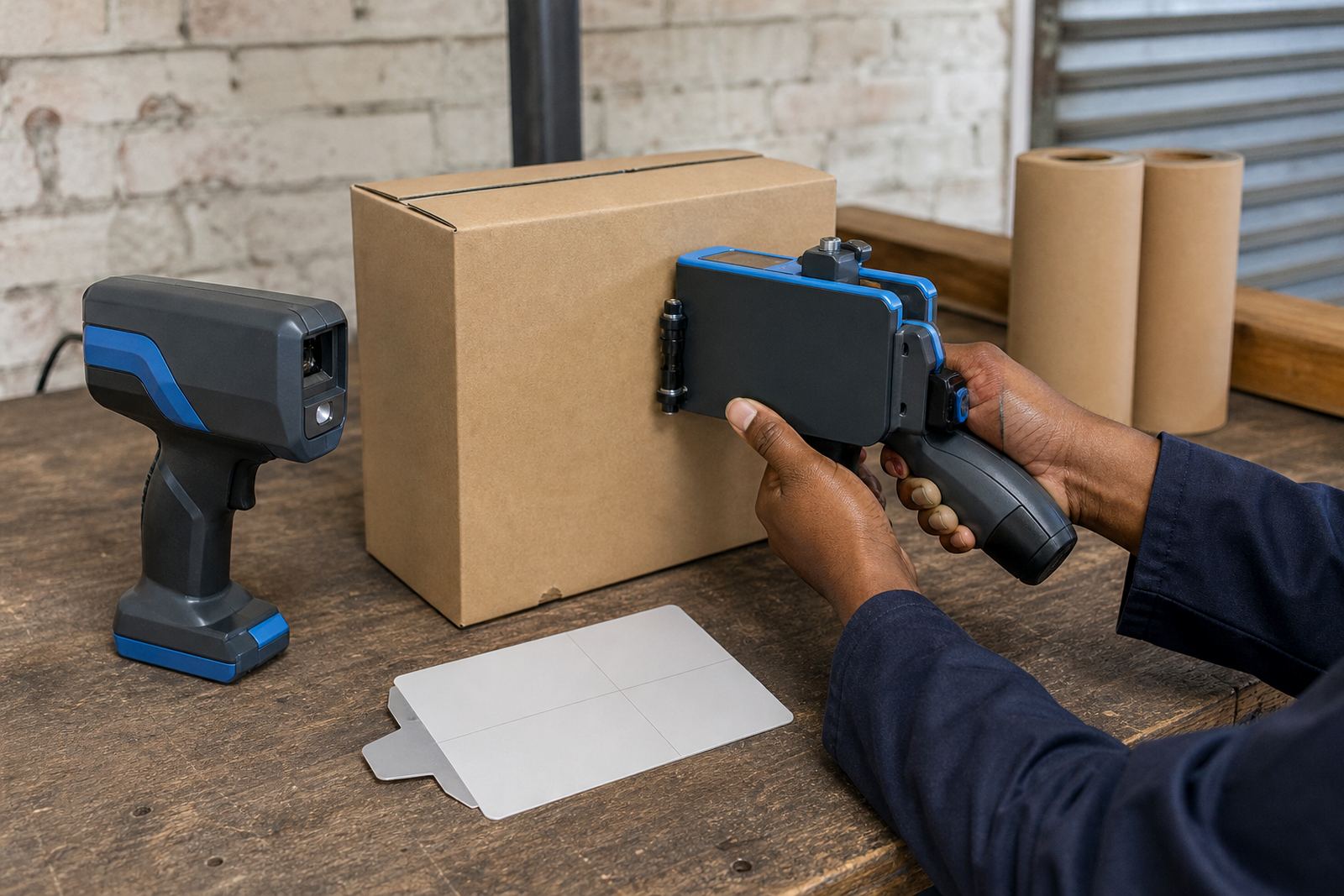
Cartons usually give the easiest reading surface, especially when the board is dry and the print sits on a light background. Bags can be trickier because woven texture pulls ink into the fibres and soft film can shift under the hand. Pipes and steel need a steady pass and the right ink choice, otherwise tall letters may look broken at the edges.
Quick-dry ink helps where the print must stay sharp on less absorbent surfaces. Water-based ink suits absorbent materials such as untreated timber or cardboard. Solvent-based ink is often used where faster drying and better grip are needed on harder or less porous material. The height setting still matters, because the best ink will not rescue a mark that is too crowded or too fine for the job.
A practical height range for common coding work
Print height does not have one setting for every hire, but a few practical ranges can narrow your choice. Smaller characters are useful for short dates, simple batch numbers and internal shift marks. Larger characters are better where a logo or barcode must stand out or where the code is checked from a little further away.
- 2 mm to 4 mm: compact date codes, short batch marks and small carton panels.
- 5 mm to 8 mm: general pack coding, pipe marking and mixed text lines.
- 9 mm to 12 mm: clearer marks for larger cartons, timber and site-visible coding.
- Above 12 mm: used carefully, usually for large branding or distance reading.
If a logo sits with text, keep the logo height in balance with the message line. An oversized logo can crowd the date or batch code, while a tiny logo may disappear on dusty timber or dark pipe coating. The mark should look even, not squeezed into one corner.
Use the reading distance as your guide
The right height depends on how far the eye or scanner sits from the pack. Close inspection at the packing table usually needs less height than a stockroom check where the code is seen from standing height or across stacked cartons. If the item is handled by more than one team before dispatch, the safer route is usually to test a slightly larger setting first.
For barcode work, the bars need enough height to scan cleanly but also enough quiet space around them. If the barcode is too short, a scanner may struggle once the pack is angled, wrapped or marked on a rough patch. Keep the print area clean, because a tall code on a dirty surface is still a poor code.
Test prints before the hire settles in
A test print shows how the chosen height behaves on the real pack, not on a smooth sample sheet. This is important when the job involves mixed pack sizes, curved pipes or timber with grain variation. Setting the height correctly on the first carton saves reprinting a whole pallet.
- Print on the actual material type.
- Check the code at the real reading distance.
- Look for feathering, weak edges or broken barcode lines.
- Check whether the message fits after wrapping, stacking or handling.
When a print looks too heavy, drop the height or widen the spacing between lines. When it looks too small, lift the setting a little and check the coverage again. Good setup is usually a matter of balance, not a single number.
Weekly or monthly rental for jobs that keep moving
Handheld printer hire works well when coding changes by product line, site or season. Weekly hire suits a short run or a trial batch. Monthly hire is useful where the same unit stays on the floor, the line changes often, or the team needs steady access to consumables and setup help.
From Pinetown, Durban, handheld inkjet coders are hired out across Durban, Pietermaritzburg, Johannesburg, Cape Town and Richards Bay, with delivery and collection, on-site setup, remote setup help, operator training, ink selection help, message loading, barcode setup, logo setup, test printing, consumables supply, troubleshooting support and backup unit support. If the code size needs a second look, the enquiry form on our contact page can be used to send the pack type, surface and preferred reading distance.