Start with the job, not the calendar
A short run on cartons may only need a weekly hire, especially when you are marking dates, batch numbers or a logo for one production cycle. A longer run on timber packs, pipe bundles or bagged goods can make monthly hire easier to manage because the unit stays on site and keeps the same settings through the job.
Think about the surface first. Smooth cartons take different ink and spacing from rough timber, coated bags or steel pipe. If the material changes often, a little extra hire time gives room for test prints, message changes and operator handover without rushing the job.
- A one-week rental suits short production runs, urgent dispatches and trial work.
- Monthly hire suits repeat coding on the same products or sites.
- Mixed surfaces need time for ink checks, height settings and print tests.
- Longer jobs often benefit from spare consumables on hand.
Where weekly hire makes practical sense
Weekly rental is useful when the coding task is tied to a specific order, shutdown, relabel job or seasonal peak. It also works well when you need a handheld coder for a short project across Durban, Pinetown, Pietermaritzburg or Richards Bay and do not want to keep equipment after the last pallet leaves.
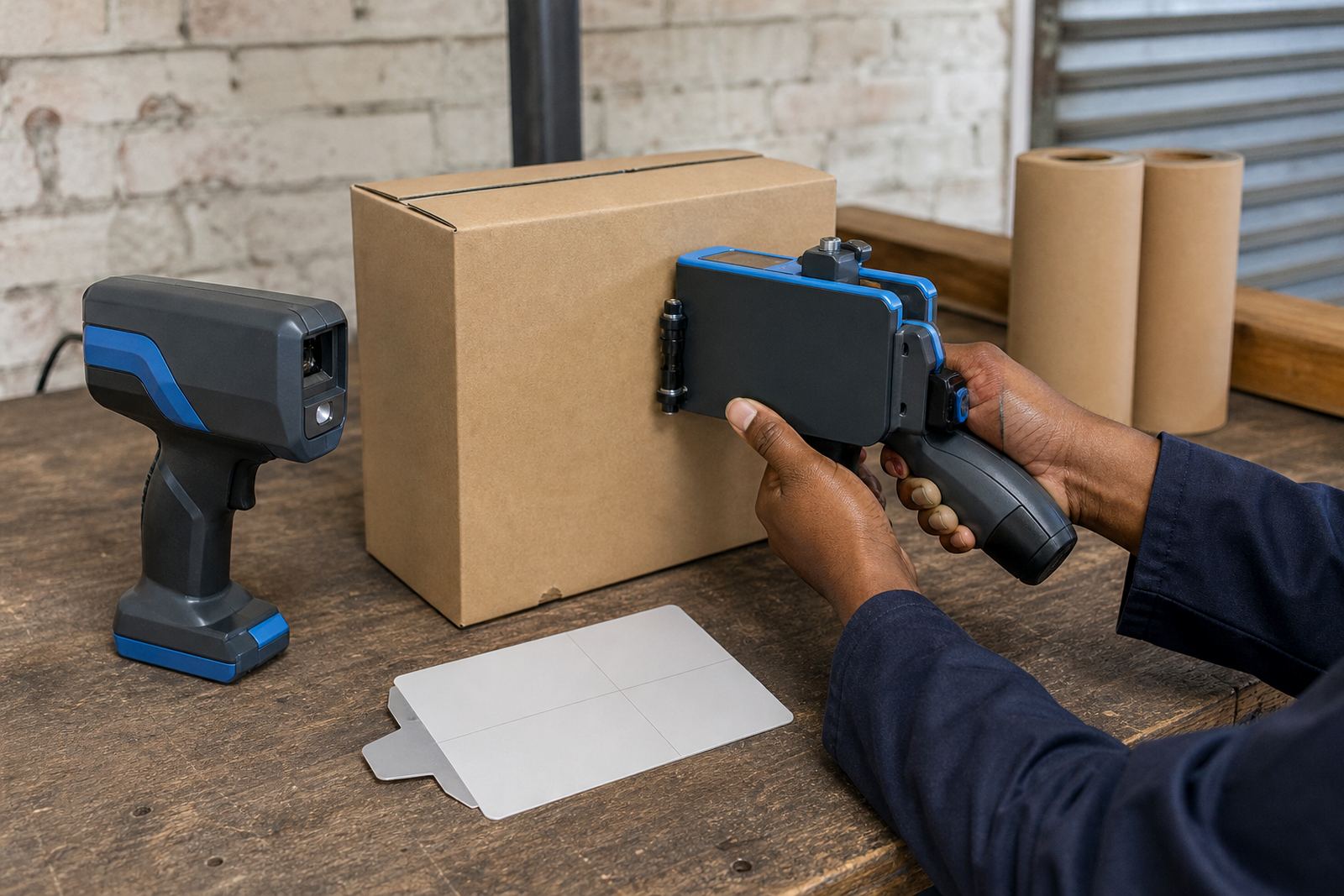
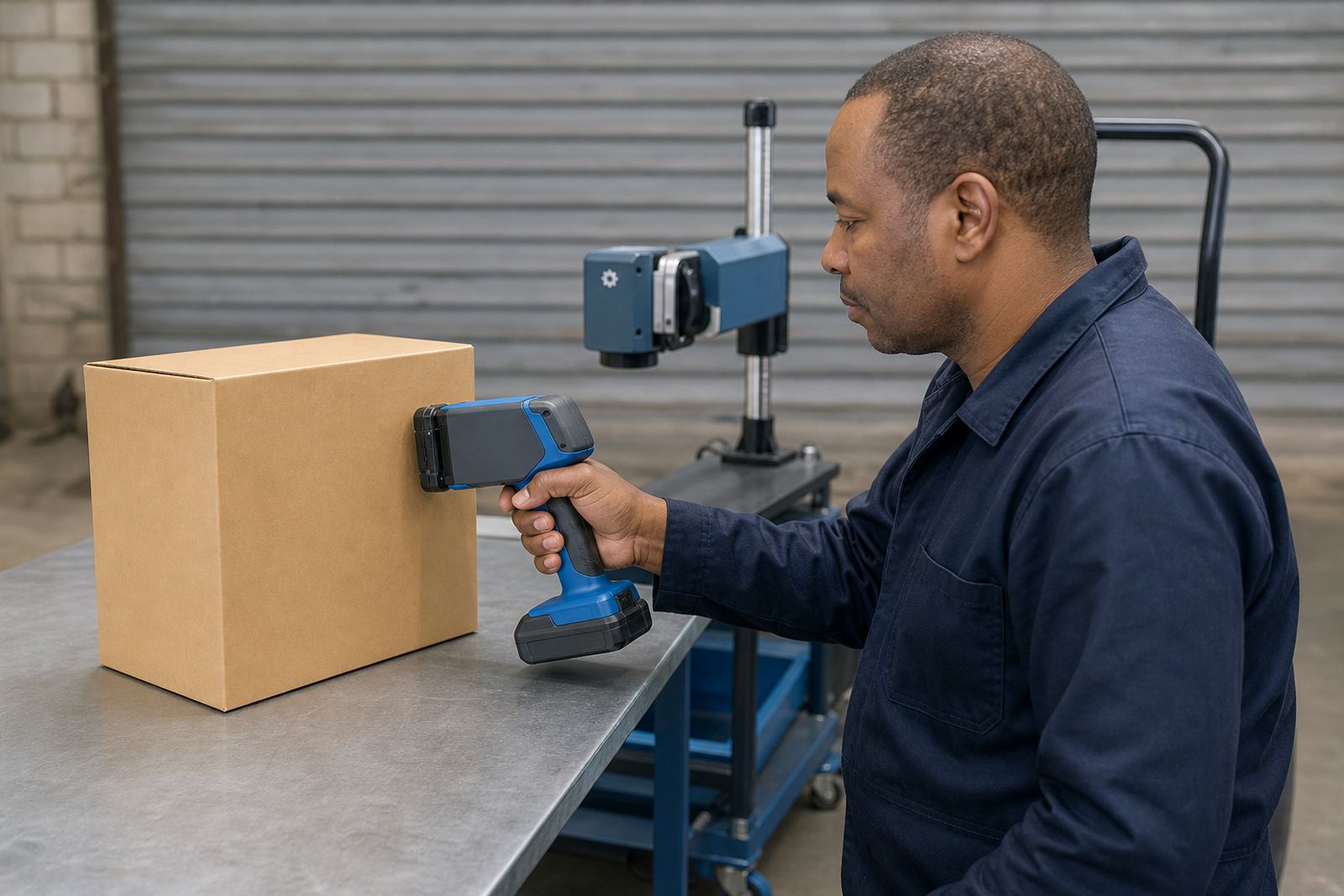
Shorter hire terms also suit teams that want a clean handover. A technician can set the print head height, load the message, test the barcode or logo and show operators the handling routine before the unit goes out on the floor. That helps with cartons moving at speed and pipes or timber that are not always positioned the same way.
- Short project, short hire.
- One line of text or one barcode format.
- Temporary marking on packed goods or raw material.
- Testing a handheld coder before a longer commitment.
When monthly hire is the steadier option
Monthly hire usually fits plants and yards that code every week, or every shift, and want the same printer available without rearranging the plan each Friday. It can work better for businesses that print dates, batch codes and logos on cartons, pipes, timber or bags as part of normal dispatch, receiving or fabrication work.
A monthly term gives more breathing room for message changes, ink choice and operator practice. If the work moves between stores, packing tables and outdoor loading areas, the extra time helps when conditions shift from dry indoor packing to coastal humidity or dusty yard handling. That is where a stable unit, proper setup and a spare cartridge or bottle can save disruption.
- Better for regular coding and repeat dispatch work.
- Useful when the same printer stays with one team.
- Allows more time for barcode layout checks.
- Can suit sites that need backup unit support on hand.
Ink, print height and surface matter more than the term
The rental period only makes sense once the print job is defined properly. Solvent inks suit many non-porous surfaces and dry fast on suitable materials. Water-based inks can work on absorbent cartons or timber where the surface pulls the ink in. Quick-dry inks help where handling is fast and the printed item moves straight into stacking or dispatch.
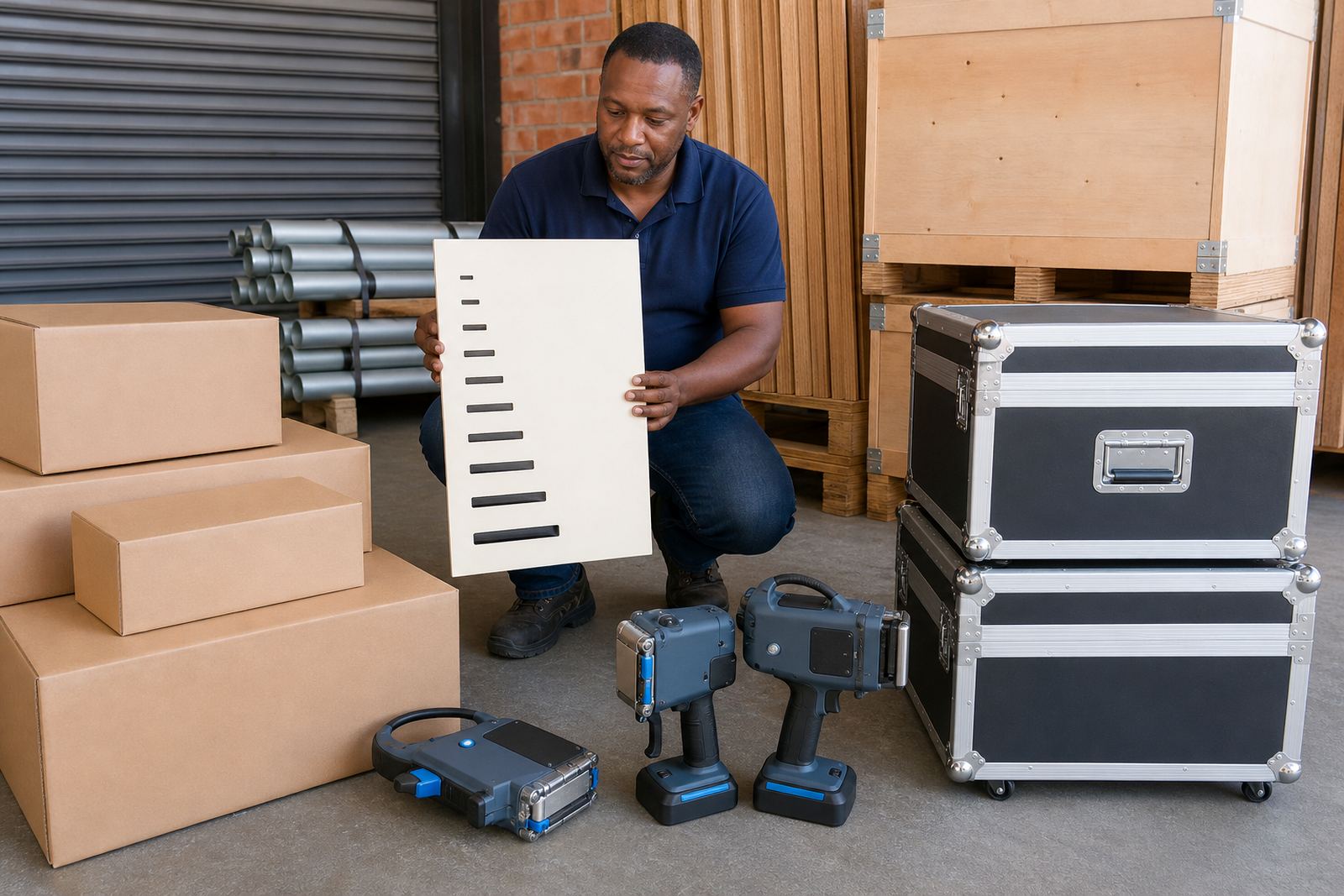
Print height also matters. Small text may be enough for batch codes on cartons, while larger characters can help on timber, pipes or bag panels that sit farther from the eye. A handheld inkjet coder can often handle different heights and message layouts, but the final result depends on the surface texture, operator movement and the spacing of the code. A test print is always worth doing before the job runs at full pace.
What the hire package normally needs to cover
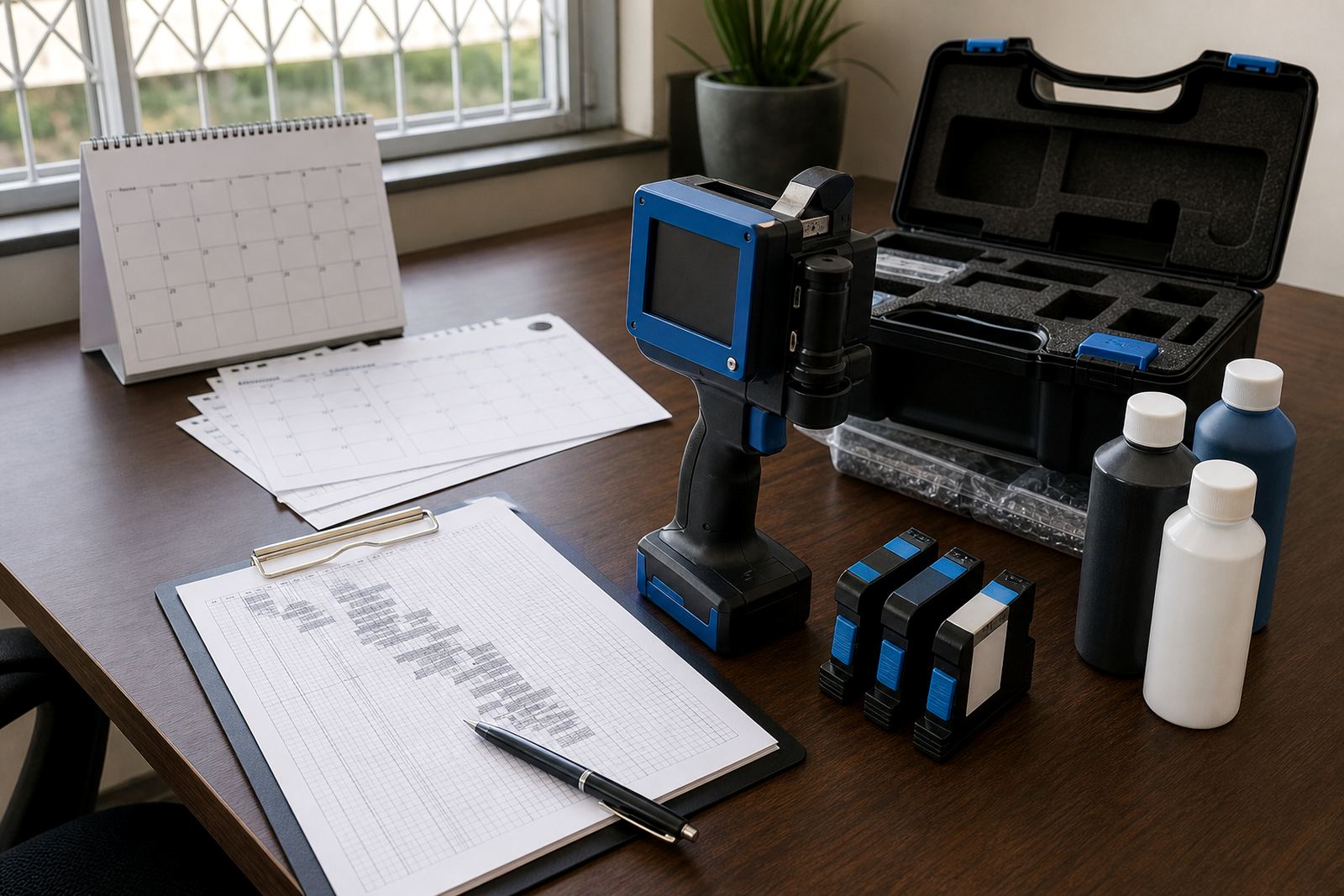
Before a weekly or monthly term is confirmed, the hire package should match the worksite and the print plan. That usually includes the printer, the correct ink, setup help, test printing and a clear message file for dates, batch numbers, barcodes or logos. Where the job is spread across more than one area, delivery and collection can be arranged to suit the site layout.
For some users the key extra is training. If more than one operator will handle the printer, it helps to show them loading, cleaning, height adjustment and message checks. A spare unit can also make sense when the line cannot wait for a callout or a minor fault correction.
- Delivery and collection for local and national hire.
- On-site setup or remote setup help.
- Operator training for first use and handover.
- Message loading, barcode setup and logo setup.
- Consumables supply and troubleshooting support.
A practical way to compare weekly and monthly hire
Start by writing down how many days the printer will be active, how many items need marking and who will operate it. Then note the surface type, whether the codes are text, barcodes or logos, and whether the work is indoors, outdoors or across different sites. That gives a clearer picture than guessing from the calendar alone.
If the work is brief and tightly scoped, weekly hire often keeps the cost and the handover simple. If the printer will stay in use across several production cycles, monthly hire usually gives better continuity and less rearranging. For businesses in Johannesburg, Cape Town or Durban moving stock through mixed conditions, that continuity can make the print room or packing floor easier to manage.
- Count the active days, not just the project length.
- Match the ink to the material, not just the label.
- Check whether one operator or several will use it.
- Plan for spare consumables if the job runs hard.