Consumables matched to the job, not just the machine
During the hire period, the consumables package is set around the print job rather than a one-size fit. That includes the ink type, cartridge format, cleaning fluid and any spare items needed to keep dates, batch codes, logos and barcodes clear on the line or in the yard.
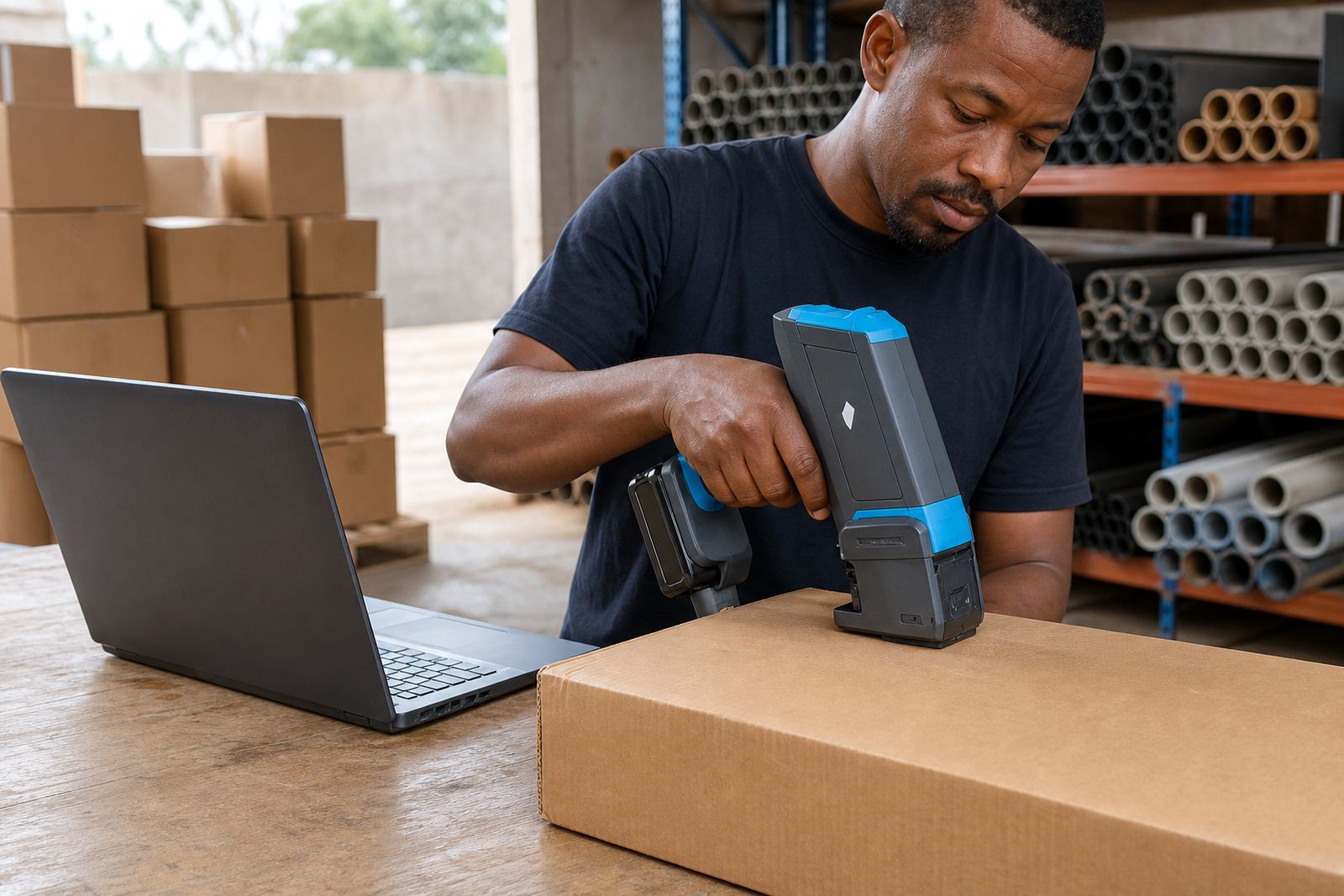
Handheld inkjet printers are often used on cardboard cartons, woven bags, timber lengths, galvanised steel, painted steel and plastic pipe. Each surface takes ink differently, so solvent inks, water-based inks and quick-dry inks are supplied with the substrate in mind. On glossy or non-porous material, quick-dry options help reduce smudging. On absorbent cartons and timber, the ink needs to bite cleanly without feathering.
- Solvent ink for faster drying on less absorbent surfaces
- Water-based ink for carton and fibreboard marking
- Quick-dry ink for handling-heavy work areas
- Cleaning fluid for nozzle and head care
- Spare cartridges where the hire setup uses cartridge-based supply
What is included with consumables supply
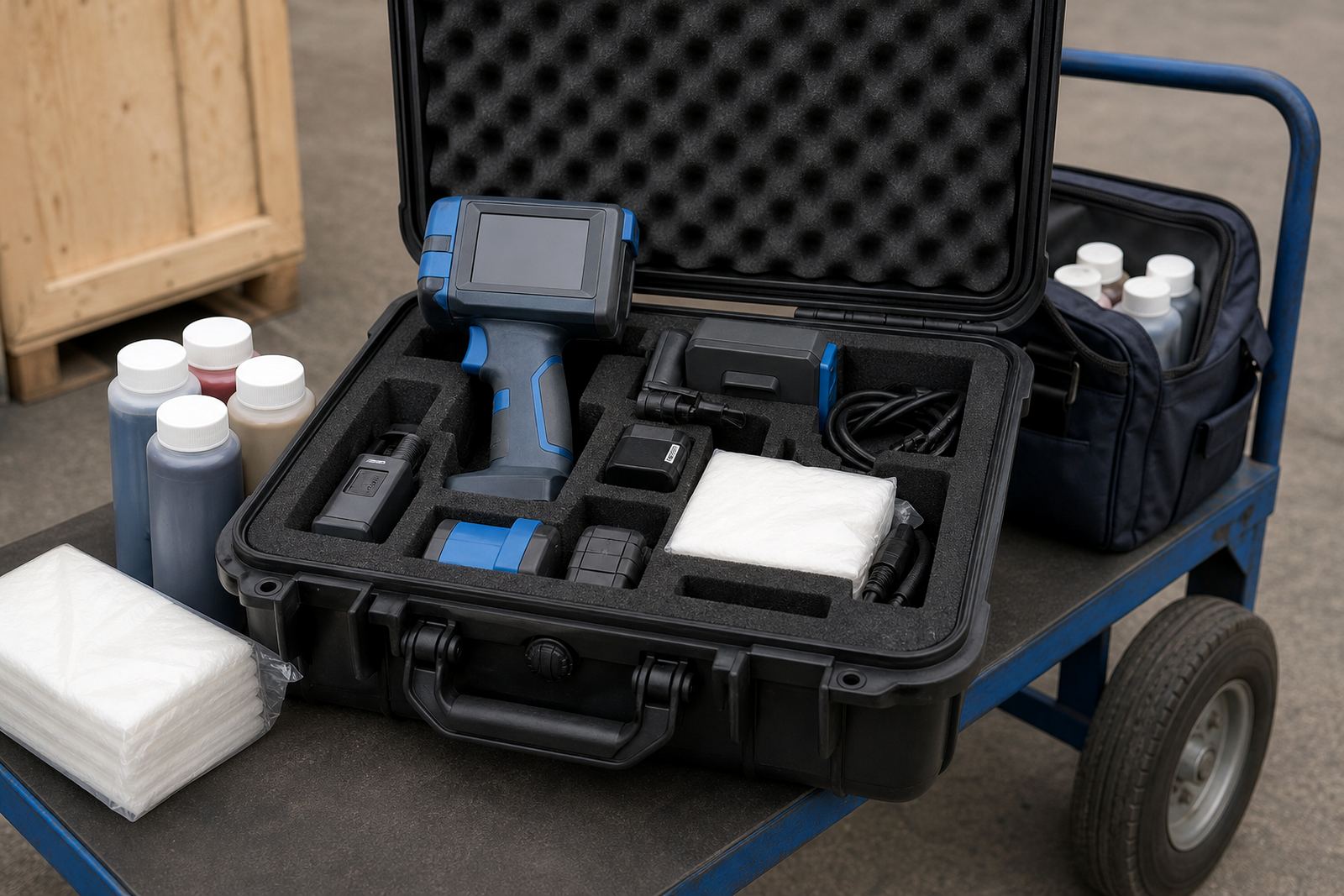
The supply pack can include ink cartridges, flush fluid, nozzle cleaning items, caps, swabs and other consumables used during the hire period. Where the job calls for repeated date coding, batch numbering or logo marking, extra ink is set aside so the operator is not left short mid-run.
Print height matters because it shapes the volume of ink used. A 2 mm date line uses less than a 12.7 mm code or logo block, and barcode work often needs fine ink control for clean bars and quiet scanning. That is why the consumable mix is linked to the exact message and the surface finish, not only to the number of days on hire.
- Ink for alphanumeric coding, logos and barcodes
- Cleaning items for end-of-shift wipe downs
- Cartridge supply for machines that use replaceable units
- Support with message loading where the ink choice affects legibility
- Back-up consumables for busy packing or dispatch periods
How the supply process is handled
The process starts with the surface, the print height and the format of the mark. A carton line in Durban may need one ink choice, while a pipe yard in Richards Bay or timber work in Pietermaritzburg may need another. The aim is to keep the print sharp on the actual material being marked, not on a sample that looks nothing like the job.
Once the setup is known, the right consumables are issued with the hire unit or supplied during the hire period. If the job changes from batch codes to logo marking, or if a barcode must be added to the same line, the consumables mix can be adjusted. That is useful on mixed packing floors where the same handheld printer is used across different product groups.
- Check the substrate and surface finish
- Match the ink to drying behaviour and adhesion
- Set aside cleaning items for the hired unit
- Load the message and confirm print quality
- Adjust the supply if the job format changes
Turnaround, hire terms and stock planning
Consumables can be arranged for weekly or monthly hire terms, depending on how long the machine is on site and how much marking is taking place. A short warehouse run in New Germany may only need a small set of ink and cleaning items, while a longer production period in Johannesburg or Cape Town may call for a fuller supply pack.
The pricing approach is linked to ink type, cartridge format, message complexity and the amount of consumable use expected during the hire. Water-based inks are often suited to fibre-based packaging, while solvent and quick-dry inks are used where the surface or handling conditions call for faster set. No two jobs use the same volume, so the supply is set around the work in hand rather than a flat assumption.
- Week-long hire suits short production runs and seasonal jobs
- Monthly hire suits regular marking across one site or several lines
- Consumables are set by ink type and expected usage
- Surface type affects how much ink is needed
- Logo and barcode work can use more ink than plain date coding
Aftercare on the consumables side
After the printer is in use, support stays practical. If the code starts to feather, the barcode loses edge, or the ink is not bonding the way it should, the consumables choice is checked first. Sometimes the issue is a drying match, sometimes the surface is dusty or oily, and sometimes the cleaning routine needs to be tightened up.
The aftercare part includes guidance on storage, nozzle cleaning and keeping spare consumables on hand for busy shifts. On humid coastal work in Durban or Richards Bay, ink handling matters more than many teams expect, because moisture can affect dry time and print clarity. A proper consumables setup helps the machine keep printing clean marks through the hire period.
Common surfaces and print specs
Consumables supply is usually shaped by the job specs below. These are the details that affect ink choice more than the branding on the machine, and they matter on real industrial work where the substrate changes from one line to the next.
- Print height: typically 2 mm to 12.7 mm depending on the message
- Ink types: solvent, water-based and quick-dry formulations
- Surfaces: cartons, bags, timber, pipe, painted steel and some plastics
- Marks: dates, batch numbers, barcodes, logos and shift codes
- Consumables: cartridges, cleaning fluid, swabs and nozzle care items
- Hire terms: weekly and monthly supply planning during the rental period
For mixed jobs, it is often better to keep more than one ink option ready. That avoids forcing one product to do every task, which usually leads to poor adhesion or weak contrast. A clean, legible mark is easier to get when the consumables match the actual surface and the way the pack is handled.
Key facts
| Ink types | Solvent, water-based and quick-dry |
|---|---|
| Print height | About 2 mm to 12.7 mm |
| Common surfaces | Cartons, bags, timber, pipes and steel |
| Mark types | Dates, batch numbers, logos and barcodes |
| Hire terms | Weekly and monthly |
| Coverage | Pinetown, Durban, Pietermaritzburg, Johannesburg, Cape Town and Richards Bay |