
A mixed-packaging brief from Midrand
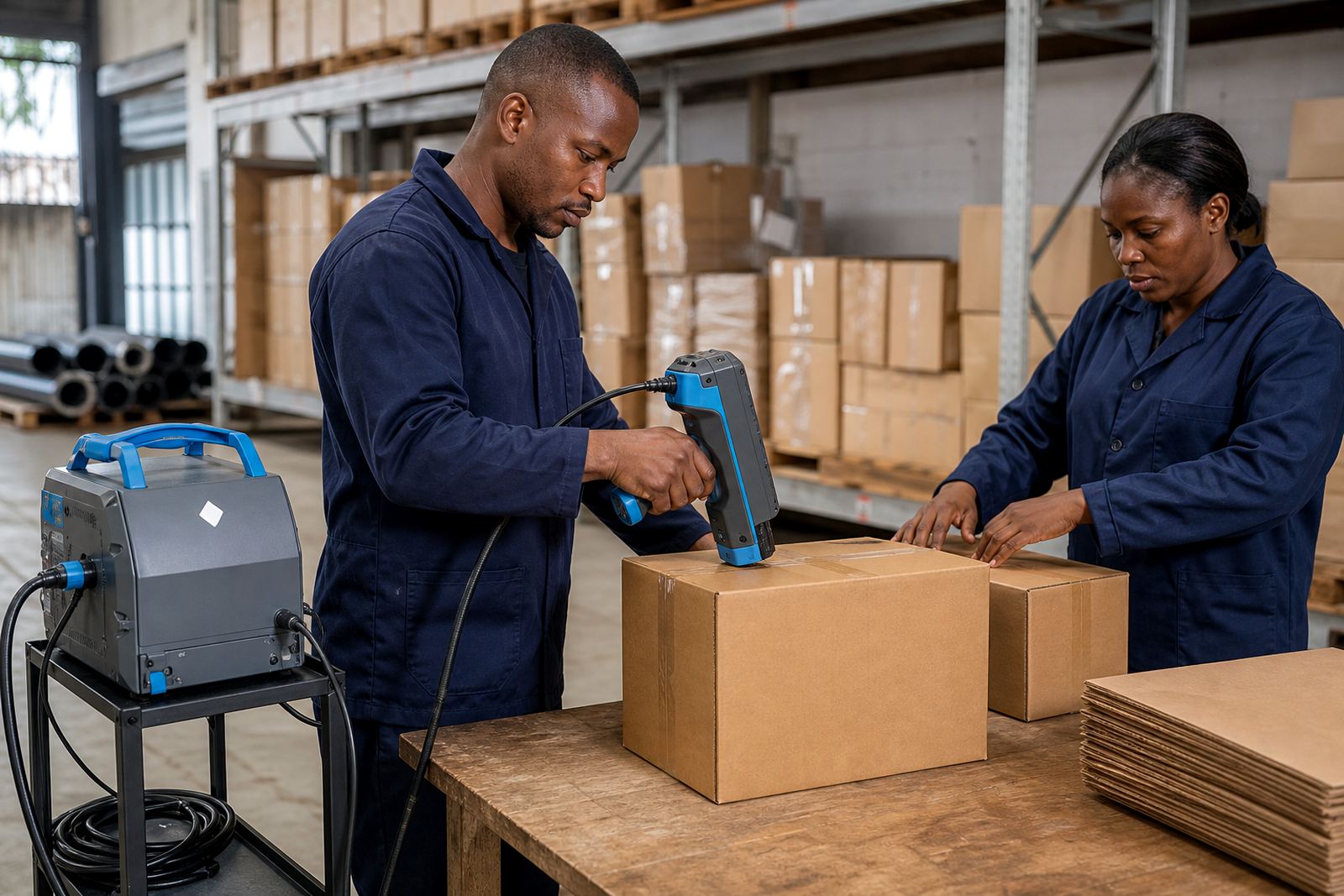
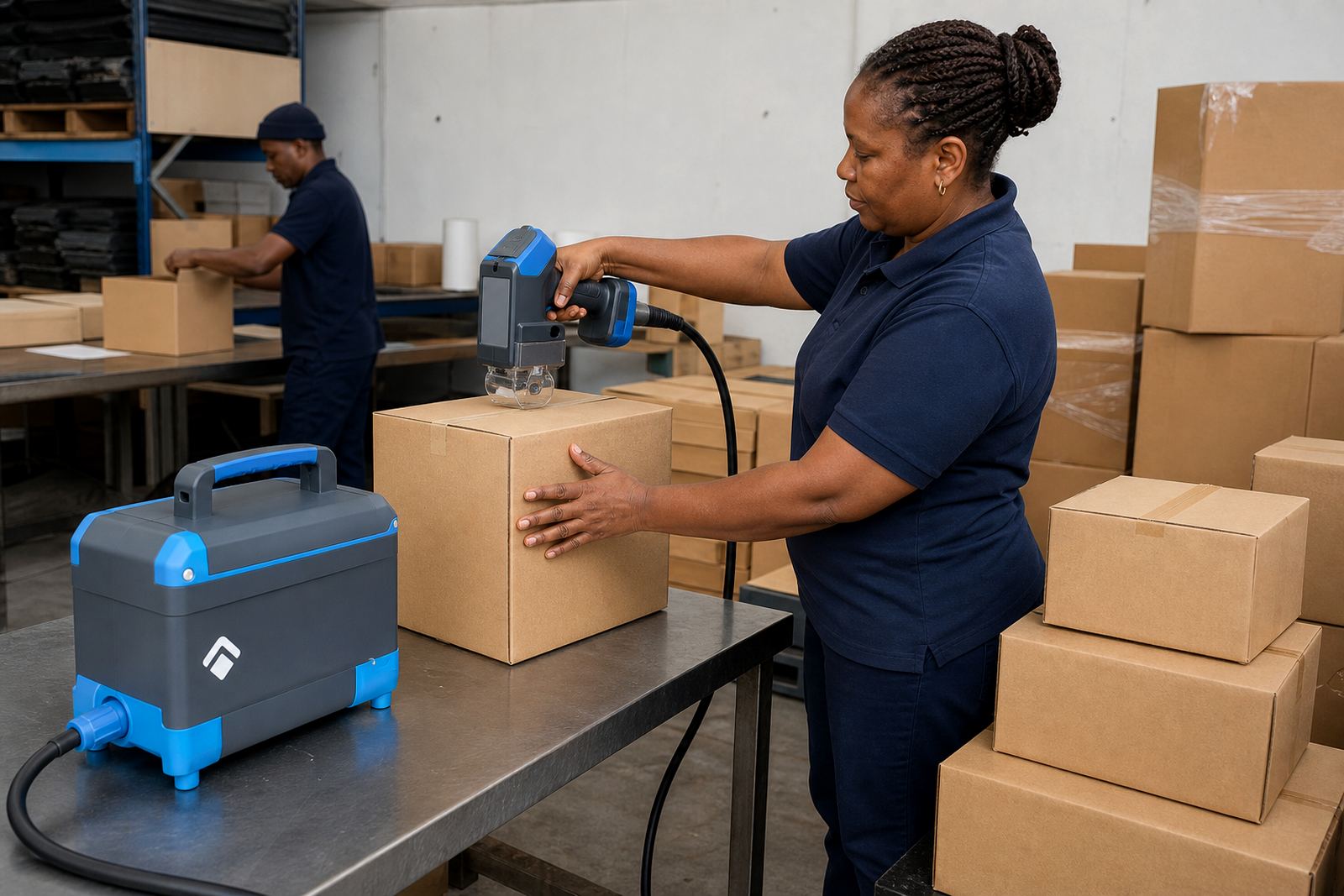
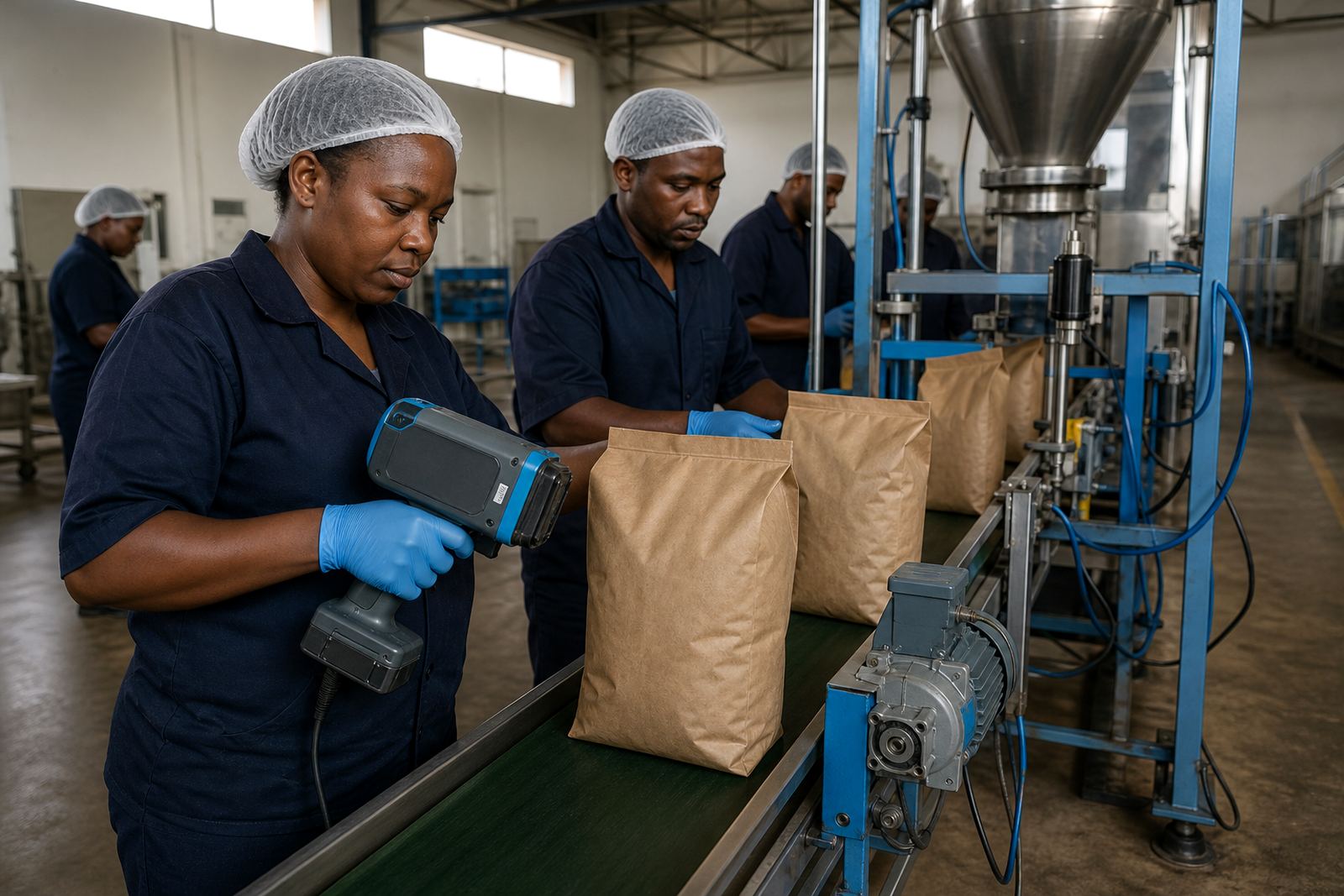
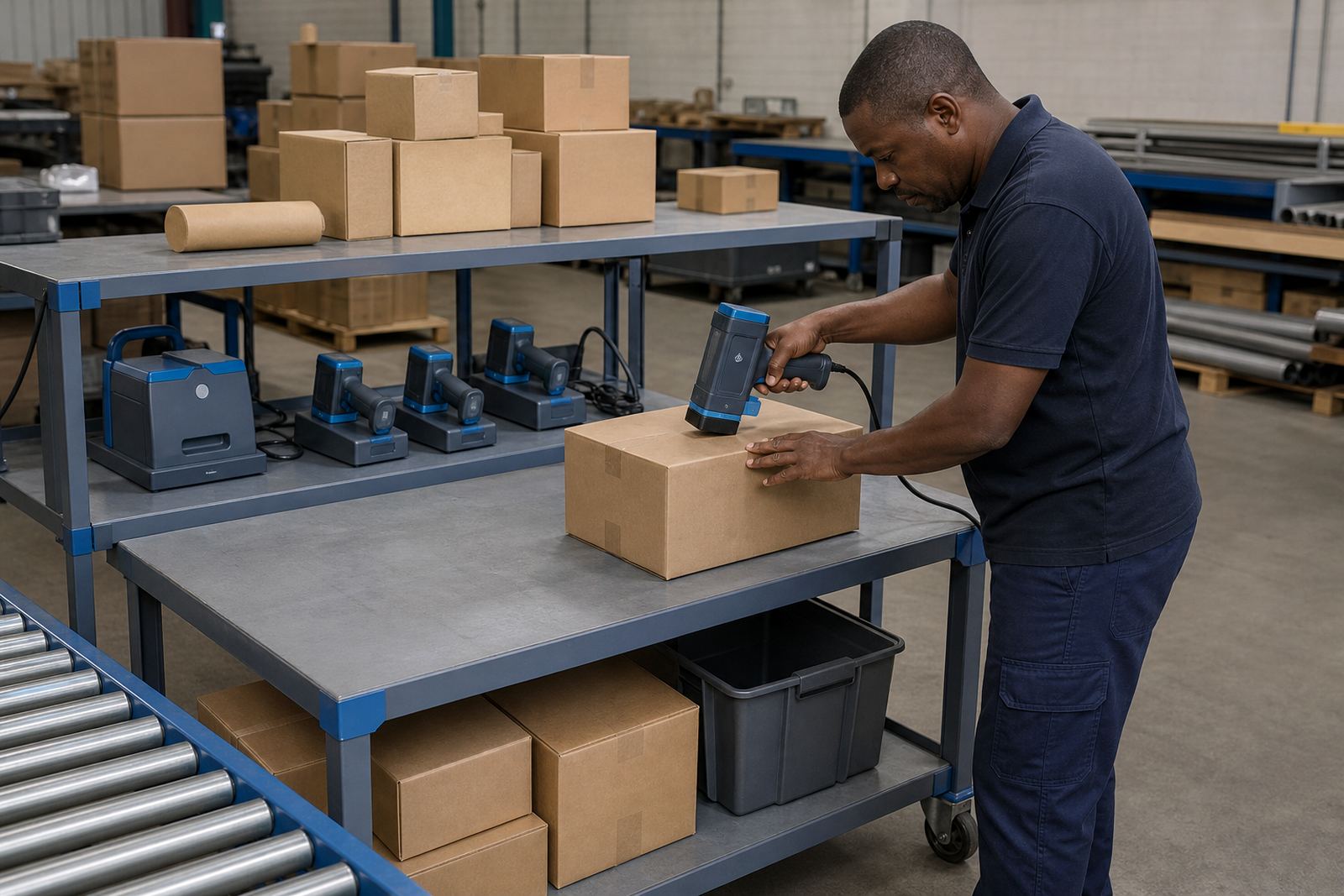
The job came from a light industrial operation in Midrand that packs mixed cartons, timber dunnage and a few pipe bundles for dispatch. The team needed one handheld coder that could move between different pack sizes without changing the whole line or holding up the shift.
The brief covered batch updates, packed-on dates and a small logo for outward-facing cartons. Surface variety mattered more than print speed, because the same day could include smooth carton board, coated outer sleeves, raw timber and painted steel strapping. That meant ink choice and print height had to match the material, not just the artwork.
- Mixed carton sizes from small retail cartons to larger outer cases
- Marking on timber, pipe sections and steel pack supports
- Readable batch codes for dispatch checks and traceability
- Logo placement on the outside face of cartons
The surface problem we had to solve
Cartons and timber behave differently under ink. On absorbent board, a water-based ink can give a clean mark with low spread, while timber grain and rough faces often need a quicker-drying solvent ink so the print does not feather or smear. For painted steel and coated wrap, quick-dry ink was the safer option because the mark had to stay readable after handling and stacking.
We checked the marking area on each surface before loading the message. The carton board took a neat two line code at a modest print height, while the logo needed a slightly taller format to stay clear from a short viewing distance. On the timber pieces, the character spacing had to be a touch wider or the grain pulled the eye off the code.
- Water-based ink for plain cartons and fibreboard
- Solvent ink for timber and rougher surfaces
- Quick-dry ink for coated, painted or handled surfaces
- Print height adjusted to suit the viewing distance
The client also needed barcode support on selected cartons for inward scanning. We set the barcode in a clean, narrow format and ran test prints until the scanner read consistently under warehouse lighting. One small misread on a dark sleeve showed where the contrast needed more bite, so we changed the ink fill and rechecked the code. That cleared the issue.
What was supplied for the hire period
The hire package included a handheld inkjet coder, the right ink set for the surface mix, and a backup unit in case the first unit needed swapping during the job. We also loaded the date and batch format, added the logo file, and checked the barcode settings before the team started marking production.
Because the operator group had a changing shift pattern, we supplied setup notes and in-person handover at the Midrand site. The training covered trigger pressure, nozzle clearing, line spacing and how to keep the print steady on a moving carton. On the timber marks, the unit needed a slower wrist pass than on cartons, or the characters stretched slightly. That is the kind of small detail that saves wasted material.
- Handheld inkjet coder for date and batch coding
- Logo loading and barcode setup for selected cartons
- Consumables supply for the hire term
- Backup unit support where the production window made it sensible
For this project we set a weekly hire term first, then moved the unit onto a monthly arrangement once the dispatch cycle settled. That gave the client room to track stock movement without tying the team into a long fixed period while the carton mix was still shifting.
Timeline and field work over two weeks
The first week covered assessment, message loading and the first round of test prints. By the end of that period the team had a stable code layout for cartons and a separate setting for timber marking. The second week focused on operator confidence, barcode consistency and keeping the print legible after stacking and tape sealing.
On site, we checked the print against different carton colours and one darker sleeve that had been giving trouble. The darker face needed a stronger contrast than the rest, so we adjusted the ink selection and changed the print position slightly. That cut down rework and gave the warehouse team less sorting to do at handover.
- Week 1: setup, ink choice and test printing
- Week 1: message loading for dates, batches and logo
- Week 2: operator training and print verification
- Week 2: barcode checks and final marking run
The handover was practical and direct. The operators wanted enough detail to keep moving without having to ask for help on every carton, and the setup reflected that. We left them with the load order, the print height used for each surface and the cleaner passes for timber and coated board.
What the marked cartons needed to hold up to
Once the cartons moved into dispatch, the marks had to survive stacking, tape, light rubbing and short transit between stores or depots. The goal was not a glossy finish, it was clean identification that stayed readable after ordinary warehouse handling. The logo on the front panel also needed to hold its shape, even when the carton edges picked up scuffing.
For the pipe bundles and timber packs, the main concern was smudging from contact and dust. A quick-dry or solvent-based option solved that better than a slow setting ink would have done. The result was a neat set of marks that matched the material instead of fighting it.
- Readable codes after stacking and taping
- Clear marks on rough timber and painted support pieces
- Barcodes that scanned without repeated repositioning
- Logo marks that stayed visible on outer cartons
The client also appreciated that the hire could stretch across weekly and monthly terms without forcing a new equipment search. That suited the changing order mix and kept the marking process under one working method rather than three separate ones.
What we would carry into the next mixed-carton hire
Split ink from the start, with the darkest carton face tested first, would stay our approach for this kind of mixed-carton hire. That saves time where contrast tends to flatten out and it keeps the barcode settings honest before the shift gets busy.
We would also hold onto the separate print profiles for cartons, timber and coated surfaces. Once those settings are loaded, the operators can switch between surfaces with less hesitation and fewer wasted test marks. For mixed jobs, that practical discipline matters more than trying to force one setting across every pack type.
- Test the darkest and roughest surface first
- Keep separate settings for cartons, timber and coated pack pieces
- Load the barcode and logo before the main run starts
- Match the ink to the surface instead of the other way around
For Midrand, the handheld coder hire did what the brief asked for: dates, batch numbers and logos on mixed cartons, plus dependable marks on timber and pipe supports. The job stayed orderly, the operator team had enough guidance to handle the unit confidently, and the markings held up through normal warehouse movement. That is the standard we aimed for, and it fitted the site well.
Key facts
| Project | Midrand Batch Job |
|---|---|
| Service | Handheld inkjet coder hire |
| Print use | Dates, batch numbers, barcodes and logos |
| Surface mix | Cartons, timber, pipes and steel |
| Hire terms | Weekly and monthly |
| Base area | Pinetown, Durban with South African delivery and collection support |