What the pipe marking printer does on site
This hire unit is built for pipe marking where the surface is already formed and the mark needs to sit on the outside face, not on a label that can lift or crease. It is used on plastic pipe, coated pipe and certain prepared steel sections where the print must stay legible through handling, stacking and loading.
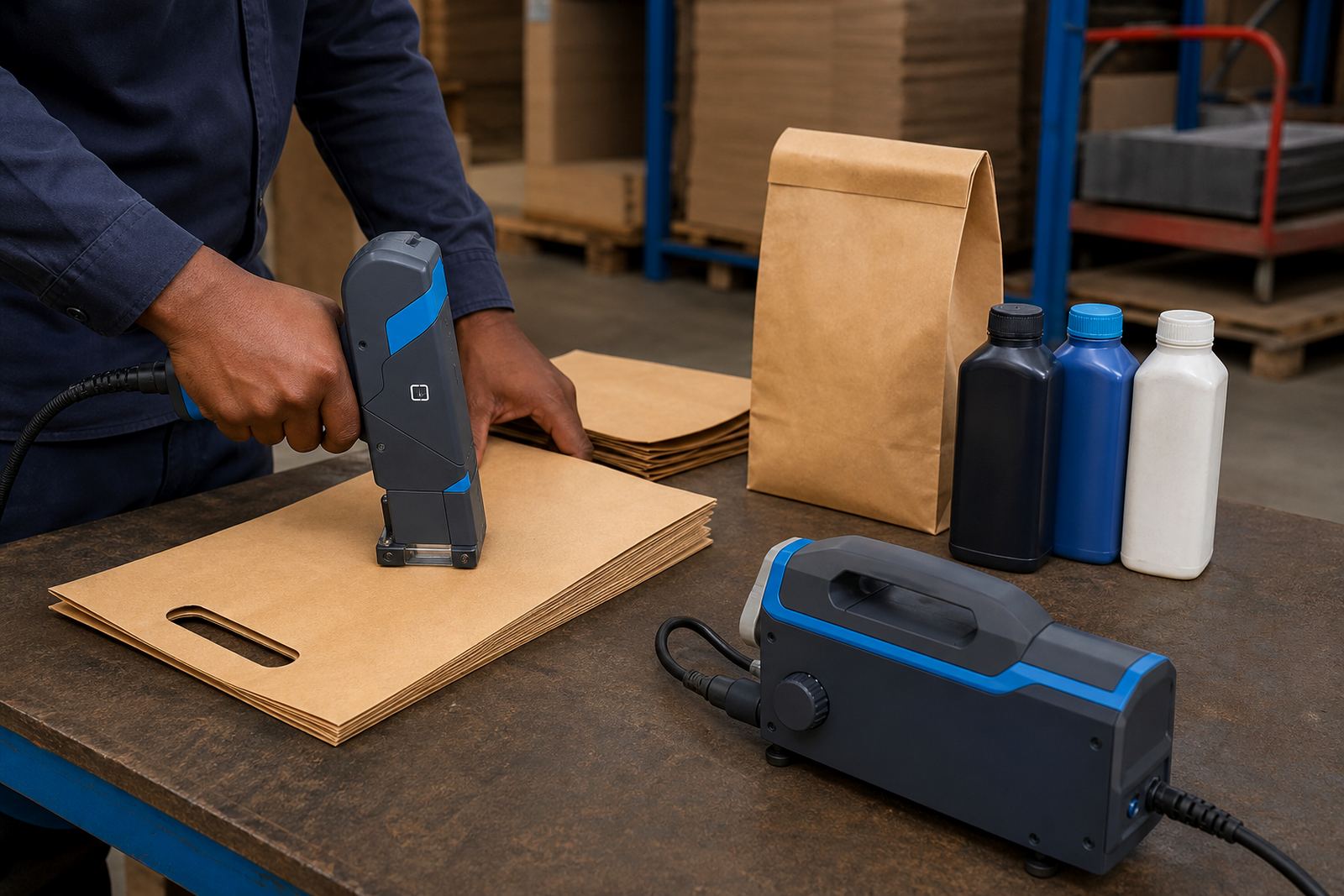
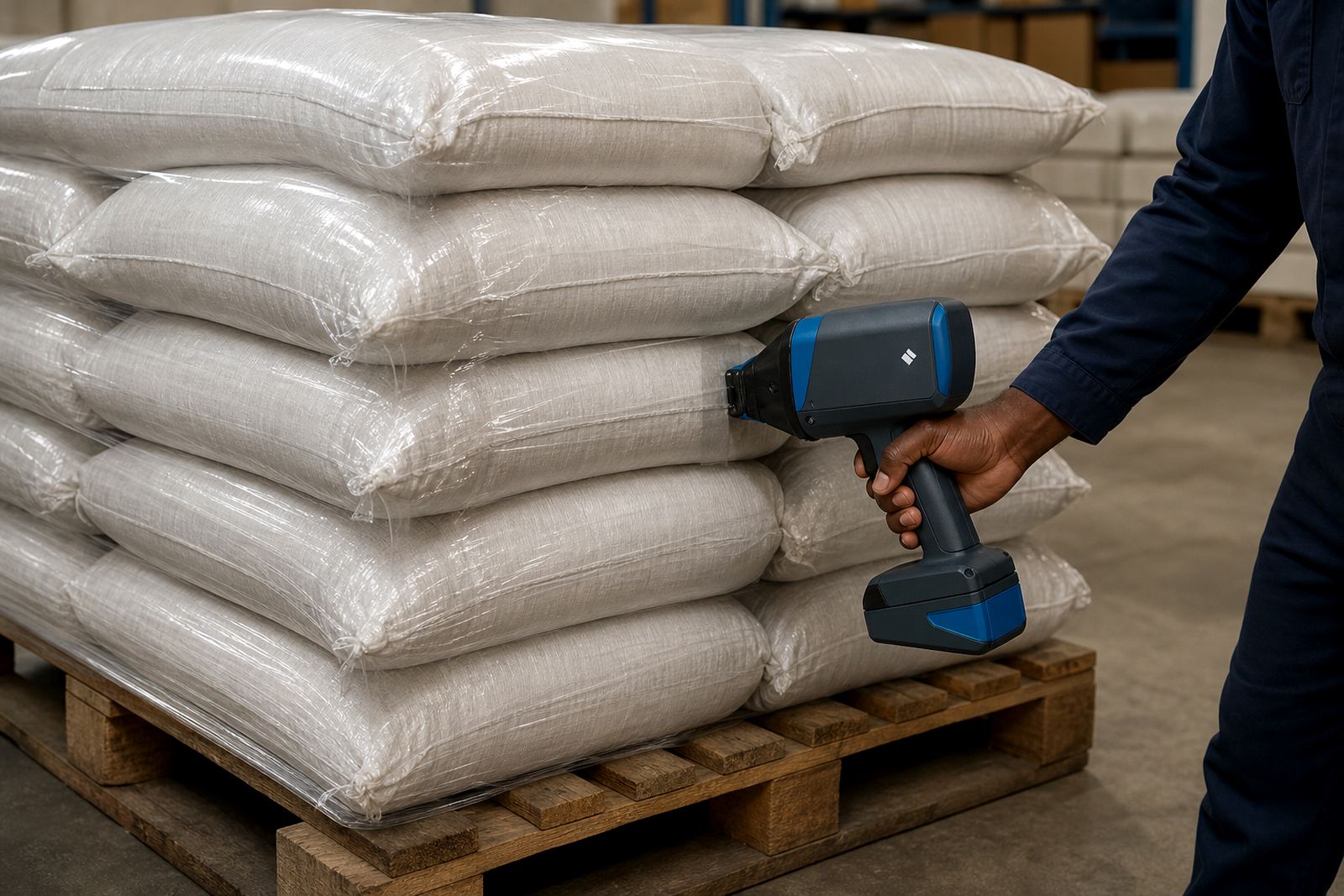
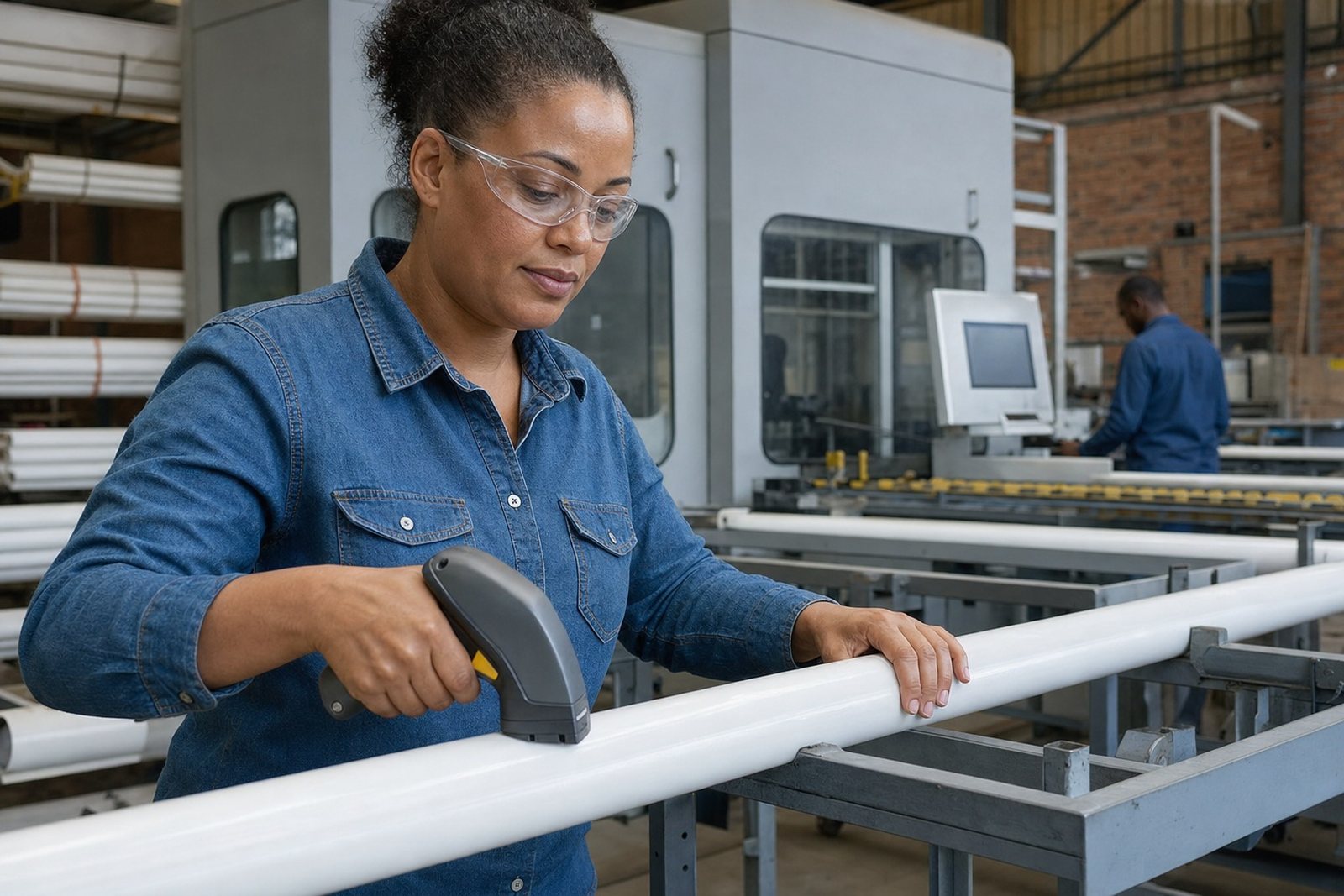
The handheld coder is moved by hand along the pipe while the print head lays down the mark at the chosen height. That makes it useful for batch codes, size text, production dates and job references on straight runs, bundle ends and cut lengths. The mark can be set out in a single line or stacked lines, depending on the text and the available print height.
- Print heights commonly used: 2 mm to 25.4 mm, depending on the message
- Single-line coding for date and batch marks
- Multi-line layout for size, shift and job references
- Barcode and logo setup where the surface and spacing allow it
Pipe sizes, surface types and message layout
Pipe stock is not all the same, so the print setup must match the outside diameter, coating and finish. Smooth plastic pipe gives a cleaner result than rough or dusty material, while a coated pipe usually needs a quick-dry or solvent-based ink chosen for better bite on the surface. If the pipe is curved or narrow, the message often needs a shorter line length and a smaller character set.
For long bundles, the print position can be set to one side so the code stays visible after stacking. On wider pipe sections, there is room for a larger logo or a longer batch line. When the surface is shiny or slightly damp from handling, the ink choice matters just as much as the message itself.
- Works on plastic pipe, coated pipe and selected prepared metal surfaces
- Suited to round, curved and bundle-end marking
- Can carry plain text, serial numbers and barcodes
- Logo size is limited by the available print area and surface finish
Ink options for plastic, coated and handled surfaces
Ink selection is part of the hire, because the wrong ink can smudge or sit weakly on the pipe surface. Solvent-based ink is often used where faster drying and stronger grip are needed on coated material. Water-based ink can suit some absorbent or lower-risk surfaces, while quick-dry ink is useful where pieces are handled soon after marking and the print needs to settle fast.
The technician will match the ink to the pipe material, the handling stage and the look needed on the finished mark. On a warehouse floor, the practical question is whether the print must survive rubbing, stacking or rain during movement between yard and vehicle. In Durban and Richards Bay, coastal moisture also has a part to play, so the ink choice should fit the storage conditions as well as the pipe itself.
- Solvent-based ink for harder-to-mark coated surfaces
- Water-based ink for selected surfaces and lighter coding needs
- Quick-dry ink for faster handling after marking
- Consumables can be supplied with the hire period
Hire terms, setup and operator handover
The pipe marking printer is available on weekly or monthly hire, which suits project work, repeat production runs and short contract jobs. Delivery and collection can be arranged, and the unit can be set up on site with message loading, test printing and barcode setup where needed. We can also help with remote setup when the printer will be used at more than one yard or branch.
Training covers hand movement, print placement, cleaning points and the spacing needed for clear marks on curved stock. The operator also gets guidance on font size, print speed and how to line up the coder so the text stays straight across the pipe. Where the job needs several messages, the loaded layouts can be arranged in the order the team uses them on the floor.
- Weekly hire and monthly hire terms available
- On-site setup for pipe marking runs and loading bays
- Remote setup help for multi-site use
- Operator training included with practical print checks
Care, cleaning and working habits that keep the mark steady
Handheld inkjet coders need regular care if the print is expected to stay sharp. The print head should be kept clean, the ink path checked and the unit stored upright where possible. Dust from timber, pipe cutting and yard handling can settle on the head, so a quick wipe before and after use helps the next run stay even.
When the pipe surface is oily or damp, the result will never be as clean as a dry, prepared section. A test print is worth doing on the same material before the run starts, especially when the job involves coated pipe with a reflective finish. If the message includes a barcode, the scan area should be checked before full production starts, because spacing and contrast matter just as much as the ink.
- Clean the print head and cap area after use
- Store cartridges and consumables away from heat and dust
- Run a test print on the same pipe surface before full marking
- Check barcode clarity with the scanner used on site
Details to confirm before the hire goes out
To match the right handheld coder to the pipe job, a few job details need to be clear at the start. The material matters, the diameter matters and the mark itself needs to be described in plain terms. A short sample message helps, especially where the code must include numbers, letters and a logo on one line.
It also helps to know where the hire will be used, whether the pipes are moving through a yard in Pinetown, a production floor in Johannesburg or a coastal store in Cape Town or Richards Bay. That tells the team what sort of ink and print height should be loaded. When the job includes several branches, the same message may need slight layout changes for each run.
- Pipe material and surface finish
- Outside diameter or approximate print area
- Message text, batch format and date format
- Need for barcode, logo or both
- Site location and whether delivery or collection is needed
Key facts
| Print type | Handheld inkjet coding for pipe stock and bundled lengths |
|---|---|
| Print height range | About 2 mm to 25.4 mm |
| Suitable surfaces | Plastic pipe, coated pipe and selected prepared metal surfaces |
| Ink choices | Solvent-based, water-based and quick-dry options |
| Hire terms | Weekly or monthly |
| Services included | Setup help, training, message loading, test printing and consumables supply |