
Ink that grips before the pack moves on
The kit is built for handheld inkjet printers that need a firmer finish than standard water-based ink can give on busy packing lines, yards and dispatch areas. It works well where cartons are lifted, strapped or stacked soon after coding, and where a mark has to hold through light handling rather than sit wet for long.
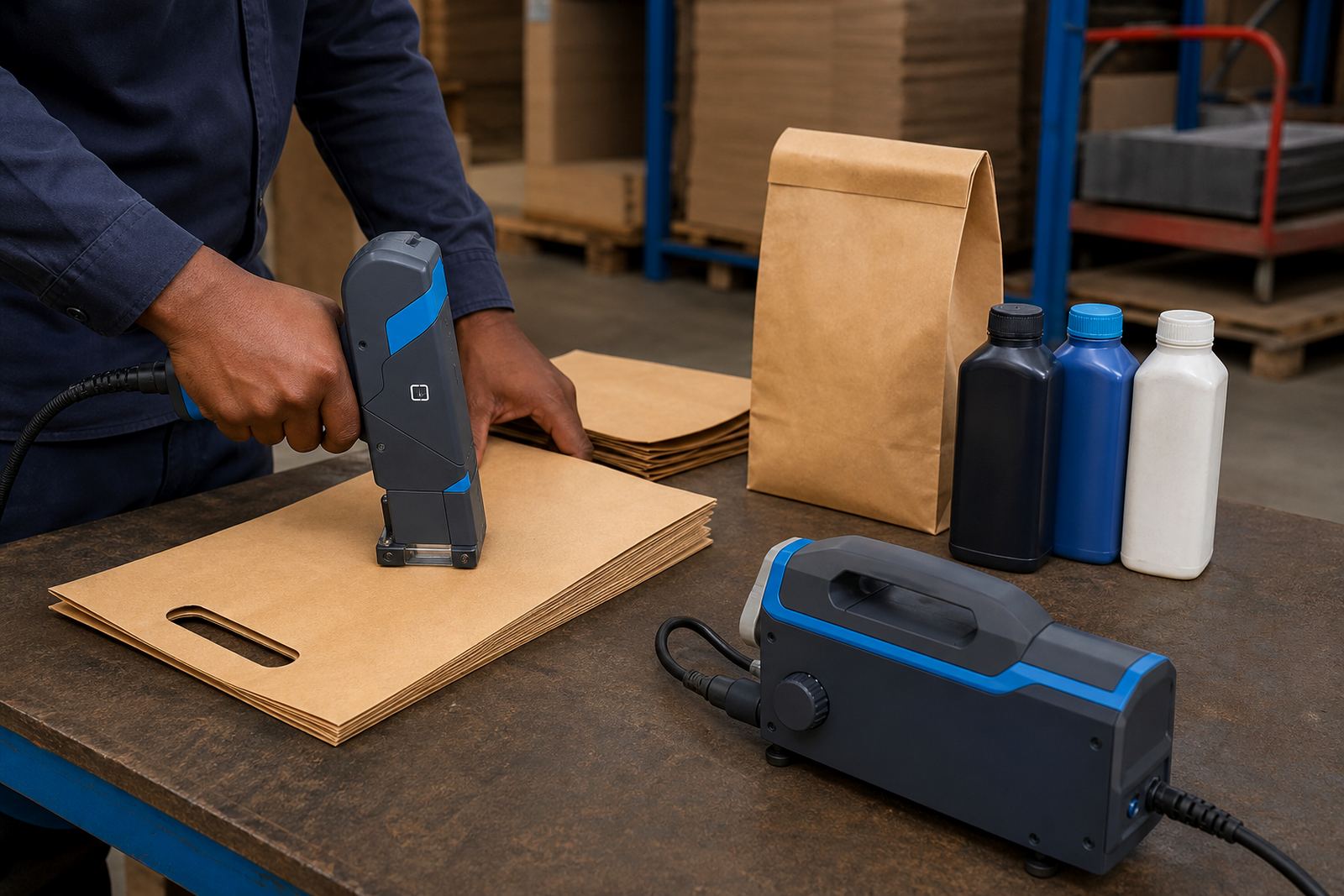
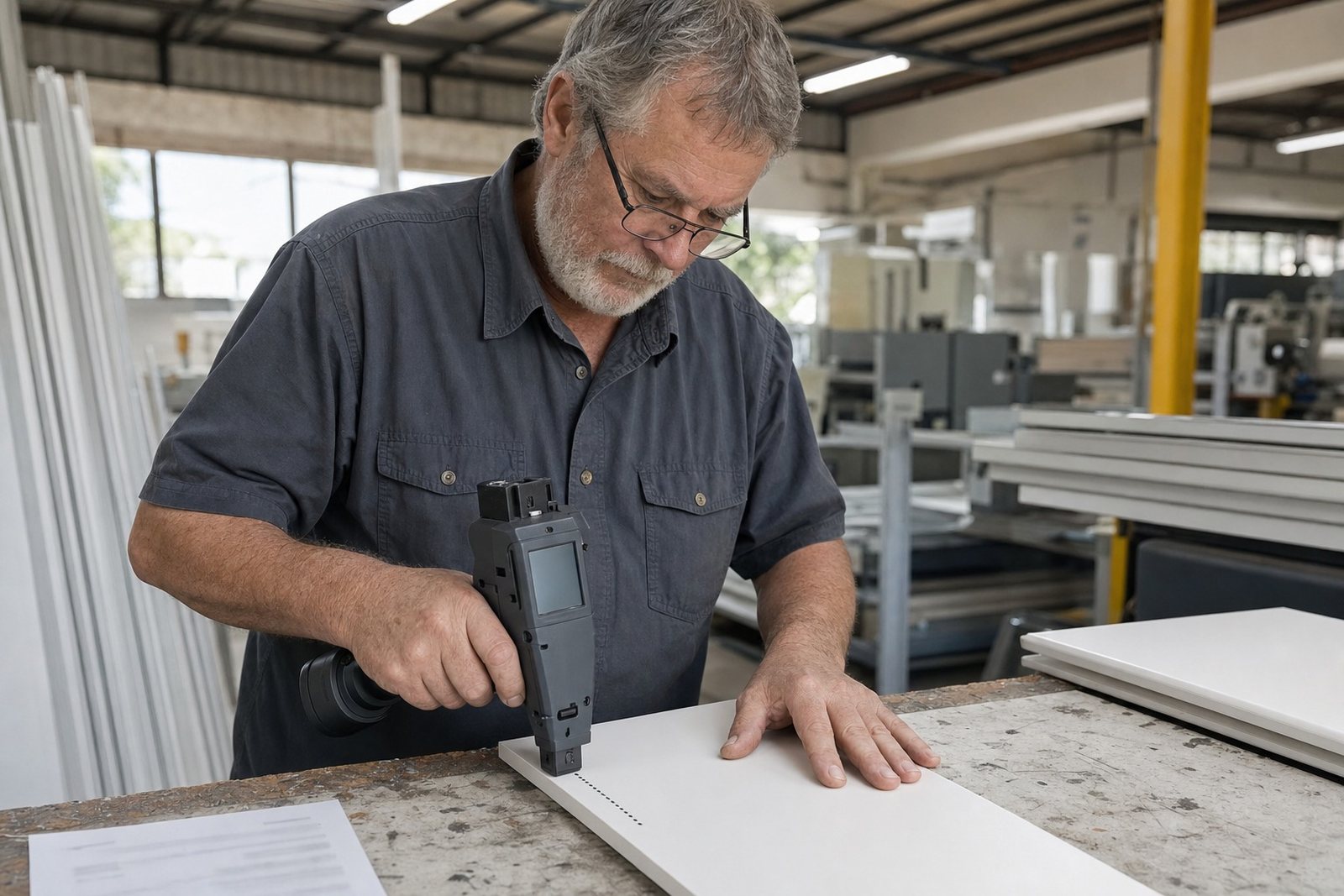
On corrugated cartons, shrink wrap, coated paper sacks and many timber surfaces, the quick-dry formula helps reduce smearing when the coder is moved off the job and set down. On smooth plastics and painted steel, the final result depends on surface condition, dust and the way the print head is held, so a test print is worth doing before a full run.
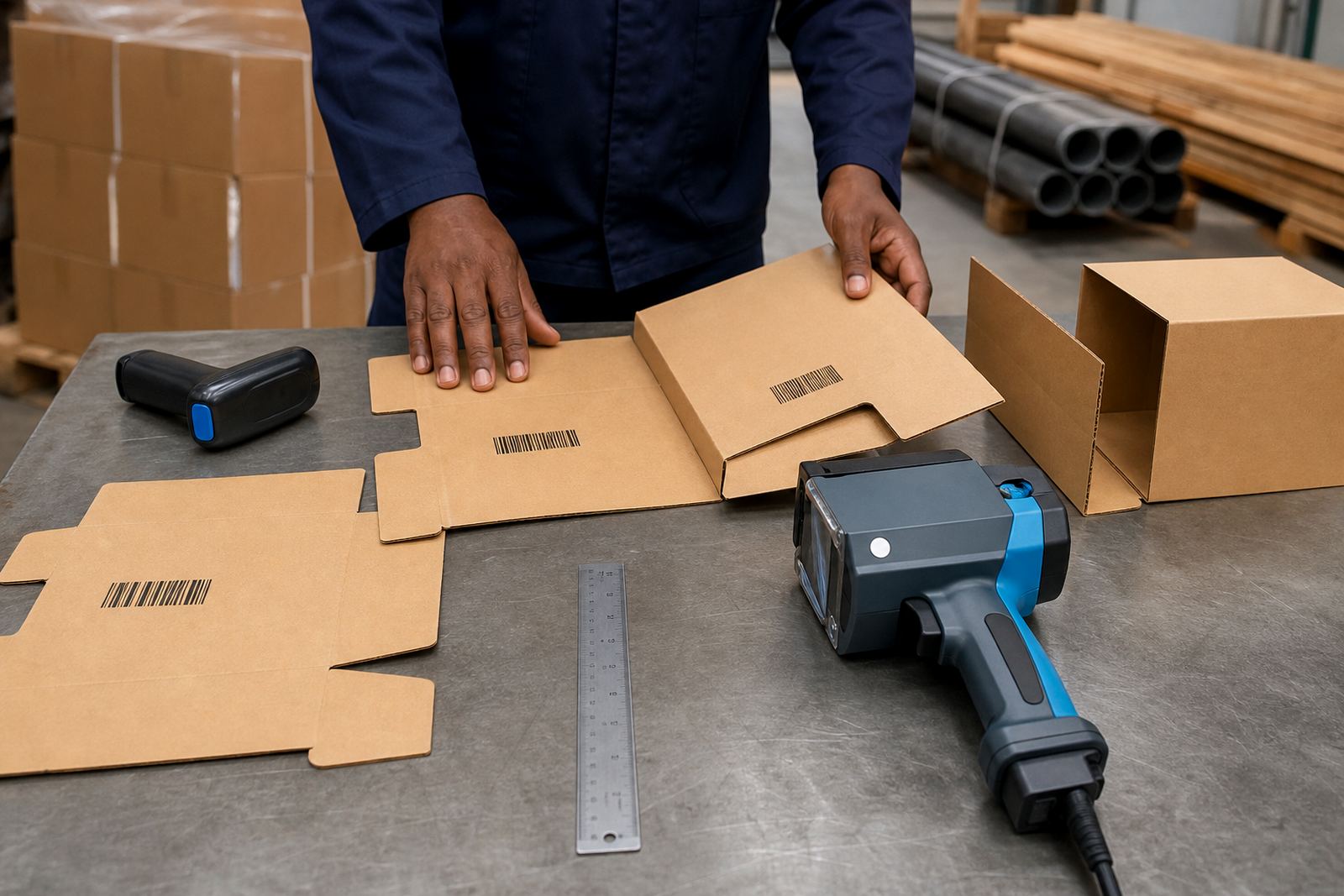
- Suitable for date codes, batch numbers, barcodes and simple logos
- Used with handheld inkjet coders that take replaceable cartridges
- Designed for higher handling and short dwell times after marking
- Available for weekly or monthly hire with consumables supplied as needed
Sizes and options for real coding jobs
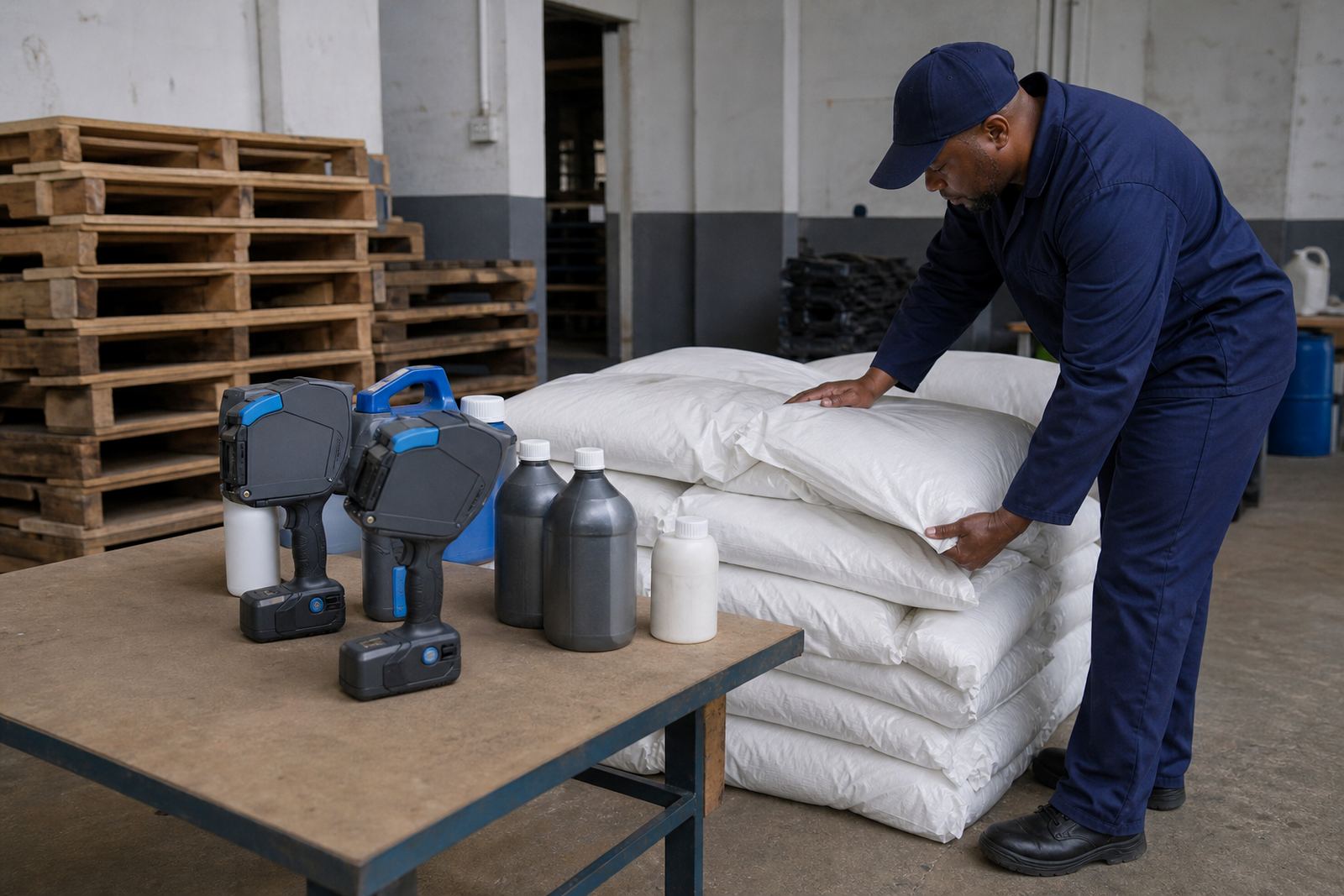
Quick-dry ink kits are normally supplied in cartridge form for handheld printers, with the cartridge size matched to the printer model and the amount of marking required. For light use, a single cartridge may be enough for a short run. For larger shifts, more than one cartridge is often kept on hand so work does not stop while a refill is sorted out.
Print height depends on the print head and the message being loaded. Small date codes and batch lines often sit in a narrow band, while larger logos need more height and cleaner surface contact. The most common hires use compact print heights for carton coding, but wider heads can be set for clearer marking on timber and steel where the surface is less even.
- Cartridge based supply for handheld inkjet coders
- Black is the usual choice for most packaging work
- Other ink colours may be available for specific substrate contrast
- Message length, line count and font size affect ink use and print height
Where this kit earns its keep
This kit suits operations in Durban, Pinetown, Pietermaritzburg, Johannesburg, Cape Town and Richards Bay where cartons, sacks, timber packs or pipe bundles move through receiving and dispatch areas. It is often requested by users who need cleaner marks on stock that will be handled, stacked or wrapped before it leaves the site.
It also suits coastal work where humidity can slow drying on some materials, especially on uncoated cartons and timber stored near loading bays. In dry inland conditions the ink can behave differently, so the same message should be checked on the actual surface, not just on a sample panel.
For bagged goods, pipes and timber lengths, the quick-dry formula is usually chosen where the mark has to stay legible after light rubbing, contact with straps or short transit across the yard. It is less about fancy finish and more about a readable mark that holds up during handling.
Fitting, loading and test printing on site
The kit itself is fitted into the handheld coder as part of the normal setup. That means checking the cartridge seating, loading the message, setting print position and running a few test passes before the job starts. When the unit is used on a new surface or a new batch of goods, the test print shows whether the ink needs a firmer hand pressure, a cleaner surface or a different drying allowance.
For larger hires, on-site setup and operator training help the team avoid wasted stock and poor first runs. If the work includes barcode setup or a logo, the image needs to be prepared at a clean size and placed where the printer can read it well. A steady setup saves a lot of rework when cartons or pipes are already stacked.
- Message loading for dates, batches, barcodes and logos
- Test printing before the shift starts
- Operator training for correct speed, angle and print spacing
- Remote setup help is available when the hire is sent across provinces
Care during the hire period
Quick-dry ink performs best when the cartridge is stored upright and capped according to the printer instructions. Dust, fibre and dried residue can shorten print quality, so the print head area should be kept clean and the unit wiped after heavy use. On timber and rough cartons, loose fibres can cling to the nozzle area and affect sharpness.
If the printer is used in a busy warehouse or yard, the cartridge should be checked for drying at the nozzle when the unit has been idle. A short test print before restarting a shift is usually enough to confirm the line is clean. Where the surface has oil, moisture or heavy dust, the mark may need a better prep step before printing, otherwise even a fast-setting ink can struggle.
- Keep the cap on when the printer is not in use
- Store cartridges upright and away from heat
- Clean the print area after dusty or fibrous work
- Check the message on the actual substrate before a long run
Details to confirm before the kit is packed
When ordering a quick-dry ink kit for hire, the main details are the surface, the message and the kind of handling the marks must survive. Cartons, bags, pipes and timber each behave differently, so the right ink choice depends on whether the print has to resist smudge, light rubbing or short exposure before stacking. If the stock is glossy, dusty, wet or oily, that should be stated at the start.
It also helps to confirm the print height, number of lines, whether a barcode must scan on site, and whether the logo is a simple block mark or a finer image. Week-to-week or monthly terms are available across the country, with delivery and collection arranged from the Pinetown, Durban base. Consumables supply, backup unit support and troubleshooting help can be included where the job needs it.
For teams working in Westmead, New Germany or beyond, the useful detail is not just the item name but the exact material, finish and coding layout. That keeps the hand held printer matched to the work instead of forcing one ink to cover every job.
Key facts
| Product type | Quick-dry ink kit for handheld inkjet coders |
|---|---|
| Ink finish | Fast-setting, smudge-resistant coding ink |
| Common use | Dates, batch numbers, barcodes and logos |
| Print height | Depends on printer head, message layout and substrate |
| Hire terms | Weekly and monthly |
| Typical surfaces | Cartons, bags, pipes, timber and painted steel |
| Coverage | Pinetown, Durban, Pietermaritzburg, Johannesburg, Cape Town and Richards Bay |