

When the coder starts missing marks
Most support calls begin with a print that looks light, broken or slightly off position. That can point to nozzle blockage, an ink match that is not right for the surface, a worn setting, or a coder that needs a clean pass before the next shift starts. Keep the unit aside if the print is smearing on cartons, timber, steel or pipework, then note what changed just before the issue started.
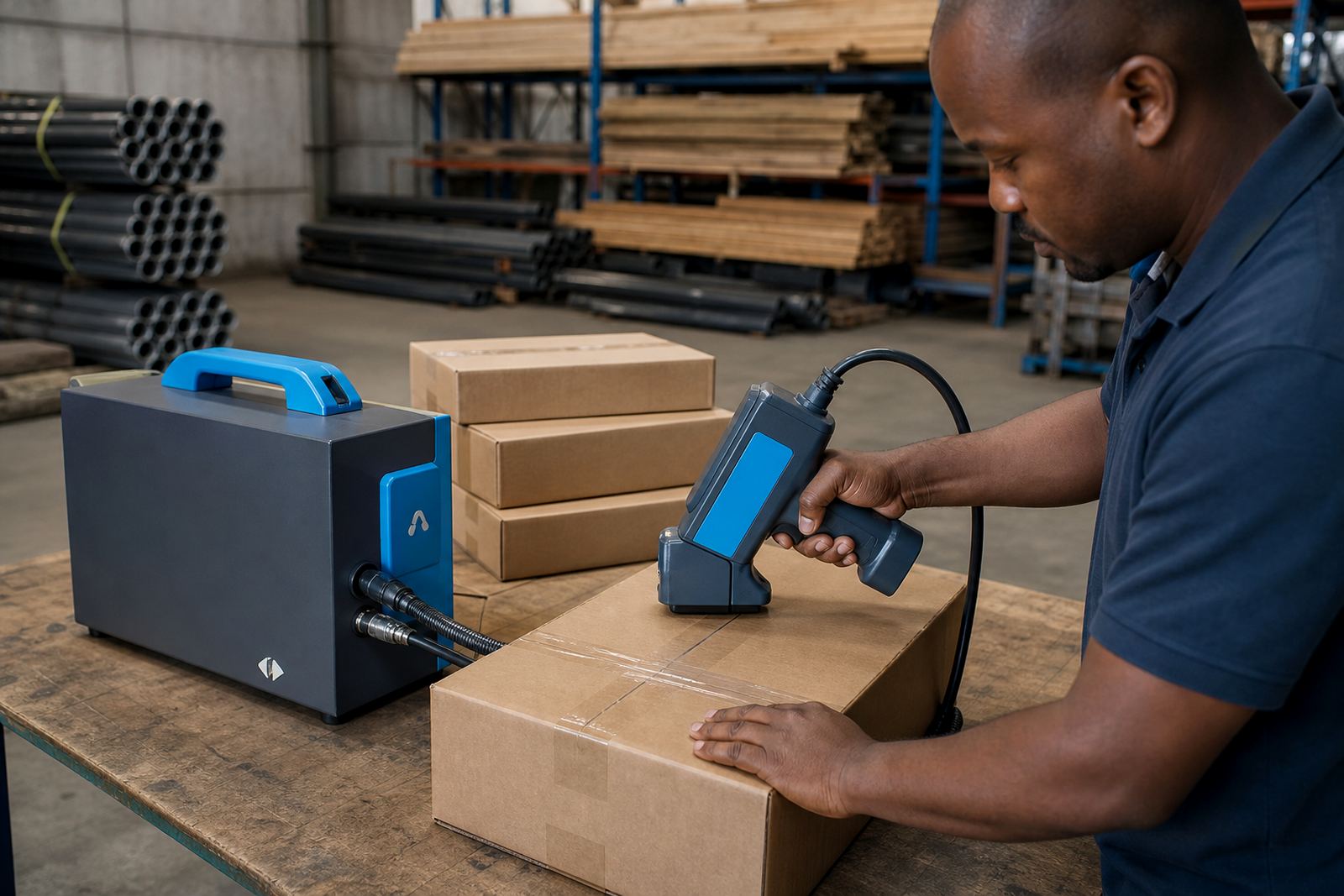
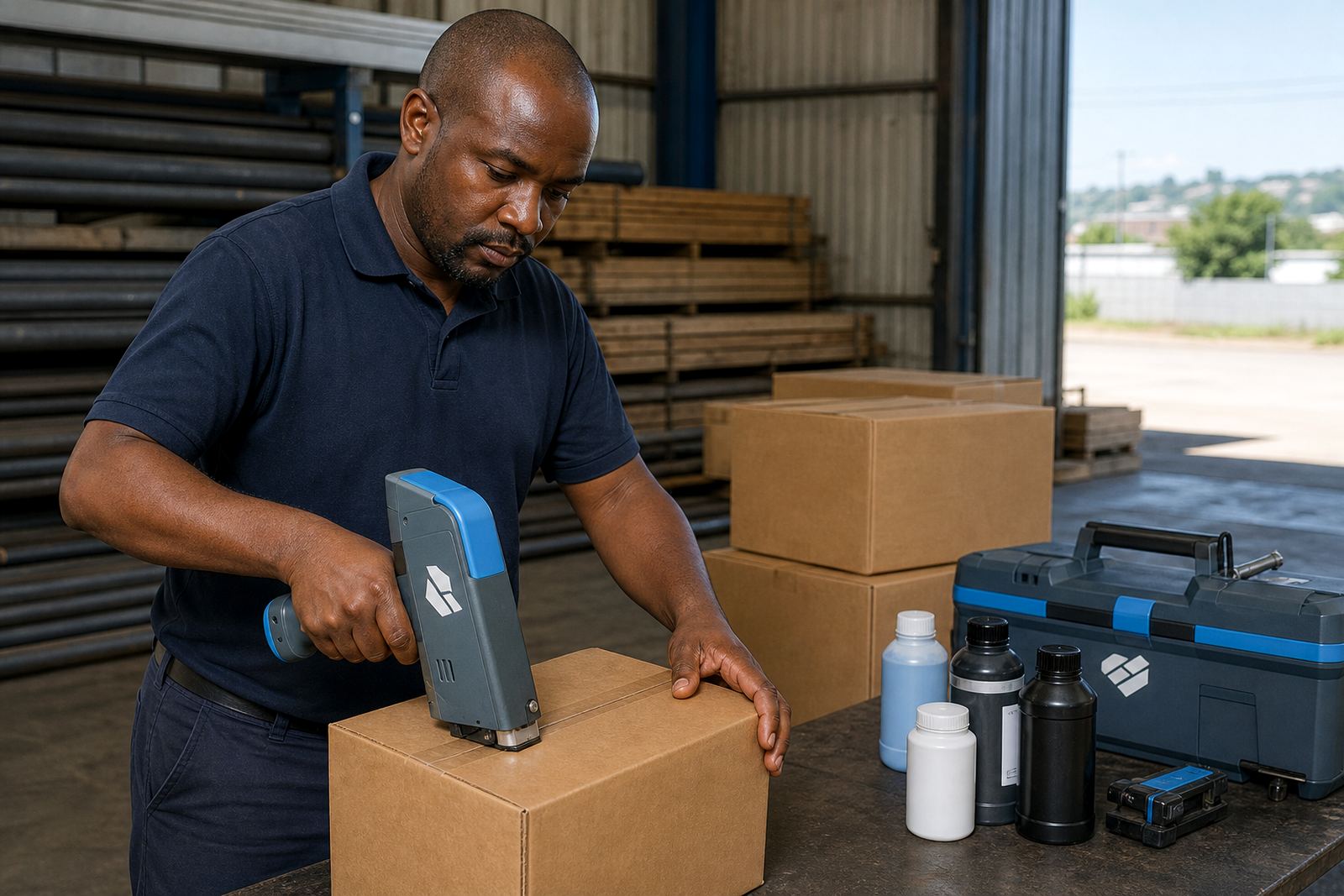
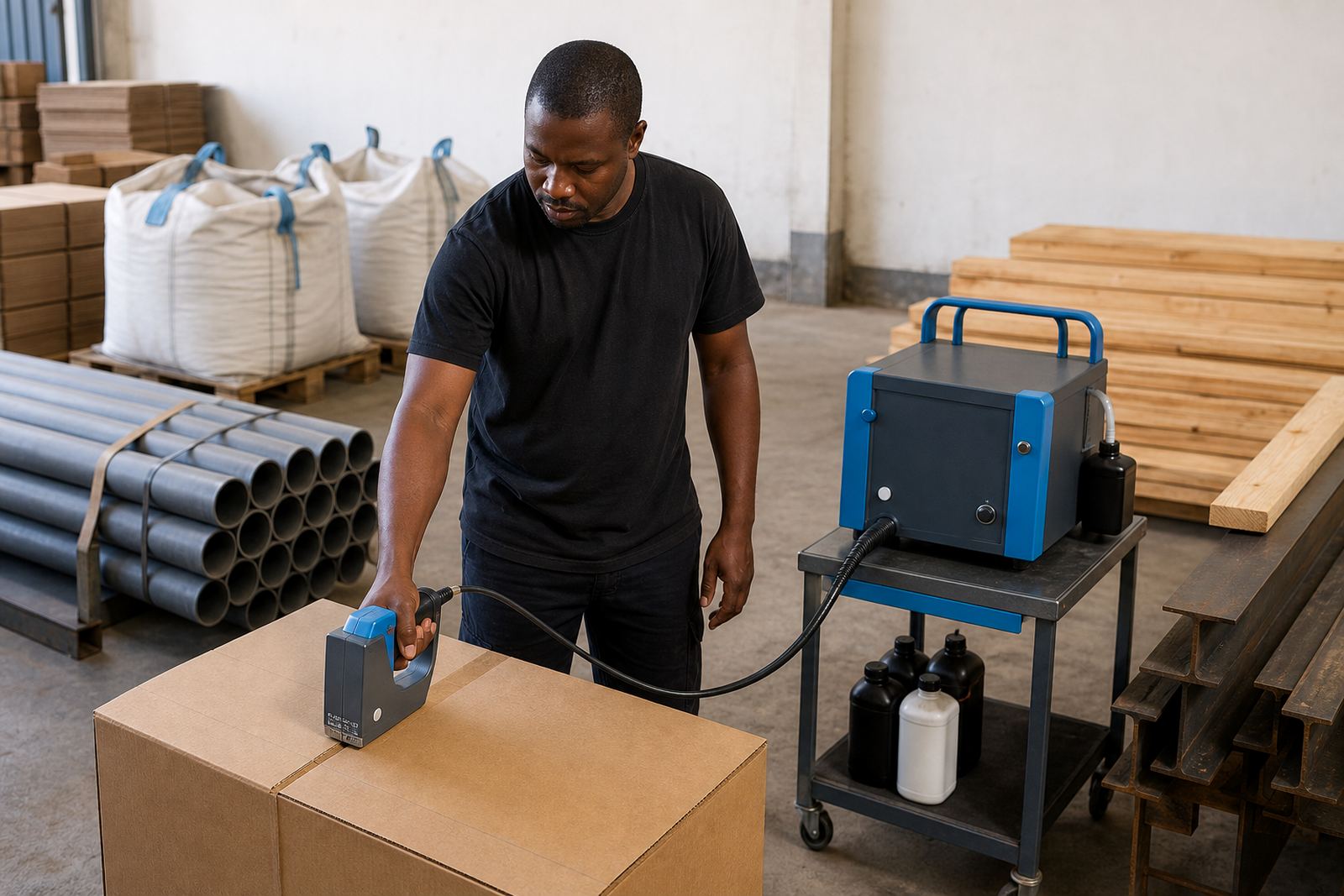
The team handles handheld inkjet coders used for dates, batch numbers, barcodes and logos. In practice, the surface matters a great deal. Corrugated cartons and paper sacks behave differently from smooth coated packs, while galvanised steel and painted timber need a firmer grip on ink choice and print height. A quick note on the substrate helps the support team narrow the fault without guessing.
What to send through the enquiry form
Use the enquiry form on the contact page and include the useful bits, not a long story. A short description of the fault, the print sample, the hire site and the material being marked gives enough context for technical support to work from. If the job uses a barcode, add the symbol type and the print size you are aiming for, because narrow bars and small characters need careful setup.
- Rental site and town
- Material being printed on
- Type of code, date or logo in use
- Ink type currently loaded
- Print height or character size on the unit
- Any smudge, skip or alignment issue
For teams in Durban, Westmead or New Germany, this helps separate a surface issue from a unit issue. For inland hires in Johannesburg or Pietermaritzburg, it also helps when dust, handling or storage has affected the cartridge or print head.
Setting up a fresh job after collection
When a unit arrives for a new shift, support can help with message loading, barcode setup and logo placement. That includes checking the print direction, line spacing and the height of the print block so the mark lands where the carton seam, pipe curve or timber edge will not disturb it. A short test run usually shows whether the ink lays down cleanly or needs a change.
Water-based ink can suit absorbent cartons and some paper packaging. Solvent ink is often used where the surface is less porous or needs faster drying. Quick-dry ink helps where handling starts soon after marking. The right choice depends on the surface, the drying window and how the packs are stacked, packed or moved after coding.
- Test printing on spare material is useful before a full run
- Barcode height and quiet zones need checking on small labels and cartons
- Logo blocks should be kept clear of folds, straps and corner crush
- Print height matters when coding on curved pipe or rough timber
Remote help and on-site setup work
Some issues can be sorted with remote setup help, especially when a message needs loading again or the print spacing has drifted. Other jobs benefit from an on-site visit, especially where the first print is going onto a new material or the operator wants a hands-on walk-through. The field setup technician can show the loading steps, the correct trigger use and the best angle for a steady mark.
At warehouses, yards and packing lines, the support pattern is often practical rather than complicated. A coder may need a fresh clean, a change in ink, or a different hold position for pipe, timber or bag stock. The team also helps when a backup unit is needed during a rental period, so marking can continue while the main unit is checked.
Consumables that keep a rental moving
Ink supply matters as much as the printer itself. During a hire, the support team can guide selection of solvent, water-based or quick-dry ink depending on the surface and the way the product is handled after coding. If cartons are stored in a humid coastal yard in Durban or Richards Bay, drying and smudge resistance need more attention than they do on a dry indoor pack line.
Consumables support also covers cartridges, cleaning material and the small items that keep print quality steady. If a barcode starts losing edge definition, or a logo has gaps at the corners, the issue may not be the file alone. It can be a print setting, an ink choice, or a machine that needs a careful clean before the next run.
Support during weekly and monthly hire
Rental terms by the week or month are used across South Africa, so support needs to be practical for short jobs and longer production runs. Some teams need help on one pallet lot, others on a longer packing schedule. The same rental can move between cartons, pipe bundles and timber packs, provided the print settings stay matched to the surface and the working height.
The support team in Pinetown works across Durban, Pietermaritzburg, Johannesburg, Cape Town and Richards Bay, with delivery and collection where the rental plan allows it. If a unit begins to miss marks mid-hire, the quickest useful step is still a clear sample, the material type and the current ink. That gives the technicians enough to guide the next move without wasting stock or time on trial and error.
For active rentals, the contact route stays simple: send the details through the enquiry form on the contact page, then include the fault, the print sample and the site. Sibusiso Moagi oversees the operation, with Nokuthula Kotze on hire coordination, Jared Rademeyer on technical support, Anele Vermaak on training, Priya Pillay on operations and Morne Oosthuizen on field setup.