When bags need traceability without slowing the line
Bag coding usually comes in when a packing room starts handling more product codes, dispatch dates or internal lot references than a handwritten label can carry. On bagging lines in Pinetown, Durban and other industrial areas, the print has to stay readable after stacking, transport and handling by forklift or hand.
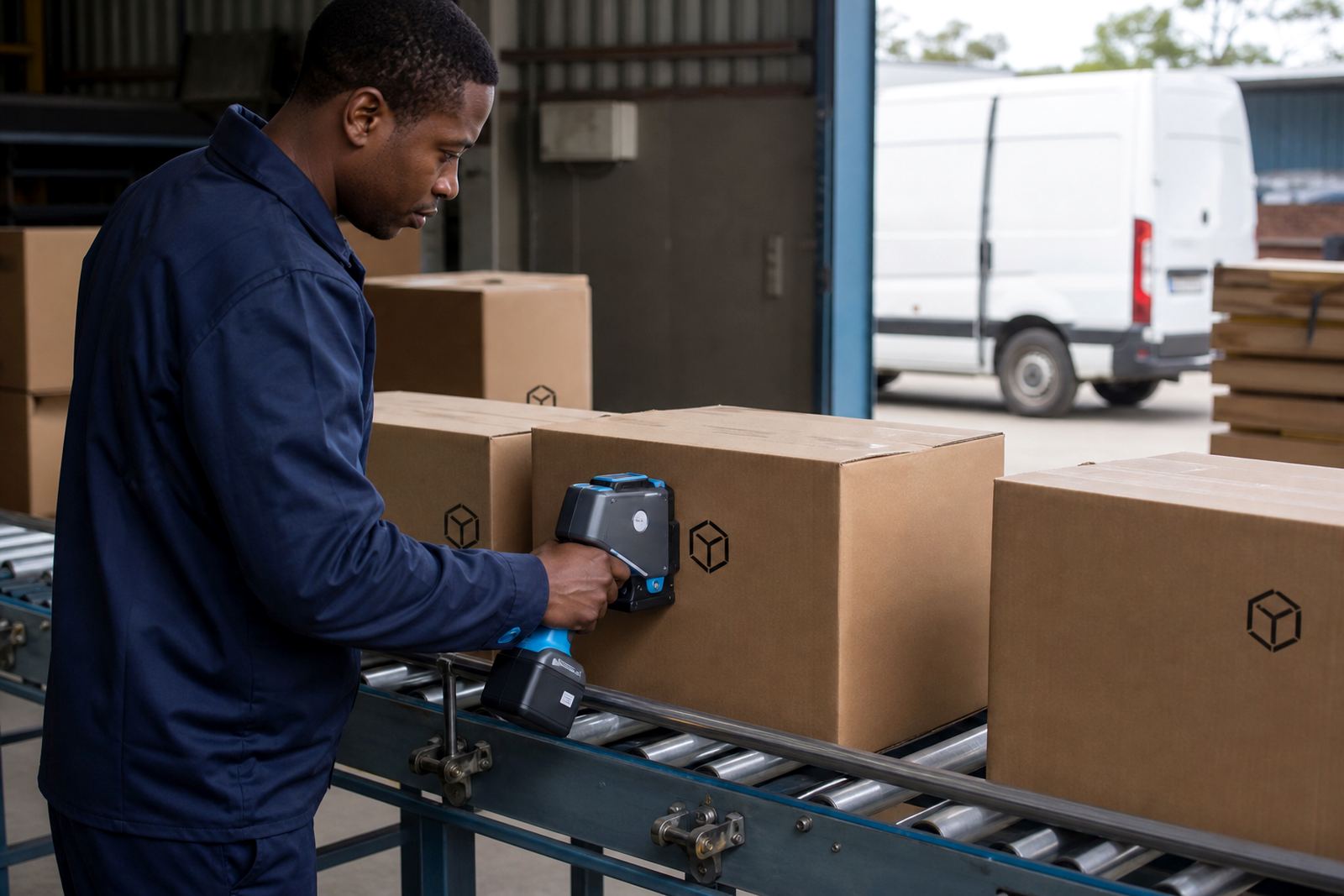
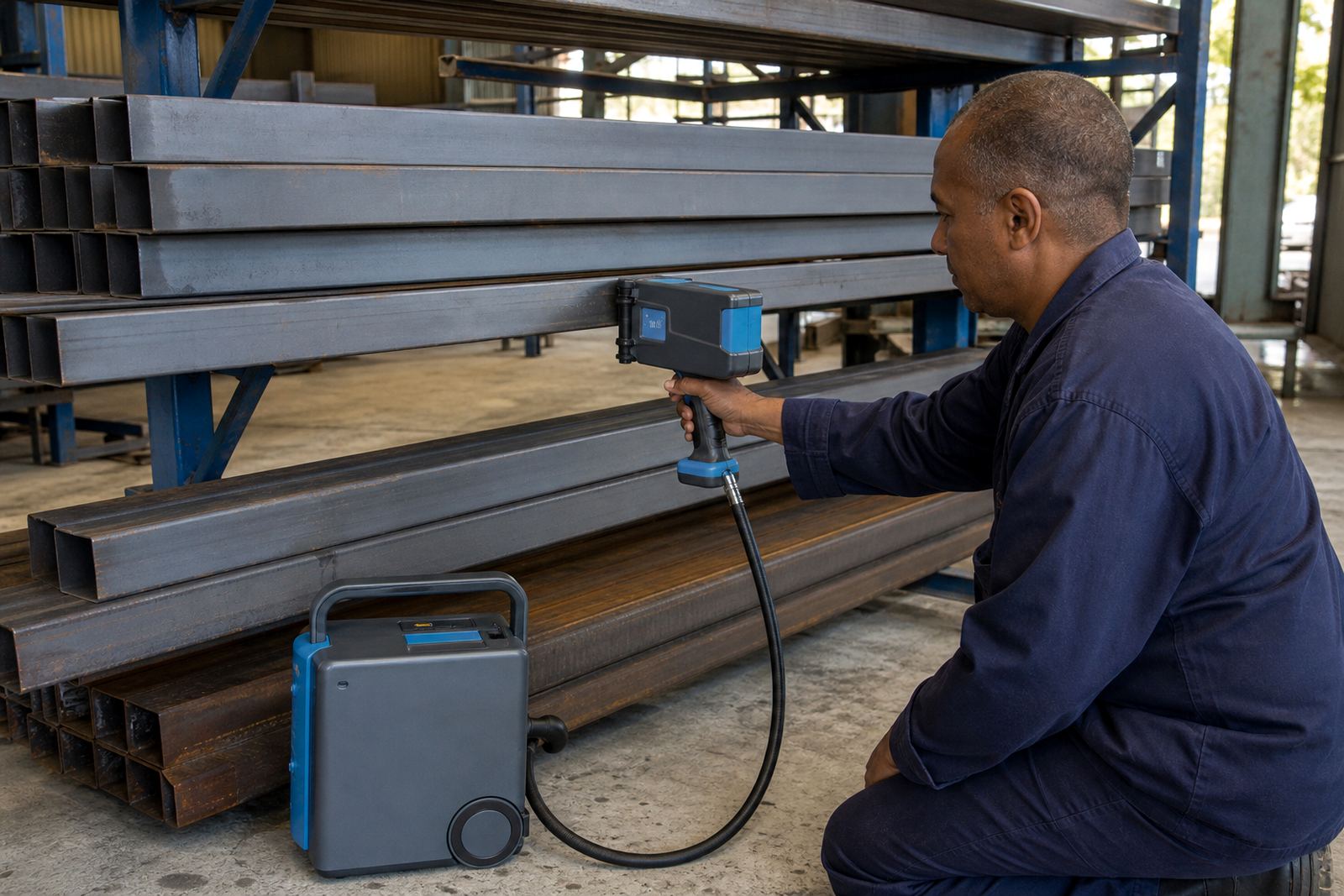
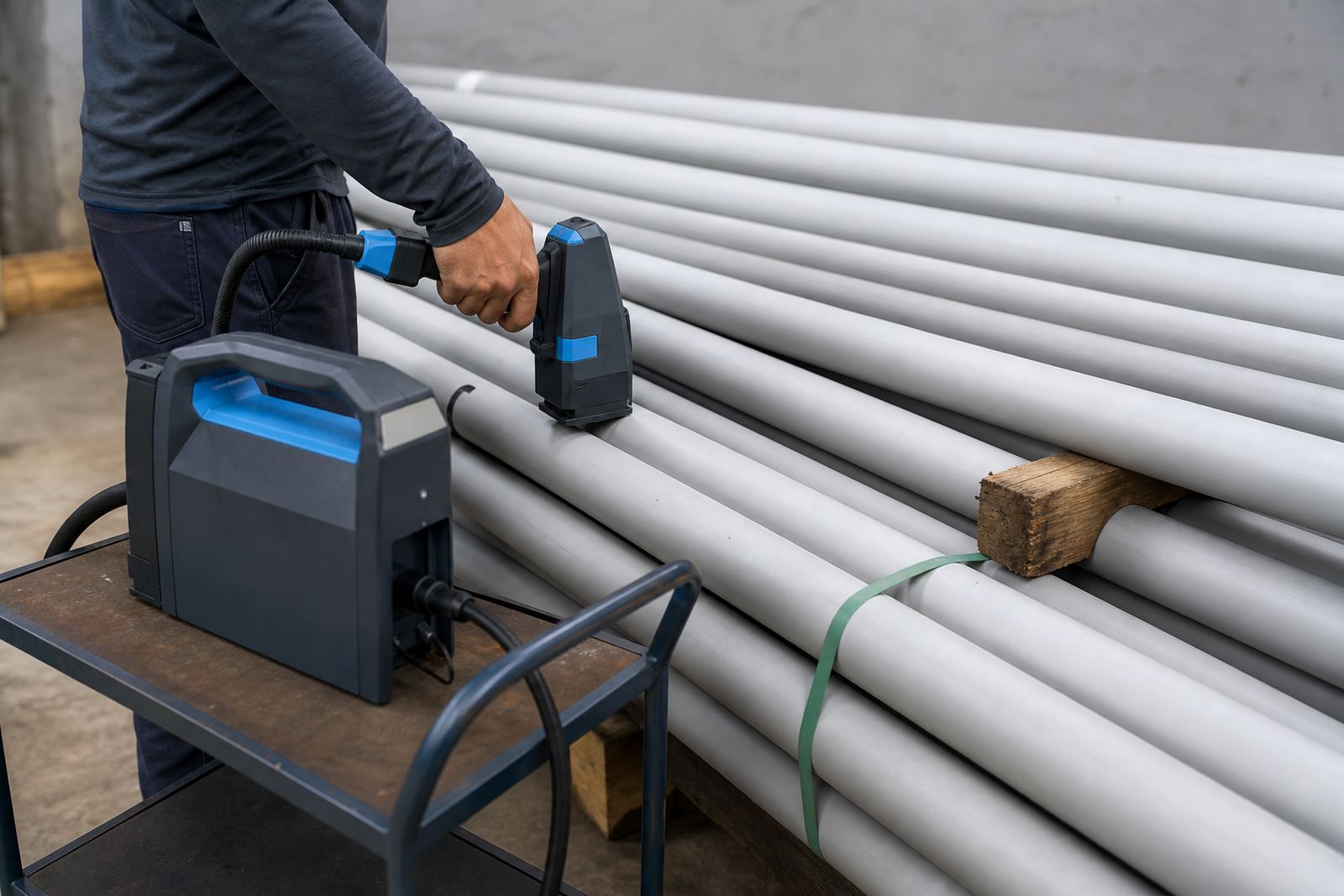
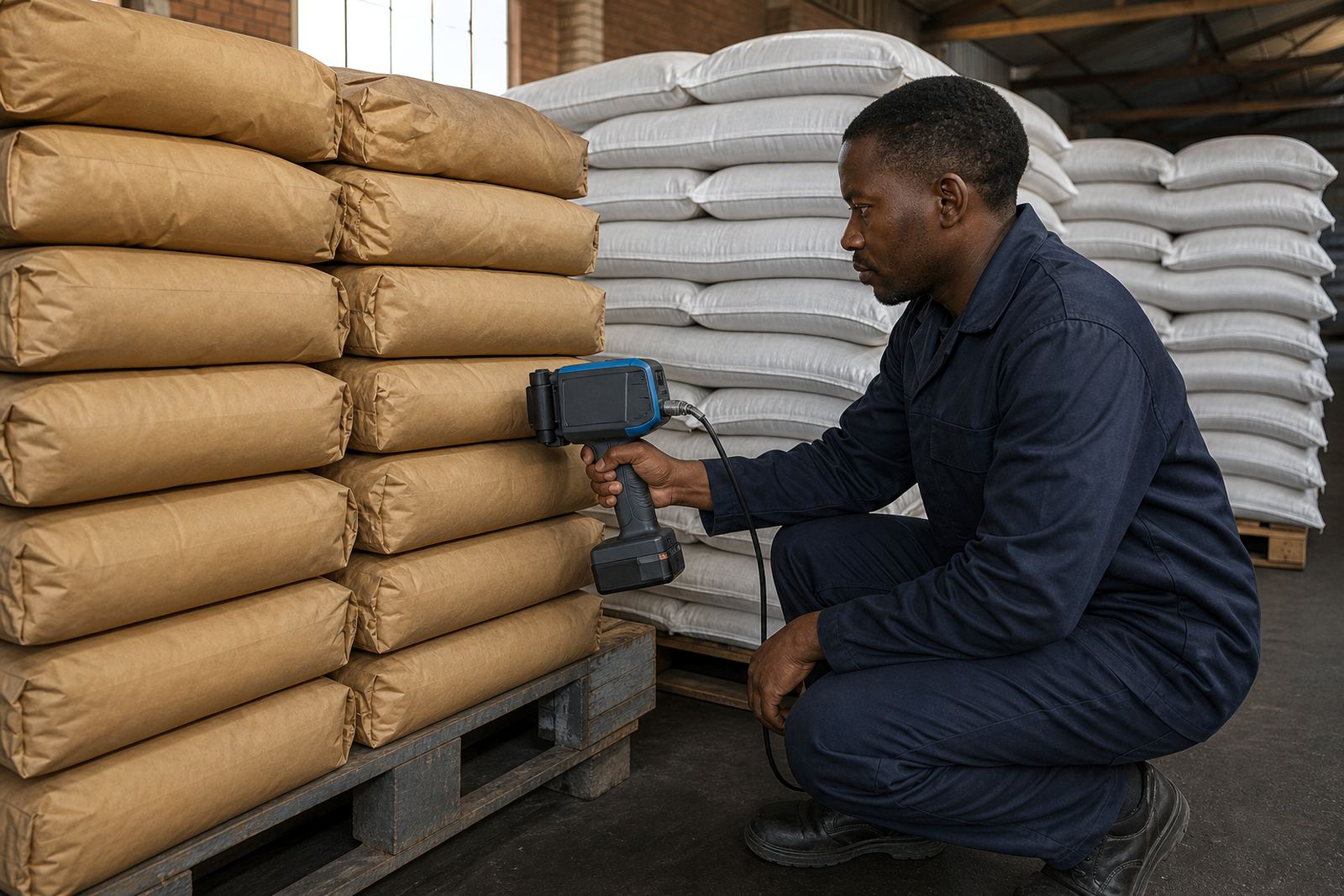
Handheld inkjet coders work well where bags are packed off a conveyor, moved on a pallet, or coded after filling. They are also useful for short runs, product changes and sites that need a compact unit rather than a fixed printer. A good print plan keeps the message short, the placement consistent and the ink suited to the bag surface.
Bags, inks and print heights that actually match
Different bag surfaces take ink differently. Woven polypropylene, coated paper, laminated sacks and coarse fibre blends each need a different approach, especially where dust, moisture or handling marks are part of the day. Solvent inks are often used on slick or non porous surfaces, while water-based inks can suit more absorbent bag stock. Quick-dry options help where bags are moved straight after coding.
Print height matters as much as the message itself. Short batch lines often sit neatly in 10 mm to 25 mm heights, while larger logos or a barcode may need more room. The print head, message length and bag texture all affect the finish, so the layout should be checked before a run starts.
- Filled bags often need the print placed on a flatter panel.
- Empty bags can be coded before packing when the seal area stays clear.
- Dark bag material may need stronger contrast than pale stock.
- Barcodes need clean spacing and a steady print motion.
A practical layout for filled or empty bags
For filled bags, the print position should avoid seams, gussets and any curved bulge from the product inside. On empty bags, there is more freedom, but the print area still has to stay away from folds, stitch lines and heat seals. A straight panel near the top or centre often gives the clearest result. If the bag shifts while being handled, a wider message can blur, so shorter lines usually work better.
When the job includes a barcode, the line length, module size and background colour need extra care. Small barcodes can scan well on smooth stock but fail on rough woven material if the contrast is too low. Logos also need a clean, simple shape. Fine details can disappear on coarse sacks, so a bolder version is usually safer.
- Leave a clean print area free of dust and loose fibre.
- Keep the message short enough for one steady pass.
- Test the same bag type that will be used in production.
- Check that the code sits clear of stitching and folds.
Common mistakes on bag coding jobs
One common issue is using the wrong ink for the bag surface. A code may look clear on the first print and then smear, fade or rub off once the bags are stacked. Another issue is setting the print too close to a seam or gusset, which distorts the line and makes the batch number harder to read.
Other problems show up when the operator tries to fit too much into one message. Long product names, multiple dates and a barcode on a small area can crowd the print face. It is better to split the message into a short traceability line and a separate logo if needed. Poor handling during loading also causes uneven prints, especially on loose woven bags that move as the head passes over them.
In coastal areas such as Durban and Richards Bay, humidity can affect drying on some bag stocks, so ink choice matters more than many people expect. On rough or dusty bags, a quick test on actual stock is worth doing before the full run starts.
Hire terms that suit short runs and ongoing packing
Weekly and monthly hire works well for bagging jobs that come in batches, seasonal packing or contract filling work. A short hire can cover a single production window, while a longer term suits sites that print bag codes every week. Delivery and collection, on-site setup, remote setup help and operator training can be arranged around the job, with ink selection help, test printing and backup unit support available where needed.
The actual hire cost depends on the unit type, the print requirement, ink choice and the length of the term. As a working guide, smaller bag coding jobs can sit in the lower end of the hire range, while jobs needing barcode setup, logo loading, consumables and more hands-on setup move higher. For many customers, the sensible budget discussion starts once the bag material, print height and message length are known.
- Short-term hire suits bag trial runs and temporary packaging orders.
- Longer hire suits regular dispatch and contract packing.
- Consumables supply helps when a site needs a steady flow of ink.
- Backup unit support helps reduce stoppage if a unit needs attention.
Packing rooms from Pinetown to Cape Town and Johannesburg
Bag batch coding jobs come through from Durban, Pietermaritzburg, Johannesburg, Cape Town and Richards Bay, often with different product mixes and different packing speeds. A site handling cement, feed, grain, fertiliser, chemicals or building materials may need a harder-wearing print than a light dry goods packer. The right setup depends on the bag stock, the handling pattern and whether the code must survive long storage or only short transit.
For local work in Pinetown, Westmead and New Germany, the team can handle setup, test printing and message loading around the packing area. Remote support helps when a line is moving between sites or when a crew needs guidance on the message and ink before the job starts. Sibusiso Moagi leads the business, with support from Nokuthula Kotze, Jared Rademeyer, Anele Vermaak, Priya Pillay and Morne Oosthuizen across hire coordination, technical work and operations.
Use the contact form when you need to match a handheld printer to bag stock, print height and batch coding layout. The clearest results usually come from a short message, a proper test on the same bag type and an ink choice that suits the surface rather than the label description alone.