
When timber needs a mark that stays readable
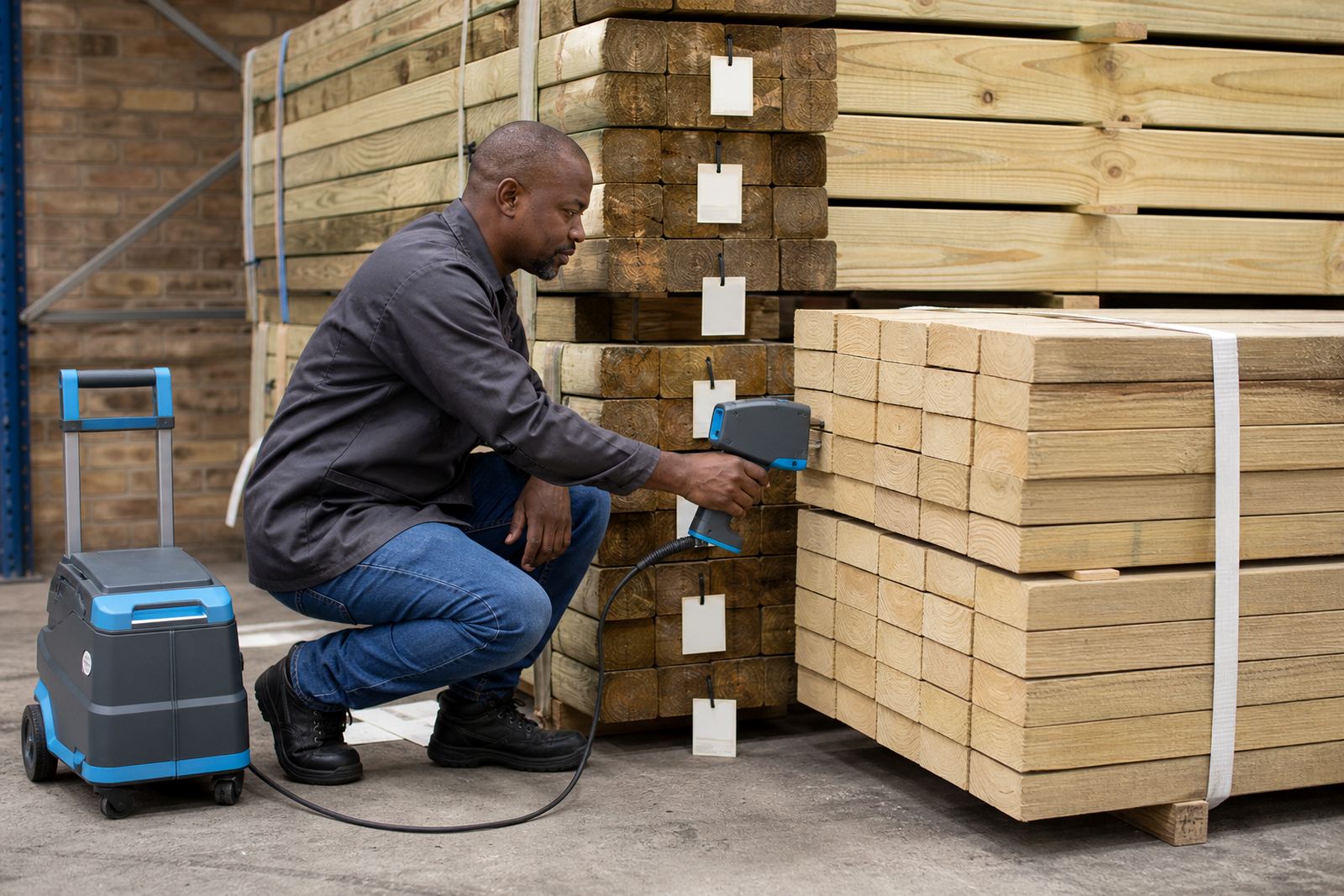
Timber yards, joiners and pack-out teams use handheld coders when the stock needs a clean reference but full automation is too much for the job. A short code on the end grain, side face or bundle wrap helps teams separate lengths, track treatment runs and match stock to the right order without writing on tags that fall off.
For cut timber, the mark often has to sit on rough, dusty or slightly damp surfaces. That is where handheld inkjet units do well. They can place text, simple logos, batch numbers and barcodes on timber that has been stacked, strapped or moved through a busy yard. On treated timber, the right ink matters because some surfaces hold water or resin and can make poor marks smear.
These units are used for stock references, packing checks and dispatch marks. When a board is going into storage for a few days or a week, the code still needs to be legible to the next person who lifts it.
The usual hire kit for timber marking jobs
A timber marking setup normally includes the handheld coder, a charger or battery pack, the correct ink, and a print head that suits the surface and the height needed. Most timber jobs use compact text heights for stock references, while bundle labels and logo marks may need a slightly larger line so the code can be read from a few steps away.
Solvent-based ink is often selected for timber because it grips faster on porous or dusty surfaces. Quick-dry ink helps when boards are moving along a line or being handled soon after marking. Water-based ink can suit cleaner indoor timber, but it usually needs a more controlled surface and a slower handling pace. For rough-sawn timber, the print often needs a short test before the actual run starts.
- Stock references on cut lengths and offcuts
- Batch numbers for treated or sorted timber
- Barcodes for warehouse scanning
- Simple logos on bundled packs
- End marks for dispatch and sorting
Print height matters more than people think. A small mark can disappear once the timber is strapped or stacked, while an oversized mark may sit awkwardly on narrow boards. The right balance depends on board width, viewing distance and the way the stock moves through the yard.
Laying out the mark before the first board is coded
Good timber marking starts with the board layout, not the printer. If the code lands too close to the end cut, it can be trimmed away. If it sits where straps will rub, the ink can scuff. Most teams do best when the mark is placed on a repeatable face or end position that operators can find quickly without turning each board over.
For bundled timber, the plan usually needs to cover where the code sits on the first piece, whether it repeats on each layer, and how the bundle is read when it is stacked in storage. A barcode may work well on a flatter side face, while a larger text line is easier on an end face that stays visible after packing.
In coastal areas like Durban and Richards Bay, humidity can slow drying on some inks and timber that has sat overnight can carry more surface moisture than expected. That means the mark position and ink choice should be checked before a full run, not after the stack has already been coded.
A few errors that waste timber and ink
The most common problems are usually practical. People print too close to the edge, use an ink that is not right for the timber finish, or load a code that is longer than the available print area. Once the operator starts moving through the stack, those mistakes repeat across a lot of boards.
Another frequent issue is using the same setting for clean planed timber and rough sawn timber. The surface changes how the ink lands. A code that looks crisp on one pack can feather or fade on another if the setup stays fixed.
- Printing on dusty timber without a quick surface check
- Using a print height that is too small for stacking distance
- Placing the mark where the saw will trim it off
- Choosing ink that dries too slowly for handling
- Skipping a test print on the actual board type
Barcodes also need care. If the quiet zone is cramped or the bars are squeezed, a scanner may struggle later. That is why test printing should be done on the same timber type and at the same size that will be used on the job.
Hire terms that suit a timber yard or small run
Weekly and monthly hire terms suit timber work because stock volumes change. A short run of cut lengths may only need a machine for a week, while a yard sending out marked bundles every day may keep one on hire for longer. The right term depends on how often the coder will be used, whether the team needs training, and whether backup support is worth including.
For budgeting, small timber jobs can start around a few thousand Rand for a short hire period, with more complete packages rising when ink supply, operator training, on-site setup and backup unit cover are added. Larger monthly arrangements usually make more sense for yards with regular dispatches, but the final figure depends on print size, ink type and how much support is needed.
Clients in Pinetown, Durban, Pietermaritzburg, Johannesburg, Cape Town and Richards Bay often ask for delivery and collection, message loading, barcode setup and test printing as part of the same hire. That keeps the marking plan consistent across different shifts and loading points.
Planning notes for cut lengths and bundled boards
When timber is moving through a yard, the coder should be placed where the operator can keep a steady rhythm. A clear loading point, a dry resting area and a simple marking order make the work easier to control. If the stock changes often, it helps to keep the message list short and the layout fixed.
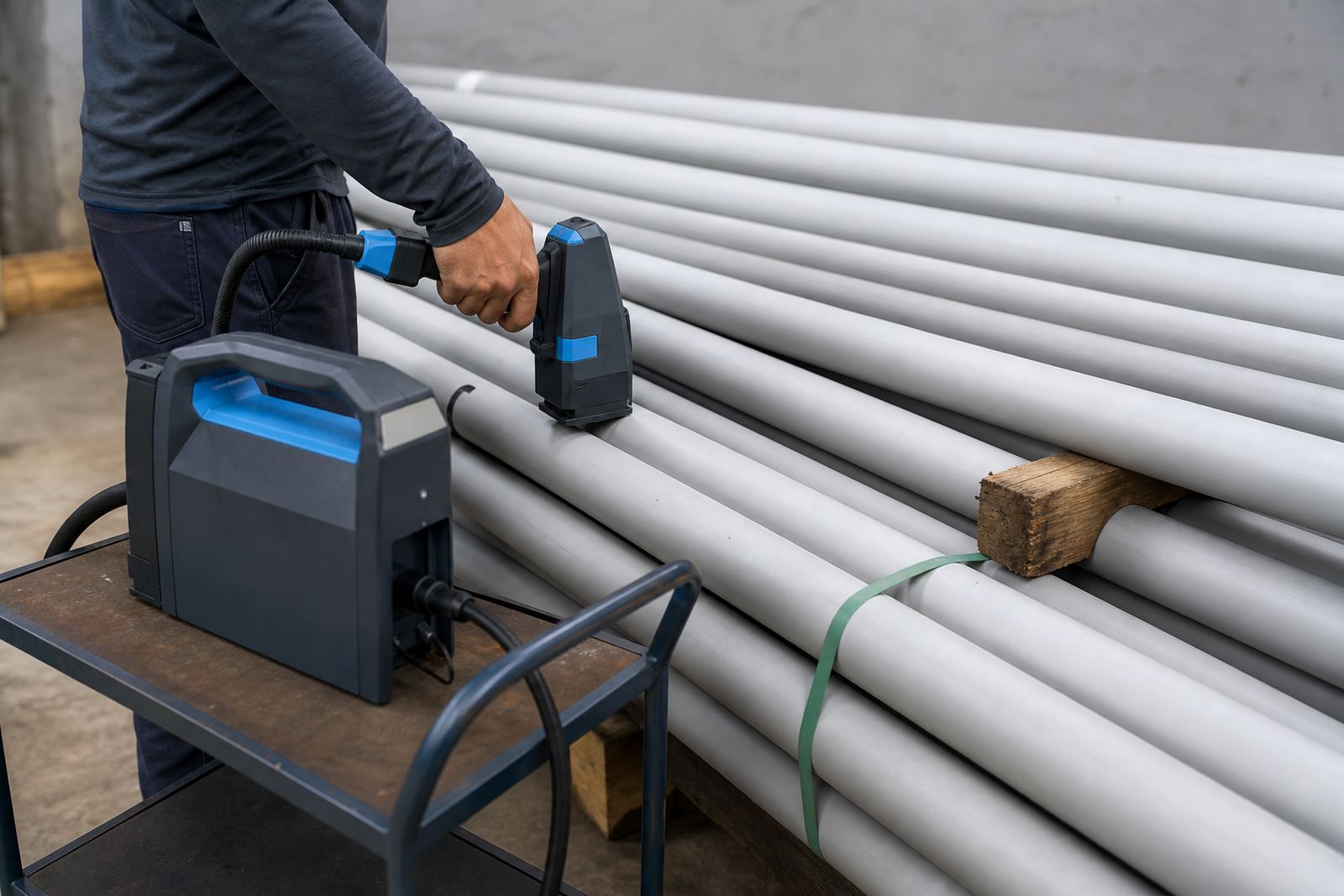
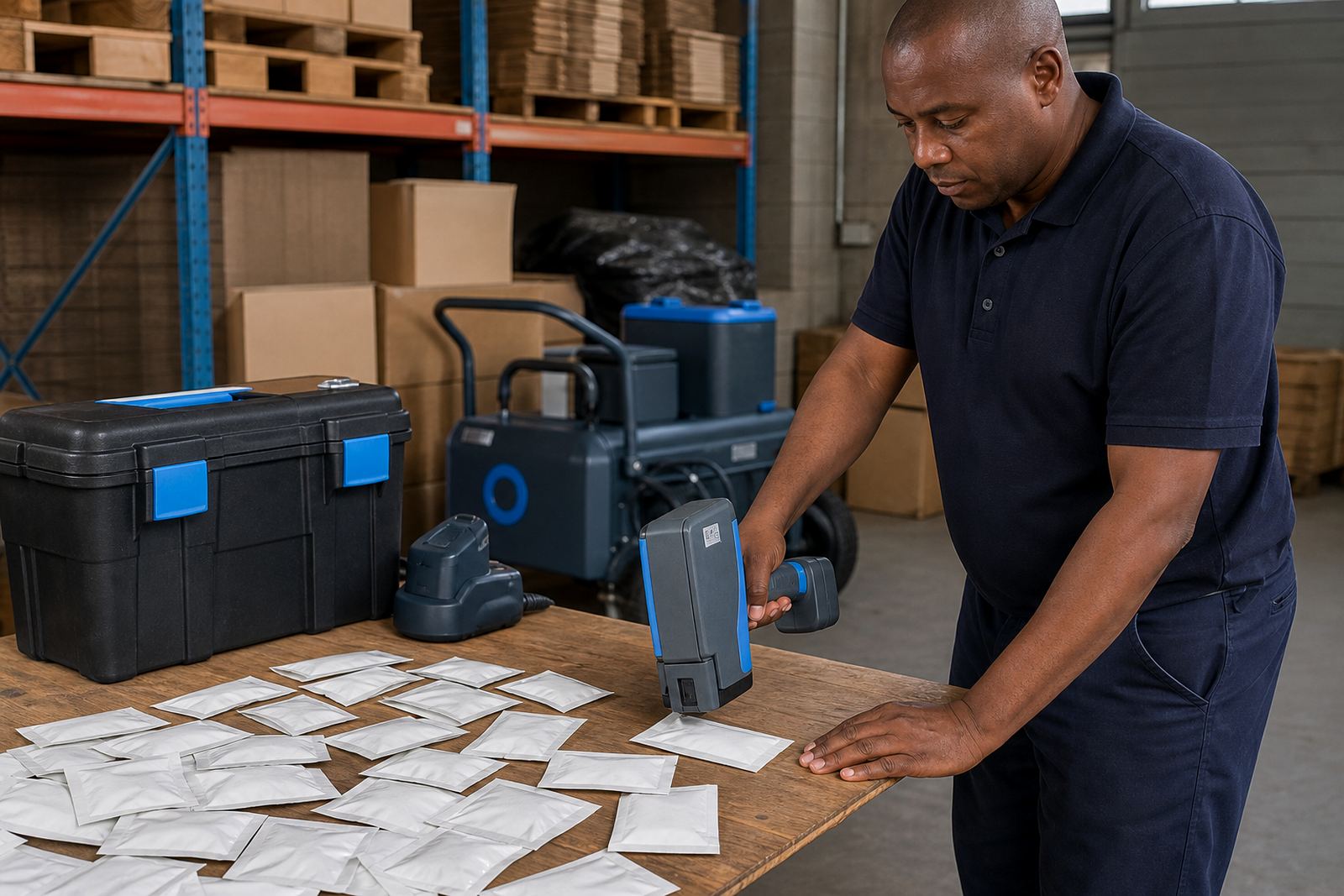
For teams marking both timber and other pack goods, the same machine can often handle cartons and pipes as well, but the settings need to be reset for each surface. Timber is less forgiving than a flat printed label, so a quick check on the first few pieces can save a lot of rework.
In practice, the best timber marking jobs are the ones where the print area is measured first, the ink is chosen for the surface and the mark is placed where the next handler can still read it. That keeps the stock reference visible from yard to dispatch.